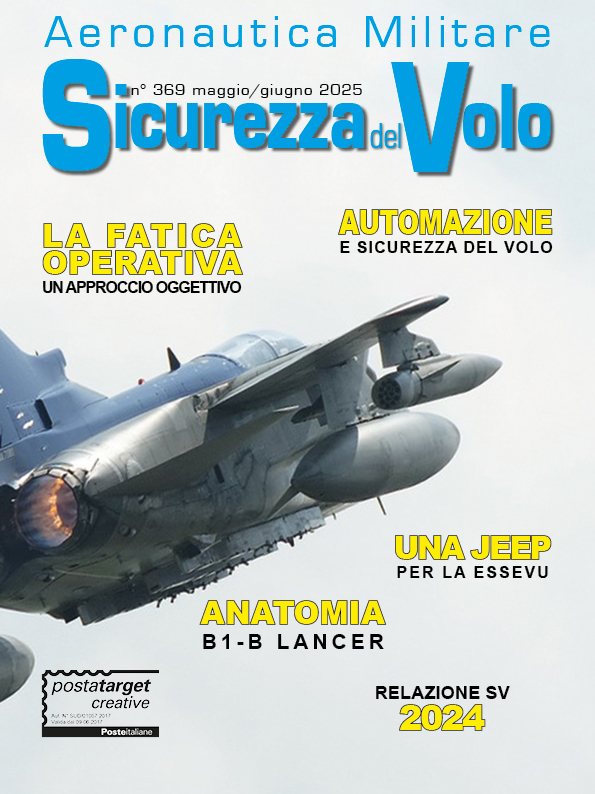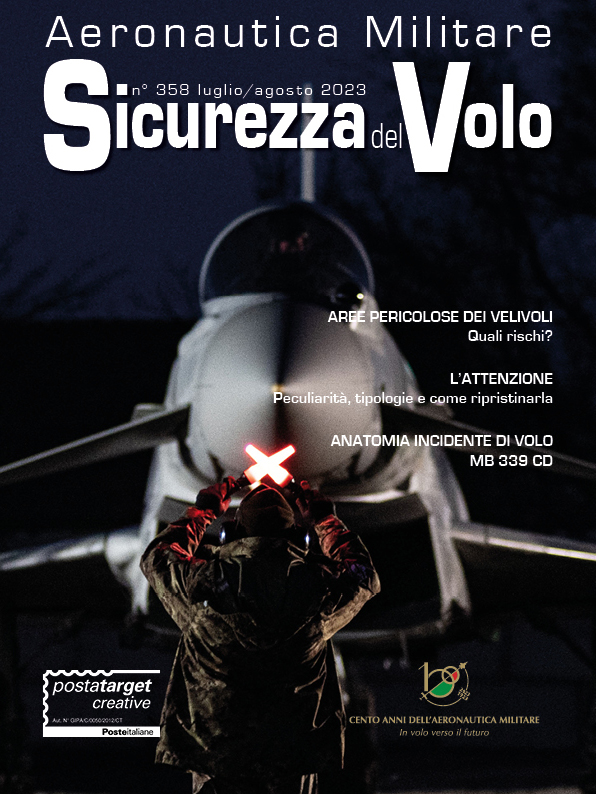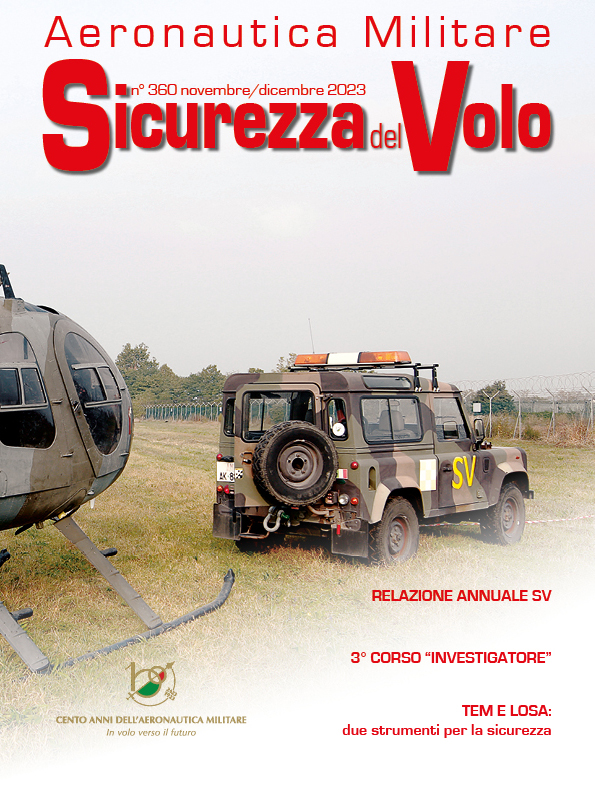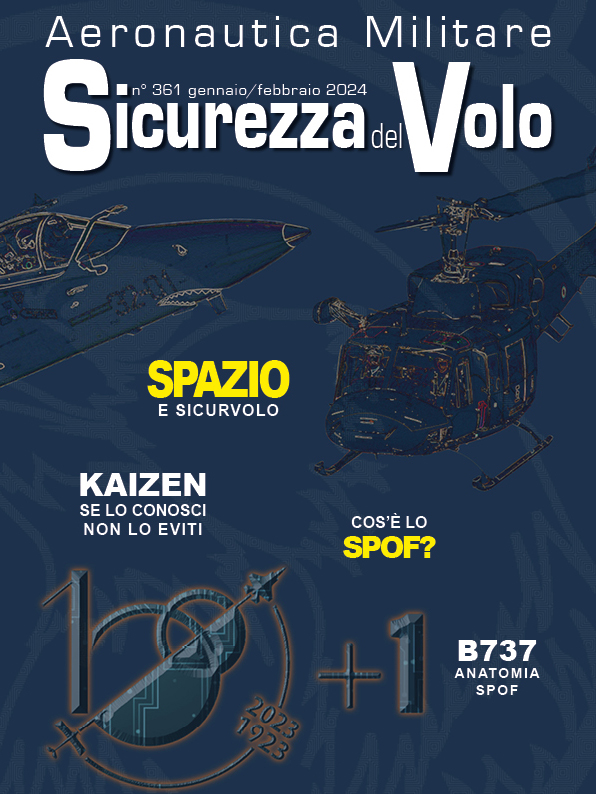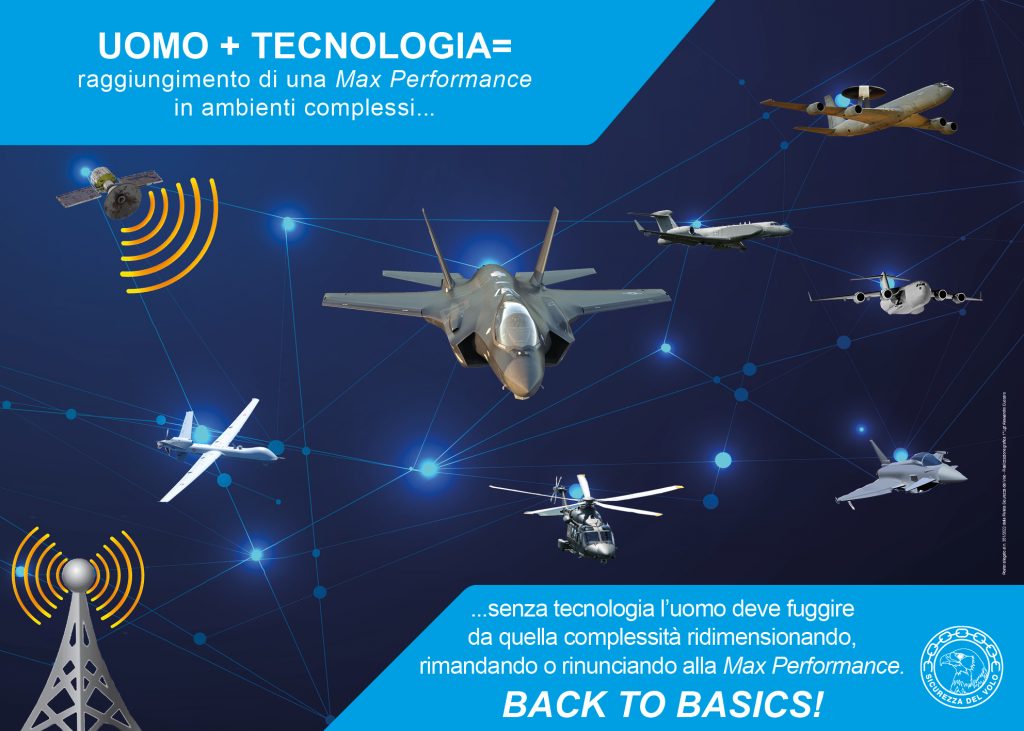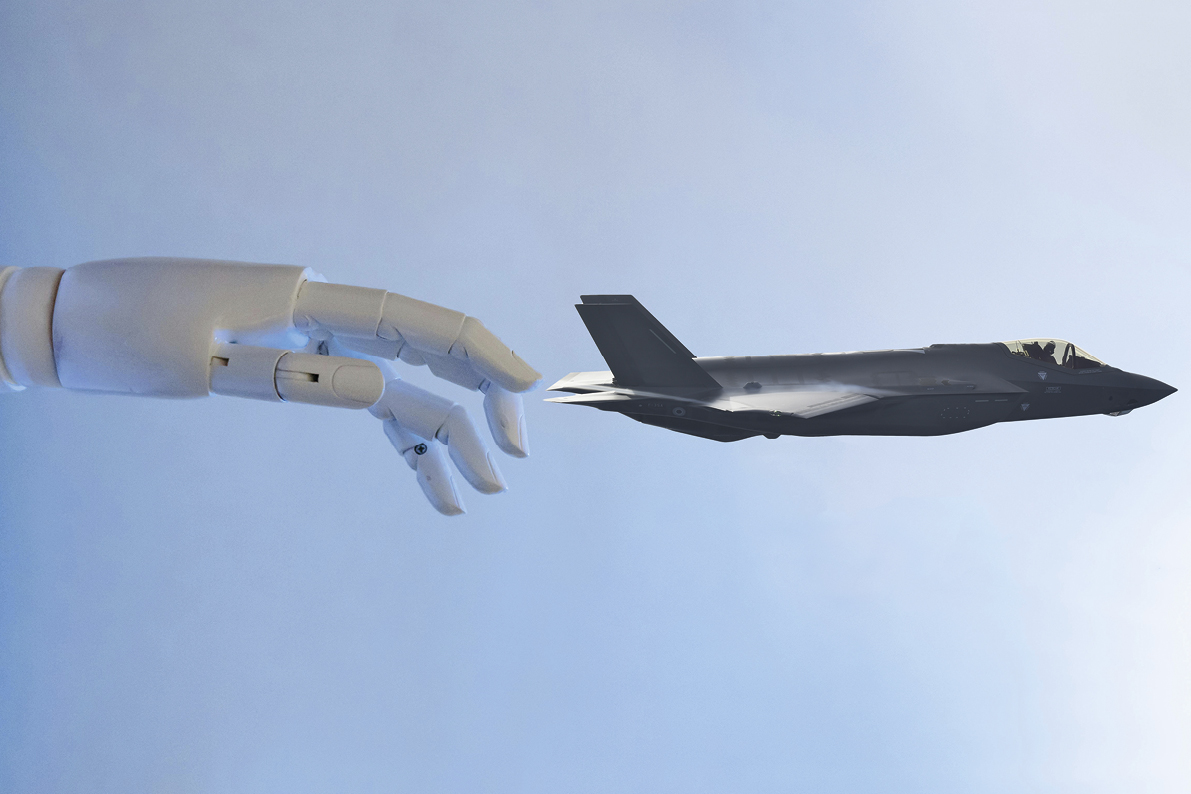
The article explores the paradoxes of automation in the context of military aviation, highlighting the risks and benefits of technological integration versus human capabilities.
This highlights the importance of training and collaboration between operators and technical innovations in ensuring flight safety under all conditions.
Ten. Col. Gian Luca Greco

The Aeronautica Militare's SV 2024 Statistical Report highlights a methodological expansion with the integration of ATM (Air Traffic Management) events, offering a more comprehensive view of flight safety.
The main risk factors remain Human and Technical, with FOD and bird strikes still being relevant. Strengthening data analysis, training, and safety culture is fundamental for progressing towards predictive safety strategies.
Ten. Col. Massimo Casa
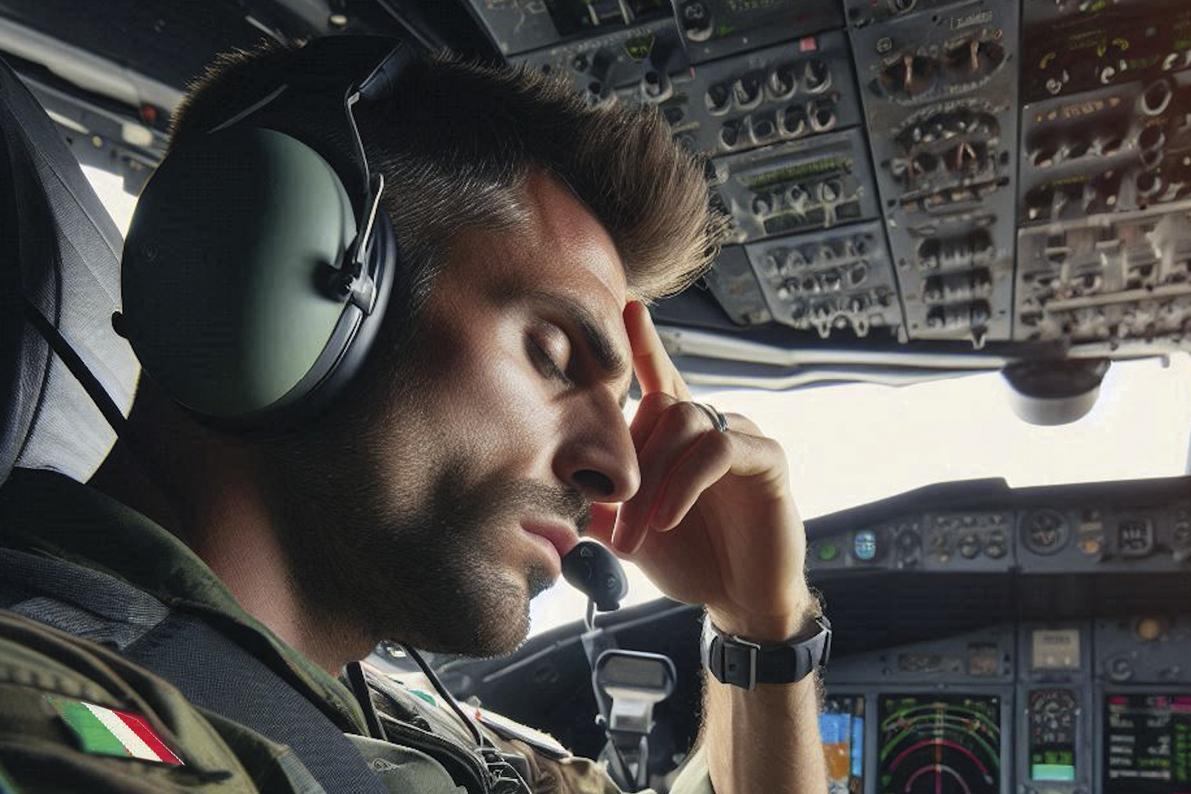
The article addresses the issue of operational fatigue, defined as a subjective state that impairs physical and cognitive capabilities, and proposes an objective approach to measure it.
Through specific indicators and analytical tools, the objective is to support decision-makers in proactive and reactive prevention, thereby improving safety and operational efficiency.
The tool allows for work management and trend identification for timely intervention.
Colonel Marco Mastroberti
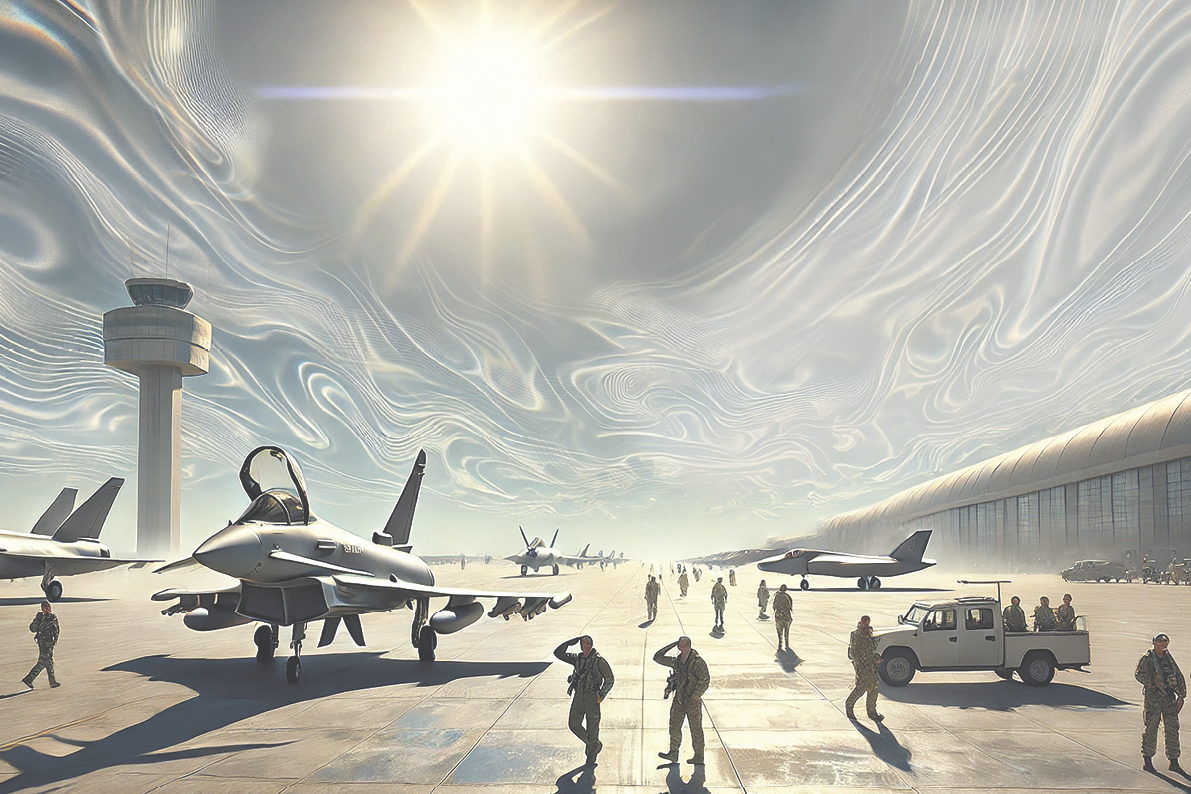
The high summer temperatures increase the risks for crews and maintenance personnel, causing heat stress, reduced performance and operational hazards.
Accurate planning, hydration, and synergy between departments are essential to mitigate such risks.
Editorial Office SV Magazine

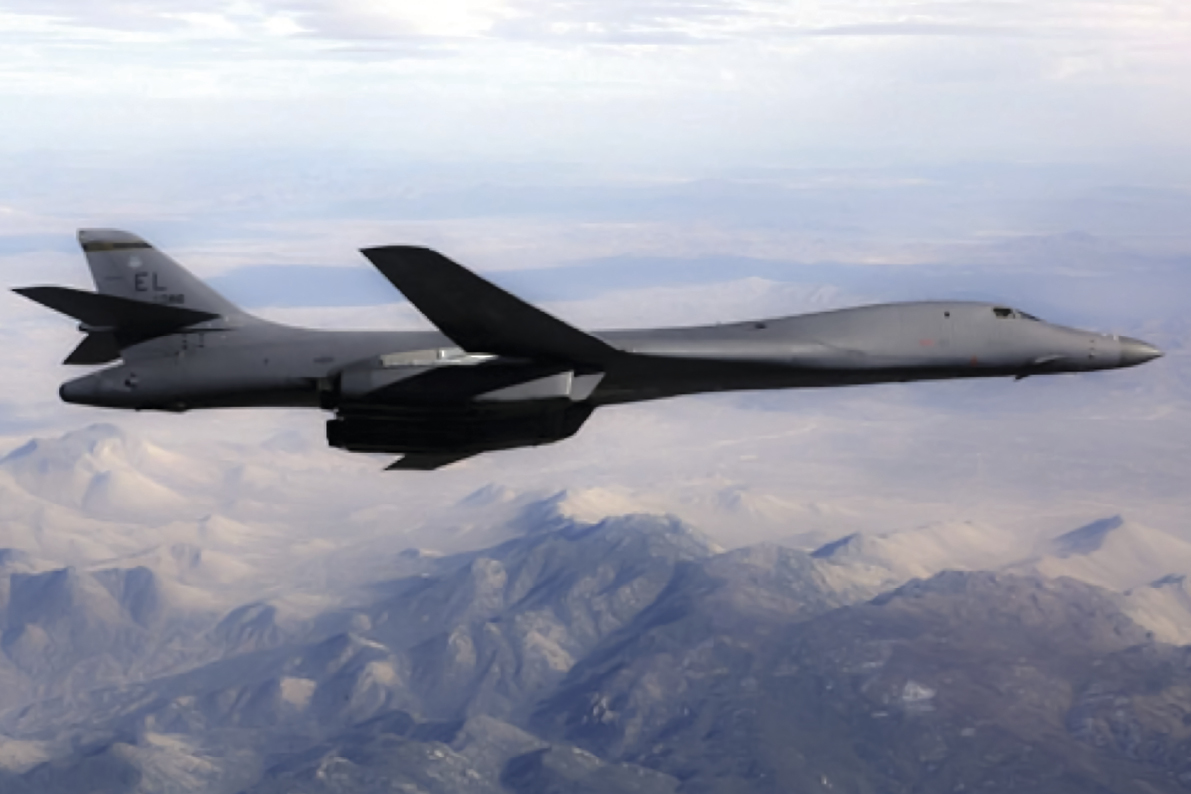
This article analyses the flight incident involving a US B1-B aircraft that veered off the runway and caught fire after a heavy landing.
Ten. Col. Massimo Paradisi

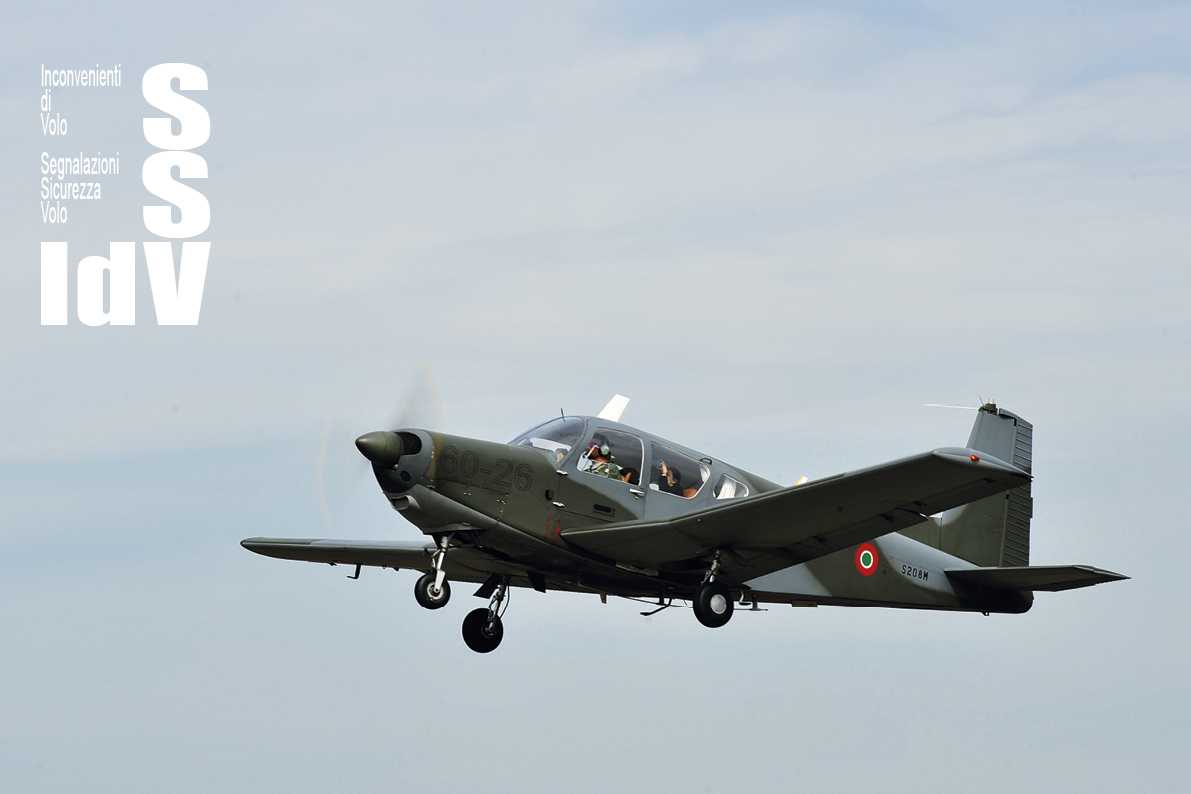
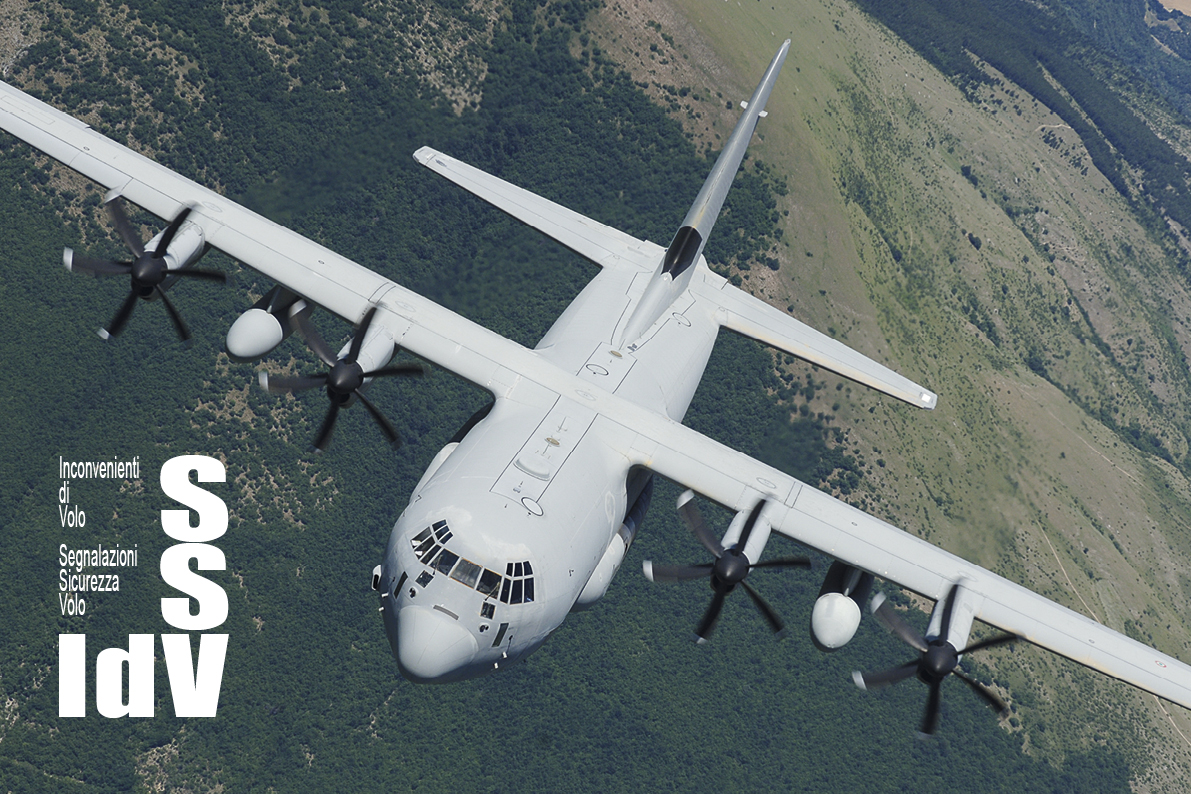
This is the usual column in which flight or ground inconveniences are briefly described, and from them, useful recommendations are drawn to prevent similar events from happening again.
2nd Investigative Office“

These two pages contain brief episodes relating to flight inconveniences or incidents to make personnel reflect on mistakes to be avoided.
2nd Investigative Office“

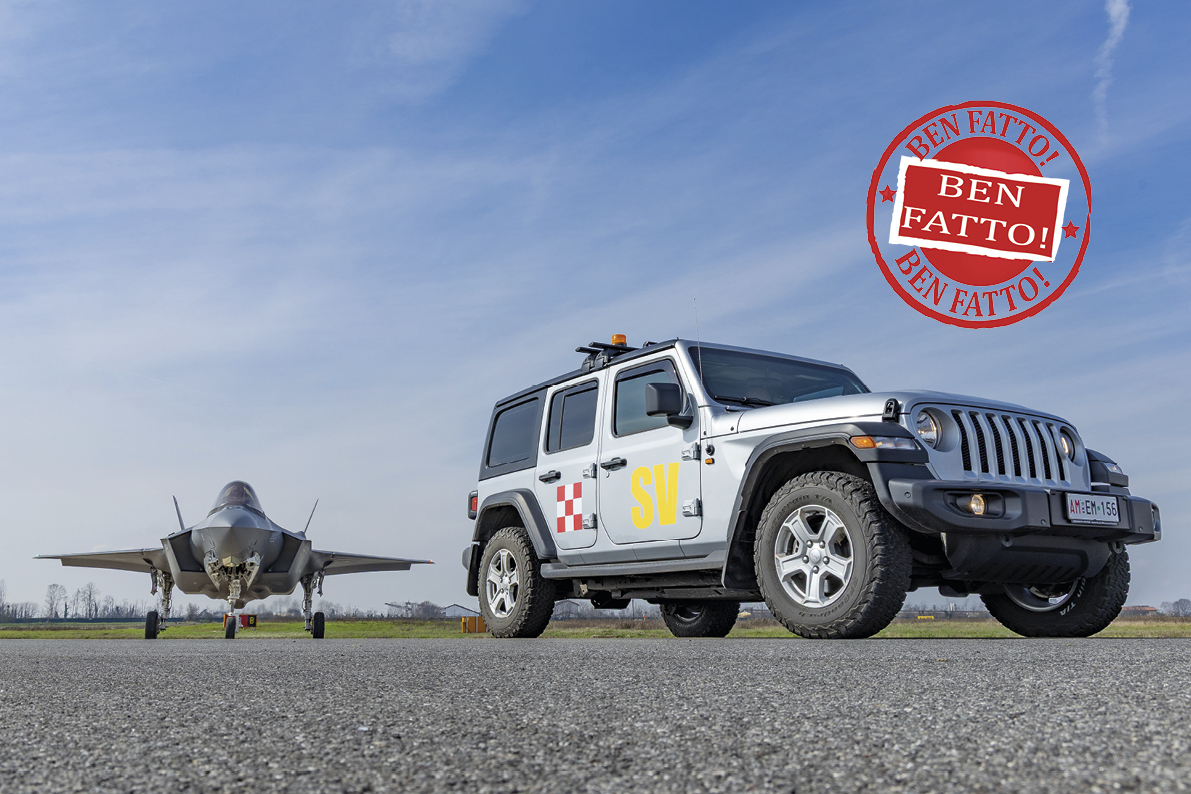
The article highlights the importance of vehicles for Flight Safety in ensuring timely and effective interventions in airport emergencies.
The provision of adequate vehicles, such as Jeep Wranglers, supports SV officers with advanced tools, reliability, and multi-functionality, contributing to more efficient airport security.
Ten. Col. Dimitri Giraud
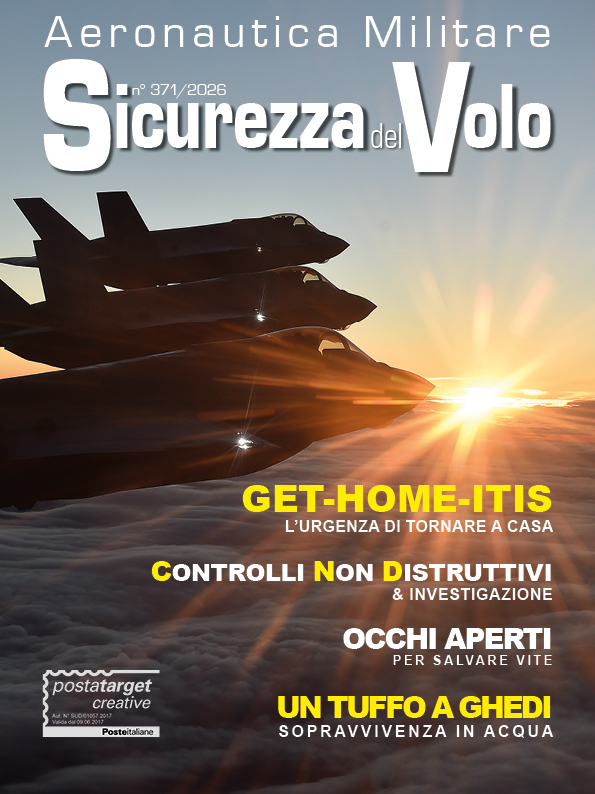
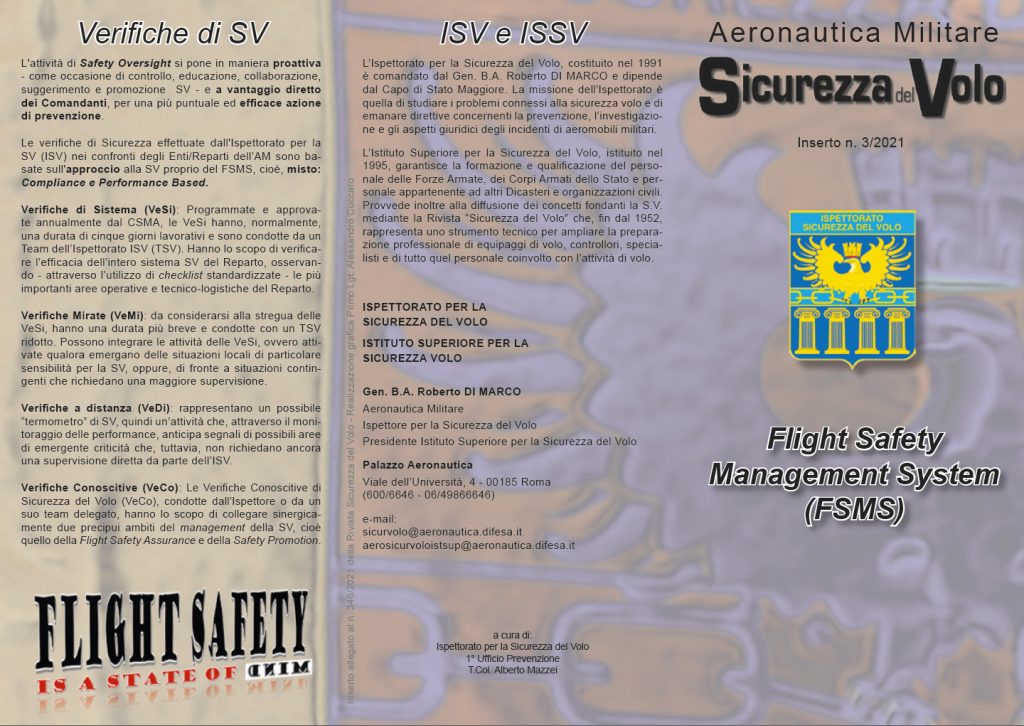
In this section, we report some of the most significant news concerning the world of aviation safety and the work of the Flight Safety Inspectorate and the Higher Institute for Flight Safety.
Editorial Office SV Magazine

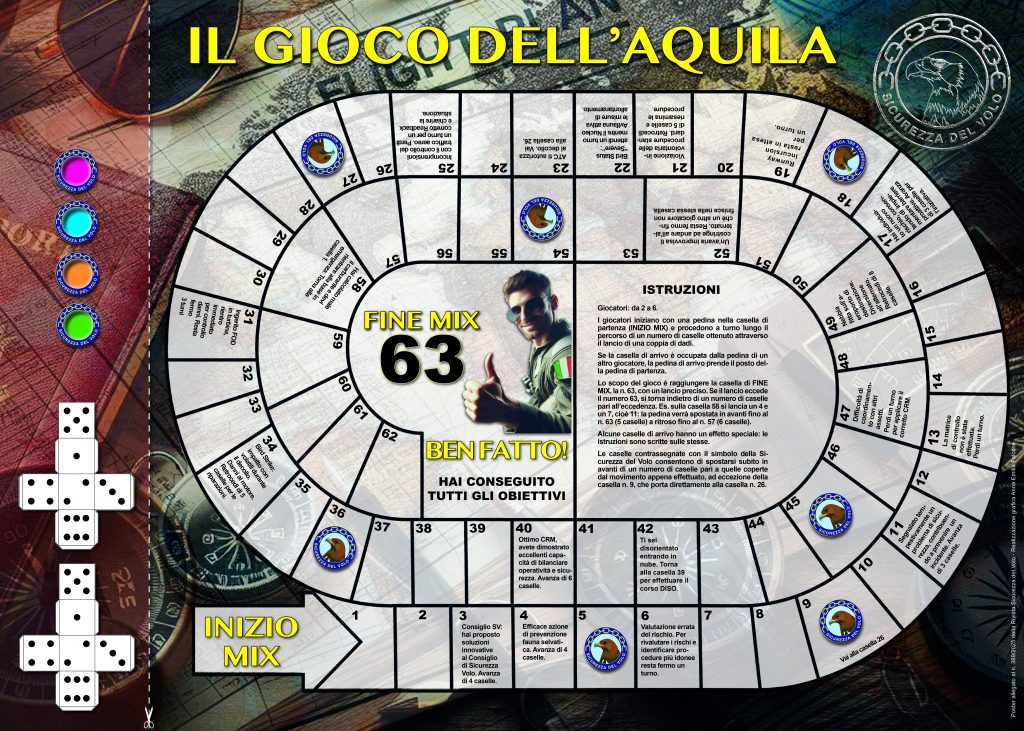
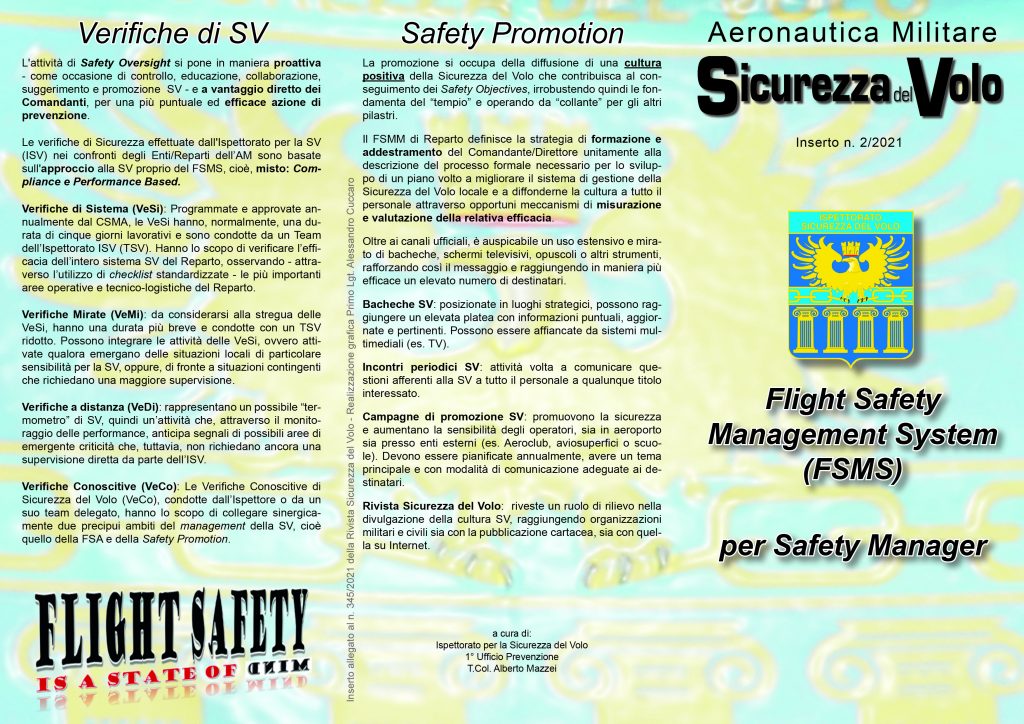
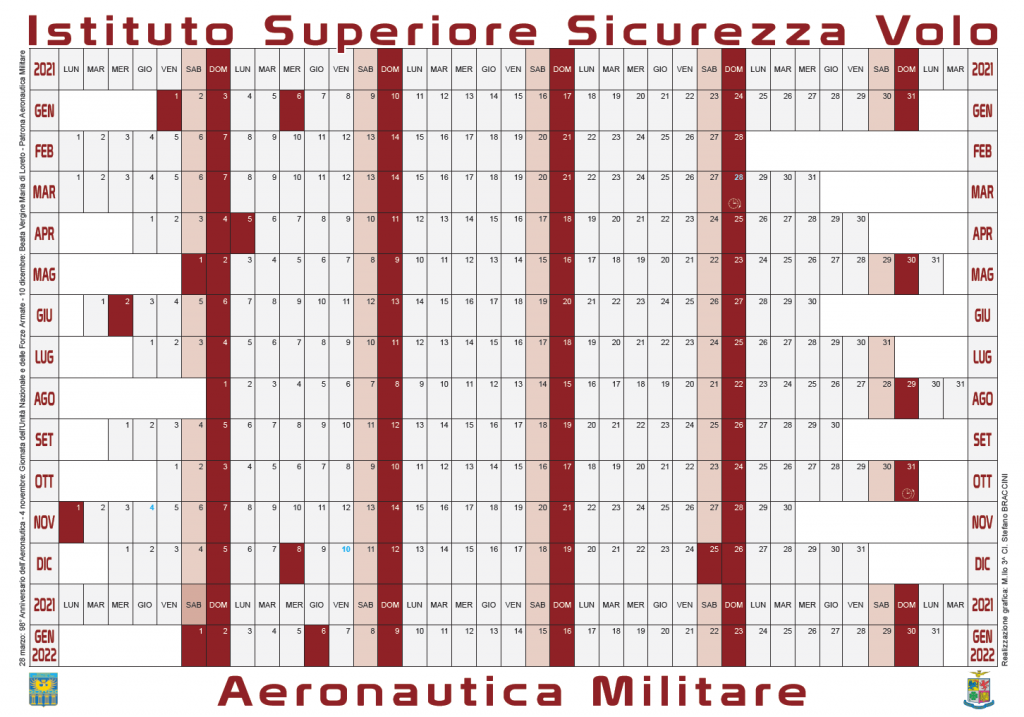
In this output, attached, the Eagle game, an adaptation of the classic game of goose with an SV theme.

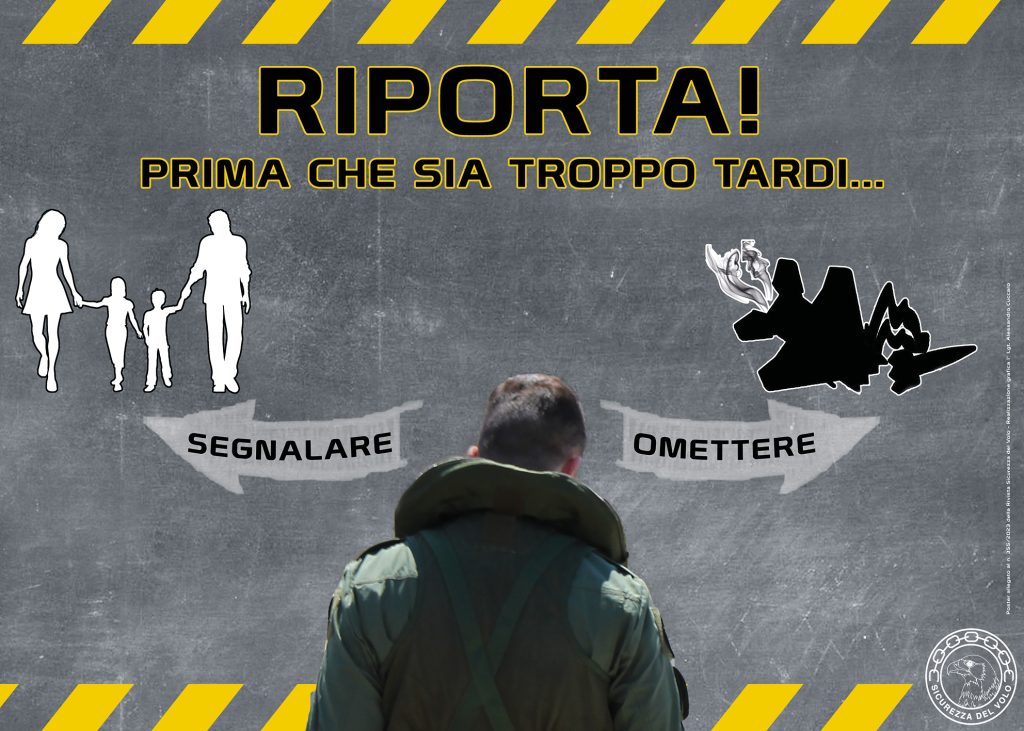
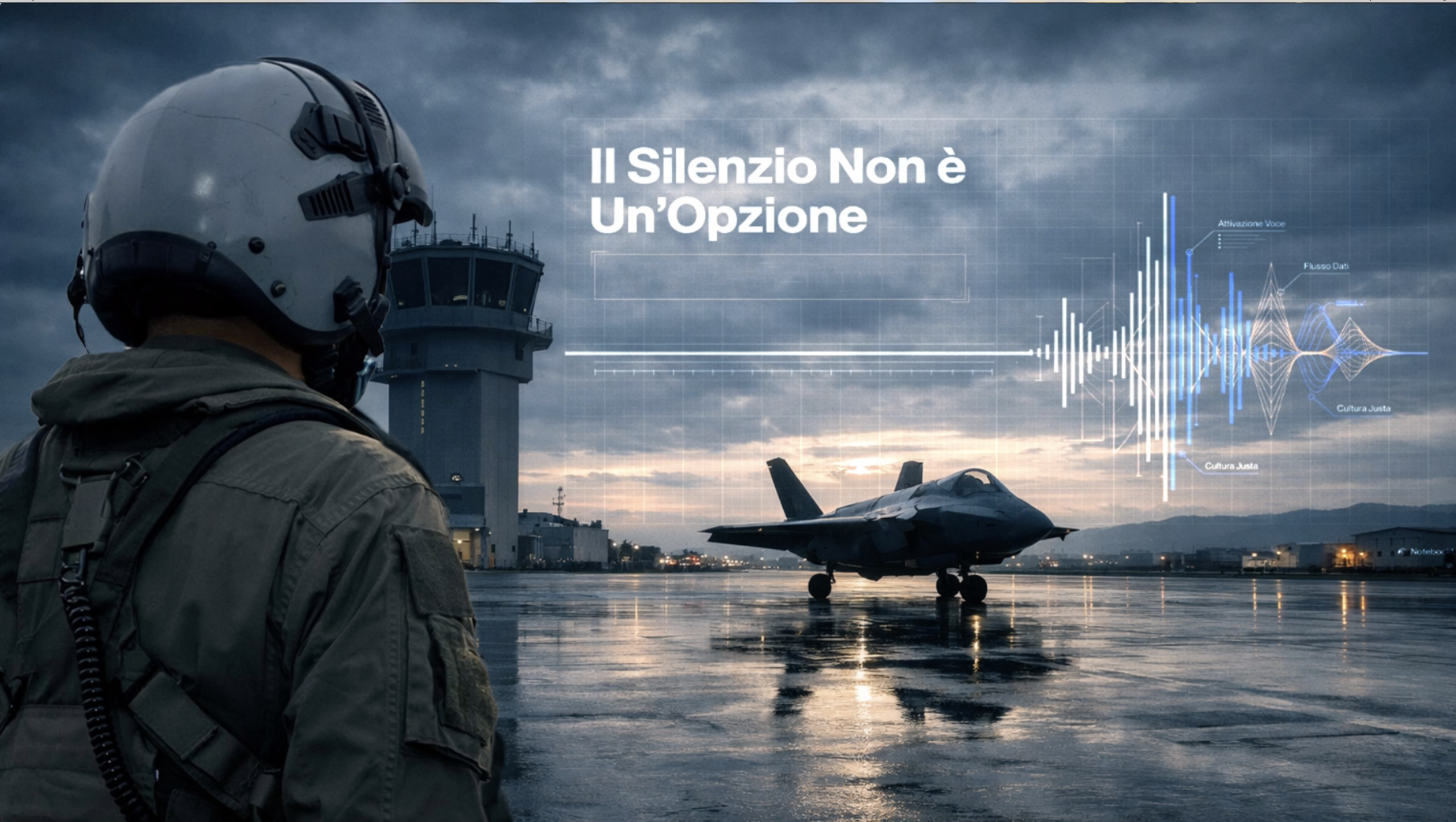
Nel mondo aeronautico, il silenzio non è mai sinonimo di perfezione; è, al contrario,
il sintomo di una “rete di ascolto” che si sta indebolendo.
Il quadro emerso dalle statistiche evidenzia una sfida cruciale: a fronte di un’attività
operativa incessante, il numero dei riporti degli inconvenienti di volo, soprattutto quelli causati dal fattore umano, vive una fase di stasi preoccupante.
Col. Massimo Paradisi


In questo articolo si analizza il “get-home-itis”, cioè la spinta emotiva di voler arrivare a destinazione a tutti i costi, anche ignorando rischi e procedure, inducendo a perseverare su quel piano nonostante si abbiano informazioni contrarie.
L’autore ci fornisce un decalogo di prevenzione.
Col. Massimo Paradisi
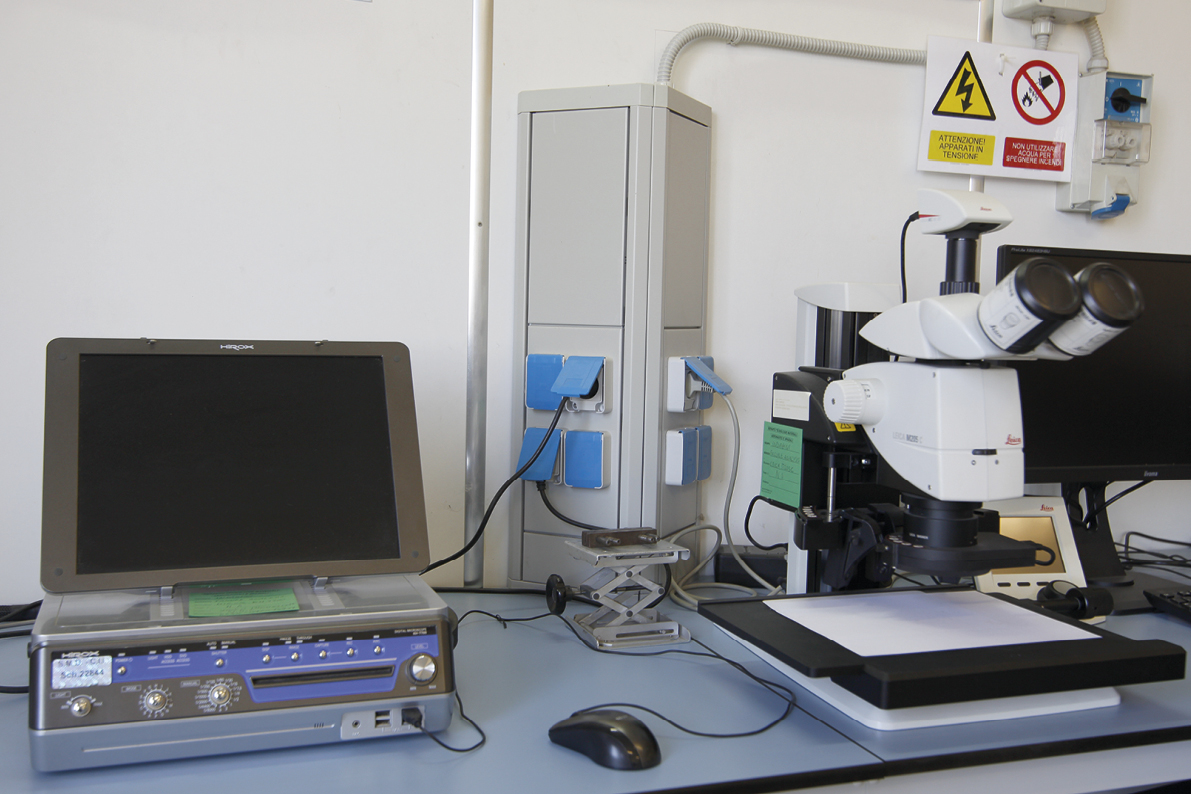
Le autrici spiegano come i Controlli Non Distruttivi, efficaci e affidabili, permettono di verificare l’integrità dei materiali senza danneggiarli, migliorando sicurezza e qualità.
Essi sono fondamentali in aeronautica per la manutenzione, la progettazione e l’investigazione post-incidente.
Nell’articolo viene illustrato come le varie tecniche, classiche e avanzate aiutino a rilevare difetti critici e prevenire guasti strutturali.
Cap. Alessia Barbieri – Ten. Flaminia Di Pietri
This is the usual column in which flight or ground inconveniences are briefly described, and from them, useful recommendations are drawn to prevent similar events from happening again.
2nd Investigations Office

These two pages contain brief episodes relating to flight inconveniences or incidents to make personnel reflect on mistakes to be avoided.
2nd Investigations Office

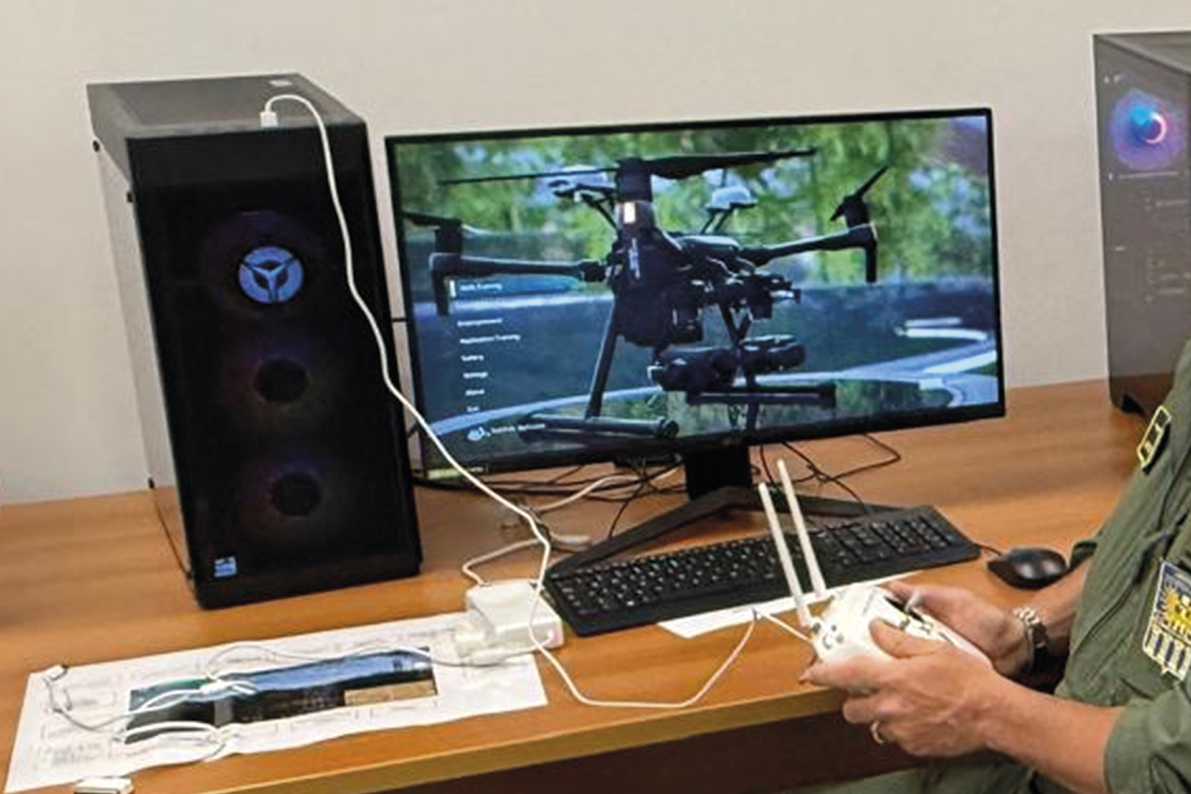
Segnando un cambio di paradigma, l’ISV ha avviato un percorso innovativo con l’uso dei droni presso il Centro di Eccellenza APR di Amendola.
Gli APR saranno impiegati per prevenzione incidenti, contrasto al birdstrike e investigazioni post-crash, aumentando tempestività e precisione delle operazioni.
Ten. Col. Daniele Piperno
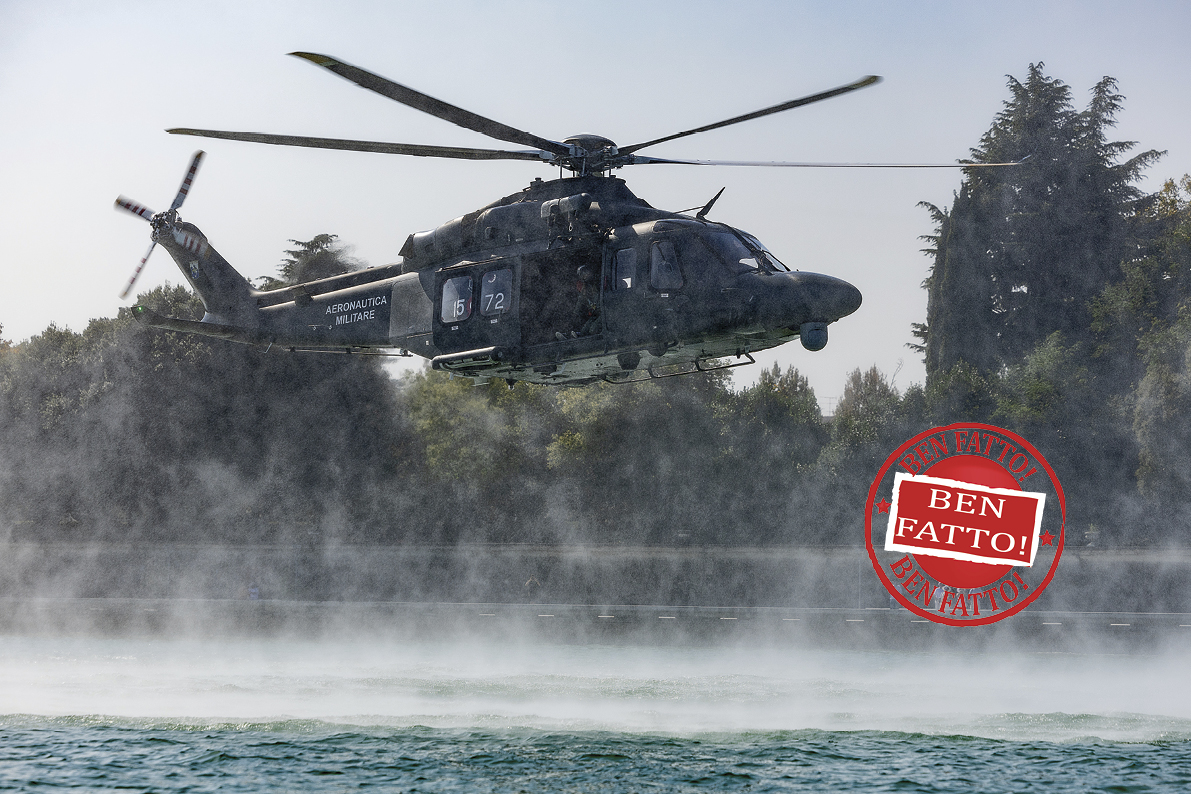
In quest’articolo il racconto dell’esercitazione congiunta italo‑americana di sopravvivenza in acqua che ha coinvolto Tornado, F‑35A, HH-139 e UH-60.
L’attività, basata su direttive ufficiali, ha previsto briefing teorici e prove pratiche di ammaraggio, nuoto, utilizzo di equipaggiamenti e recupero con elicottero.
La sinergia tra reparti italiani, statunitensi e istituzioni civili ha rafforzato competenze, interoperabilità e cultura della Sicurezza Volo.
Ten. Col. Marco Zoppitelli / Lgt. Roberto Fiani
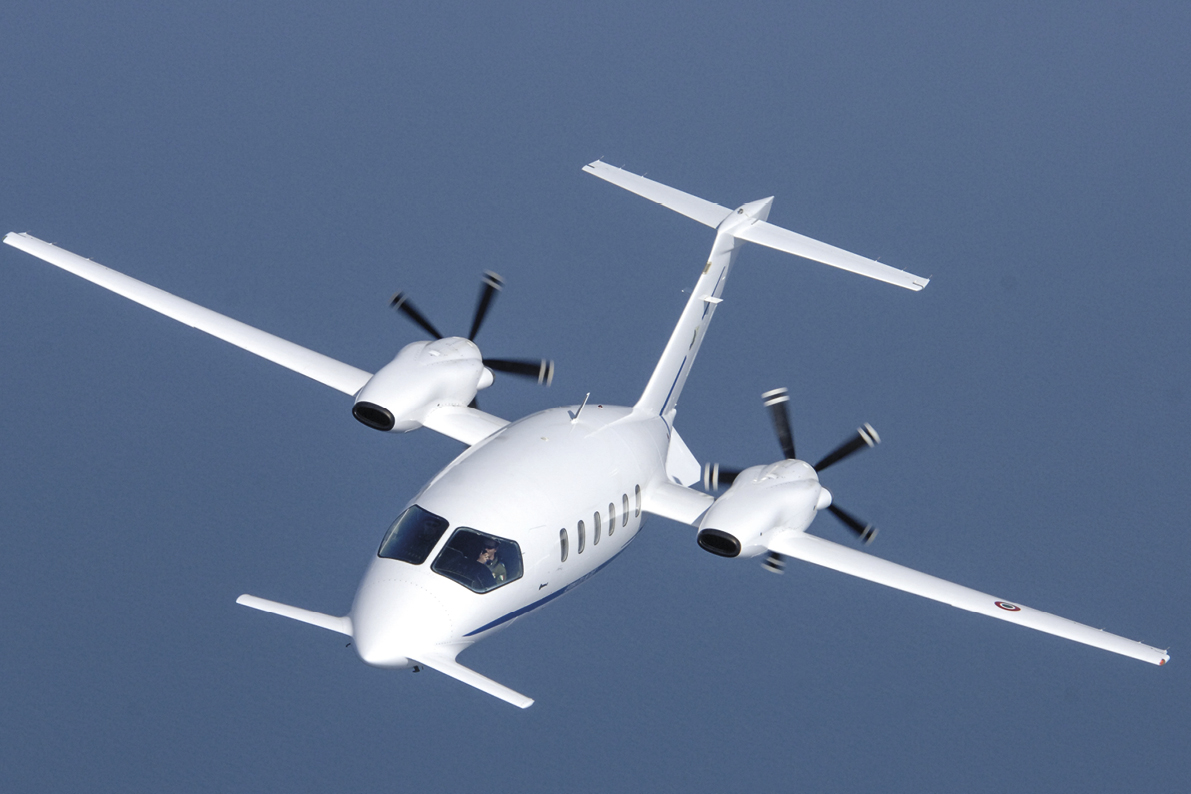
During an IFR flight, an error in the transcription of the QNH caused the VC-180A to fly lower than the planned profile.
The crew perceived an anomalous altitude and correctly discontinued the approach before the minimum, subsequently discovering the altimeter error.
Major Antonio Terrone
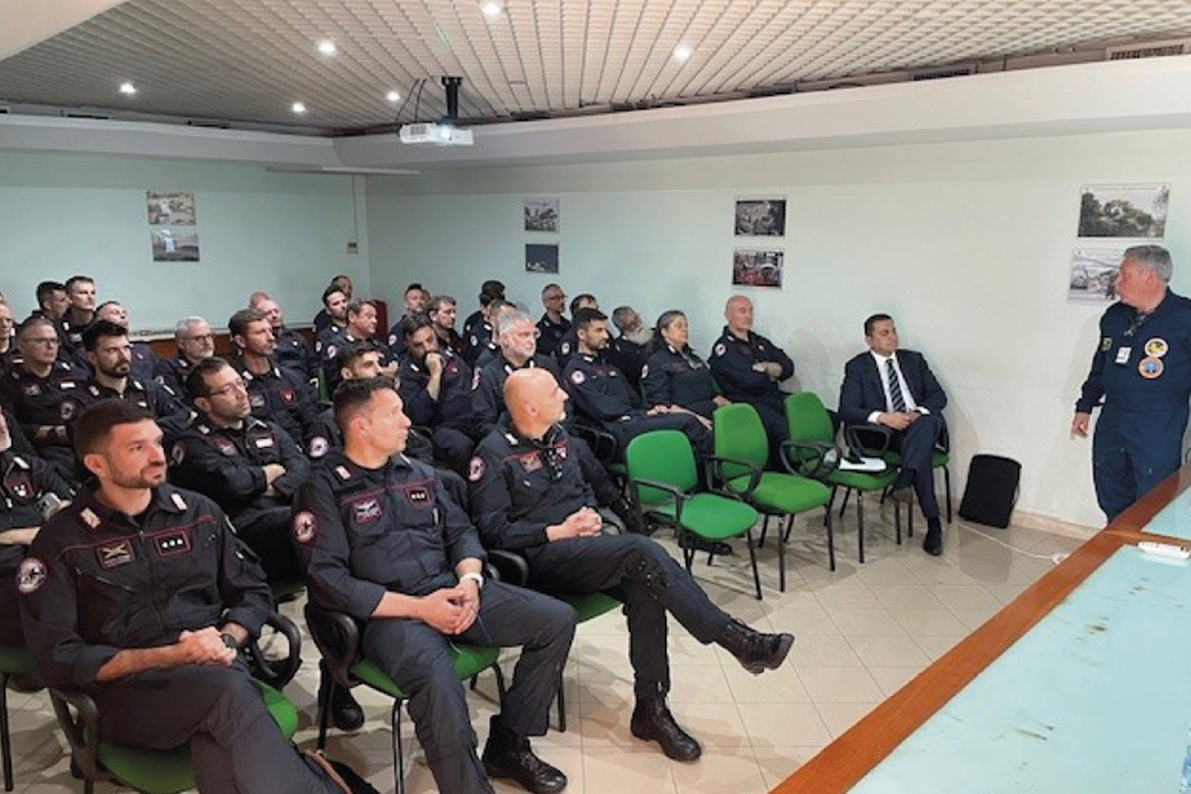
The 1st Flight Safety Workshop on safety in firefighting operations presented the “Lifesaving Rules” for low-altitude VFR flight.
Committing to continuing the dialogue between operators is fundamental for strengthening the culture of Flight Safety.
Ten. Col. Luca Luini

In this section, we report some of the most significant news concerning the world of aviation safety and the work of the Flight Safety Inspectorate and the Higher Institute for Flight Safety.
Editorial Office SV Magazine

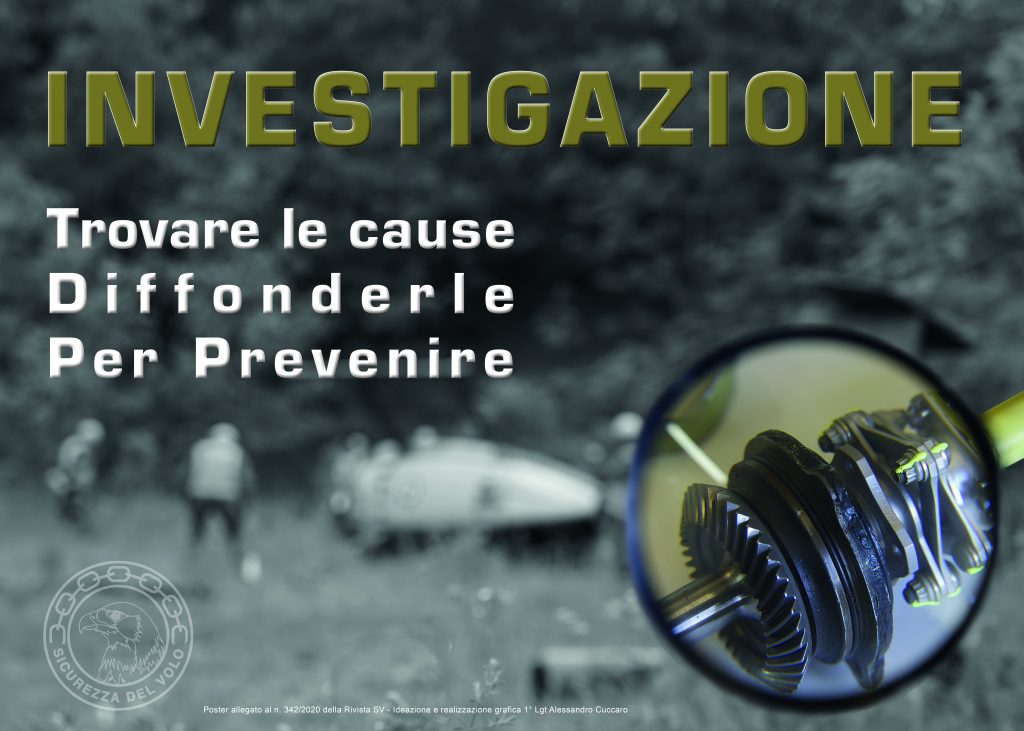
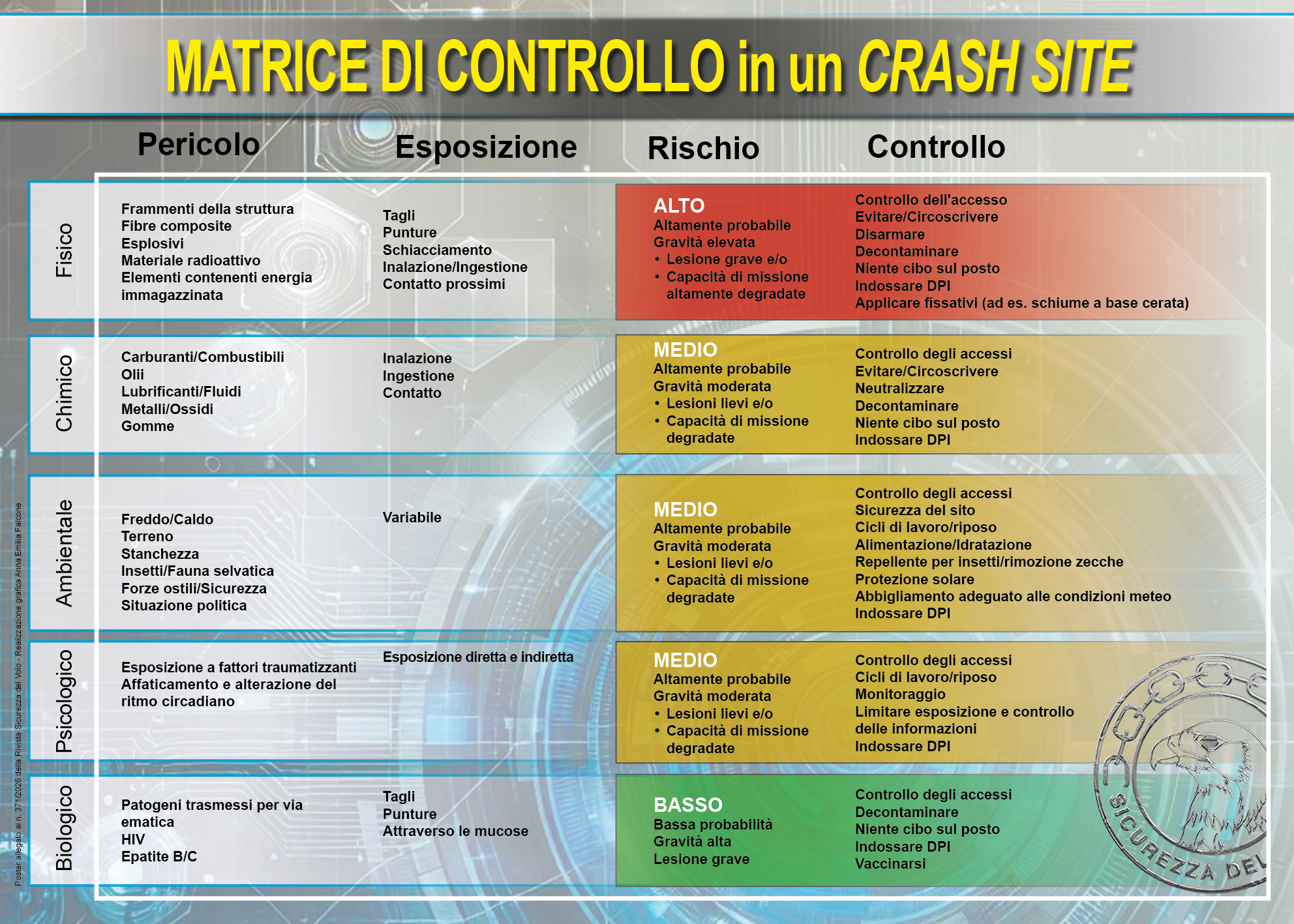
In questa uscita la “Matrice di Controllo in un Crash Site” con la disamina dei pericoli e le relative misure di sicurezza da intraprendere.
This issue of the Journal opens with the editorial a firma del Capo Redattore della Rivista SV Col. Massimo Paradisi.
So, the rest of the Journal is structured into six articles:
il primo riguarda il rischio derivante dalla “get-home-itis” e le strategie di mitigazione;
il secondo riguarda l’efficacia dei Controlli Non Distruttivi nelle investigazioni sugli incidenti di volo;
il terzo riguarda l’impiego strategico dei droni per il rilevamento del FOD, la funzione di “scarecrow” e la mappatura dei crash site;
nel quarto articolo troviamo una rassegna di inconvenienti di volo con breve disamina e raccomandazioni di sicurezza;
il quinto consiste nella consueta rubrica Risk Fighting, contenente segnalazioni di inconvenienti di volo, manutenzione e ATM, senza analisi approfondita;
In the latest article, we find a “Well done!” del 6° Stormo relativo a un’esercitazione congiunta per il recupero di equipaggi a mare.
The number finally concludes with the usual “News from the Editorial Team”.
L’inserto allegato contiene una “Matrice di Controllo per interventi su Crash Site”.
Editorial Director
Gen B.A. Paolo Tarantino
Managing Director
Colonel Gianvito Gerardi (gianvito.gerardi@aeronautica.difesa.it)
Editor-in-chief
Col. Massimo Paradisi (massimo.paradisi@aeronautica.difesa.it)
Editing, Graphic Organisation and Layout
Col. Massimo Paradisi (massimo.paradisi@aeronautica.difesa.it)
First Lieutenant Alessandro Cuccaroalessandro.cuccaro@aeronautica.difesa.it)
Ms Anna Emilia Falcone
WEBSITE
First Lieutenant Alessandro Cuccaro
Headquarters
Viale dell’Università, 4 – 00185 ROME
Tel. 0649866659 – 0649866648
Fax: 0649866857
email rivistasv@aeronautica.difesa.it
REGISTRATION
Tribunale di Roma No. 352 of 05/12/2011

FOR THOSE WHO COLLABORATE
Readers are invited to collaborate with the magazine by submitting articles, letters, and suggestions considered useful for the better dissemination of a correct “S.V.” culture.
The Editorial Board reserves the right to use submitted material, giving it the most appropriate graphic layout and making variations that, without altering the content, can improve its effectiveness for accident prevention purposes. Submitted material, even if not published, will not be returned.
Submissions of articles, preferably accompanied by photographs/illustrations, are welcomed at the following email address: rivistasv@aeronautica.difesa.it.
Alternatively, the material can be sent to the following address:
Flight Safety Magazine – Viale dell’Università 4, 00185 Rome.
The facts, references and conclusions published in this journal represent the opinion of the author only and do not necessarily reflect the views of the Armed Force. The writings are for information and study purposes only: they may not, therefore, be used as evidence for any judgments of liability or provide grounds for legal action. All names, data and locations, if any, mentioned are fictitious and facts are not necessarily real, i.e. they may not represent a faithful reproduction of reality as they have been modified for educational and dissemination purposes. The material published comes from the collaboration of the personnel of the Italian Army, other Armed Forces and State Bodies, private individuals and specialised Italian and foreign publications published with the same intentions as this magazine. What is contained in this publication, even though it often refers to regulations, technical prescriptions etc., must not be considered as a substitute for regulations, orders or directives, but only as a stimulus, advice or suggestion. In the realisation of the audiovisual content associated with this magazine we
has utilised the support of generative Artificial Intelligence tools
e/or voice synthesis technologies, the processing of which has been subjected to
human review.
Reproduction, even partial, of the contents of this magazine is prohibited without prior authorisation to be requested in writing from the Editorial Office. The Armed Forces and member nations of the AFFSC(E), Air Force Flight Safety Committee (Europe), may use the published material without prior authorisation provided the source is cited.
The magazine is distributed exclusively to Bodies and Departments of the Air Force, to the other Armed Forces and State Corps, as well as to Associations and Organisations that institutionally deal with aeronautical issues. The magazine is provided free of charge and no form of subscription is foreseen. Recipients of the magazine are requested to check the accuracy of the addresses, promptly reporting any changes, and to ensure its widest possible distribution among personnel.
Back issues, where available, can be requested from the Editorial Office.