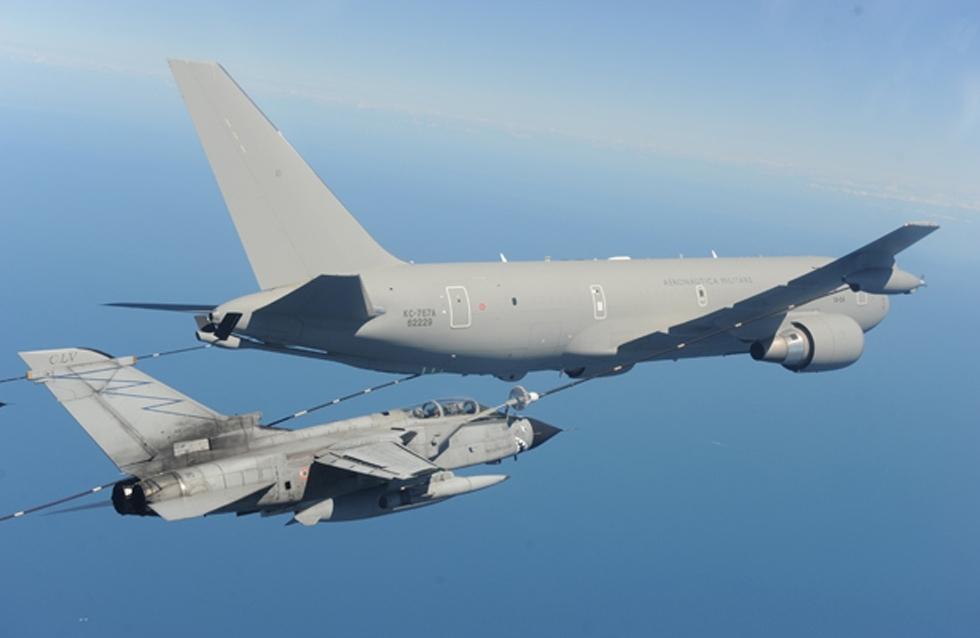
The Italian Air Force departments

Flight Departments

Boeing KC-46 Pegasus
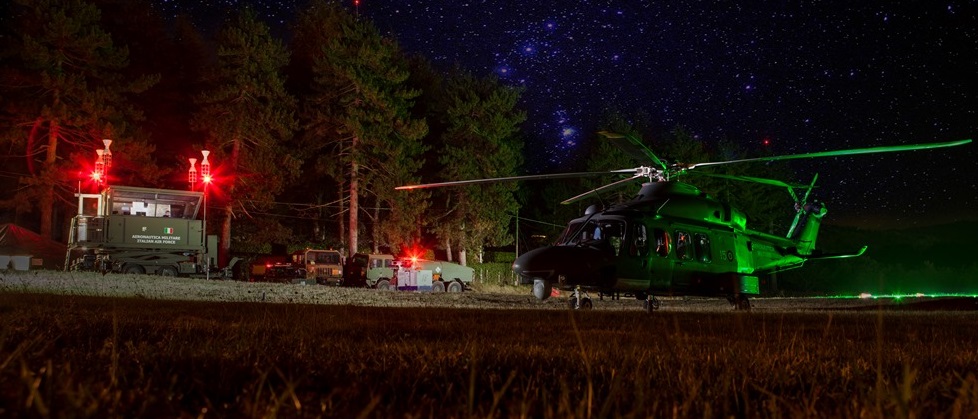
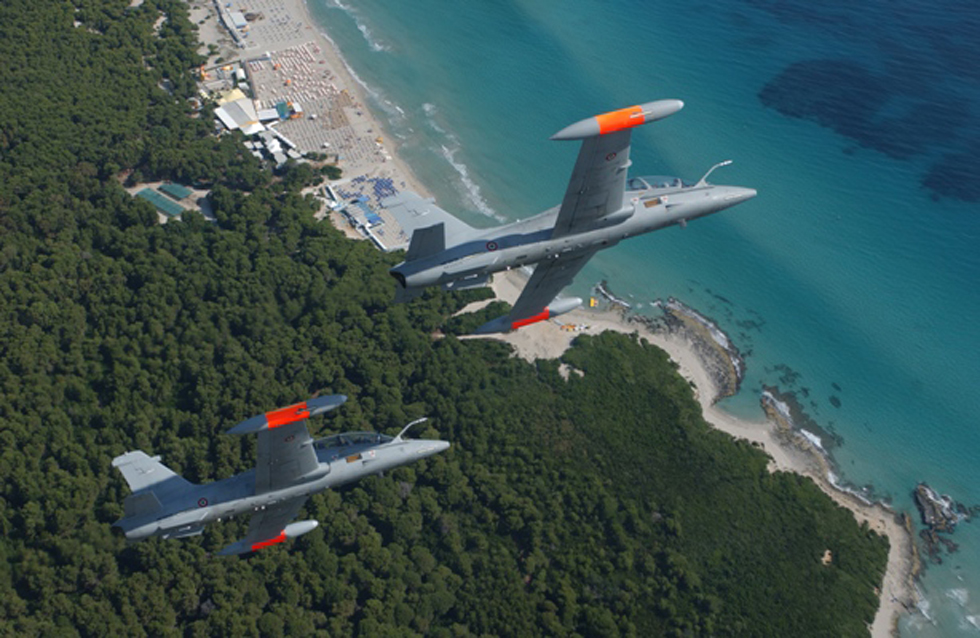
The Wing is the primary operational unit for the Armed Force, organically constituted and endowed with autonomy in the field of deployment, logistics, technical, and administrative matters, such as to allow the fulfilment of the mission assigned to the Air Force.
46th Air Brigade

46th Air Brigade


Mission

The 46th Air Brigade is operational 365 days a year, 24 hours a day, and employs its personnel and aircraft all over the world in multiple institutional activities which include:

  • Aviospace;
  • Personnel and material airlift;
  • Transport of materials, vehicles and equipment;
  • Emergency medical transport;
  • Organ transport for transplantation;
  • Biocontaminated personal transport;
  • Sanitary rubbish bin;
  • Support for medical teams;
  • Urgent Surgery Group Support of Pisa Hospital;
  • Civil Protection Support;
  • Support for the Ministry of the Interior and the Ministry of Foreign Affairs and International Cooperation;
  • Tactical operations;
  • Special operations.

In addition to these main duties, the 46th Air Brigade provides support for the execution of humanitarian missions outside national borders, especially in the event of serious natural disasters or other occurrences that necessitate the provision of aid and assistance to populations suffering significant hardship as a result of these events. 

Equipment

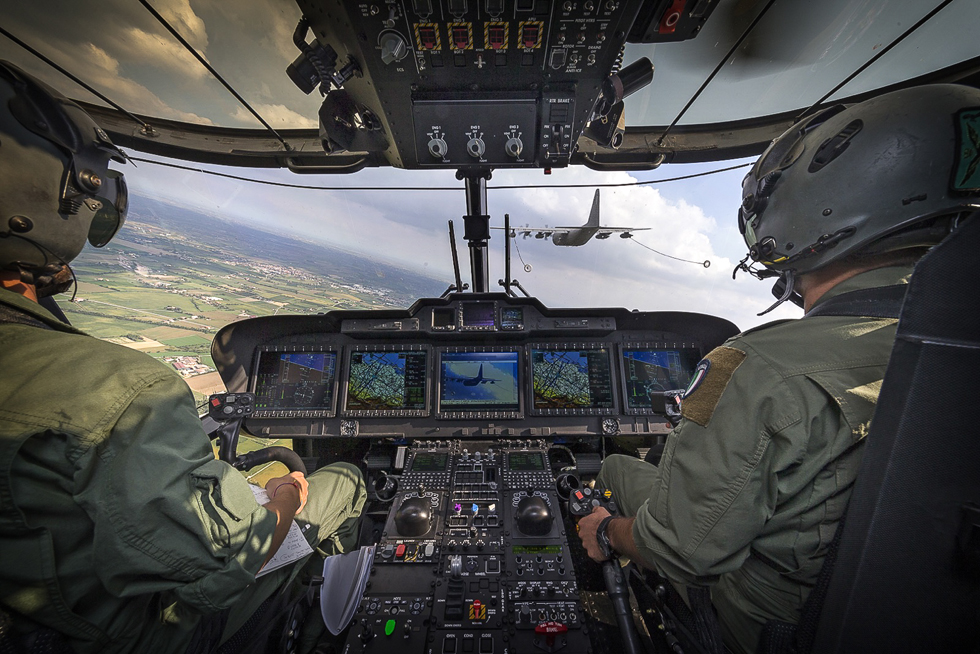
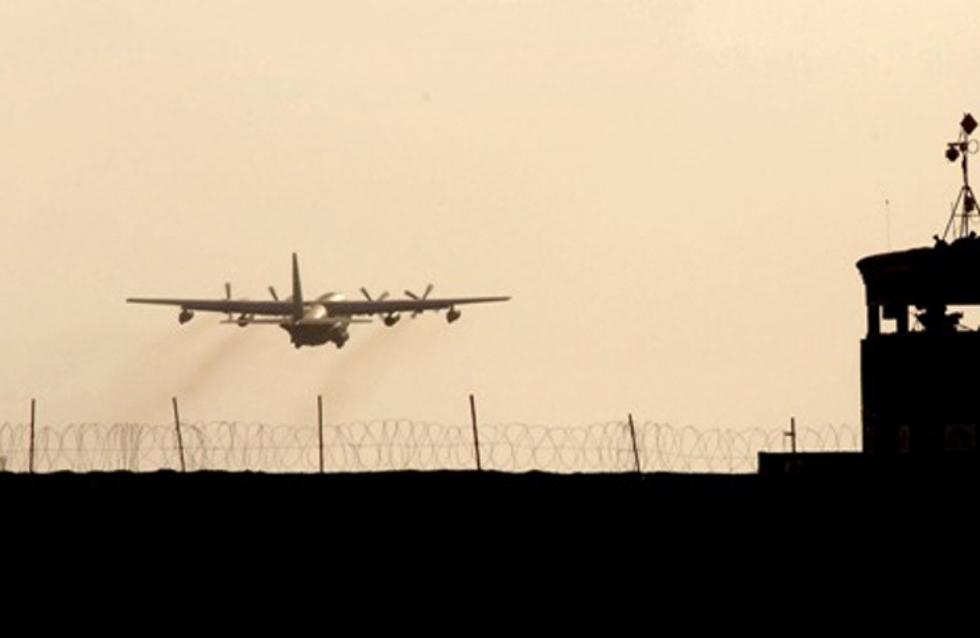
C-27J, YEC-27J and C-130J, C-130J-30

2nd Wing

2nd Wing


Mission 

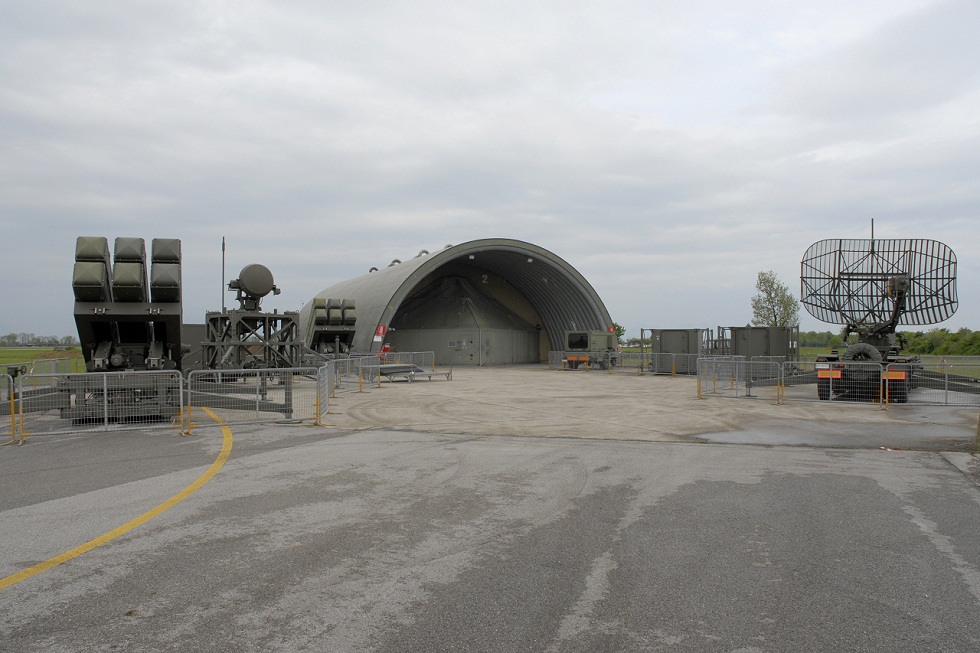
The 2nd Wing is the unit designated by the Armed Force to perform the role of missile reference point for the national air defence system. The Wing therefore oversees the training and operational readiness of the personnel and equipment of the Italian Air Force's “Spada” missile batteries.

Equipment

‘Spada’ missile system. The ‘Spada’ is a missile system for point air defence, i.e. for specific assets such as an airport. The System consists of an Acquisition Centre and 3 or more Fire Sections equipped with ASPIDE missiles which have a maximum range of approximately 10 km. Very effective at low and very low altitudes, the ‘Spada’ is integrated into the National Air Defence system. The ‘Spada’ is a versatile Air Defence system whose mobility has allowed for its effective deployment even outside its usual deployment bases, such as during the first Libyan crisis, the G8 summit in Genoa in 2001, or again during the funeral of Pope John Paul II in 2005. A ‘Spada’ battery from the 2nd Wing was also rapidly deployed to Trapani Birgi airport during the 2011 Libyan crisis, thereby taking part in the “operations“Odyssey Dawn”and“Unified Protector“.

4th Wing
4th Wing

Mission

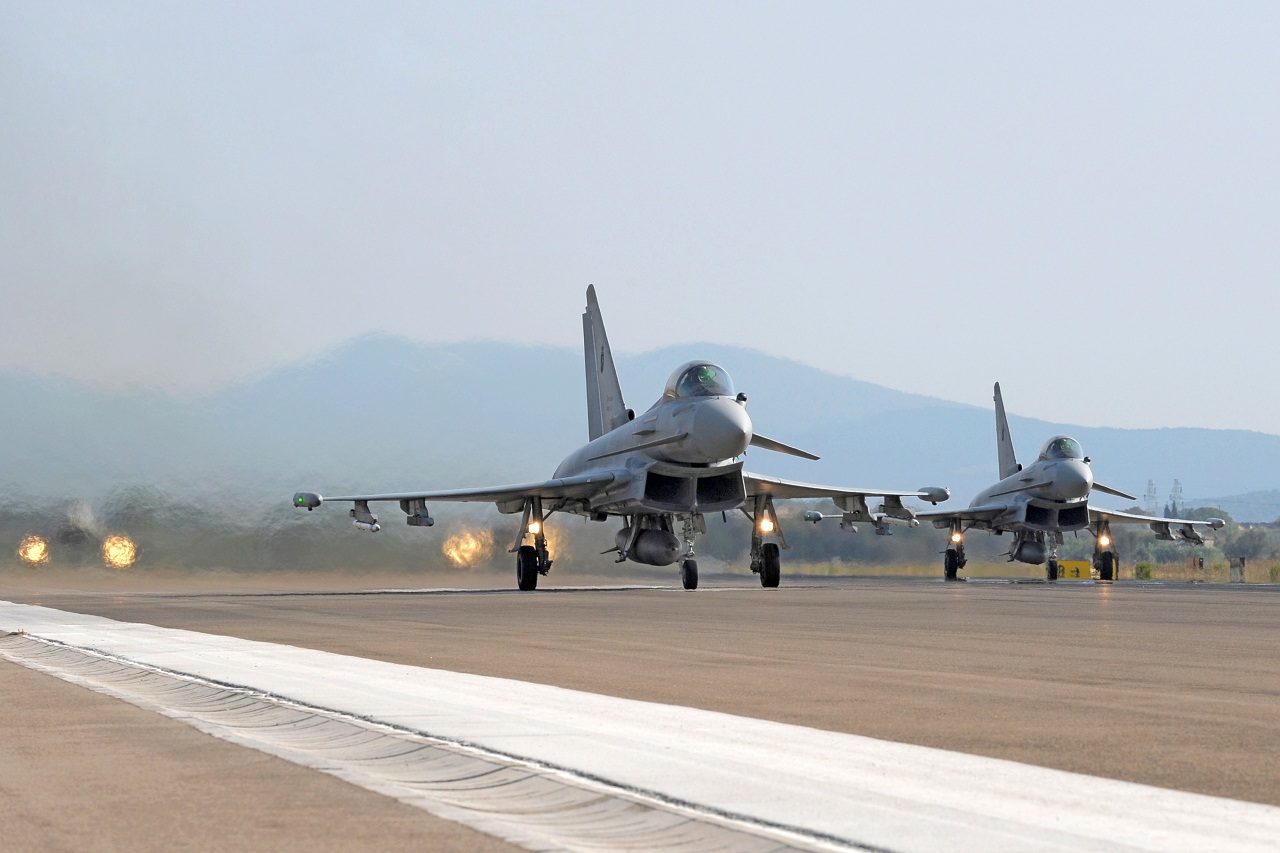
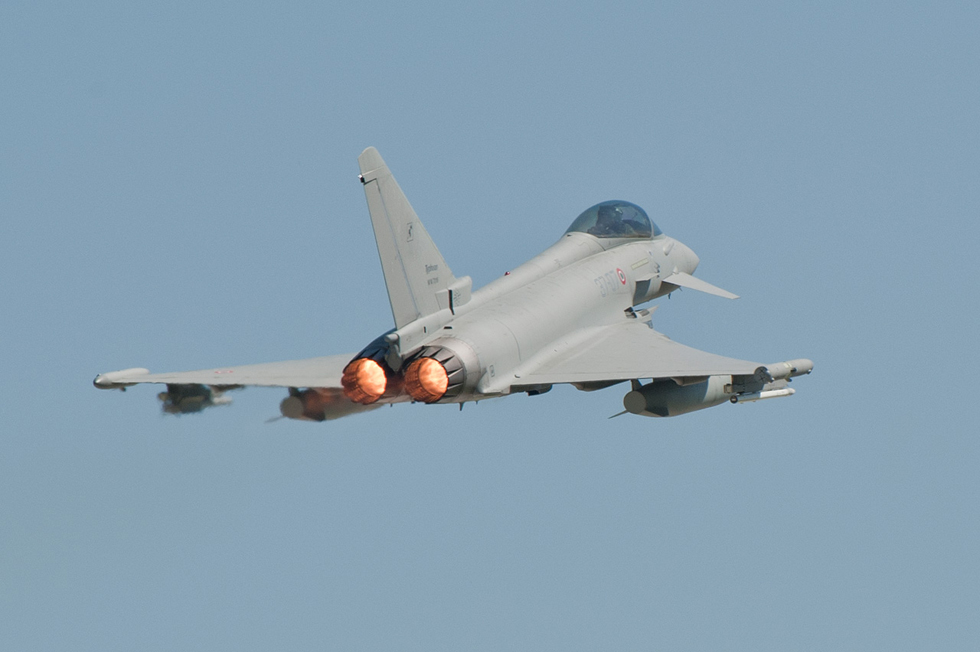
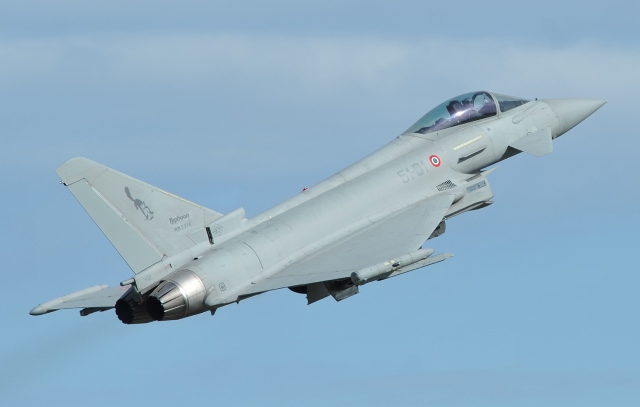
The 4th Wing's institutional task is the control and surveillance of airspace for the defence of our country. Specifically, the Unit is engaged in the Airspace Alert Service, 365 days a year, 24 hours a day, through the deployment of the Eurofighter aircraft and the continuous commitment of the men and women of the Wing. Among the tasks of ‘Air Defence’ is the prevention of terrorist attacks on national territory, conducted with aircraft, including civilian ones (including low-speed aircraft, so-called “Slow movers“, such as gliders or ultralights). Interceptor aircraft can also be used to assist military or civilian aircraft in distress. In most cases, these involve non-military aircraft that have exhibited suspicious behaviour during flight, such as loss of radio contact or unjustified deviations from authorised flight plans. In addition to the valuable contribution the Wing makes to international missions, numerous operational events are organised at Grosseto Air Base with the participation of foreign Armed Forces and national organisations, such as the Civil Protection and the Italian Red Cross, aimed at improving the training of its personnel and preparing them for interventions to help populations in need.

Equipment

F-2000 A; TF-2000A

6th Wing
6th Wing

Tornado

Mission

In times of peace:

  • keep Combat ReadinessCombat readiness of flight crews;
  • arrange deployments in the IRF domainImmediate Reaction Force);
  • Cooperate with civil authorities in the event of natural disasters.

In wartime

  • Conduct attack and reconnaissance operations to defend the assigned area of interest.


Equipment

A-200A; A-200C; TA-200A; TA-200B; EA-200B; EA-200D
14th Wing

14th Wing

Mission 

The 14th Wing is based at the Pratica di Mare Military Airport (Rome). 

Conducts missions in air-to-air refuelling, radio measurements, transport and training with KC-767A aircraft (operational control of which is assigned to the European Air Transport Command in Eindhoven), P.180 Avanti, and in the air space surveillance sector, with the G550 CAEW aircraft. 

Equipment 

KC-767A, P.180, G550 CAEW.

15th Wing

15th Wing

Mission
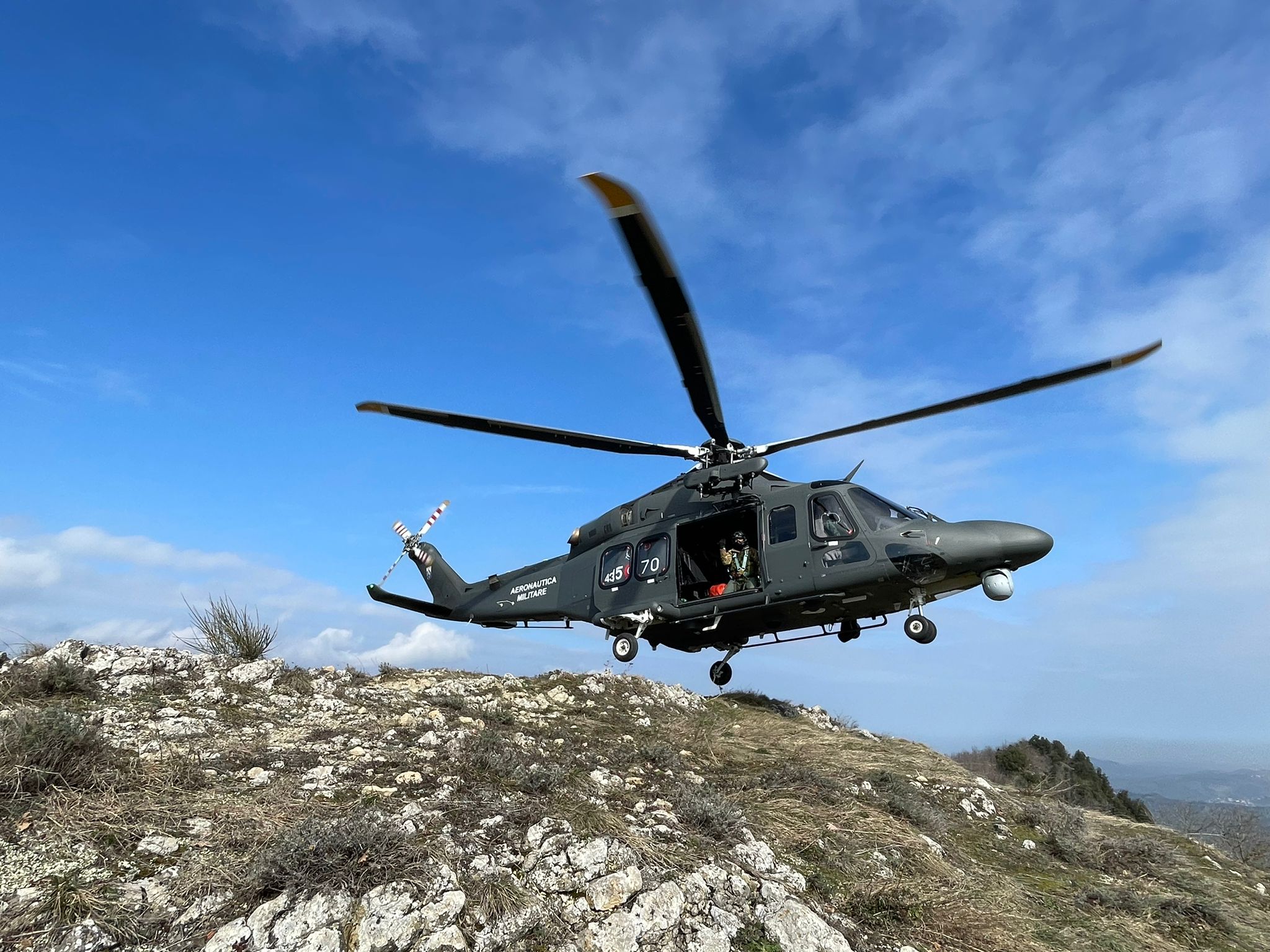
Ensure Search and Rescue ServiceSearch and Rescue) for the recovery of downed military aircraft crews, through autonomous operations or in conjunction with other ground, air, or naval assets. Cooperate in rescue operations for the safeguarding of human life and in Wildfire Fighting (AIB) operations, cooperating with Civil Protection and other State organisations.No text provided. Integration of the National Air Defence device through operations to counter the threat from low and very low performance aircraft (Slow Movers Interceptionand support for the security of sensitive areas and objectives during large public events. No text provided.To provide training and qualification for aircrew to units involved in rescue operations, as well as basic and advanced survival training in maritime and mountain environments.No text provided.No text provided. Equipment HH-139A, HH-139B
31st Wing

31st Wing

Mission ​

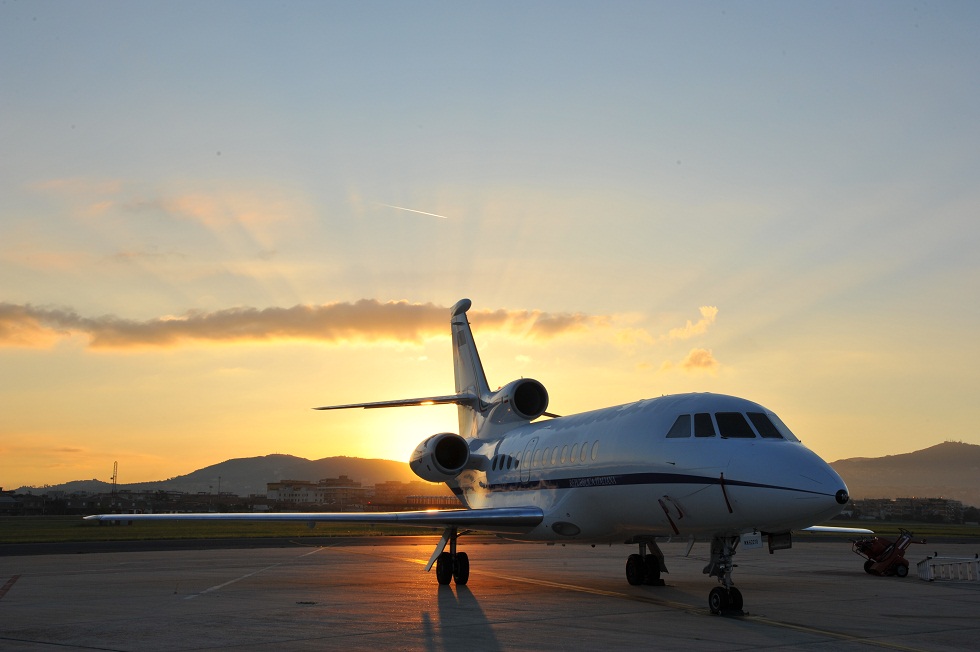
The aircraft of the 31st Wing are used for State transport and public utility missions, such as the urgent medical transport of sick, severely injured individuals and organs for transplantation, as well as for interventions favouring people in situations of risk and humanitarian need. Due to the particular nature of the assigned tasks, the 31st Wing, while remaining under the direct command of the Air Squadra Command, is placed under the operational control of the Air Force Staff, 3rd Department, which exercises it through the situation room, activated 24/7, coordinating all air transport activities for the indicated requirements.

Equipment

UH-139, VH-139A, VC 50A, VC 900A and B, VC 319A.

32nd Wing

32nd Wing

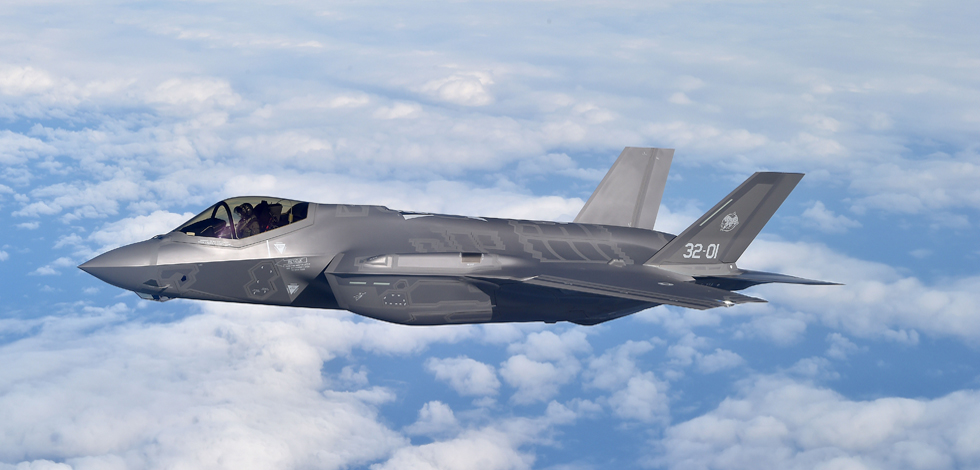
32 Stormo

Mission

To establish efficient and effective operational tools, always capable of fulfilling their assigned tasks both domestically and beyond national borders, within the best possible framework of security and standardisation.

To train exemplary professionals, fostering leadership at all levels, to serve the Fatherland with determination, excellence, and dedication.

Acquire and maintain the innovative 5th generation operational capabilities of the F-35 weapon system.

To develop and promote, within the training and operational context of the Defence, the characteristics of Strategic Awareness and Information Superiority that the S.A. F-35 expresses.

To maintain and enhance the ISTAR operational capability of assigned Remotely Piloted Aircraft, both nationally and in coalition.

To develop and promote the dual capabilities of assigned assets to always be at the service of the community.

Modernise operational and logistics infrastructures according to the principles of functionality, durability and cost-effectiveness.

Equipment

F-35, MQ-1C (“Predator A+”) and MQ-9A (“Predator B”), T-339A/FT-339C.

36th Wing

36th Wing


Mission

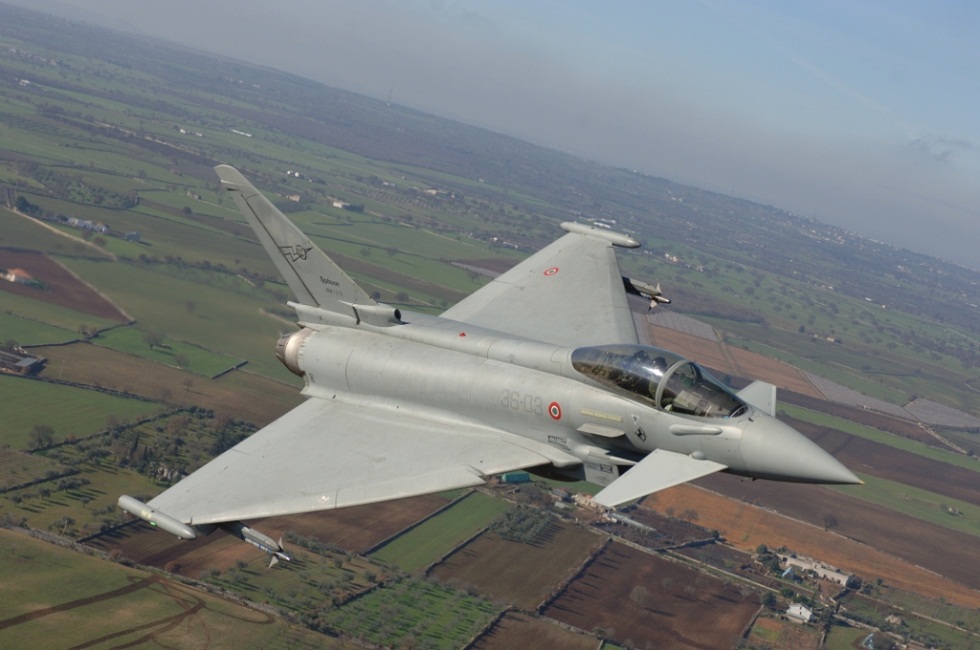
The 36th Fighter Wing, which reports to the Air Squad Command via the Combat Forces Command, is one of the Italian Air Force's air defence wings that ensures the surveillance of national airspace 365 days a year, 24 hours a day, with an integrated defence system, even in peacetime, with that of other NATO member countries. 

The surveillance, identification and control service is guaranteed by the 11th DAMI Group of Poggio Renatico (FE) and the 22nd Radar Group of Licola (NA). Regarding airborne intervention, this is provided by the 4th Wing (GR), the 36th Fighter Wing (BA) and the 37th Wing (TP), all equipped with Eurofighter 2000 Typhoon fighter aircraft. 

Starting in January 2017, the Italian Air Force also activated an F-2000 aircraft cell at the 51st Wing in Istrana (TV) in order to optimise national airspace coverage, with a view to generally reducing response times and promptly countering any threats. 

Furthermore, since March 2018, F-35 aircraft from the 32nd Wing at Amendola (FG) have also been integrated into the air defence system, contributing with specific operational capabilities and cutting-edge technology to the defence of Italian skies. 

The 36th Fighter Wing also provides its support for national and international crisis prevention and management operations, as well as its contribution to Air Policing activities through the deployment of interceptor aircraft, in peacetime, for the purpose of monitoring and preserving the integrity of a specific airspace.

Equipment

Eurofighter Typhoon

37th Wing

37th Wing

Mission

The 37th Wing is one of the Air Force departments that ensures the surveillance and defence of national airspace 365 days a year, 24 hours a day, through a system of radars, aircraft and missile systems, integrated since peacetime with those of other NATO countries. The operational readiness service is carried out by the pilots of the 18th Group with F-2000 aircraft, aircraft ready to take off immediately in any weather conditions in support and backup to the 4th Wing in Grosseto and the 36th Wing in Gioia del Colle. In most cases, the planes intervene to recognise or escort aircraft that do not have the required authorisations to fly over national airspace, or that have lost radio contact with the Air Traffic Control Authorities. This effective surveillance activity is the result of continuous daily training, which is necessary to achieve an ever-increasing level of safety and operational capability, and which the pilots of the 18th Group refine by also participating in the most important international exercises, in order to be able to operate in a multinational context, characterised by high levels of integration. The Wing is structured in a classical manner, with two Staff Offices, a Flight Group, and the remaining Groups that provide technical, logistical and administrative support. The Base also includes the Forward Operative Base (FOB), that NATO component that employs AWACS radar aircraft for integrated airspace surveillance, and the 82nd CSAR (Combat Search and Rescue) Combat Centre, subordinate to the 15th CSAR Wing in Cervia (Ravenna), with search and rescue tasks also in favour of the civilian population. Trapani airport is classified as ’military open to civil air traffic‘, therefore flight assistance services (radio-assistance, air traffic, meteorology) are also provided by the Wing's personnel to civil aircraft, which land and take off from the ’Vincenzo Florio‘ air terminal. 

Equipment 

F-2000 A

41st Wing

41st Wing

MissionI am a large language model, trained by Google.

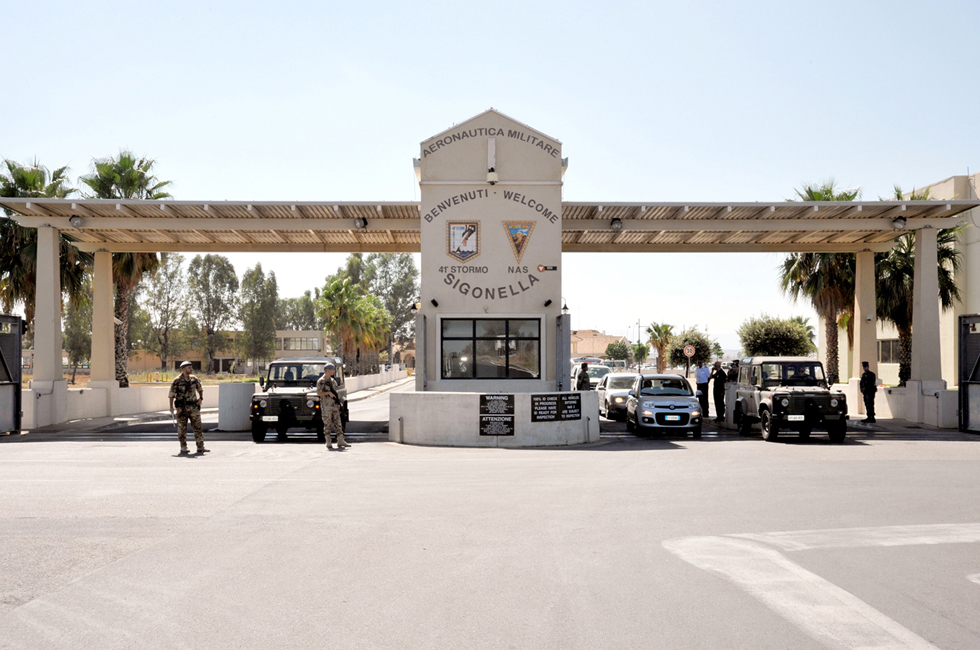
The 41st Anti-Submarine Wing at Sigonella is equipped with “P-72A” aircraft. By achieving and maintaining operational readiness of these aircraft, it guarantees its primary mission, which consists of countering underwater and naval threats and providing long-range maritime search and rescue services, while monitoring potentially hostile naval units to protect main maritime routes. Furthermore, it ensures control of merchant traffic within the scope of international counter-terrorism operations and supports activities aimed at controlling illegal immigration flows from the southern quadrants of the Mediterranean. This guarantees coverage of large sea areas, with the potential localisation of refugees at sea and the alerting of responsible authorities, including Search and Rescue (SAR) intervention in the event of maritime accidents and shipwrecks.

The P-72A, which arrived at the 41st Wing on 25/11/2016, took over the legacy of the “Breguet 1150 Atlantic (P-1150A)” aircraft. This aircraft, unique in being conceived, designed, and employed exclusively for anti-submarine warfare, served the country for over 45 years, from June 27, 1972, to November 22, 2017, spanning from the Cold War to the present day.

Equipment

P72-A

51st Wing

51st Wing

Mission

The main tasks of the Wing can be summarised as follows:

  • Ensuring, from peacetime, the air defence of the national area of interest, contributing to the control of the relative airspace;
  • To support Armed Forces requirements in full joint and inter-agency integration, ensuring Air Defence, Precision Engagement, Reconnaissance and Information Superiority capabilities;
  • Ensure operational training for pilots and standardisation of deployment procedures for the AM-X line until the end of the line's phase-out;

Equipment

A-11B;TA-11A;TA-11B;F-2000A

Experimental Flight Department

Experimental Flight Department

Mission 

The Experimental Flight Department (R.S.V.) is the department of the Italian Air Force responsible for studying and conducting all ground and flight tests of the Armed Force's aircraft, the development of software and hardware modifications for aeronautical weapon systems, as well as the execution of’Operational Test and Evaluation (OT&E) of new weapon systems in a real-world operational context.
 
The Experimental Flight Department is part of the Aeronautical and Space Experimentation Air Division and is tasked with directly supporting the Operational Departments of the Air Force through the experimentation, integration, and validation of new weapon systems or those undergoing modification. In response to the changing geopolitical, social, and economic context, the R.S.V. (Experimental Flight Department) has given significant impetus to activities supporting Operational Departments, through the instrument of operational technical certification which allows for the rapid and autonomous implementation of technological solutions capable of meeting new requirements in hostile theatres. The contribution to the “operation" was significant.“Unified Protector”to adequately update and configure the Tornado, EF2000, AM-X and KC-767A aircraft. This also includes OT&E activities on the EF2000, T-346, C-130J and HH-101 weapon systems and evaluations of remotely piloted aircraft.

The Department's capabilities in avionics software development are unique, particularly for the EF2000 and Tornado aircraft. These capabilities allow, whenever required, the integration of urgent operational requirements with new capabilities for aircraft deployment in operations.

The Department also constitutes a point of reference within the Armed Forces in the field of modelling e Simulation, with a primary role in defence against ballistic missile attacks and in studies supporting new frontiers in the satellite field.

In the field of the threat posed by infrared-guided missiles, research and development is being carried out, both nationally and internationally, for the determination of the infrared signature of aircraft belonging to the Defence Administration and the definition of engagement distances for IR-guided missiles. The Department also works on defining the requirements for onboard self-protection systems, such as the missile warning system, the flare or the latest laser-based DIRCM system.

The R.S.V. also operates for the benefit of other Armed Forces, State Armed Corps and bodies of the General Secretariat of Defence/National Armaments Directorate and maintains constant relations with the aeronautical industry and the academic world.

It has test pilots, engineers, technicians and experimental mechanics, who are trained in the United States, Great Britain and France at the only“Test Pilot School”recognised.

The first two Italian pilots to be qualified to fly the brand-new F-35 aircraft in the USA come from the Department.

Italian astronauts Maurizio Cheli, Roberto Vittori and Luca Parmitano, before being selected by the European Space Agency, became test pilots and served at the Experimental Flight Department.

The equipment is variable depending on the experimental and testing activities required by the Higher Authorities and may include different types of aircraft, both fixed-wing (jet and conventional) and rotary-wing.

Support Departments

Reparti di supporto

Support departments are all those bodies through which the Chief of Staff exercises responsibilities in general logistics and, in particular, in readiness. They ensure the efficiency and technical and logistical support of weapon systems, equipment, vehicles, infrastructure, and assets and services provided to the Armed Force, as well as healthcare for Air Force personnel in collaboration with other departmental and joint-force bodies.

3rd Wing

3rd Wing

MissIone

The 3rd Wing is based at Villafranca di Verona airport and acts as an “initial strategic facilitator” for the Italian Air Force's logistical projection capabilities. This means being able to project Operational Support and general Logistic Support in Italy and abroad, both in the earliest phases of deployment, and during the preparation and consolidation of support. Furthermore, it is responsible for the development of procedures, methodologies, and suitable equipment to optimise and rationalise the activities of its subordinate units during field deployments, ensuring the maintenance of issued equipment and tools. 

The Wing represents the main operational support unit for deployment in the “expeditionary” at:

– Deployment Team for the field setup until IOC is reachedEnabling Party);

– Re-deployment Team for the completion of the forward contract operationFarewell Party).

In this context, it ensures, either fully autonomously or with the support of other units, the necessary logistical and operational arrangements to provide: Base Servicing Combat Service Support (CSS) components, CIS, Field Engineering (ENG), Airport Transit Management (AOU/ATOC/CATO), Runway Operations (RWY OPS and Cross Servicing), Fire Fighting (CFR), Medical Support (MED), Flight Assistance, Air Traffic Control and Meteorology (ATC/MET), Field Refuelling (POL/OX), Force Protection and CBRN Defence (FP-C2, CD and COLPRO), and Wing Operations Centre (WOC)., National Support Element (NSE). It is also responsible for the administrative and accounting management of activities related to national and international operations, with particular reference to the acquisition of goods and services to be used off-site and cash flow for the needs of deployed units. Within the national sphere, the Wing is currently also designated as an Embarkation and Disembarkation Airport (APOD and APOE) primarily for materials destined for overseas theatres, consequently providing ATOC activities.Air Terminal Operations Centre) for military aircraft and “Wide-body”commercial vehicles leased by the Ministry of Defence. Through the Overseas Personnel Training Centre, it provides indoctrination for all Italian Air Force personnel scheduled for deployment outside national borders. Finally, the Wing continues to provide aerodrome services (Control Tower and Flight Information Office).

Training Departments

Training departments are those bodies through which the Commander of the Schools exercises his responsibilities in relation to the basic training and qualification of Air Force military personnel belonging to all categories, as well as the selection, recruitment and flight training aimed at obtaining the “military pilot” brevet.

60° Wing

60° Wing

60 stormo logo


Mission

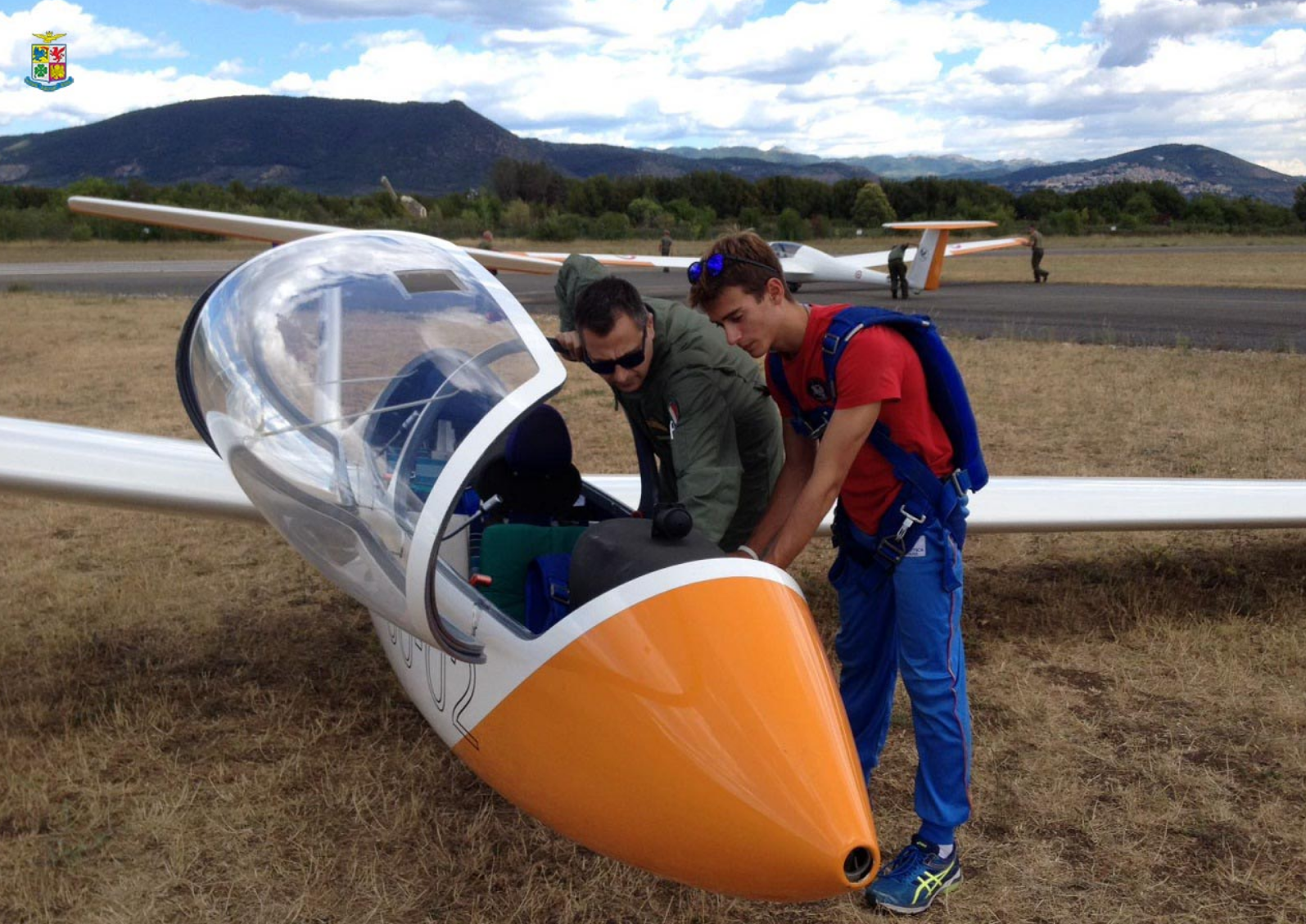
The 60th Wing is the only unit in the Armed Force equipped with gliders.

The Aeronautical Culture Courses are part of the informative and guidance activities aimed at spreading aeronautical culture among the country's young people, prepared by the Air Force Staff in agreement with the Ministry of Public Education. These courses are aimed at secondary school students nationwide and are divided into a ground instruction part on the basic principles of flight and a practical flight part carried out on Siai S.208/M aircraft.

The Gliding Conversion Course is one of the steps in the new training process for obtaining a Military Pilot Licence for pilot cadets from the Air Force Academy and other Armed Forces and State Armed Corps. Indeed, with the introduction of the new Aermacchi SF 260EA trainer into service and with the ever-increasing need to contain costs as much as possible, the Italian Air Force has developed the new training process based on the concept of “downloading”, i.e., “offloading” some flight activities from more expensive aircraft (e.g. MB 339A/CD) to less expensive aircraft (SF 260 and Gliders).

Flight activities for the Cadets of the “Giulio Douhet” Military School in Florence are carried out in accordance with civil programmes, enabling attendees to acquire the necessary “know how” for obtaining a glider pilot's licence. Gliding courses for Air Force aircrew, held throughout the year, include increasing levels of instruction and aim to foster a gliding culture within the Armed Forces.

Flying activities for other requirements are carried out with T 339A/FT 339C jet aircraft, U 208A propeller aircraft and TH 500B helicopters. All Centre pilots are qualified on all flight lines, and instructors on gliders and U 208As.

Gliding activities are carried out with Grob Twin Astir gliders (two-seater training gliders), Nimbus 4D and Nimbus 4DM (two-seater gliders for “open” class soaring competitions, one of which is motorised) and LAK 17A (single-seater gliders for “15/18 metre” class soaring competitions).

Equipment

U 208/A, Grob Twin Astir, Nimbus 4D and 4M, LAK 17A, T339 A/FT339 C, TH 500B

61st Wing

61st Wing

Logo 61° Stormo

Mission

To provide training for pilot trainees and aircrew of the Air Force and allied/partner countries (in all flight phases according to the requirements of each country), in compliance with bilateral/multinational agreements decreed by Higher Authorities, for the purposes of:

– on obtaining the Military Pilot's Licence (BPM or “Crowned Eagle”);
– of training for the pre-operational phase.

To provide, with its own instructor pilots, in conjunction with designated civilian instructors and using the resources made available by Leonardo S.p.A., the “Phase IV” training within the framework of co-operation known as the International Flying Training School (IFTS), as defined by the A.M.-Leonardo agreements.
To contribute with one's own assets to the operational activities of the Armed Force as required.
More specifically, the Wing's primary mission is to provide flight training on phase II, III, and IV jet aircraft.
The Phase II, required for all student pilots, is aimed at identifying the roles for which they will be employed in the continuation of their aviation careers (fighter, remotely piloted aircraft systems (RPAS), helicopters, transport), and is carried out by the 214th Flying Group on the T-339A aircraft.
The Phase III, aimed exclusively at student pilots selected for the “Fighter” streams, concludes with the attainment of the Military Pilot's Licence and is carried out by the 213th Flying Group on the FT-339C aircraft.
The Phase IV – finally – this preliminary training for subsequent employment on fighter aircraft is also called Lead In to Fighter Training (LIFT) and is carried out on the T-346A aircraft by the 212nd Flying Group/IFTS at the Decimomannu base.

Equipment

FT339C, T339A, T346-A

70th Wing

70th Wing

Mission

The Wing is stationed at the military airport “Enrico Comani” in Latina and its primary task is to select and complete the initial and basic training of future pilots of the Air Force, of the other Armed Forces and generally of the Armed Corps of the State, including foreign attendees in the courses of the Air Force Academy and/or in specific bilateral agreements with foreign nations.

– Inline selection:
During the competitive phase for admission to flying roles, the assessment of flying aptitude and obtaining the Airplane Pilot's Licence (BPA) on the SF-260EA aircraft are mandatory stages. Upon successful completion of the piloting course, aspiring pilots can indeed proudly wear the airplane pilot's eagle and thus gain access to the first year of the Air Force Academy.
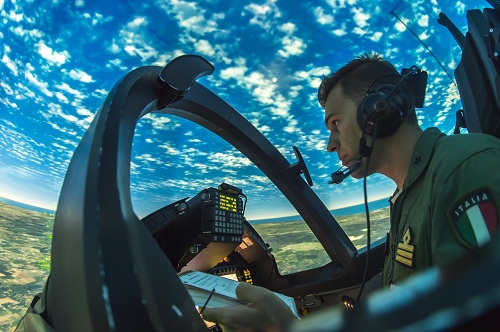
During their time with the squadron, the pilot student undergoes a flight training programme – a syllabus – which includes a theoretical “ground school” phase, where they learn and assimilate notions of basic subjects (aircraft systems, meteorology, air traffic control, aeronautical medicine, English radio phraseology, and flight procedures), and a practical “flying training” phase of in-flight training.

– Flight Training, “Maintaining Airmanship”:
The training programme establishes the training path to be followed by student pilots on the Normal Courses of the Air Force during their stay at the Academy, in order to maintain a sufficient level of familiarity with preparatory flying for subsequent phases.
At the end of the first phase, all pilots are sent to national and international flight schools to carry out the second phase to obtain the Military Pilot Licence (MPL Phase 2).
Subsequently, they will attend training courses at the various Air Force flying schools, which will be differentiated according to the flight line (jet aircraft, helicopters, multi-engine, Remotely Piloted Aircraft) to which the pilots will be assigned.
At the 70th Wing, flight training courses are also conducted for Flight Instructors for Military Pilot Officers assigned to the Wing, as well as courses for qualification and currency on aircraft in use by the Wing.

Equipment

T.260B

72nd Wing

72nd Wing


Equipment 

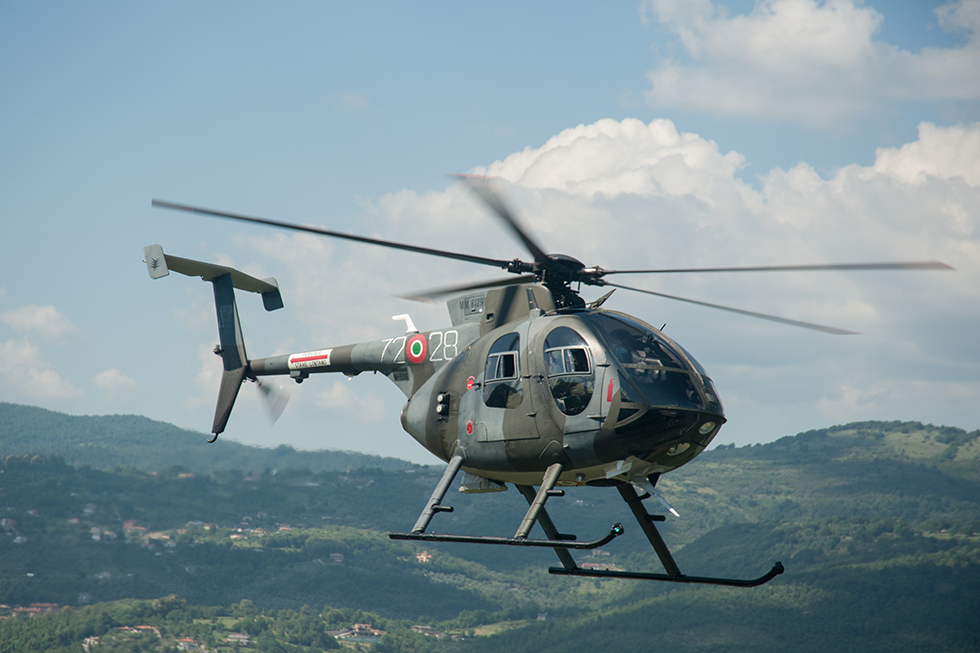
TH-500B; UH-139

Air Transport Training School

Air Transport Training School


Mission

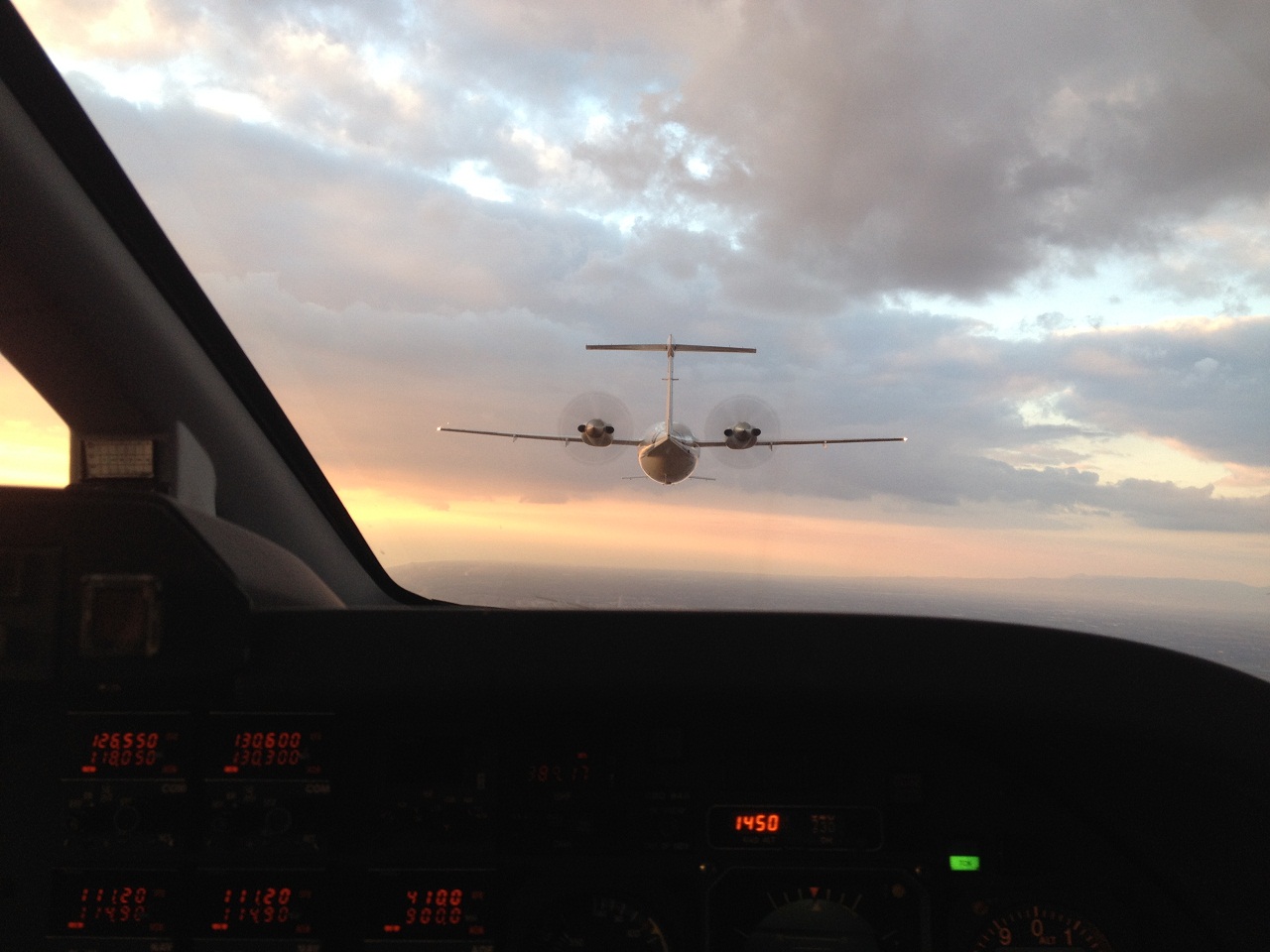
The School provides for’Advanced training of the Italian Air Force personnel destined for the lines Combat Service Support. Furthermore, it trains pilots from the other Armed Forces and State Armed Corps, both Italian and foreign, according to the most modern international dictates of the “Multi-Crew”for fixed-wing aircraft.

Equipment 

Piaggio P.180 “Avanti”

R.S.S.T.A.

Experimental and Standardization Department of Aerial Gunnery

 
Air Force Selection Centre.

Air Force Selection Centre.


Mission

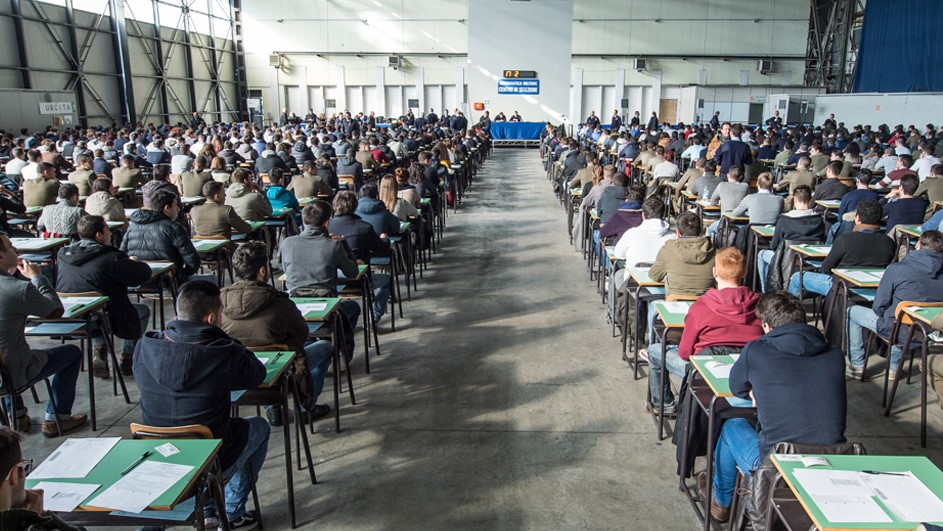
The Air Force Selection Centre is the body responsible for selecting candidates for entry into the Air Force.
It operates on the grounds of the Alfredo Barbieri Airport in Guidonia (Rome).
The Centre is activated for every type of Air Force competition, and being organised to manage large numbers of candidates, it also provides logistical support for competitions of other Armed Forces.

School of Aerial Cooperation

School of Air Cooperation - NATO Accredited Institute


Mission

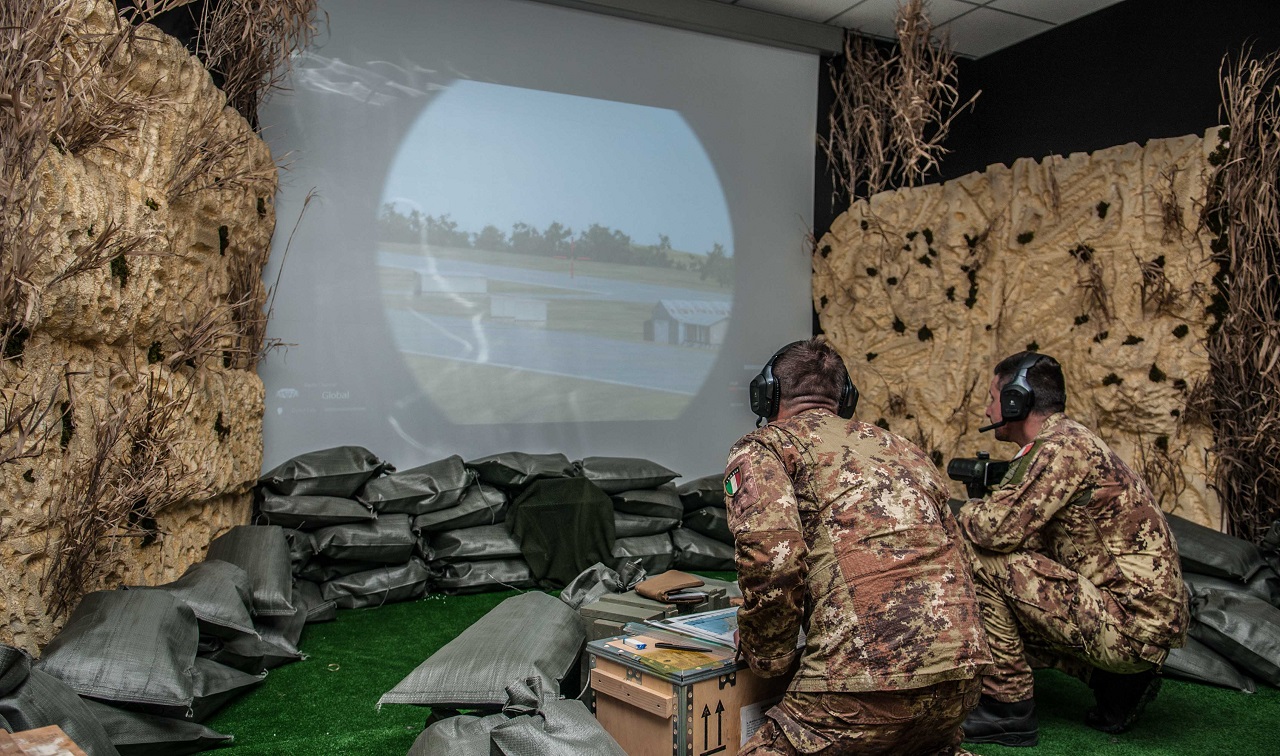
To provide excellent training for national and international personnel in the fields of Remote Sensing and Aerocooperation, through a highly professional staff and the use of cutting-edge technologies.

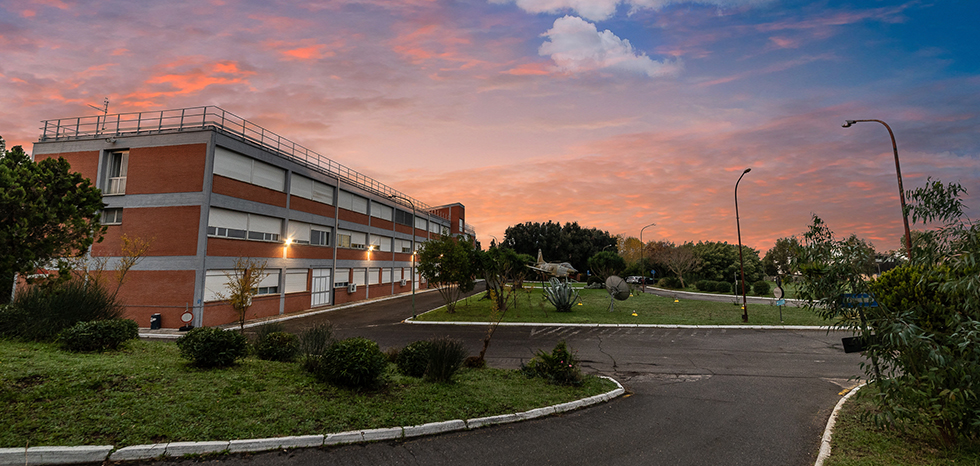
In addition to its institutional duties, the School, located on the site of the “A. Barbieri” military airport in Guidonia, carries out support activities within the framework of civil and military cooperation, through courses in the field of aerophotographic interpretation, for officials of the Ministry of Public Education, in order to impart the technical principles necessary for archaeological photointerpretation.

Airspace Control Training Department

Airspace Control Training Department

Mission

The mission assigned to the Airspace Training and Control Department (RACSA) is to ensure the training of personnel employed in the sectors of Air Traffic, Air Defence, and Meteorology, in relation to the operational requirements of air assets, by conducting specialisation and qualification courses, as well as study activities aimed at professional improvement and higher standardisation.

Training activities are carried out through numerous courses, for both national and foreign personnel. The continuous evolution of air traffic management strategies, followed by the introduction of modern operating systems within the Armed Force, as well as the adoption of new weapon systems in the Command and Control and surveillance area, have required increasing professional and highly specialised preparation of Airspace Control Operational personnel, guaranteed by RACSA through the constant updating of training methodologies, innovative and technical teaching methods, as well as in simulation scenarios.

It is based at Pratica di Mare Airport (Rome).

Composite projection unit

unita composita di proiezione

The changing international landscape and recent operational deployments have highlighted the need for dedicated forces for special operations.

The unification of the various components under a single command (1st Air Special Operations Brigade) guarantees supervision of training and coordination with the Special Operations Command (COFS).
9th Wing

9th Wing

Mission
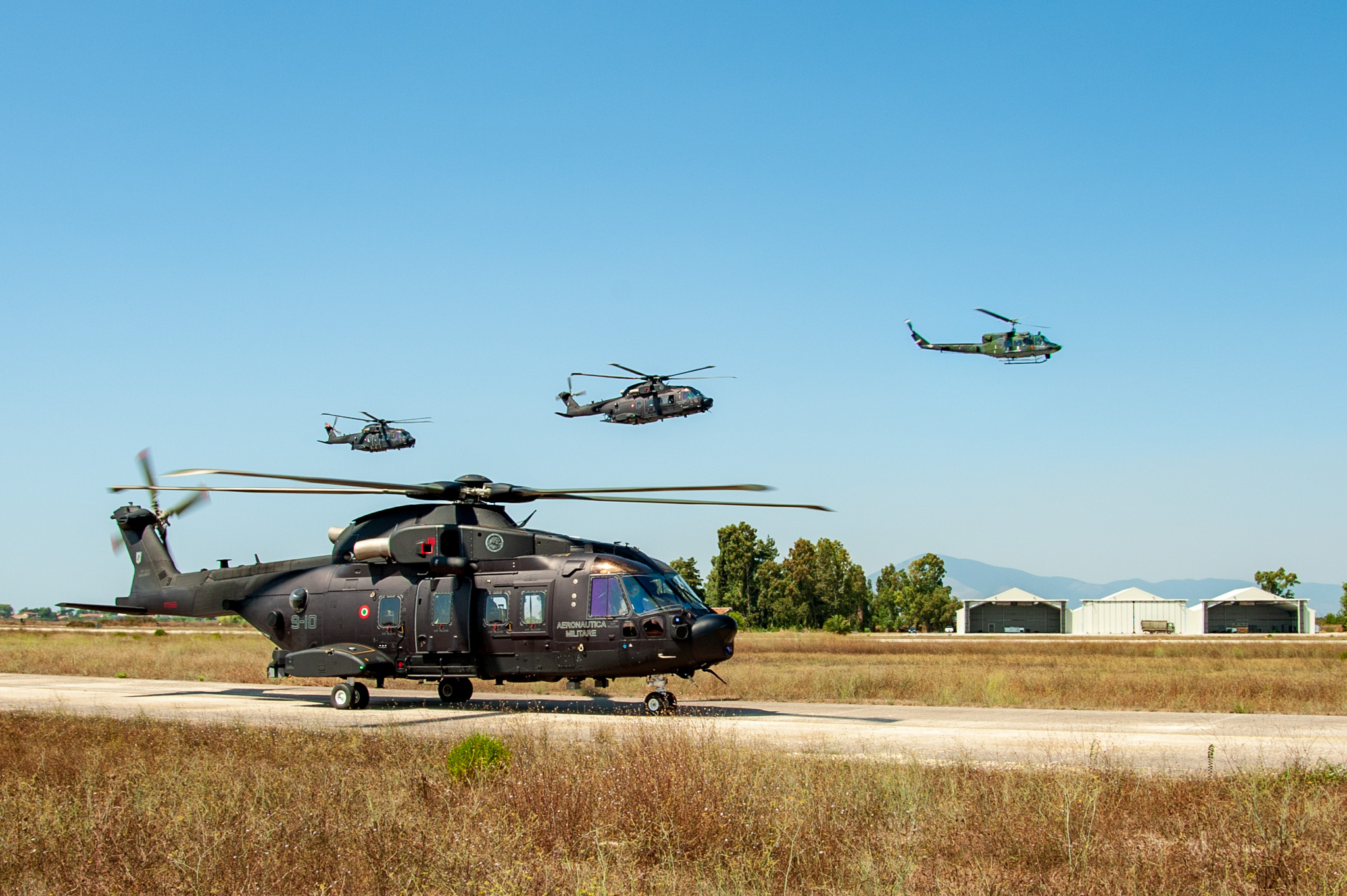
The 9th Wing, named after “Francesco Baracca”, with its HH-212 and HH-101A helicopters employed by the 21st Flying Group “Tiger“, carries out air support for special operations and Personnel Recovery both in Italy and in international missions, it provides aerial support to surface forces and guarantees, in the event of casualties, emergency medical evacuation activities.
With the Air Rifles, the Department contributes to the security arrangements of overseas military deployments, peacekeeping operations, and humanitarian relief, as well as to the implementation of protection measures in the national territory for major events or public order maintenance.
Furthermore, the Wing ensures the function of “Host Nation Support”in favour of the 2nd NATO“Signal Battalion“– which is tasked with operating as a mobile telecommunications operational centre (CIS – Communication and Information Systems – Communication and information systems within the NATO military sphere of the Atlantic Alliance, and ensures the availability of the semi-prepared runway, parallel to the main one, to support the training activities of the Air Force, as well as authorised foreign Armed Forces.
Since 2016, what additional task ensures support for the flight activities of Air Force Academy pilot cadets, carried out on gliders using two grass runways called “Launchpad”and by means of a winch system called“Skylunch“.

Equipment
HH.212 AMI-SAR, HH.212-ICO, HH.101A.
16th Wing

16th Wing


Mission

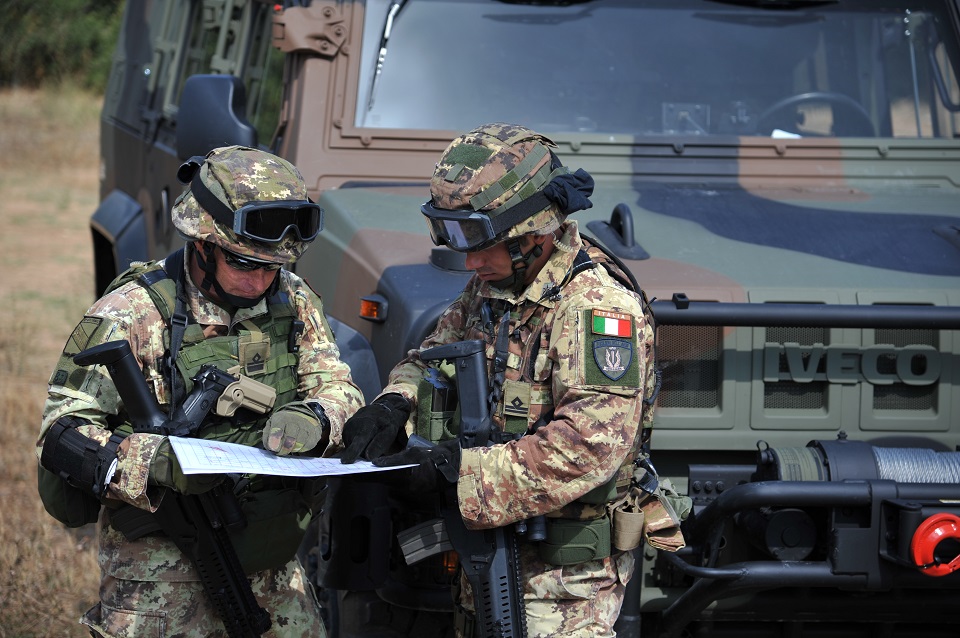
The 16th “Force Protection” Wing was established to offer protection to military installations both nationally and internationally. The type of mission normally assigned to the FCA (Air Fusiliers) component includes contributing to the security arrangements of military deployments abroad, for peacekeeping and humanitarian aid operations, as well as implementing, nationally, protection measures for major events or for maintaining public order. 

17th Attack Wing

17th Attack Wing


Mission 

The 17th Raiders Wing of the Italian Air Force is engaged in all those activities that characterise the Italian Special Forces, maintaining its nature as a strategic force multiplier tool of national Air Power in a significantly changed international operational context characterised by an “asymmetrical” threat. This environment requires highly specialised and trained personnel capable of responding promptly to the most diverse operational needs. The 17th Raiders Wing fits in as a niche of excellence for the “Transformation of the Air Force”, as it is suitable and ready to act in complex operational contexts in close contact with allies, partners, coalition members and non-governmental organisations. 

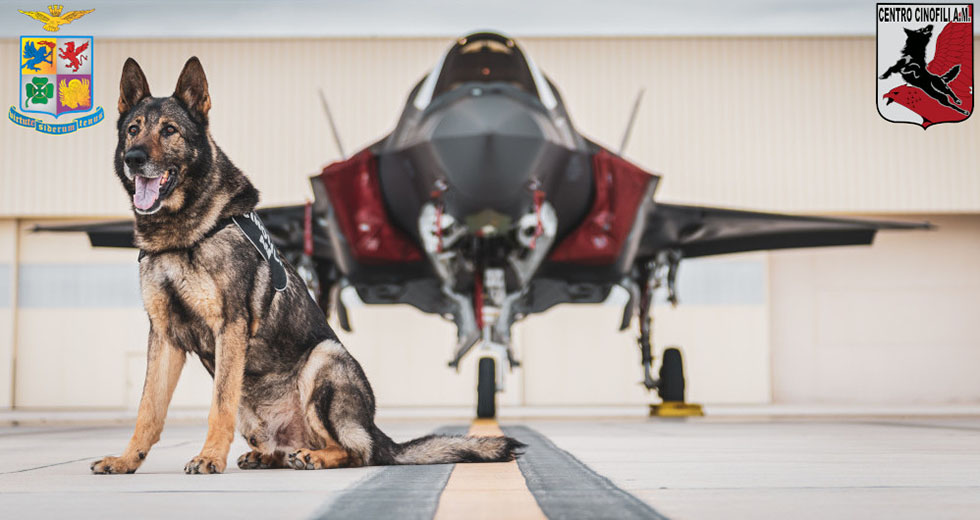
Canine Centre A.M.

Canine Centre A.M.

Mission

The Italian Air Force's Canine Centre acts as the Armed Force's “centre of excellence” for all matters relating to military canine operations. The Centre makes its operational canine units available for deployment in OFCN (Operations Outside National Borders)
(National) and/or for national territorial needs. It is responsible for the training of personnel and dogs, and in particular for the organisation and management of courses for Italian Air Force Canine Operators, the development of technical and operational regulations, the selection of personnel to attend specialisation courses, the purchase of dogs, as well as the evaluation and certification of the operational capabilities of all canine units of the Armed Force. The Centre also:

  • undertake study and experimentation activities for the continuous updating of teaching/training programmes and of techniques/tactics for the deployment of canine units, both within national territory and within the context of OFCN (International Defence Cooperation Network);
  • It coordinates national/international activities involving the deployment of Operational Department canine units. 


Adopt a “blue dog”
The Italian Air Force offers the possibility of adopting free of charge dogs not suitable for military service or retired due to age limits. Normally, priority for adoption is given to dog handlers who have worked with the dogs during their active service, but if they are unable to ensure the same standard of living the dogs are accustomed to, the animals are made available for adoption by third parties (military and civilian) willing to welcome them into their families.
Updates and information regarding dogs available for adoption can be requested directly from the Air Force Canine Centre by sending an email to aerocinofili@am.difesa.it.

Air Force Special Operations Command.

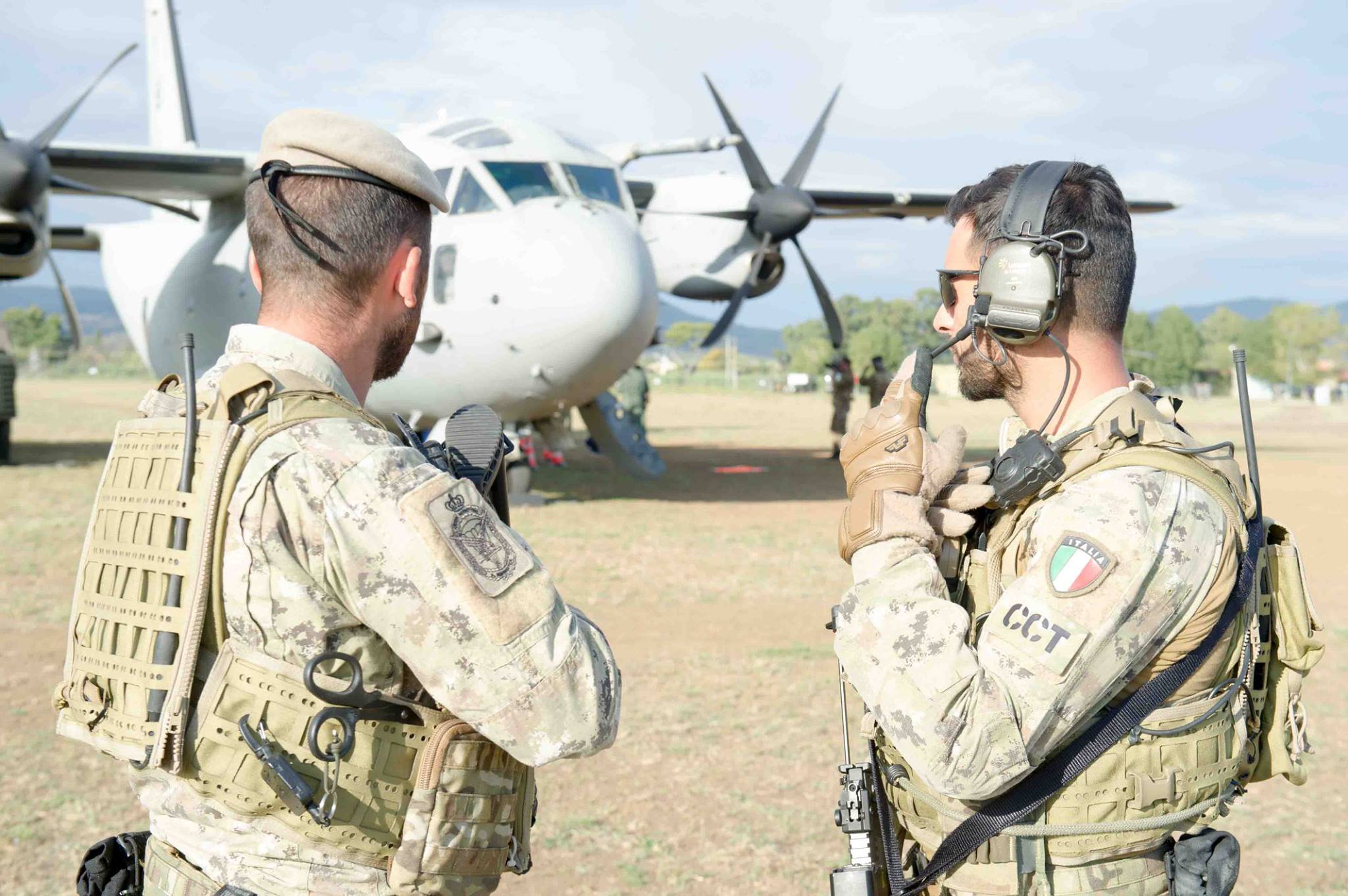
The Special Operations Branch of the Italian Air Force (ComOS - AM)

Staff Officers, Non-Commissioned Officers, Enlisted Ranks and Volunteers aspiring to join ComOS – AM can acquire the qualification of “Special Operations Tactical Support Operator” (STOS) or the “Incursor” (Commando/Ranger) brevet, at the end of a specific selection and training process lasting approximately 10 and 14 months respectively, after which they are taken on strength by the 17th Incursori Wing.

The STOS Operators, Special Operations Forces (SOF) highly specialised in advanced tactical first aid, i.e. “Pararescue Jumper”(PJ), are able to operate in any environment and in any operational context, even in the presence of a high threat of a hybrid and/or asymmetric nature. The STOS Operator qualification is acquired after successfully completing the AM Special Forces (FOS-AM) course. All STOS who have successfully completed the FOS-AM course and are placed high in the merit ranking, may continue their specialisation process by accessing the BI-AM course for the subsequent acquisition of the Italian Air Force Commando qualification.

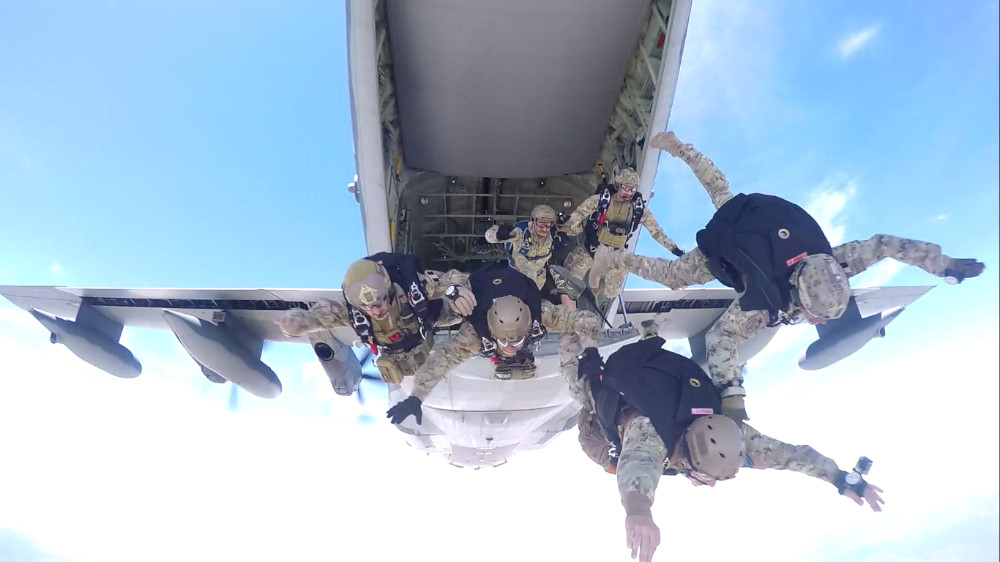
The “Incursori” are Special Forces Operators with the ability to move and fight in all operational scenarios, from high mountains to underwater and amphibious environments, by means of high-altitude airdrops or through the infiltration of small units, using special equipment and unconventional procedures. They are particularly trained to operate in contexts characterized by high operational autonomy, at a great distance from friendly lines, with particular specialisation in Counter-Terrorism missions. 

DAM and OAT Departments

Reparti - Aeronautica Militare

The Aerospace Control Brigade (BCA) is the entity that encompasses the Armed Force's entire suite of capabilities for Integrated Air and Missile Defence (IAMD) and Operational Air Traffic (OAT).

Its objective is to direct and harmonise the Armed Force's overall activities for the performance of its primary task of Air Defence and the orderly and coordinated use of National Airspace by Operational Air Traffic. In carrying out its Service Provider function, it contributes to making the Aerospace Operations Command, as the Air Component Command, the Armed Force's point of reference for the use and development of Aerospace power.

DAMI

Integrated Air and Missile Defence Command

Mission 
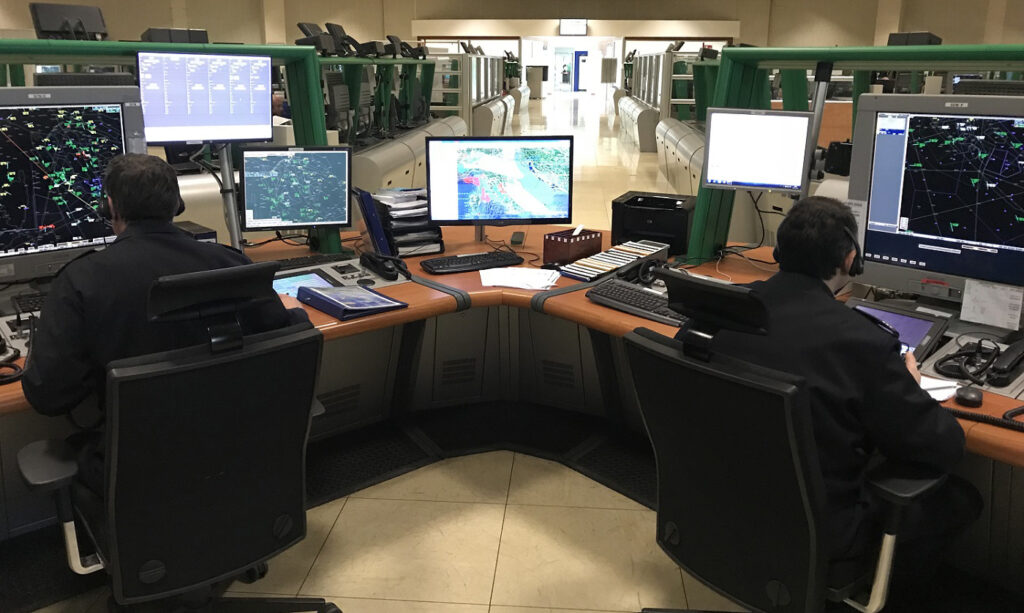
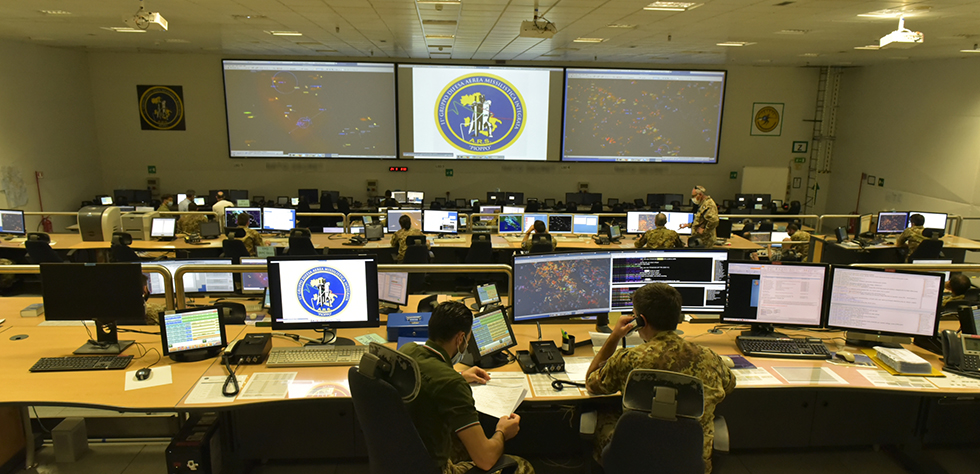
The Integrated Missile and Air Defence Department (ReDAMI) has the primary task of ensuring effective and efficient direction and coordination of all training, exercise, and operational activities of the subordinate Radar Groups, both within the NATO context and at the national level, always guaranteeing Integrated Air and Missile Defence functions.No text provided.No text provided. The ReDAMI depends on:
  • 11th DAMI Group of Poggio Renatico (FE);
  • 22nd DAMI Group of Licola (Naples).
No text provided. Within NATO, these two Groups are included in the IA&MDS (Integrated Air and Missile Defence System), where they operate under the CAOC (Combined Air Operations Centre) in Torrejon, Spain. No text provided. The ReDAMI of Poggio Renatico, through its Radar Groups, ensures 24 hours a day, 365 days a year, the continuous surveillance and defence of national airspace through a system of radars and interceptor aircraft integrated into NATO since peacetime.
RSCCAM

Services Coordination and Control Department

Mission

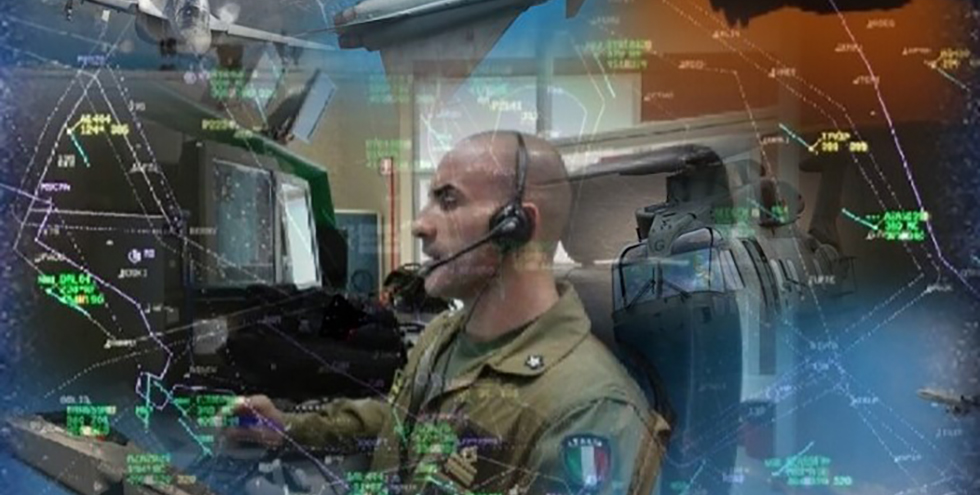
The mission of the SCCAM Department (Services Coordination and Control Department) of Ciampino and its three branches in Abano Terme, Brindisi, and Milan Linate is to ensure support for air operations through the control and coordination of Operational Air Traffic (OAT), the management of airspace at pre-tactical and tactical levels, and the coordination of Air Defence activities within the context of General Air Traffic.

Royal Military College of Canada

Mobile Command and Control Unit

Mission

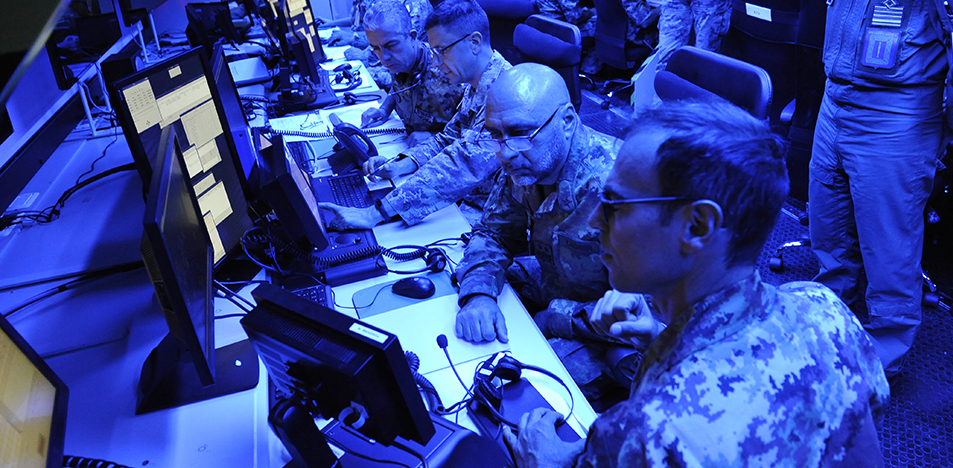
The Mobile Command and Control Department (RMCC) was established out of the Italian Air Force's requirement to increase its engagement in operational theatres outside national borders through readily deployable, modular, transportable, and flexible assets. These assets are integrated with the Armed Force's national systems and are interoperable with joint force, NATO, and allied nations' systems. The Department enables the Theatre Commander (even when deployed) to exercise Command and Control functions through operational and technical components, allowing them to plan, direct, and execute air operations, independently or in conjunction with other Armed Forces. To achieve its assigned mission, the RMCC is equipped with mobile systems such as: Operations Rooms, satellite systems, radar systems, telecommunications systems, radio systems, and systems for managing Tactical Data Links. To ensure immediate operational readiness, the Department has a dedicated road transport capability through articulated lorries, cranes, and special vehicles. Furthermore, the mobile components can be transported by sea, rail, and air. Today, beyond the various operational configurations that can be achieved and the tasks it can perform, the Department is defined as an integrated and inseparable component of the Joint Force Air Component Command (JFACC) at Poggio Renatico (Ferrara), forming the core around which the mobile component is developed and realised.

 
RAMI of Geilenkirchen

Italian Air Force Representation


Mission
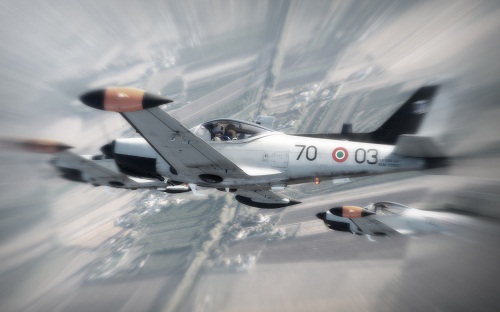
The Italian Air Force Representation (RAMI) in Geilenkirchen (GK) is based at NATO Airborne Early Warning & Control Force (NAEW&CF) in Germany. 
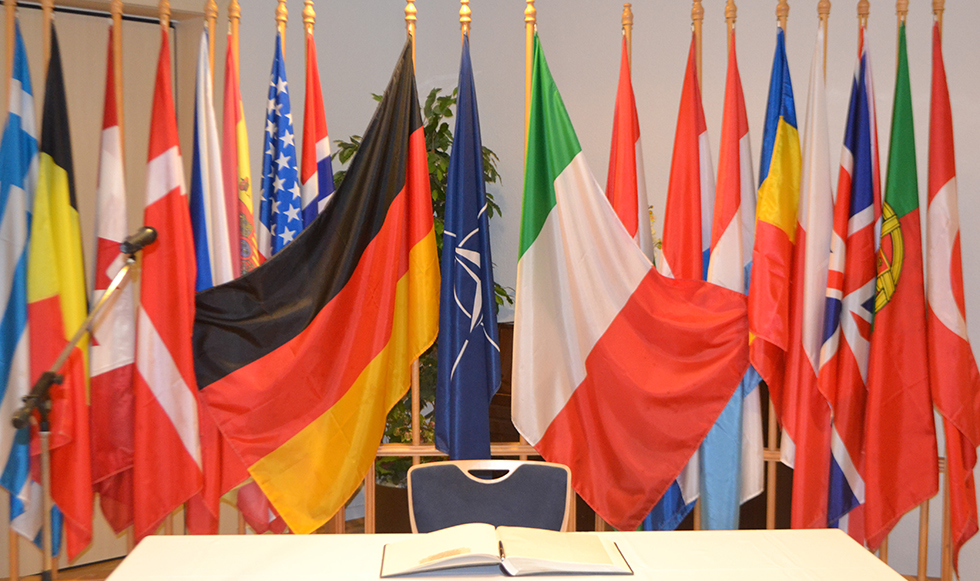
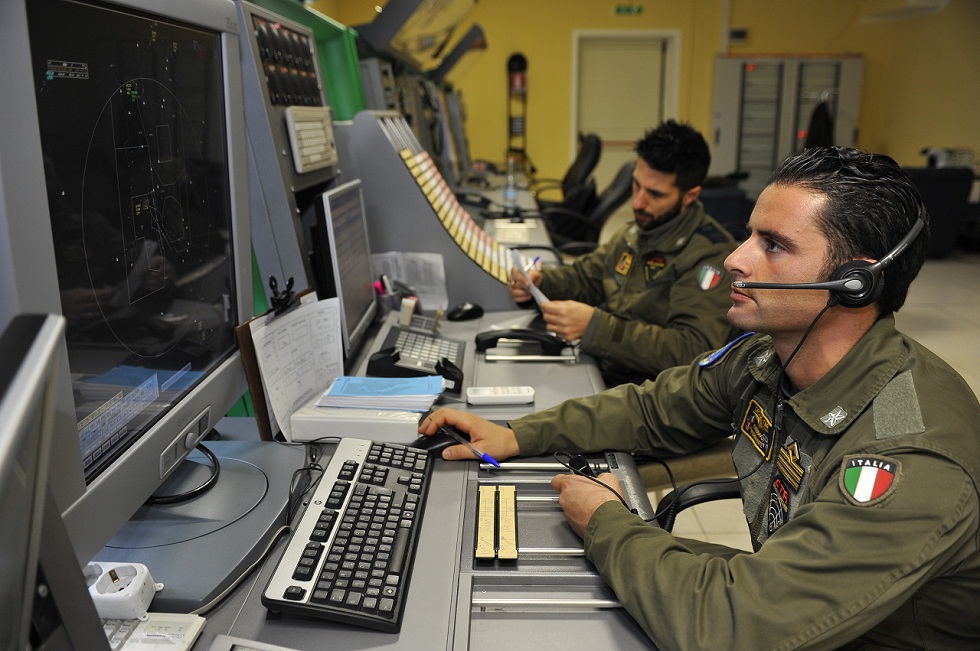
The RAMI, part of the international AWACS programmeAirborne Warning and Control System), aimed at increasing the Alliance's Air Defence capability, performs the function of a national element that, in the context of the host foreign country, oversees cooperation activities, regulated by specific international agreements, to seek synergies in the management of complex systems in order to share logistical, technological, and industrial resources.  
Furthermore, RAMI maintains a fundamental and constant link with the Military and civilian Authorities in Italy and on site, with the Italian and German diplomatic and political authorities in Germany and provides, as National Support Unit (NSU), the necessary technical, logistical, and administrative support for Italian personnel stationed in Geilenkirchen. 

The RAMI, as an element for coordinating and projecting national requirements in foreign policy, also provides support to Italian personnel serving at Joint Air Power Competence Centre (JAPCC) in Kalkar (Germany) and handles all activities of Training and for the maintenance of the foreseen training and operational qualifications/certifications.