
Event organized in scientific partnership
with the Istituto Affari Internazionali (IAI)
The Aeronautica Militare is organizing the second edition of the international AeroSpace Power Conference (#ASPC2025), titled “Fighting and Winning in the Sky Beyond the Next Decade”. The AeroSpace Power Conference 2025 will take place in Rome (Italy) from 8 to 9 May 2025, and it will bring together high-level military and civilian guests as well as over 1500 participants from all over the world.
The event will be a unique opportunity to gather professionals from the public and private sectors, experts from academia and Think Tanks, as well as leading figures on the international stage, to provide a unique point of view on the concept of Aerospace Power as a determining “Military Instrument of Power”. In doing so, it will consider the fast-changing international security environment and the constant technological evolution of the Aerospace dimension.
As in the 2023 edition, the overarching goal is to develop new ideas, discuss possible way-ahead and exchange interdisciplinary points of view by presenting technology, innovation and sustainability associated with the aerospace domain, with a view to share insights, reconnect and create new relationships.
The conference, organized in four panels interspersed with five keynote speakers, will focus on the following fil rouge:
1. The ability of partner nation armed forces to establish aerospace power superiority or dominance in future multi-domain operations and in increasingly competitive, congested and contested environment;
2. Modernization priorities and future key elements needed to achieve strategic and tactical objectives;
3. The importance of personnel, science, technology, networks, capabilities and systems as critical enablers in the next decade, for policies, doctrine, tactics, techniques and procedures;
4. Space in future conflicts.
The 2025 AeroSpace Power Conference edition is organized in scientific partnership with the Istituto Affari Internazionali (IAI).
Attendance at the AeroSpace Power Conference 2025 is by invitation only.
Attendee accreditation
Inauguration of AeroSpace Exhibition with the presence of Political Authority
Starting Day I ASPC25 activities and opening remarks by the Aeronautica Militare Chief of Staff, Italian Joint Chief of Staff, Political Authority
Break
Keynote Speaker 1: Gen. Bradley Chance Saltzman, Chief of Space Operations, United States Space Force (USA)
Panel I: Strategy & Policy
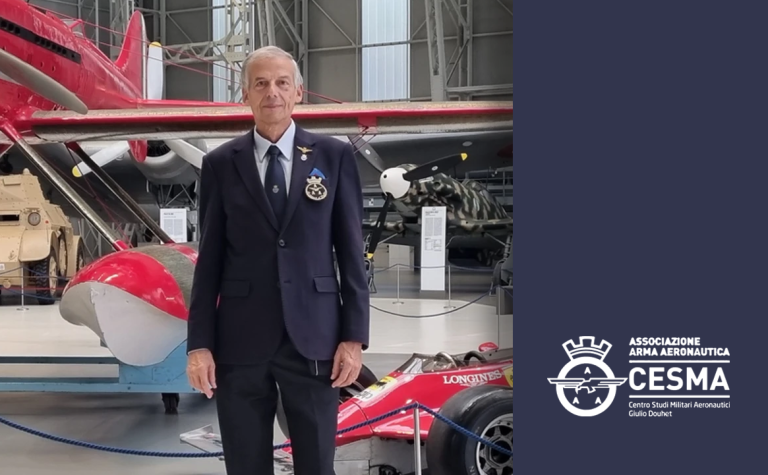
Moderator: Lt. Gen. (r.) Giovanni Fantuzzi, Director of Centro Studi Militari Aerospaziali – CESMA (ITA)
Panelists:
Lunch break.
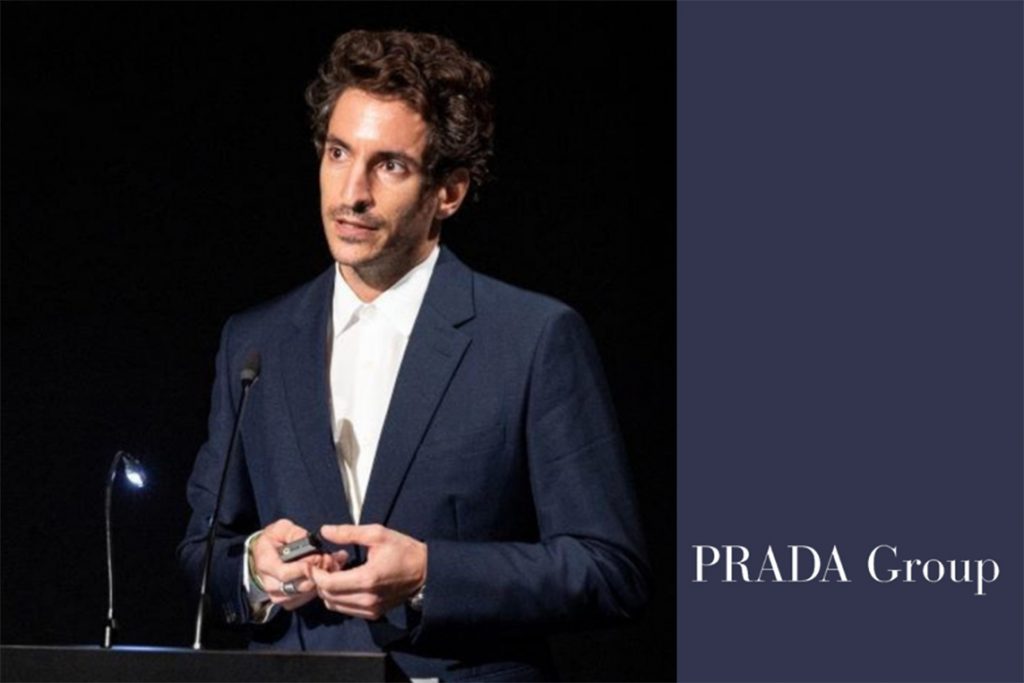
Keynote Speaker 2: Dr. Lorenzo Bertelli, Prada Group Chief Marketing Officer & Head of Corporate Social Responsibility (ITA).
Panel II: Technology Competition & Challenges
Moderator: Dr. Tommaso Ghidini, European Space Agency – ESA (ITA)
Panelists:
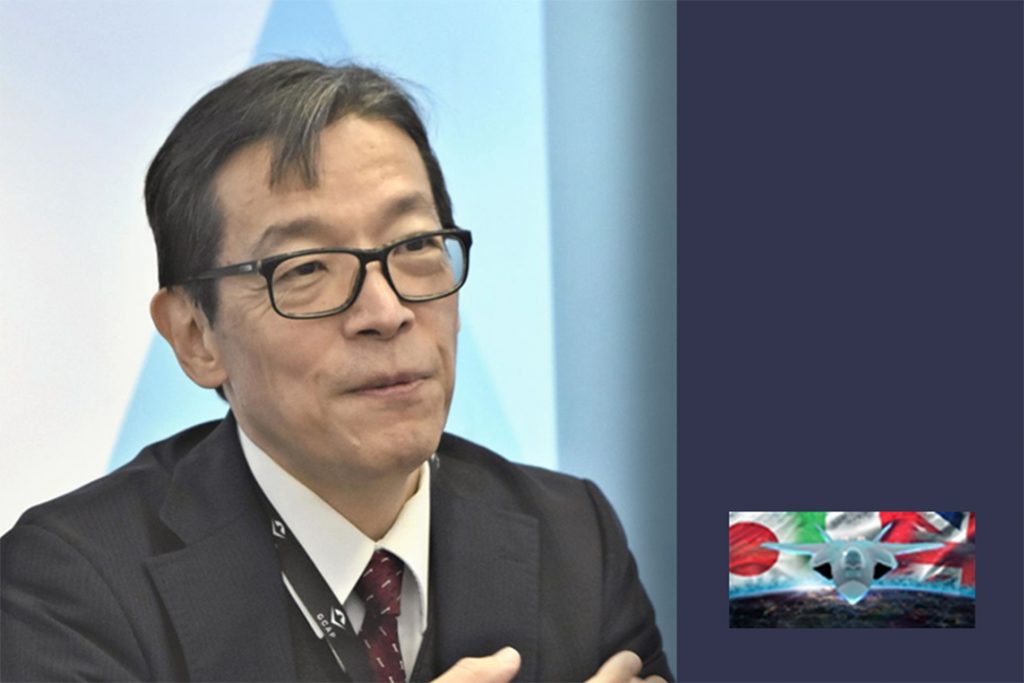
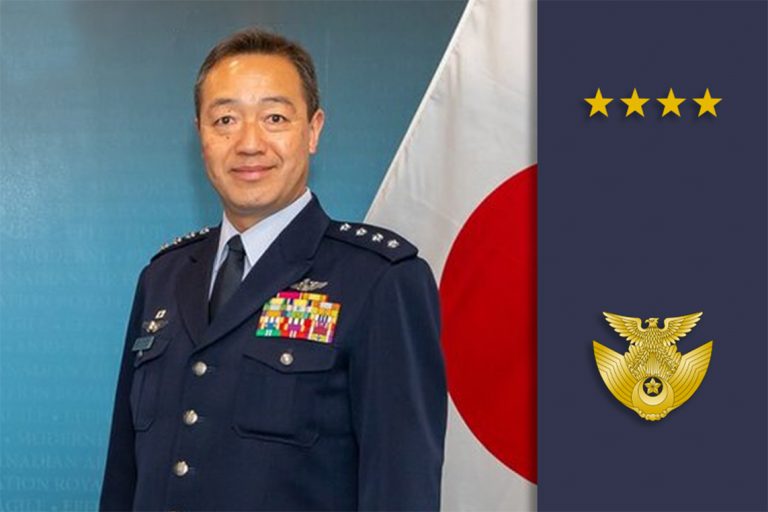
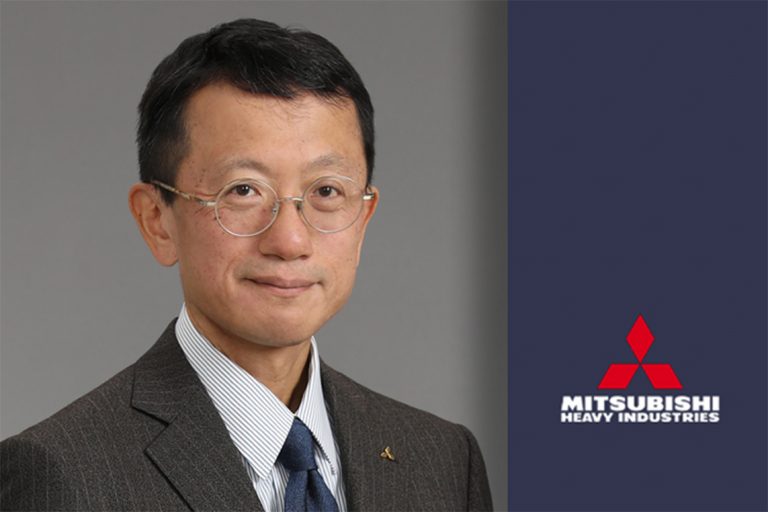
Keynote Speaker 3: Mr. Masami OKA – Chief Executive GCAP International Government Organisation – GIGO (JPN).
End of activities of Day I.
Attendee accreditation1
Start Day II ASPC25 activities.
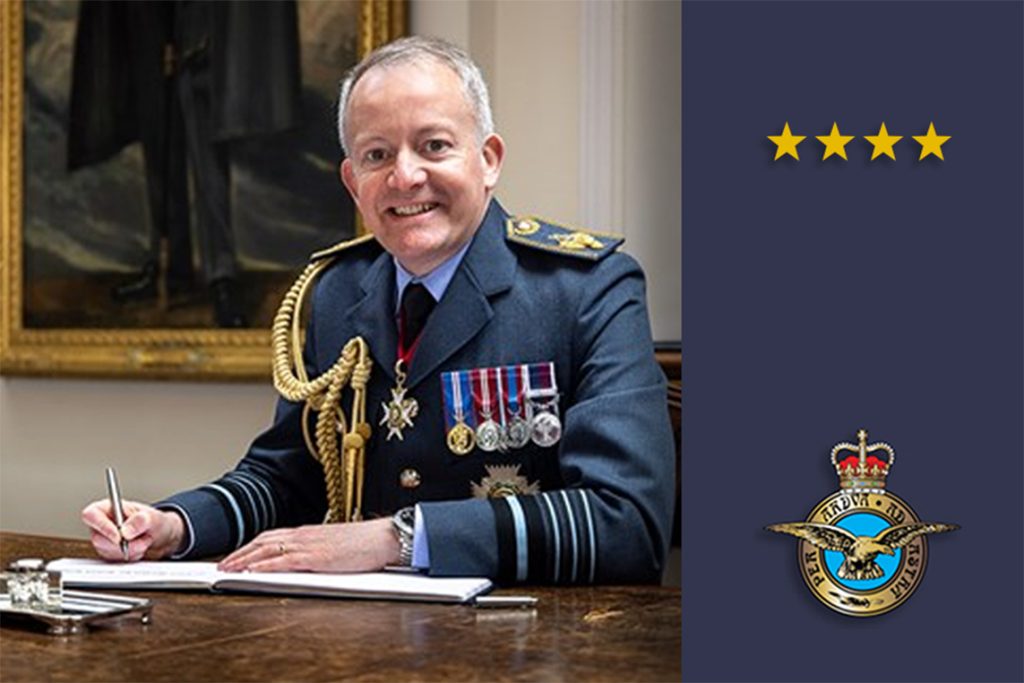
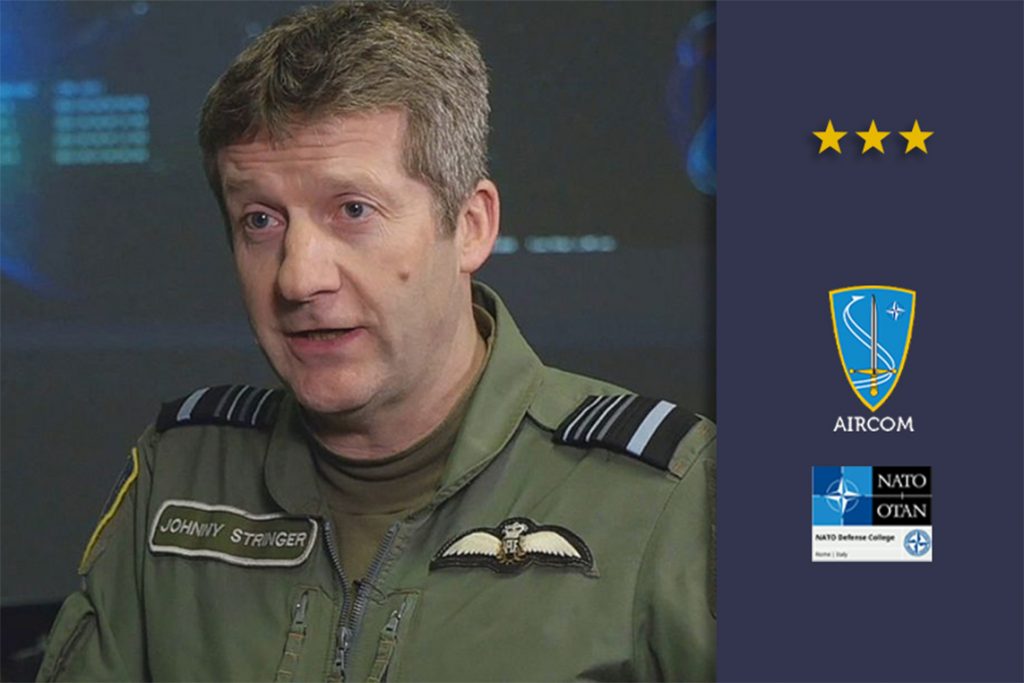
Keynote Speaker 4: Air Chief Marshal Sir Richard Knighton, Royal Air Force Chief of the Air Staff (UK).
Panel III: Doctrine & Leadership
Moderator: Dr. Alessandro Marrone, Head of Defense, Security and Space Programme of Istituto Affari Internazionali – IAI (ITA)
Panelists:
Coffee break
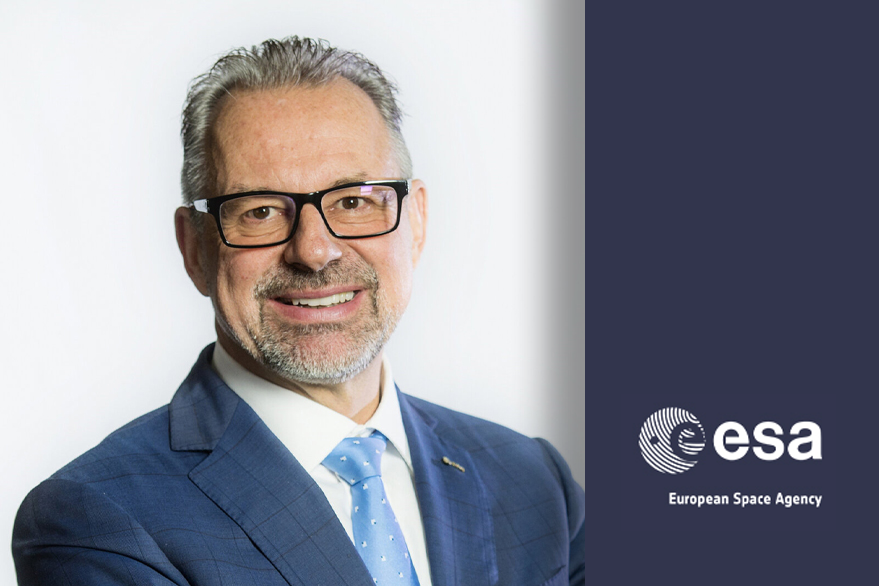
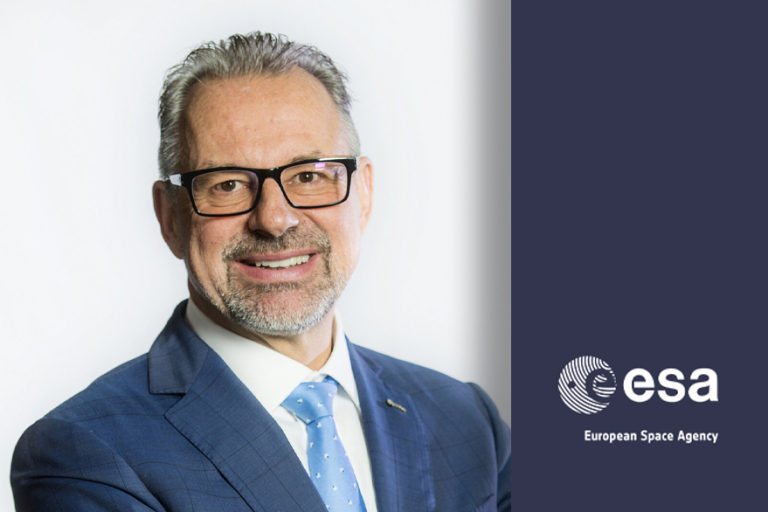
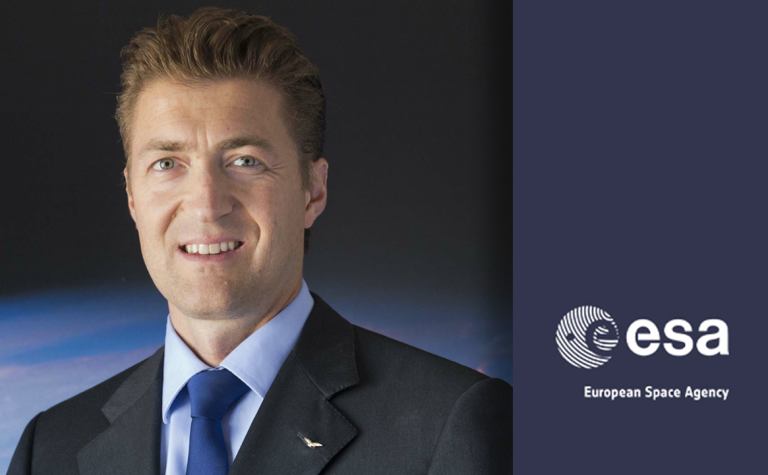
Keynote Speaker 5: Dr. Josef Aschbacher, ESA – European Space Agency Director General (AUT).
Panel IV: Evolving Space Domain
Moderator: Col. Walter Villadei – Head of RAMI (Italian Air Force Representative) at AXIOM Space in Houston (ITA)
Panelists:
Closing remarks by Aeronautica Militare Chief of Staff and Political Authority
Lunch
End of activities of Day II.
1 Only for attendees which not accredited already on Day 1.
The conference features four panels which will cover complementary and interconnected topics. Before each panel, a key-note speaker will set the scene with a 30-minute long speech. Each panel will have at least five international speakers and will be managed by a moderator. After a first round of remarks by each speaker there will be a question and answer session managed by the moderator.
Il nostro team è a tua completa disposizione per fornirti assistenza e rispondere a tutte le tue domande.
Non esitare a contattarci tramite l’apposito form o ai seguenti recapiti.
Puoi anche seguirci sui nostri canali social per rimanere aggiornato su tutte le novità e gli aggiornamenti relativi all’evento.
Dal lunedì al venerdì
9:00 - 13:00
14:00 - 18:00
The first panel will address the strategic level of Aerospace Power in consideration of the current international security environment and possible future scenarios.
The Russian war against Ukraine and the challenges posed by China have made the scenario of a peer-to-peer conflict more likely than in the past three decades for NATO members and partners . As the ongoing global geopolitical competition is expected to grow in the mid- to long-term, western Air Forces have to prepare to fight and win complex, large scale conflicts first in order to prevent them through effective deterrence, and second, should the latter fail, to put an end to war as soon as possible.
It is also necessary to improve and enhance the strategic dialogue between the political leadership and the military in order to generate a shared, clearer and deeper understanding of the threats and risk, necessary to make the best choices to protect population and territories through the peace-crisis-conflict continuum. Such understanding should also be better communicated to the public opinion in NATO countries and partners.
The past, present and likely future success of air forces largely depends on access to key technologies and advanced weapon systems. This, in turn, makes the aerospace and defence industry a critical partner and player. Public-private partnerships are therefore key to address the challenges posed by technological competition, and require a clear vision by the Air Forces on their future and a coherent strategy and policy.
The second panel will focus on technological competition and the related challenges by also considering the industrial perspectives.
Armed forces will have to face the challenge to retain technological edge, operational sovereignty and security of supply by relying on a wider, more diverse and more globalized supply chain than in the past. This entails building novel international partnerships with traditional and new actors, including military and industrial ones, such as the Global Combat Air Programme (GCAP).
NATO members and partners will have to adapt procurement models and praxis in order to both accelerate entry into service of new technologies and leverage the innovation driven by the civilian market. This challenge cannot be faced without a parallel change in industry paradigm aimed at shortening weapon systems delivery schedule following Armed Forces operational need. Moreover, they will have to procure assets which are, at the same, time secure by design and built through an open architecture which enables a more constant and efficient update and upgrade.
Against this backdrop, AI poses novel challenges, risks and opportunities for the Military Instrument of Power, in primis concerning a variety of drones including Collaborative Combat Aircraft. At the same time, hypersonic capabilities alter the equation between time and space by significantly affecting the required reaction time and underlining, at the same time, a key tenet of aerospace power such as speed. In addition, cyberspace, like the electromagnetic spectrum, have become increasingly relevant. Broadly speaking, the whole range of Emerging and Disruptive Technologies constitutes the premier field of strategic competition across the globe.
The third panel will elaborate on non-material yet crucial elements of aerospace power such as doctrine and leadership, including education and training of present and future aviators.
Doctrine evolves thanks to lessons identified from past and present conflicts. A large-scale, high-intensity and 3-year long war between Russia and Ukraine represents a watershed for NATO members and partners, yet an effort is necessary to draw the right lessons for aerospace power. The conflict in the Middle East, particularly the escalation between Iran and Israel, also provides relevant food for thought concerning the combination of missiles, drones and aircraft in offensive and defensive operations, particularly in urban areas.
At the same time, doctrine is influenced by technological innovation and entails a conceptualization of its military use. The concepts of system-of-systems and Multi-Domain Operations have become more and more important in this regard. AI is set to change the human-machine interface, the role of aviators in air operations and the whole “human in the loop” equation when it comes to decision-making. Next generation aircraft will bring further changes and challenges for the future pilots.
Because of the air domain’s features, force structure and kind of platforms in service, leadership is extremely important for air forces at various levels of the chain of command. It includes the ability of timely decision-making and a risk-prone attitude. Education and training will remain crucial to cultivate these and other aspects of leadership, but have to evolve in light of changing doctrine and novel technology. Against this backdrop, training in the virtual environment presents many advantages, but also risks to the quality of aviators trained with a more limited number of flying hours.
The fourth panel will focus on outer space as an environment for strategic competition.
Space is no longer only an enabler for the military instrument of power but also a real operational domain on its own, as recognized by NATO in 2019. While international cooperation and scientific research continues, strategic competition is taking place from Lower Earth Orbit to cislunar space and beyond. New technologies and the presence of novel actors have made it more competitive and operationally challenging than ever.
Space is experiencing an exponential increase of private operators coupled with a relative decrease of the cost of available space technology. This in turn multiplies the debris and the related risks for space assets. US and other major space powers are redefining their policies in this domain, and Europe faces a number of strategic choices in this regard.
Space infrastructures are subjects to threats that are constantly and rapidly evolving, intensifying and diversifying, both non-kinetic (via cyber and electromagnetic spectrum) and kinetic, including a variety of counterspace capabilities, as they represent crucial assets for the military instrument of power through the peace-crisis-conflict continuum.
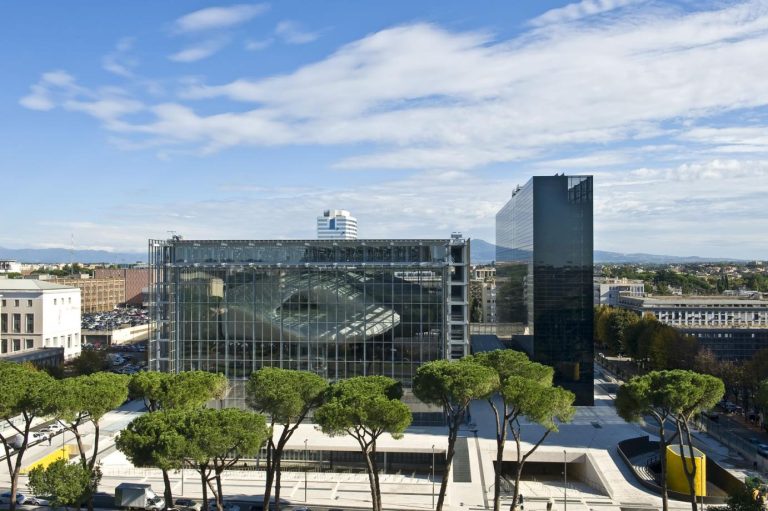
La Nuvola
Roma Convention Center
Viale Asia 40/44
00144 Roma (Rm)
Conference
May
8, 2025 (invitation-only access)
08:00 – 16:50
Exhibition
May 9, 2025 (invitation-only access)
08:00 – 14:30