This is the title of the conference that brought together the institutions involved in aerospace issues in Rome to deepen knowledge about space and celebrate the 60th anniversary of the launch of the San Marco satellite
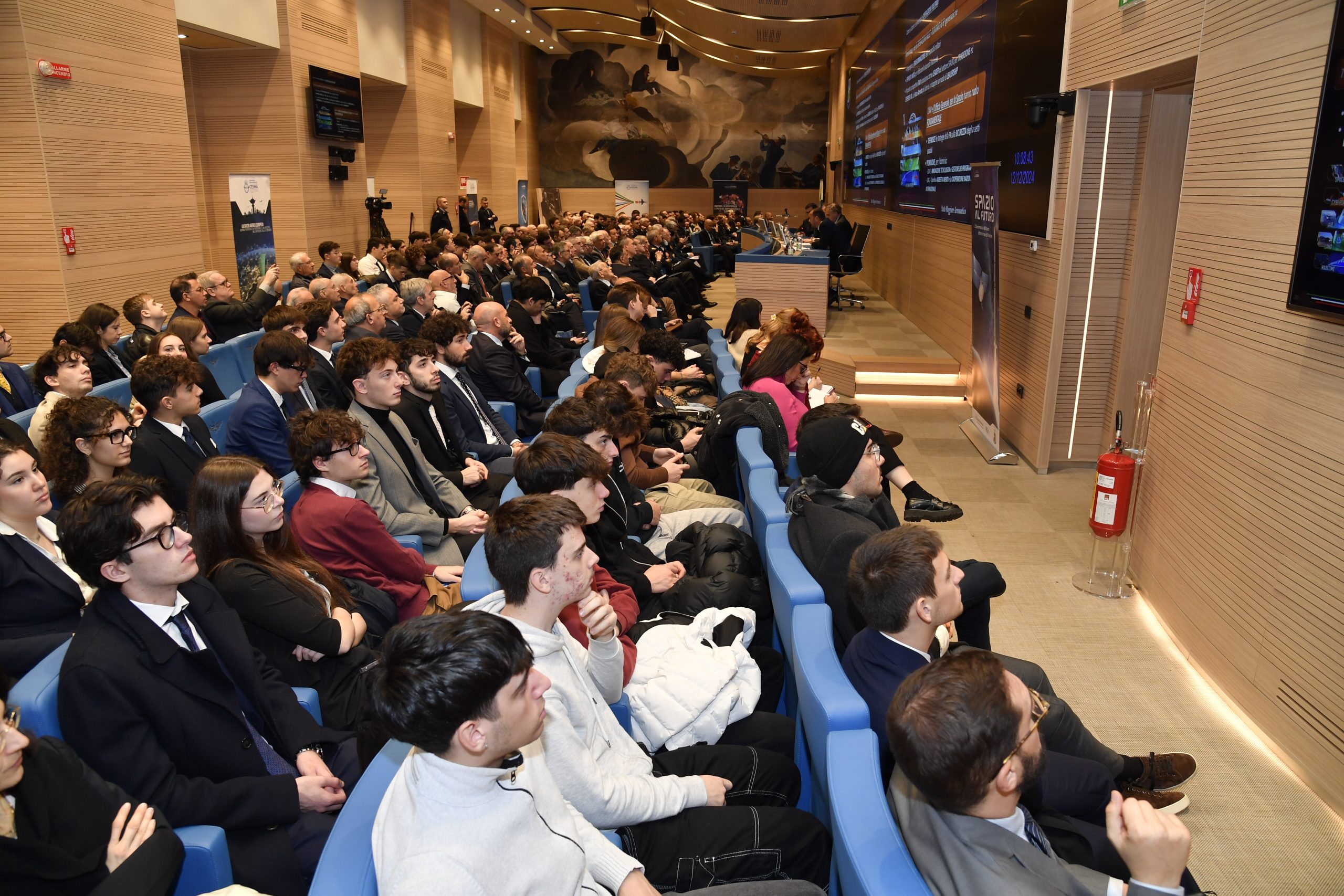
Thursday 12 December 2024, at the “A. Visconti” Auditorium of the Palazzo Aeronautica, the Conference was held “Space for the future. The Italian Air Force beyond the Kármán line, organised by the Aerospace Military Studies Centre of the Air Force Association, in collaboration with the Italian Air Force.
The event, chaired by Rai journalist Giorgio Pacifici, Deputy Editor-in-Chief of Science for TG2, was chaired by the Chief of Staff of the Italian Air Force, Air Squad General Luca Goretti, and it featured the participation of several authoritative speakers and industry experts, both from the Armed Forces and the civilian world.
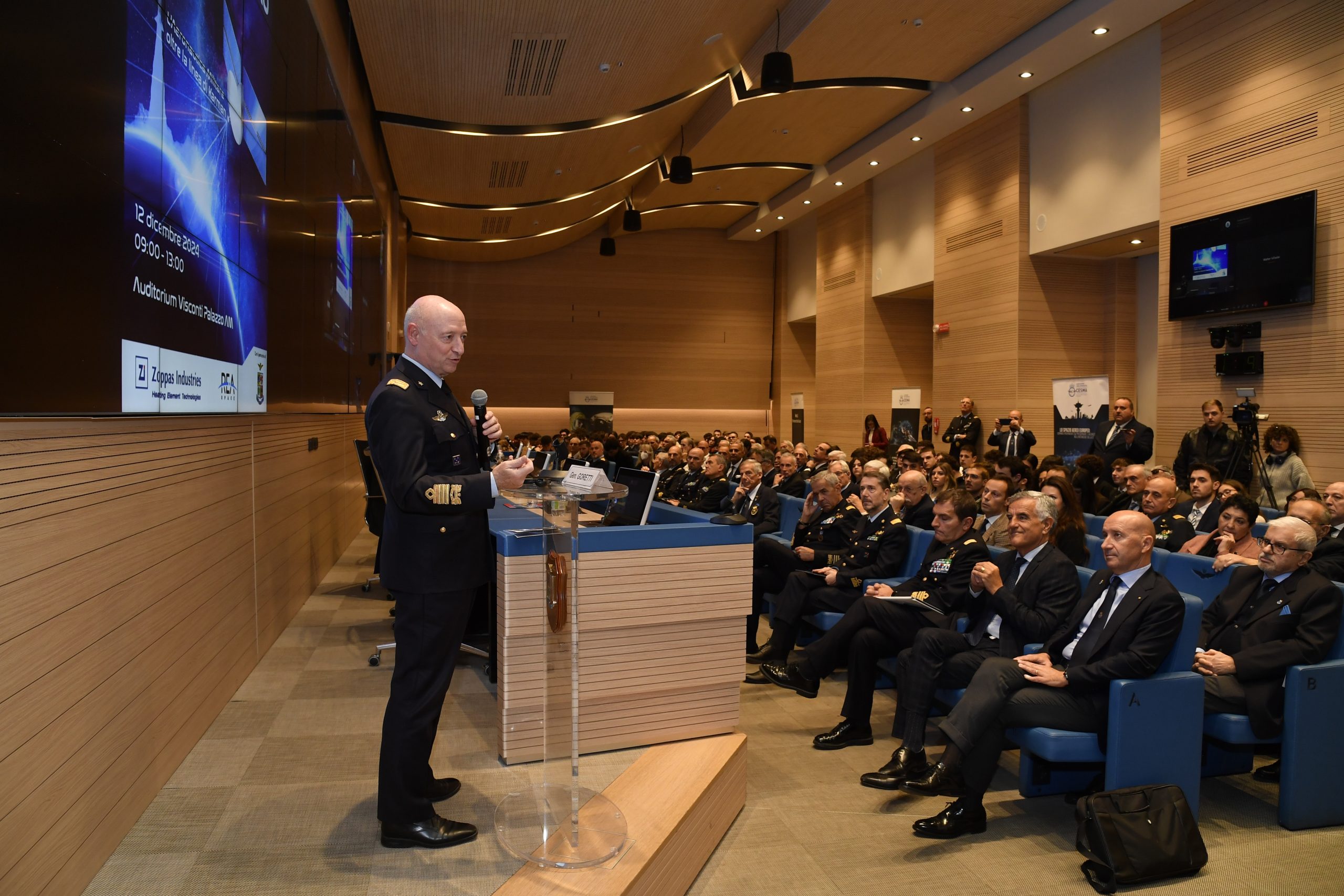
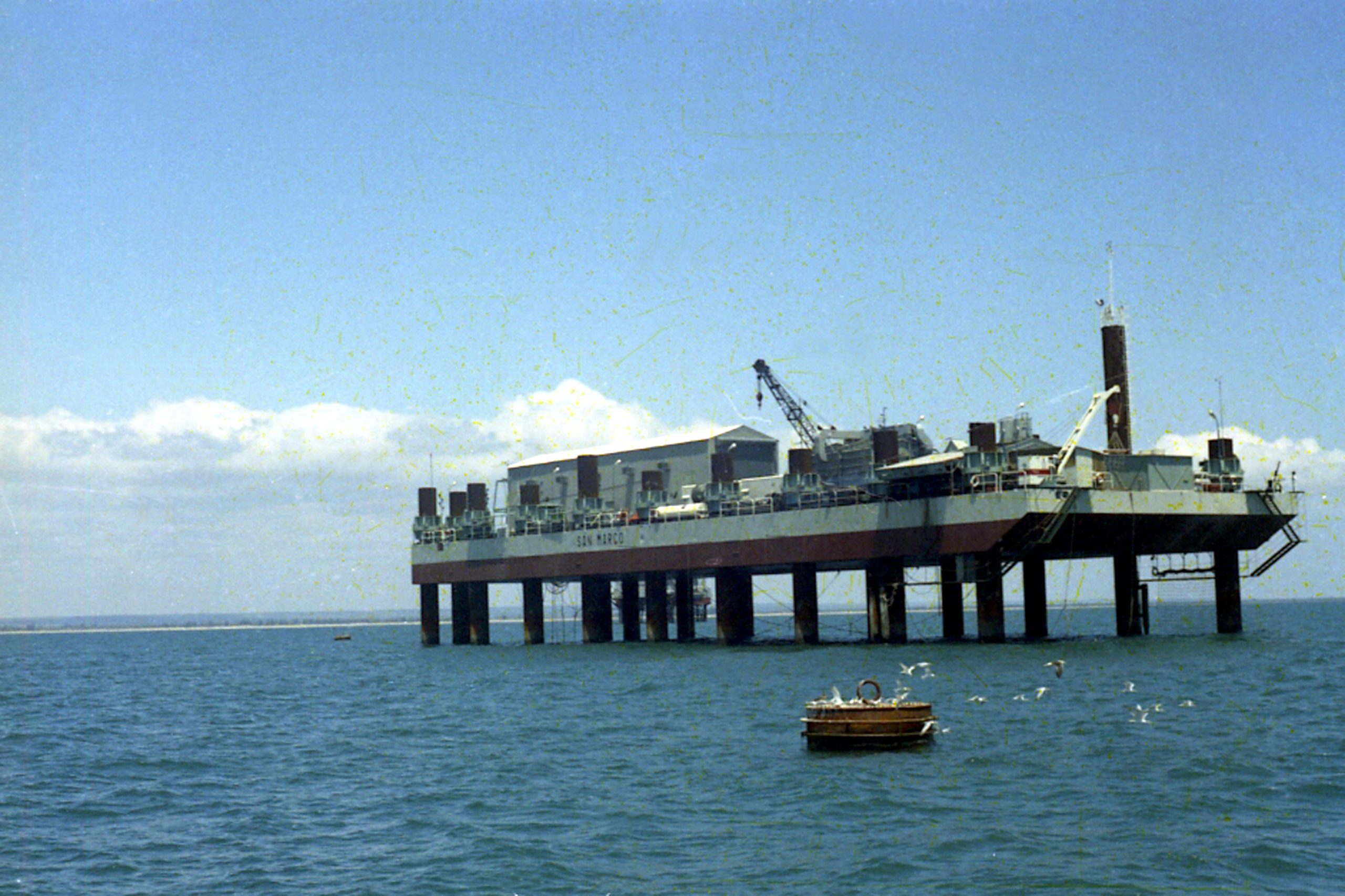
“The Italian Air Force has always looked to space and aerospace with great interest, stated that the Chief of Staff of the Air Force, Air Force General Luca Goretti, in his speech, emphasised that “Space was born in Italy thanks to General Engineer Luigi Broglio, also an internationally renowned scientist who, through the San Marco programme, based on strong cooperation between the Italian Air Force and the National Research Council (CNR), opened the path to space for Italy. Italy's space expertise in terms of satellite launching capabilities and space research derives from the San Marco project. Also General Goretti, in his speech, wanted to highlight that “The Italian Air Force’s institutional remit is to protect and defend the country’s airspace and it must, therefore, be capable of projecting aerospace power in line with the policy guidelines of the National Summit and the Ministry of Defence, whilst promoting and pursuing synergies with the national industrial sector and the fields of scientific and technological research. The Italian Air Force is responsible for monitoring, surveying and characterising space objects and their operational environment with the aim of supporting safe, stable and sustainable space activities, identifying risks and threats in space, from space and towards space, and proposing appropriate mitigation measures. ”Access to aerospace resources is essential for ensuring the country’s security and for conducting military operations, and the development of the so-called space economy represents a strategic opportunity for anyone wishing to invest in research and development in the aerospace sector, with significant benefits for the community and the country.”.
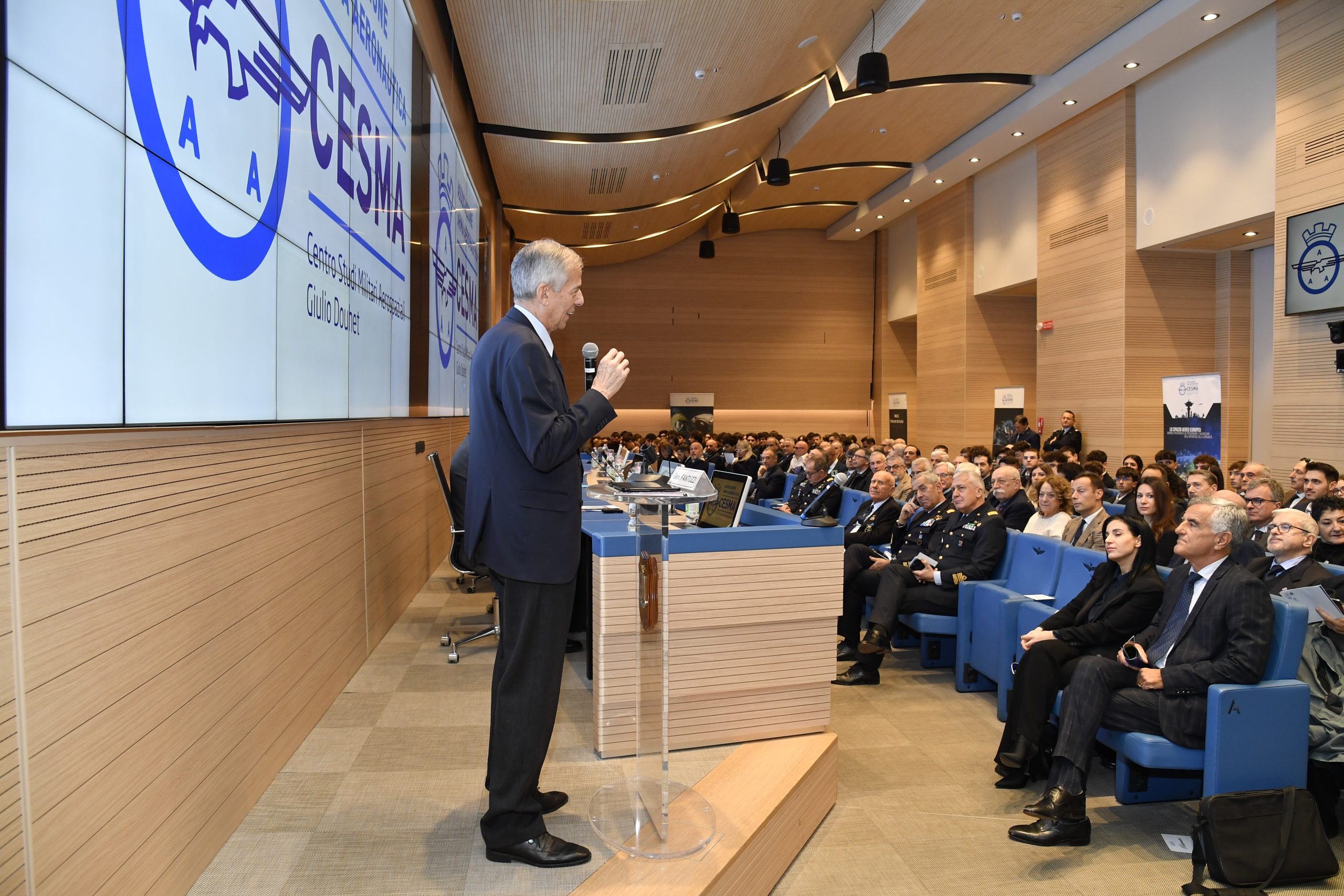
At the start of the conference, the Gen. S.A. (r) Giovanni Fantuzzi, President of CESMA, in underlining its importance and purpose, highlighted how “This congress aims to reaffirm the role of the Italian Air Force as a centre of excellence and a point of reference in the space domain and as a defence-sector space service provider. Everyone is looking for ‘Supporting Space’, meaning space services available for military, civil and dual-use applications. But once we fill space with high-value satellite assets, someone is needed to support these assets (maintenance in operational conditions, upgrades, physical protection, etc.). The Italian Air Force also deals with ‘Supported Space’, which means managing their direction.”.
Next to speak was the Chief Inspector General (retired) Lucio Bianchi, Engineer, Space Consultant for CESMA, which highlighted, amongst other things, that “in the context of sixth-generation aircraft, the evolution of weapon platforms will make military space service no longer a simple enabler, but a precondition for operating, with obvious consequences for the need to guarantee the security and protection of space assets. Sixth-generation fighters, for example, will therefore be even more dependent on full integration between the air and space domains.
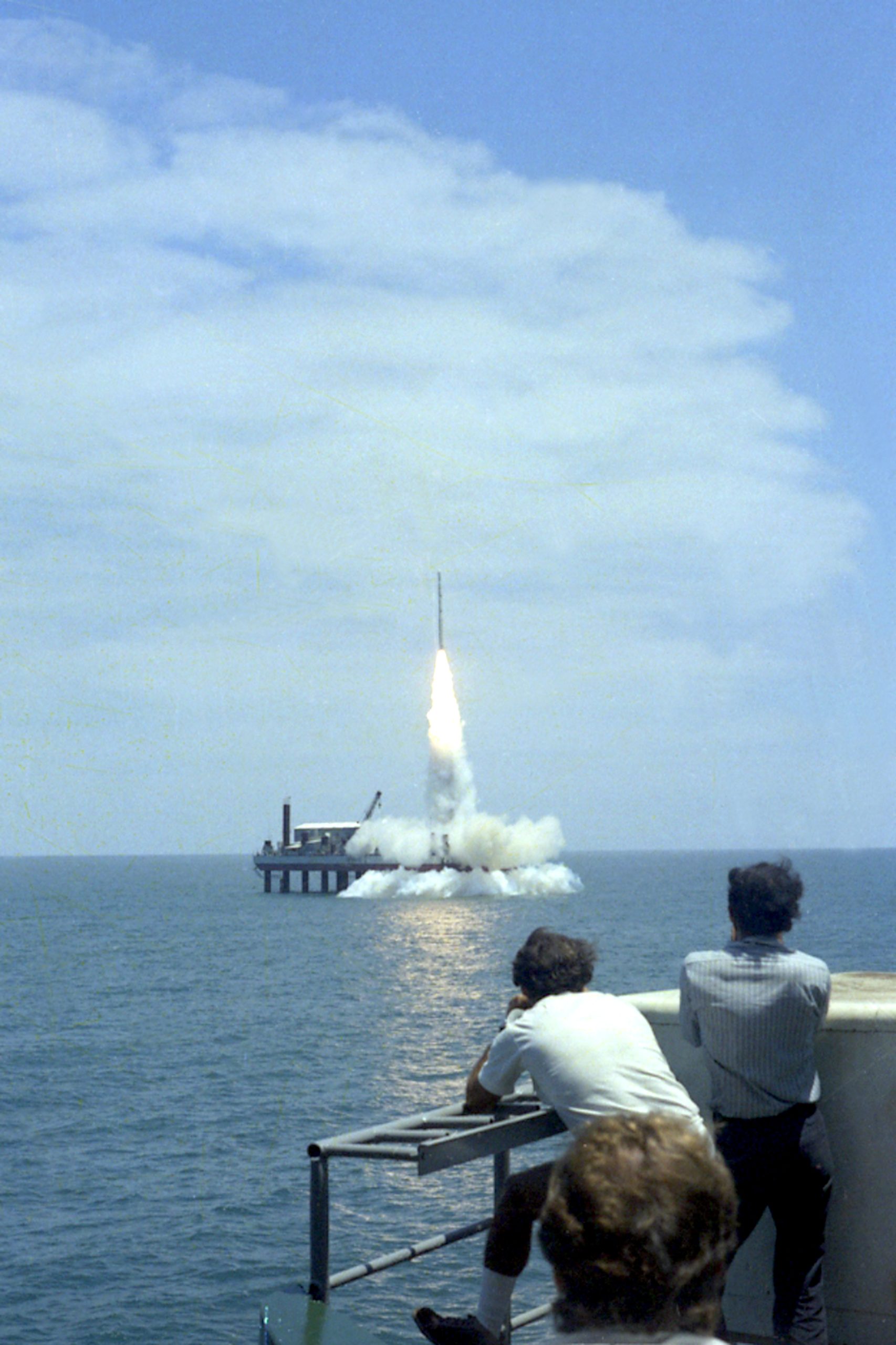
The first of the two panels into which the Conference was structured involved speakers of absolute prominence such as Dr Augusto Cramarossa, Head of the Strategic Coordination Office of the Italian Space Agency, Engineer Marco Brancati, representing the Leonardo Group, and Pilot Colonel Valerio Anastasi, Head of the General Space Office of the Air Force Staff. Many topics were covered, including the national strategy for the protection of space assets and the Air Force's ability to “work as a system” with all components operating in the space sector from a country-system perspective. Professor Teofilatto, Dean of the Faculty of Aerospace Engineering at the Sapienza University of Rome, specifically recalled the 60th anniversary of the launch of the San Marco satellite, which took place on 15 December 1964 and marked the beginning of Italian aerospace history when a group of young scientists and engineers, led by Air Force General Luigi Broglio, the father of Italian astronautics, put San Marco 1, the first Italian satellite, into orbit. Italy thus became the third country in the world, after the USSR and the USA, to build, launch and control a satellite with its own personnel. The conference was thus able to highlight the contributions that science and technology applied to Space make to the quality of life on Earth in terms of growth and well-being.
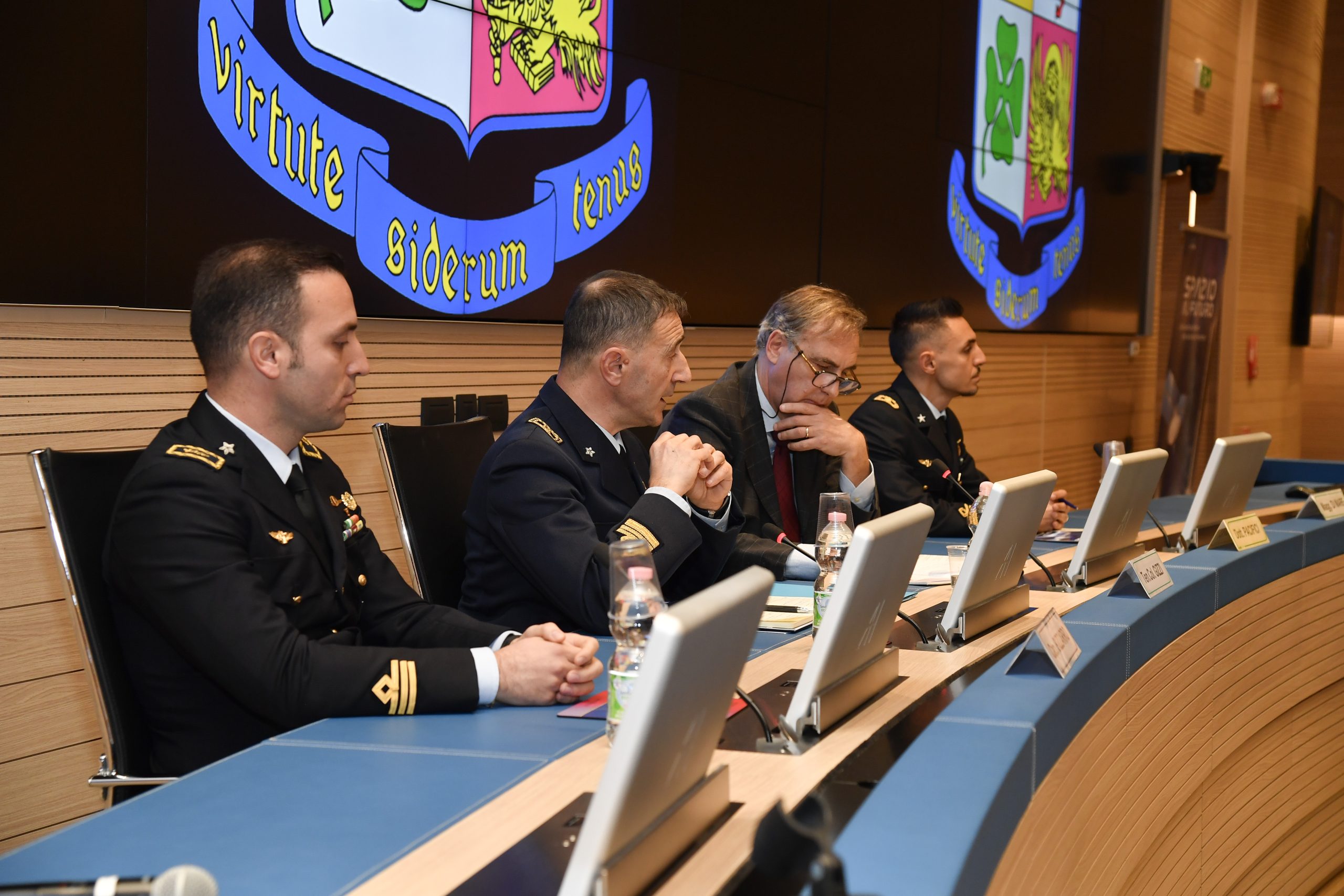
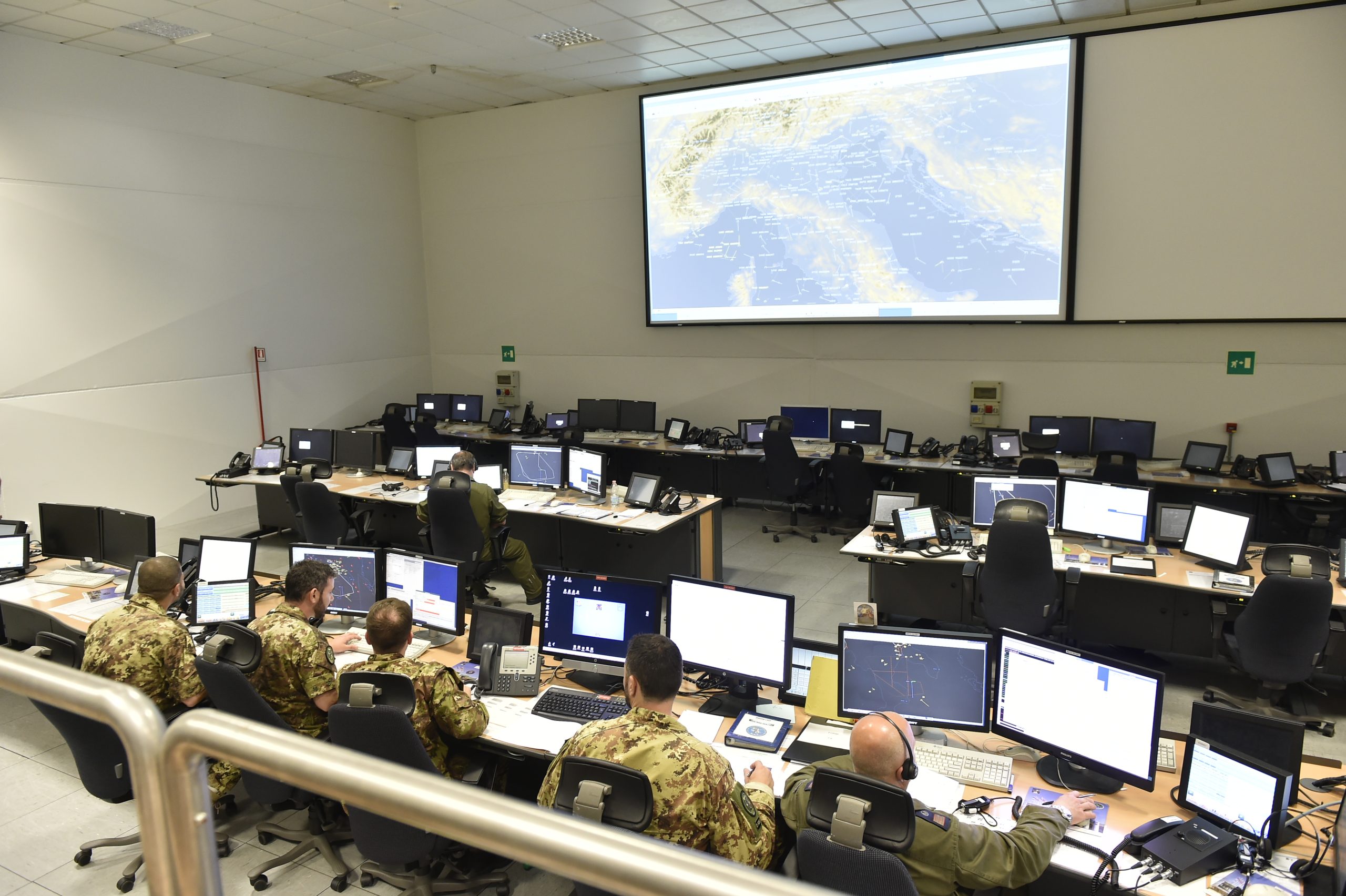
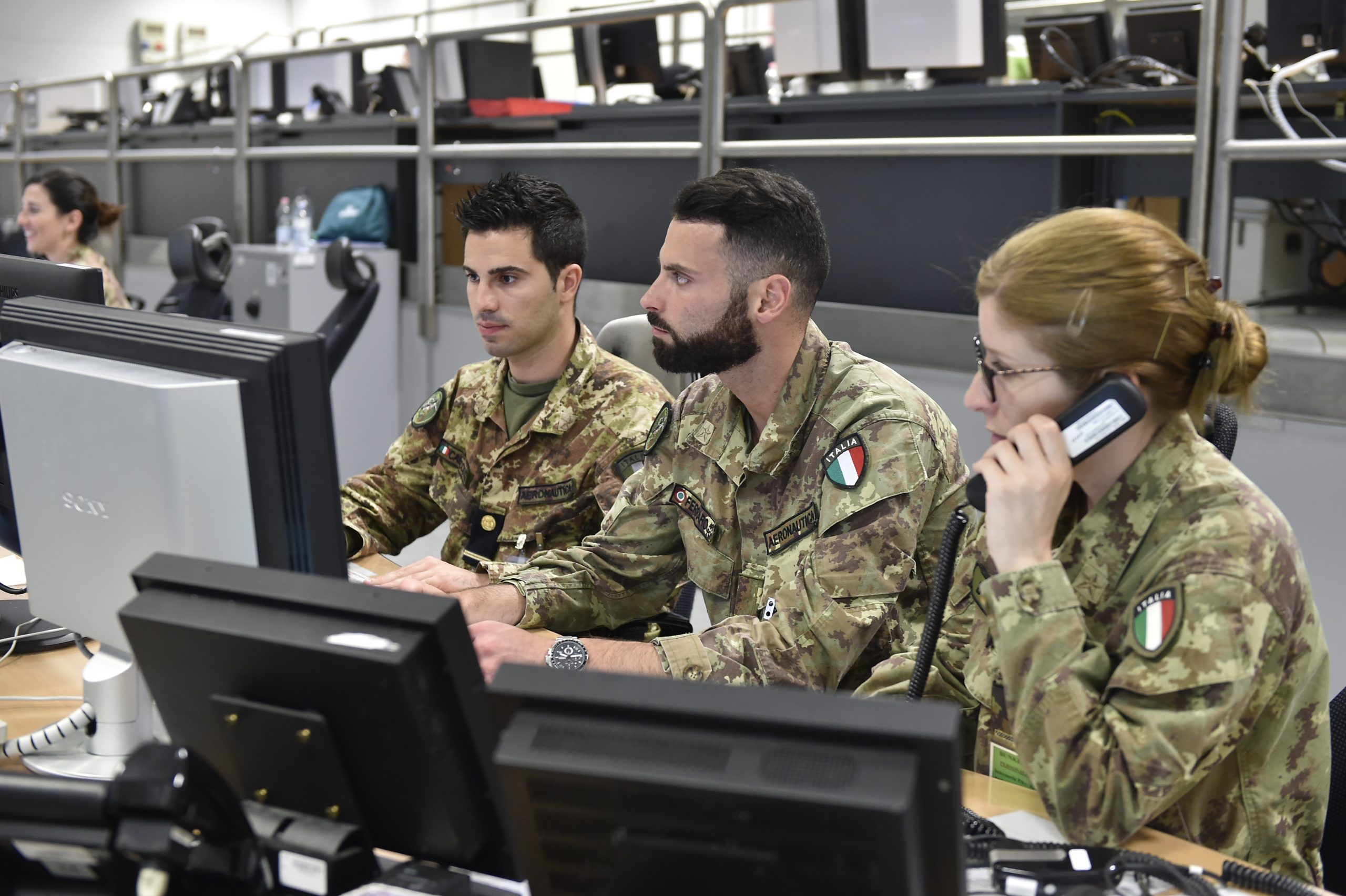
In the second panel, the aim was to highlight the role of the Italian Air Force in the space sector and how the Azzurra Force has given significant impetus to space activities in recent years, including through the establishment of specific departments.
In particular:
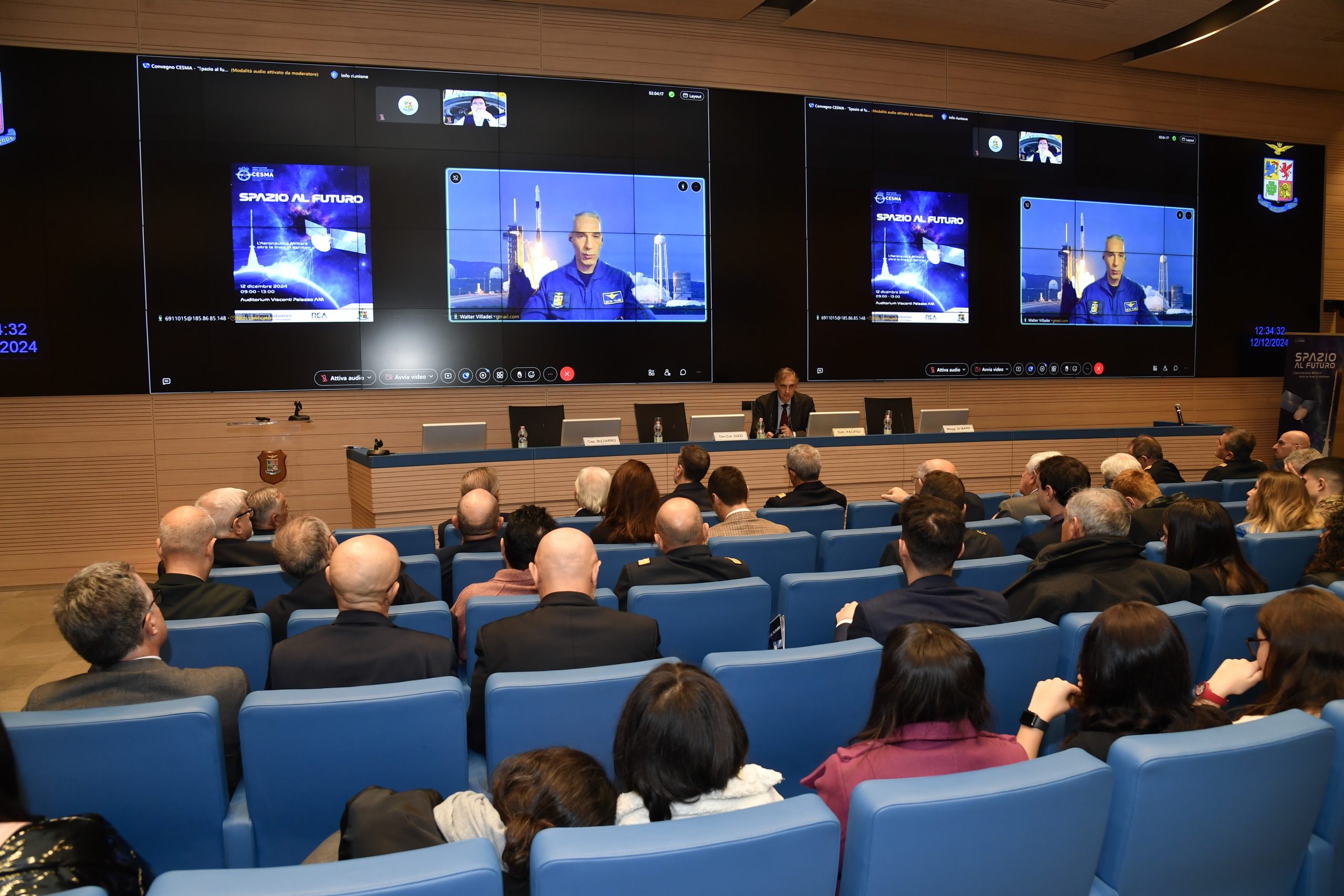
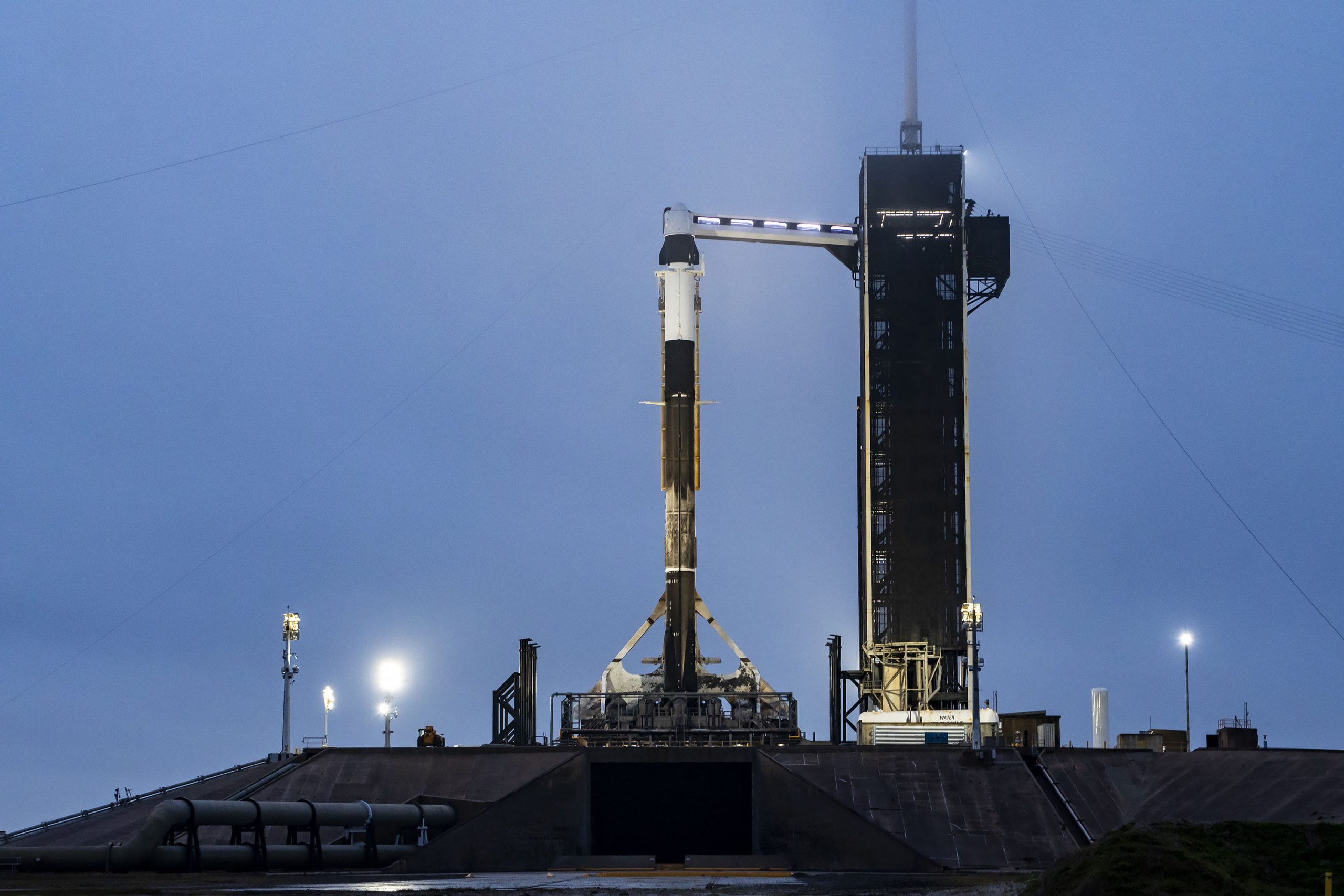
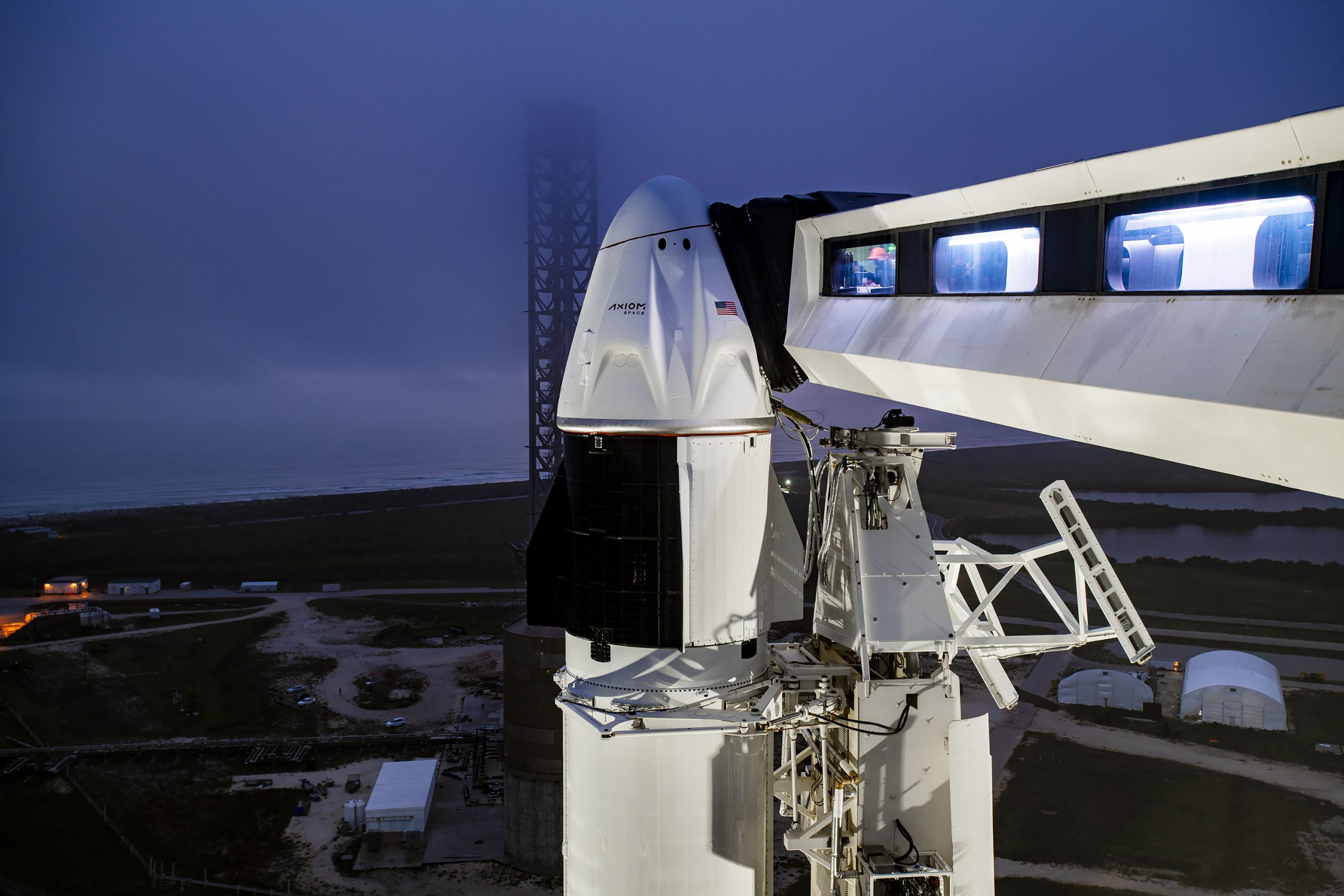
After the second panel, there were two video links, the first with Mr Massimo Comparini, Managing Director of Leonardo’s Space Business Unit, which underlined the importance of the synergy between the many and varied institutions involved in Space and the need to operate as a system. The second connection featured a talk by astronaut and Italian Air Force Colonel Walter Villadei who emphasised that “Commemorating 60 years of Italian space exploration means reflecting on what Italy has achieved, starting with the work of General and Professor Luigi Broglio, who established a model of collaboration that the Italian Air Force has sought to revive with Axiom 3, bringing together industry and the scientific community”. He then added, addressing the large group of young students present in the hall:“Studying at military academies is fundamental. Study then becomes a project when it meets the institutions. The training that the Italian Air Force gives us is a fundamental asset. The fundamental point is that the Air Force's skills are available for a strategy to build a unified national system.“.