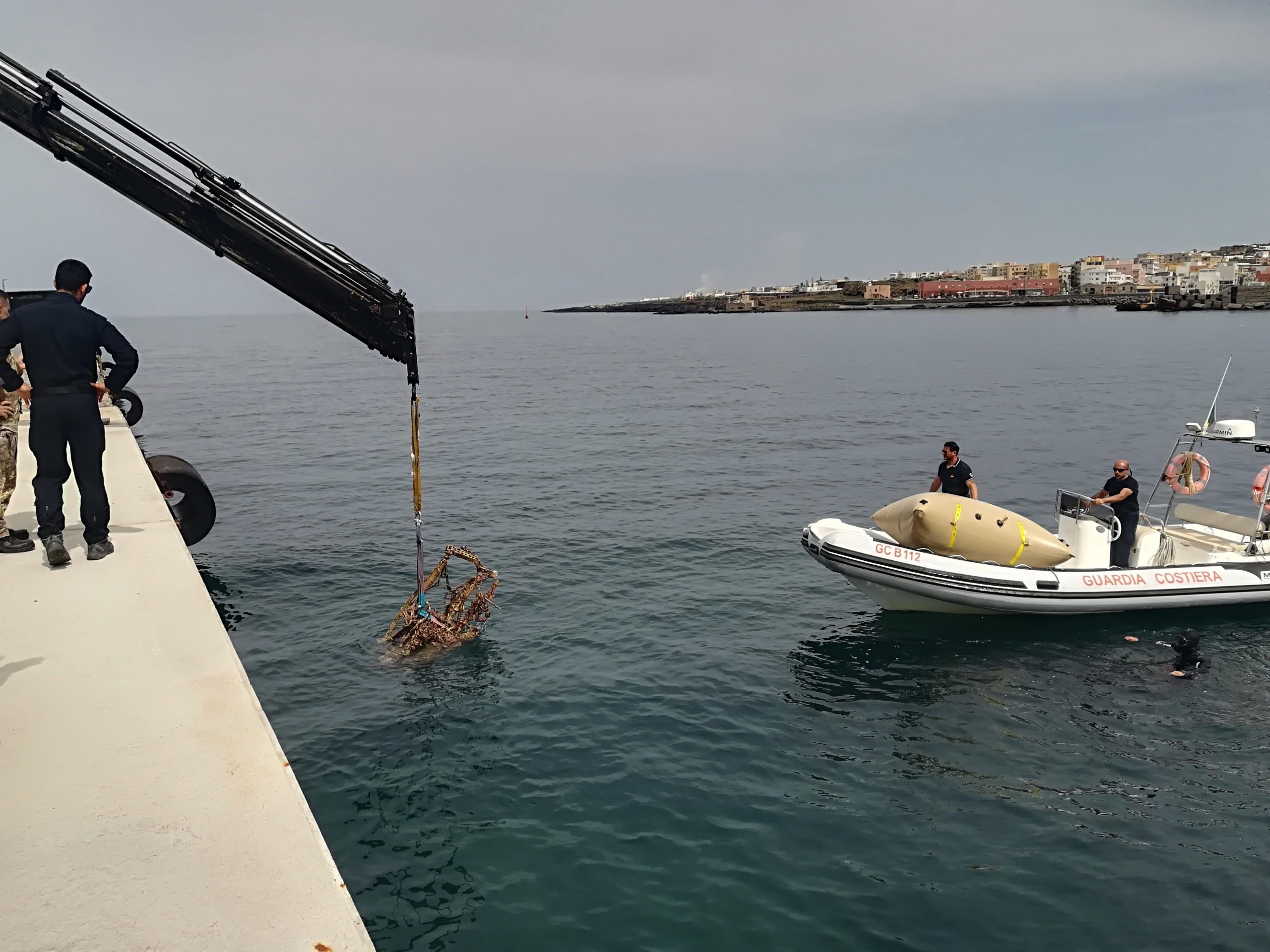
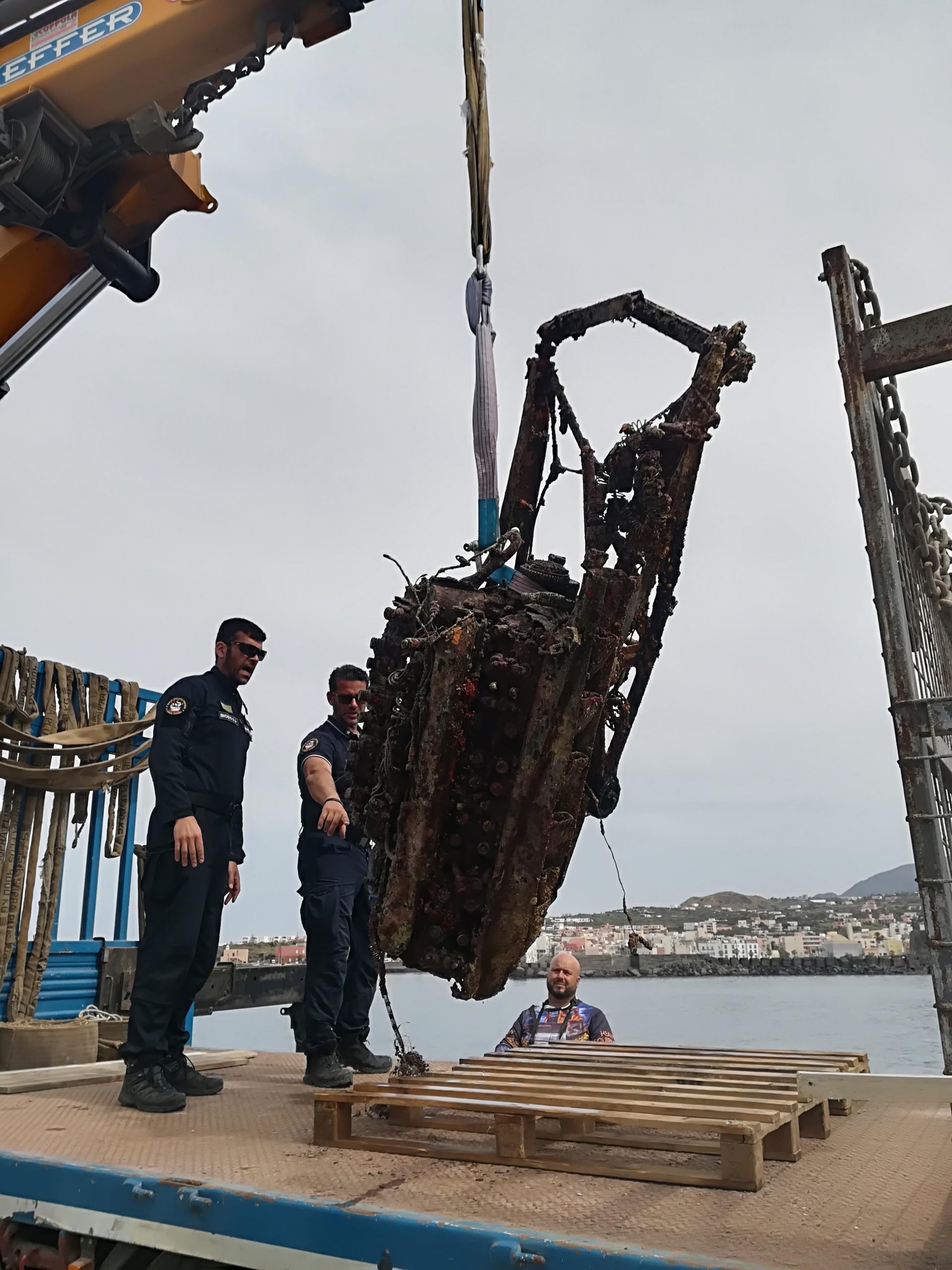
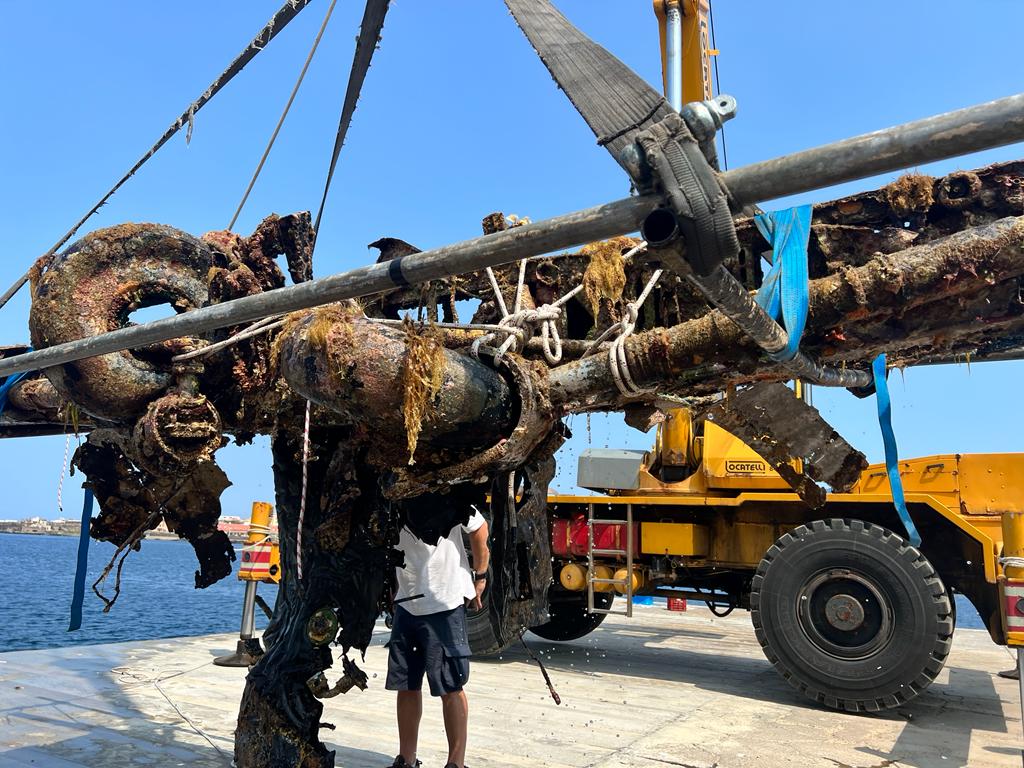
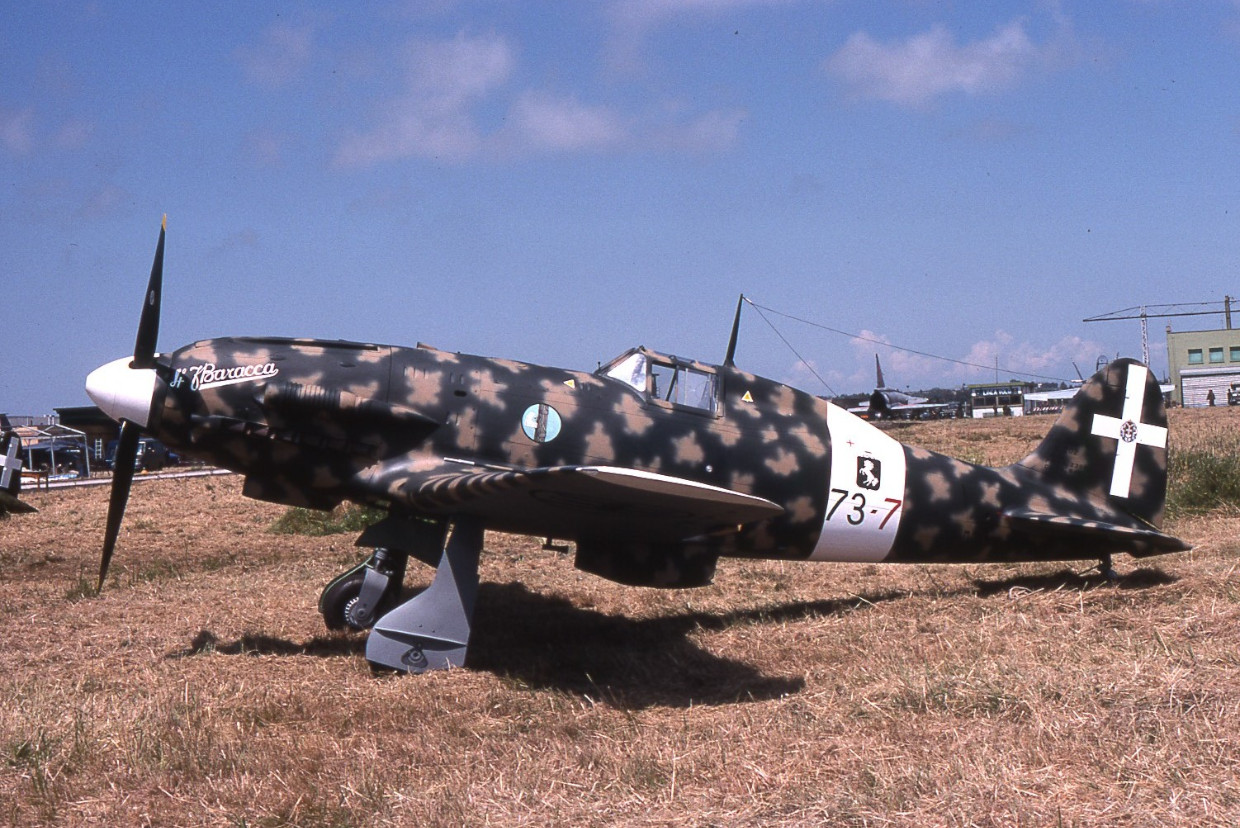
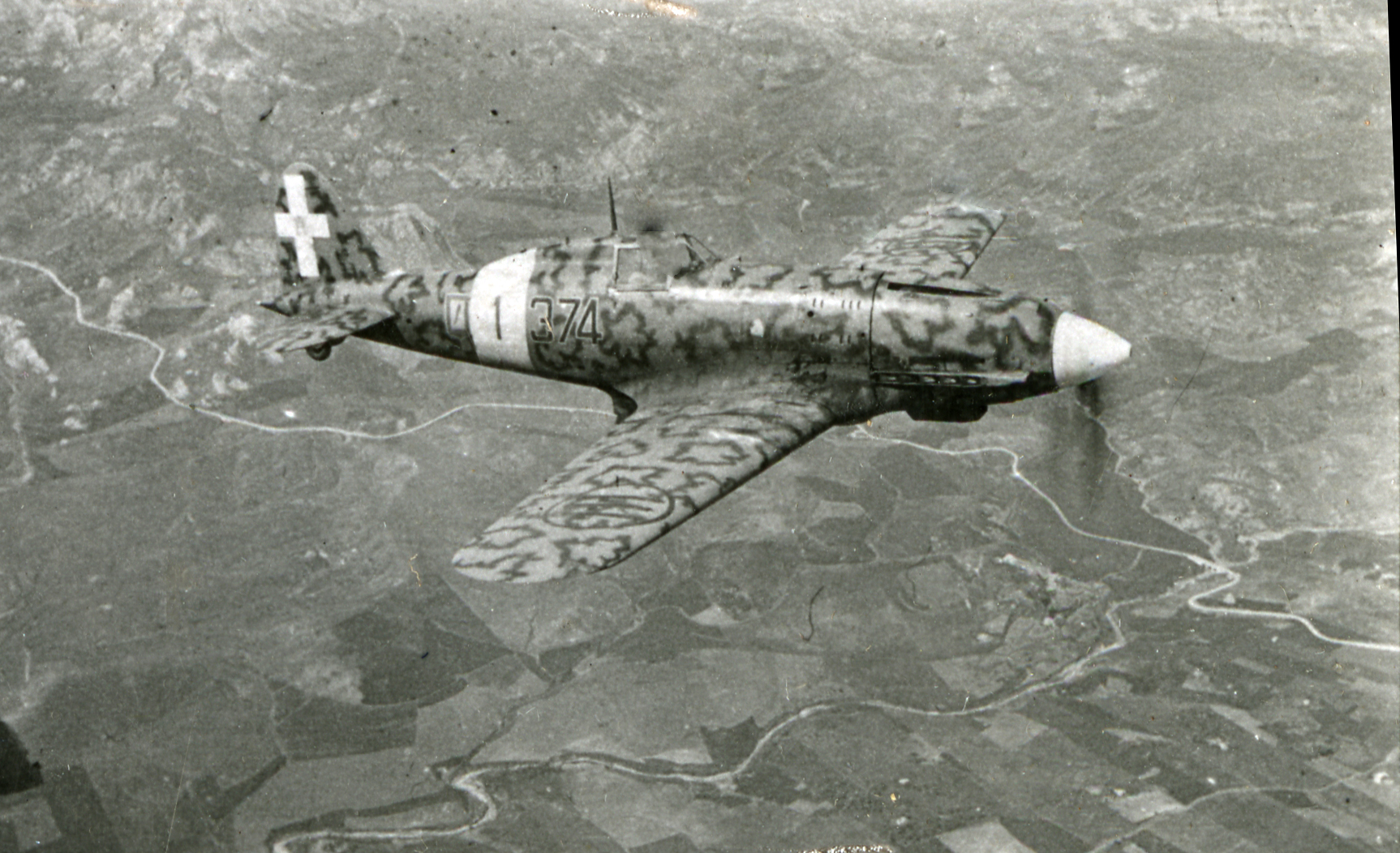
The joint operation was held in Pantelleria, in the Mursia area, Recovery from the backgrounds of an aircraft Macchi C.202 Folgore, used during the Second World War.
This operation saw the Italian Air Force involved through the Pantelleria Airport Detachment, the Superintendence of the Sea, the Coastguard, through the Pantelleria District Office and the 3rd Underwater Unit of the Coastguard of Messina.
The initial recovery operations, carried out in April, enabled the creation of complete video and photographic documentation, a photogrammetric survey, and a detailed three-dimensional reconstruction, as well as the uncovering of the aircraft's propulsion system, an inverted 12-cylinder engine.
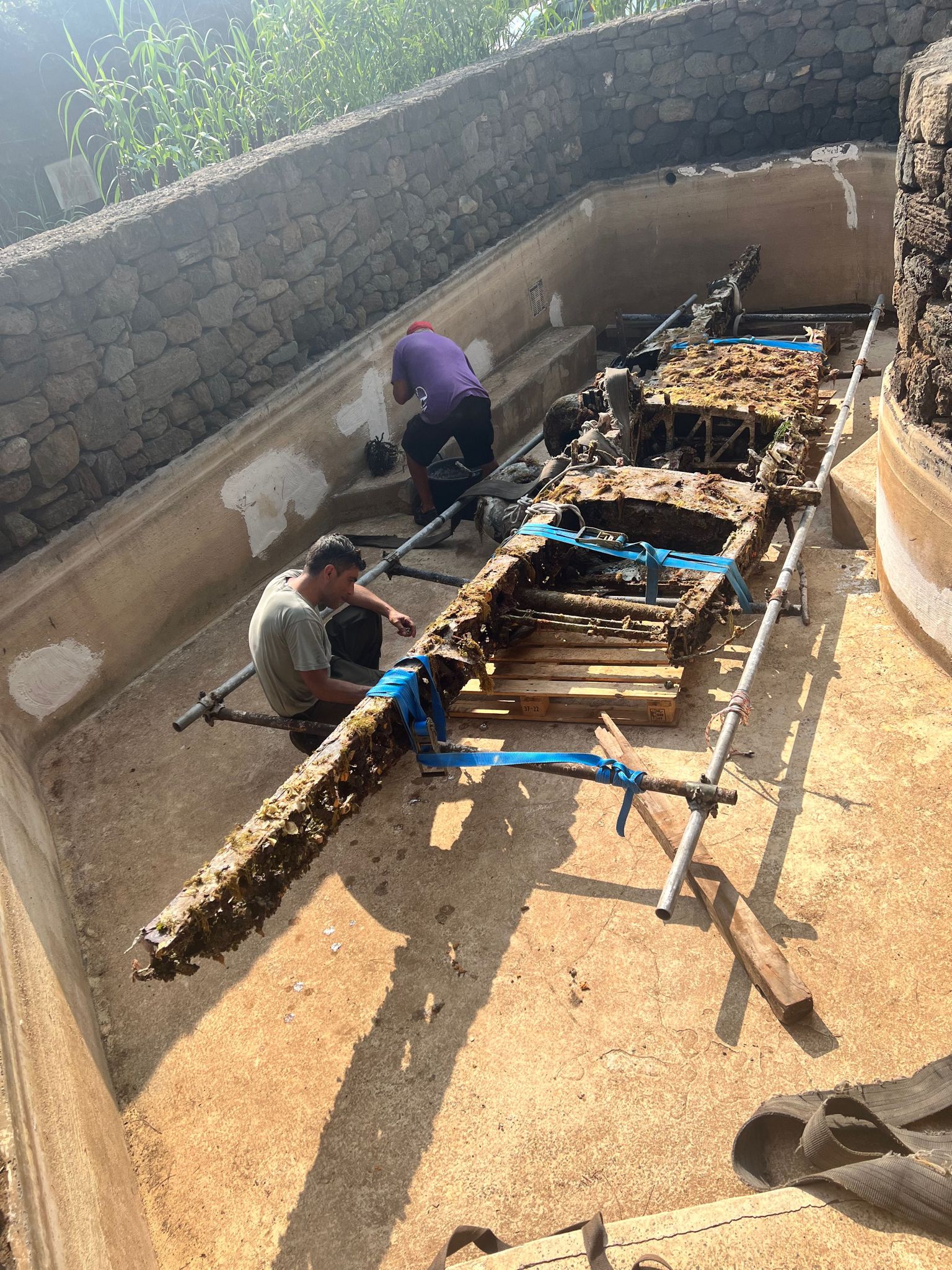
In recent days, with the intervention of the 3rd Sub-Aquatic Unit of the Messina Coast Guard, the wing plane was recovered through a delicate operation.
Thanks to a support created directly on the seabed at a depth of 30 metres and the use of lifting balloons, the fragile artefact, which still retains many of its components intact, has been brought back to the surface after 80 years spent on the seabed.
All the finds They have been placed at the Pantelleria Air Force base for the first desalination treatment. A multidisciplinary study, already underway for a few months, and some structural consolidation and restoration work will soon allow the aircraft to be exhibited in the “Nervi” hangar in Pantelleria.
the wreckage, identified in 2010, had been recovered’three-bladed metal propeller produced by Piaggio (a variable-pitch propeller in flight and constant speed, 3.05 metres in diameter), currently on display at the Italian Air Force headquarters in Pantelleria.
The story of the Macchi C.202 aircraft
The aircraft was designed by the Italian Aeronautica Macchi and remained in production between 1941 and 1943; it was an all-metal, single-engine, single-seat, low-wing cantilever monoplane fighter-interceptor with retractable landing gear. Used in the Second World War by the Regia Aeronautica, it was initially equipped with the German DB 601A engine, later built under licence by Alfa Romeo, and mounted armament of two 12.7 mm machine guns, to which two 7.7 mm wing-mounted weapons were added in later series. Equipped with all the most modern features for a fighter of the era, such as slats and a closed cockpit, it found its primary use in the North African theatre, where the majority of the squadrons that employed it took turns. “Lightning”. The aircraft recovered in Pantelleria is a Macchi C.202 bis series XI, equipped with the more powerful DB605 engine. From the information available so far, it is known that it was built by the Breda company of Milan in November 1942 and that it was probably shot down while defending Pantelleria from Anglo-American bombings during the final stages of Operation Corkscrew in June 1943.
L‘Historical context
The seas and skies of Sicily were the theatre of intense and dramatic wartime events during World War II, up to (and beyond) the landings on 10 July 1943.
The operation “Husky”, launched by Allied troops with the objective of opening a front on Italian soil for continental Europe, found the preceding conquest of the island of Pantelleria as one of its starting points.
Christened by the English “The Italian Gibraltar” and is defined by Winston Churchill “A thorn in the side”, the island of Pantelleria has been at the centre of preventive operations aimed at eliminating strategic strongholds present on the islands south of Sicily.
Following the surrender of Axis forces in North Africa between 11 and 12 May 1943, the Allies began preparations for the invasion of Sicily on 10 July, launching Operation “Corkscrew”, so as to finally remove the “cork” that was blocking the Strait of Sicily.
The first and most important objective was the island of Pantelleria, for its radar installations, the airfield and the annexed hangar “Nerves”, the largest protected aircraft hangar of its time, which could accommodate up to 80 aircraft. From May 9th to June 11th, 1943, the island was continuously bombed by USAF and RAF aircraft and subsequently isolated by sea with a naval blockade. The island's garrison surrendered on June 11th, 1943, after nearly a month of aerial bombardment during which over 6,200 tonnes of bombs were dropped.
In its depths lie, as this recovery testifies, multiple wrecks of naval and aerial vessels, dramatic witnesses to a terrible and at the same time grand event, the eightieth anniversary of which we mark this year.