In 1962, the Italian Air Force began training pilot cadets using a jet aircraft from the outset. This year also marks the anniversaries of the founding of the Flying Groups.
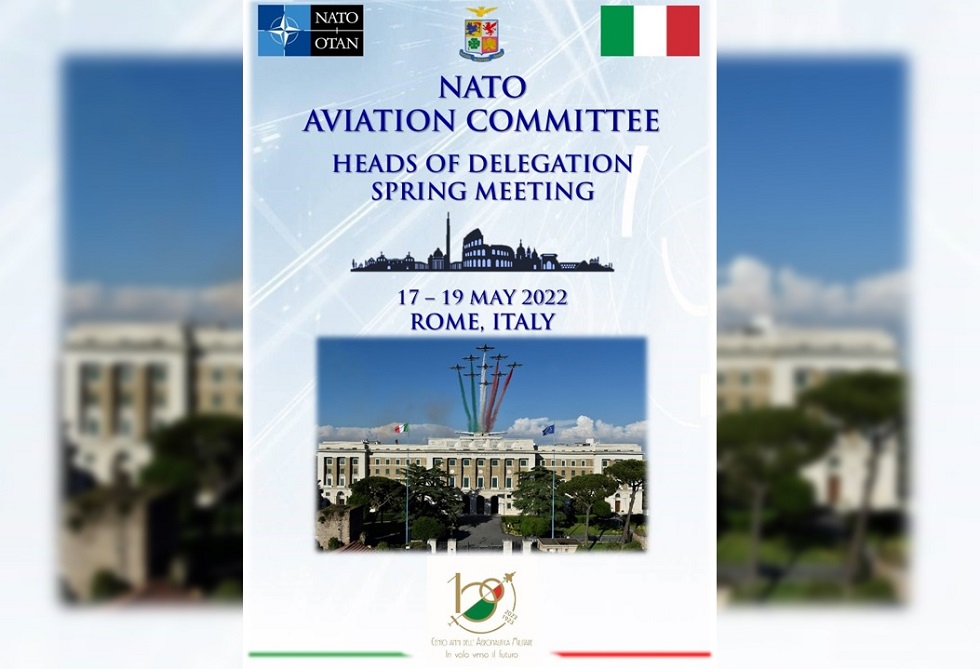
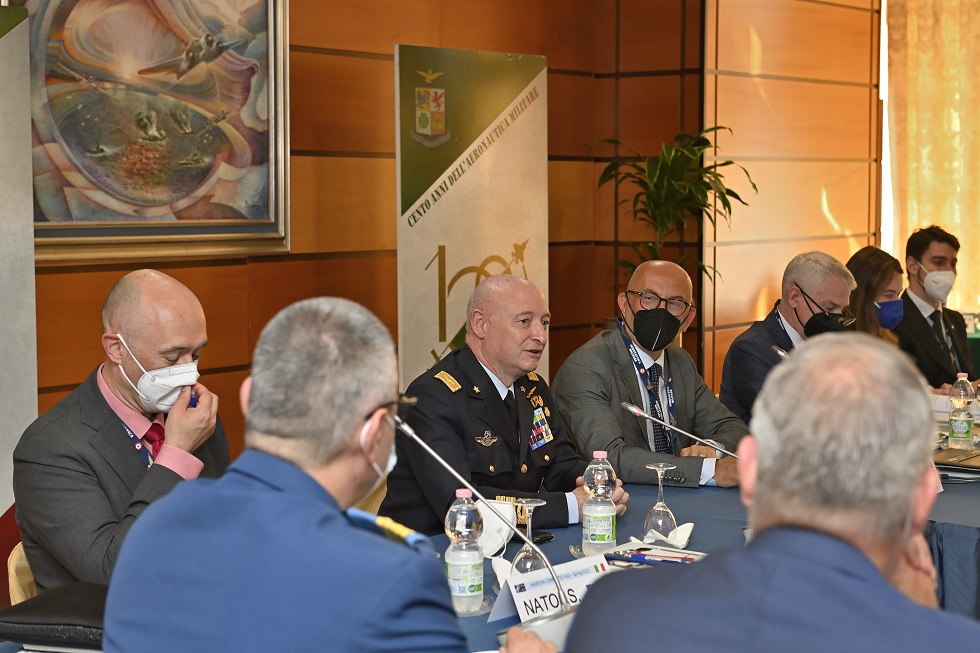
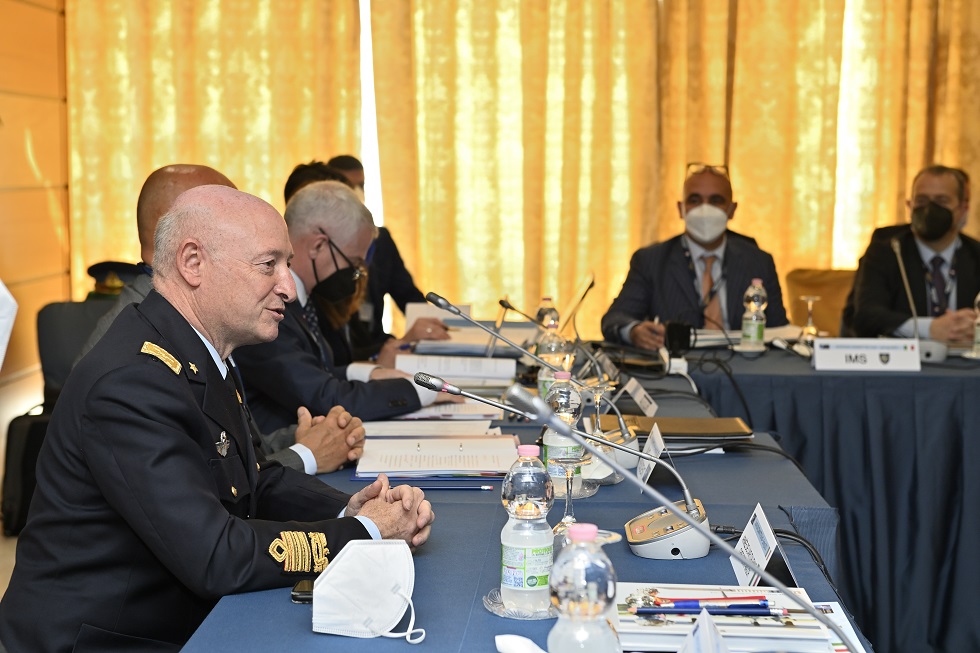
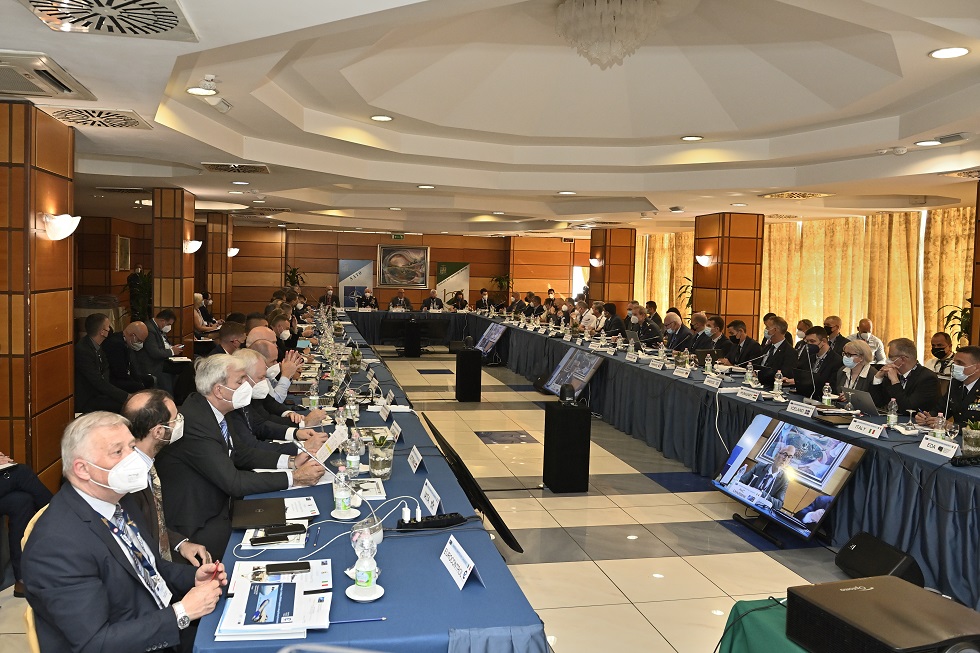
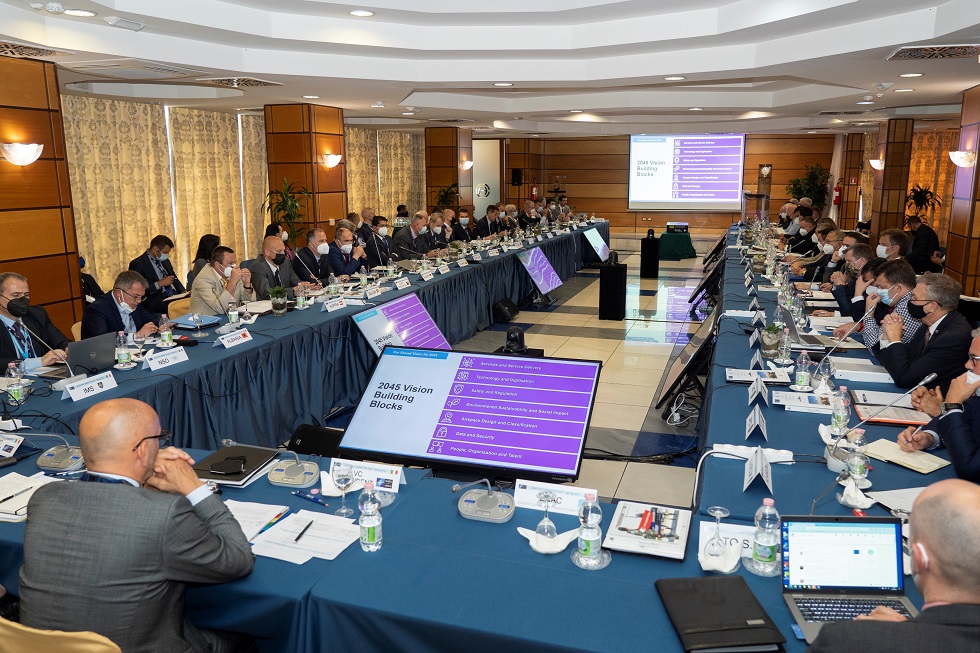
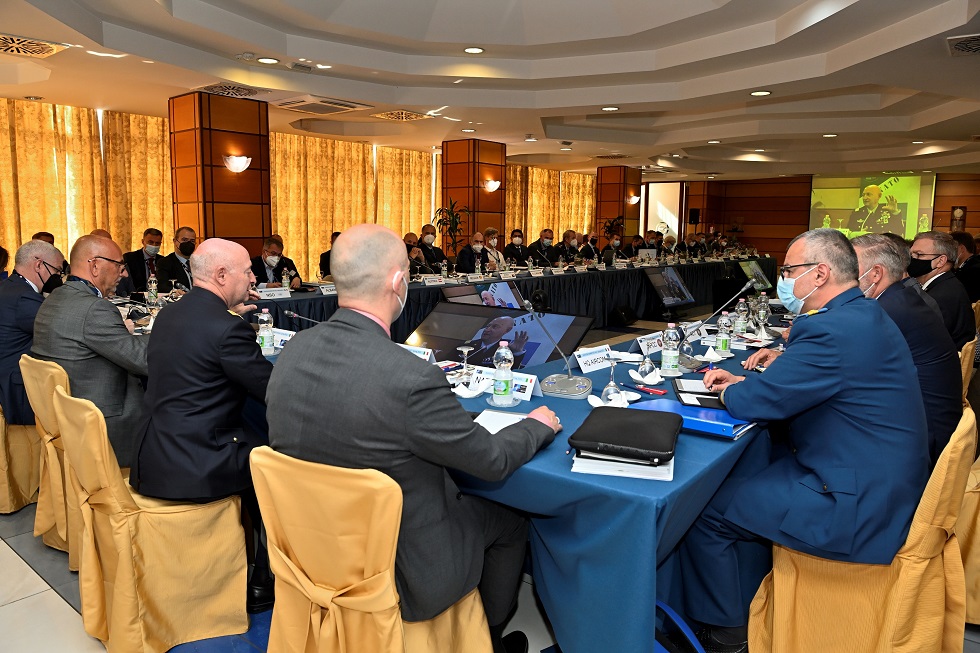
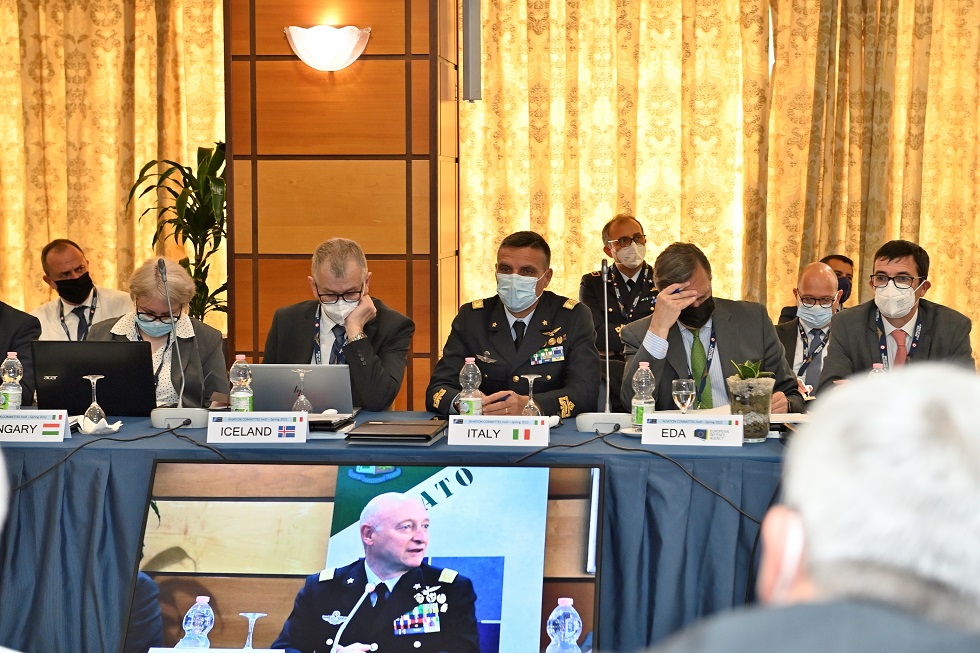
The’NATO Aviation Committee met in Rome from 17 to 19 May to discuss the prospects for future civil-military cooperation in the aviation sector.
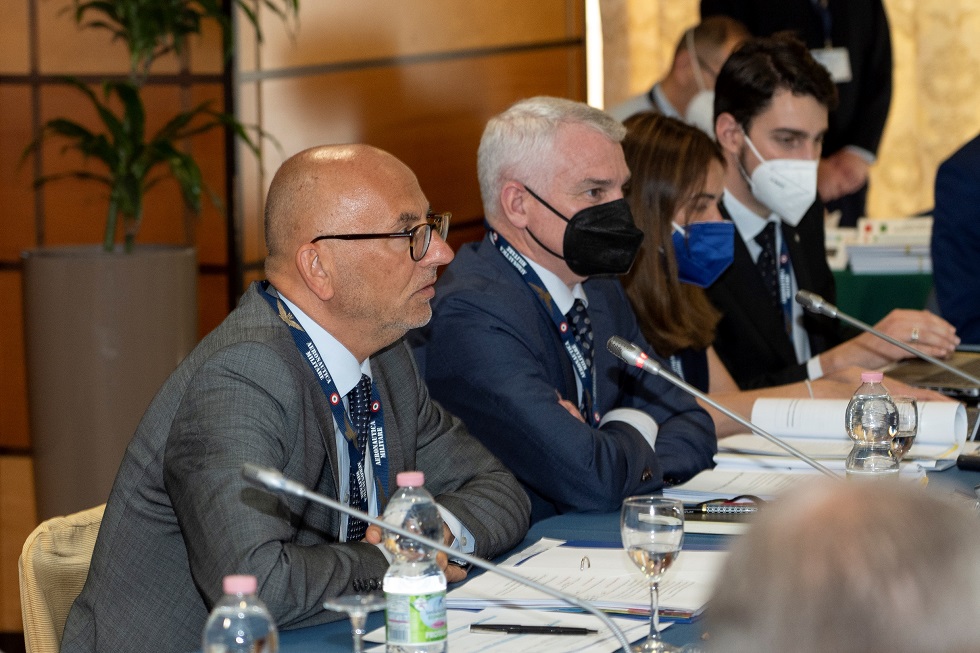
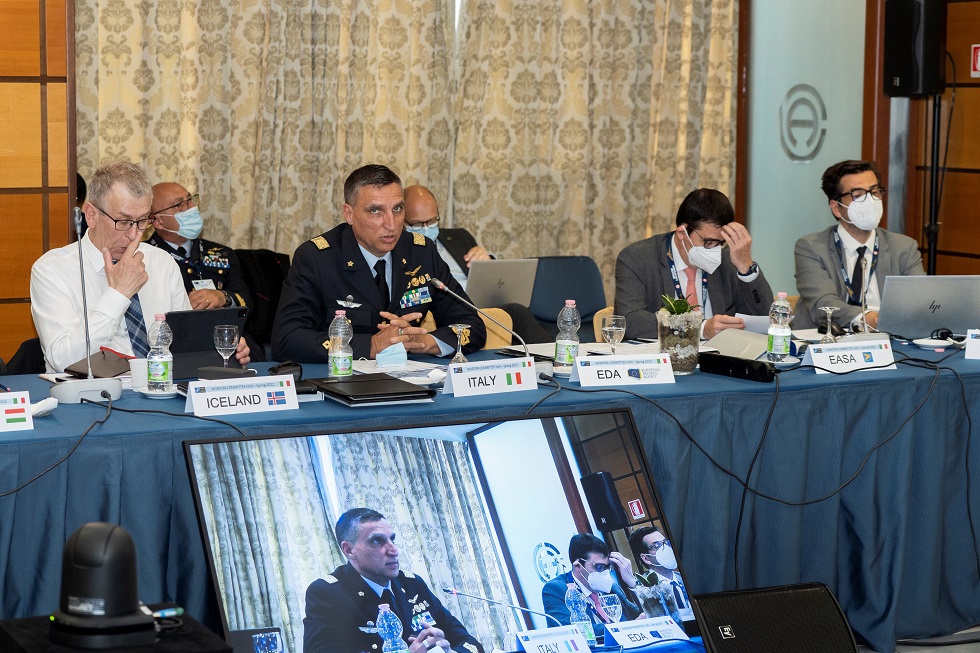
The event was co-organised by NATO and the Italian Air Force and was chaired by Dr Giorgio Cioni, Director for Armaments and Aerospace Capabilities at the NATO Defence Investments Division. The event saw the participation of representatives from NATO member countries and partners, as well as international organisations and other key civilian and military institutions operating in the aviation sector. The Committee provided an important platform for Share opinions on the opportunities and challenges for expanding multilateral cooperation on aviation issues, including their implications for the environment, a few weeks before the upcoming NATO summit in Madrid at the end of June.
“NATO's defence and deterrence capabilities are supported by the role of aviation. This requires a comprehensive, dedicated, and collective approach between military and civilian spheres, both nationally and internationally. Furthermore, the Aviation Committee is the forum where member countries, partners, and international organisations interact in the context of NATO missions, operations, exercises, and training.” these are the words of Dr Cioni, Chairman of the Aviation Committee.
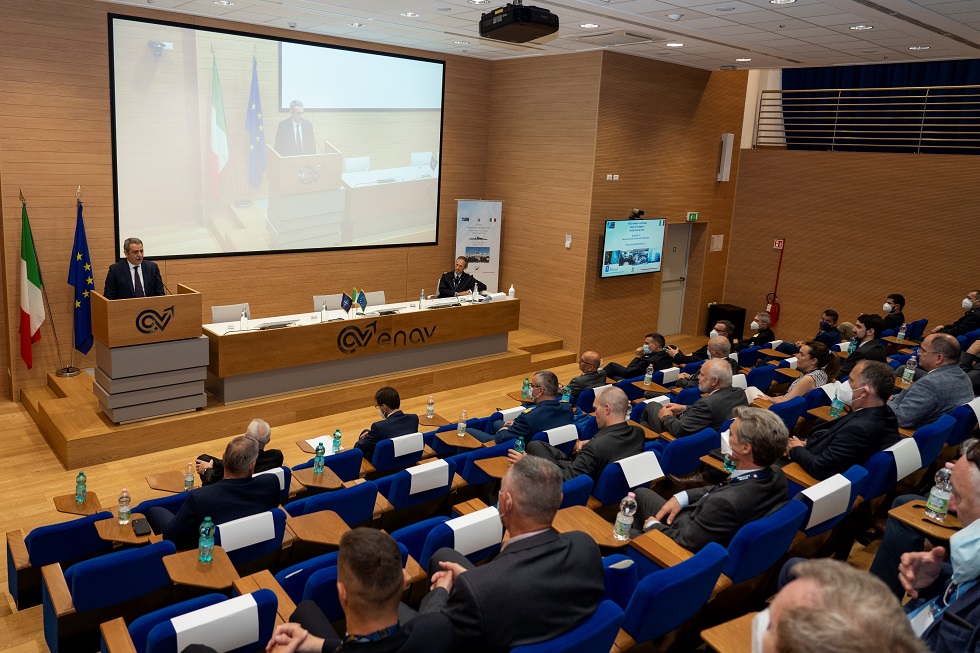
It Chief of Staff of the Air Force, the Air Force General Luca Goretti, welcomed the participants and opened the proceedings by highlighting the importance of this Committee as an advisor to the North Atlantic Council on aeronautical aspects.
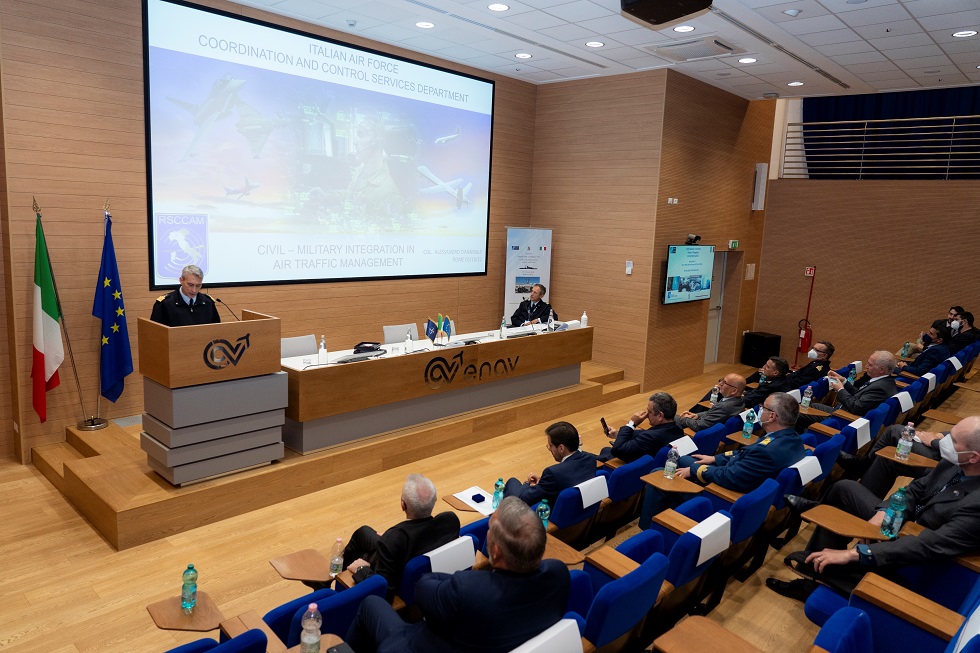
“In the scenario of instability and challenges for NATO member countries and partners, the role, tasks, and missions carried out by the Alliance's Air Forces are today even more indispensable and urgent. The Air Component represents one of the fundamental capabilities of the Alliance.”he said General Goretti. “On 21 March, the European Union approved the Strategic Compass, the EU's guiding document for security and defence policy. Within this framework, I believe that, as NATO Military Authorities, we have a need to pursue mutual benefit through greater cooperation between NATO and the reciprocal exchange of ‘best practices”he added.
The mandate of the’Aviation Committee is to support the Alliance's efforts to continue adapting to evolving security scenarios in an increasingly complex and interconnected airspace.
It President of the National Civil Aviation Authority (ENAC), Dr Pierluigi Di Palma, provided some insights into relevant civil and military matters.“Enac and the Air Force have an excellent working relationship in all areas of aviation – stated – particular attention is paid to the correct management of shared airspace. In order to ensure lean and efficient governance, the High Level Policy Body has been established, a high-level steering body for sharing development strategies in both the civil and military sectors with the aim of coordinating and directing choices in activities.“
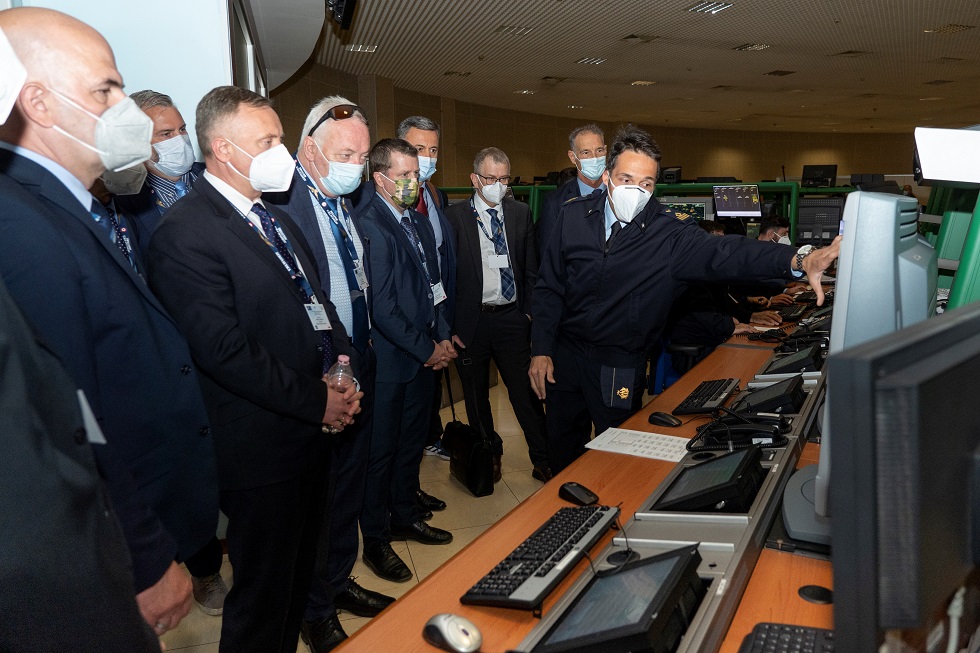
The meeting agenda also offered participants the chance to visit the Rome Civil-Military Area Control Centre, where ENAV (the main national civil provider of ATS services) and Military Air Traffic Controllers work together for the safe, shared use of airspace.