The conference, organised by the Military Aeronautics Study Centre, focused on the CeMATA project, which will be launched at the headquarters of the 1st Air Region in Milan.
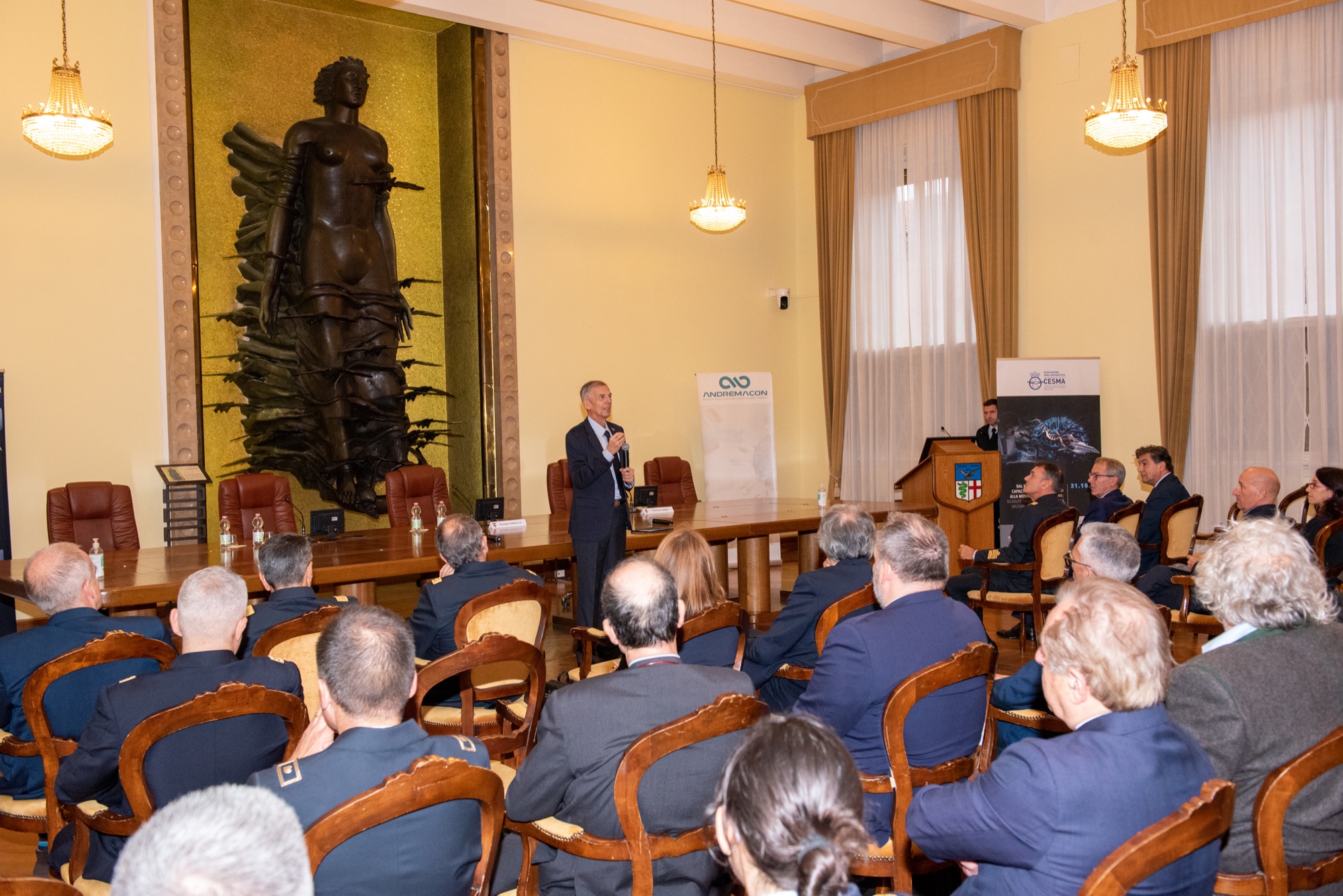
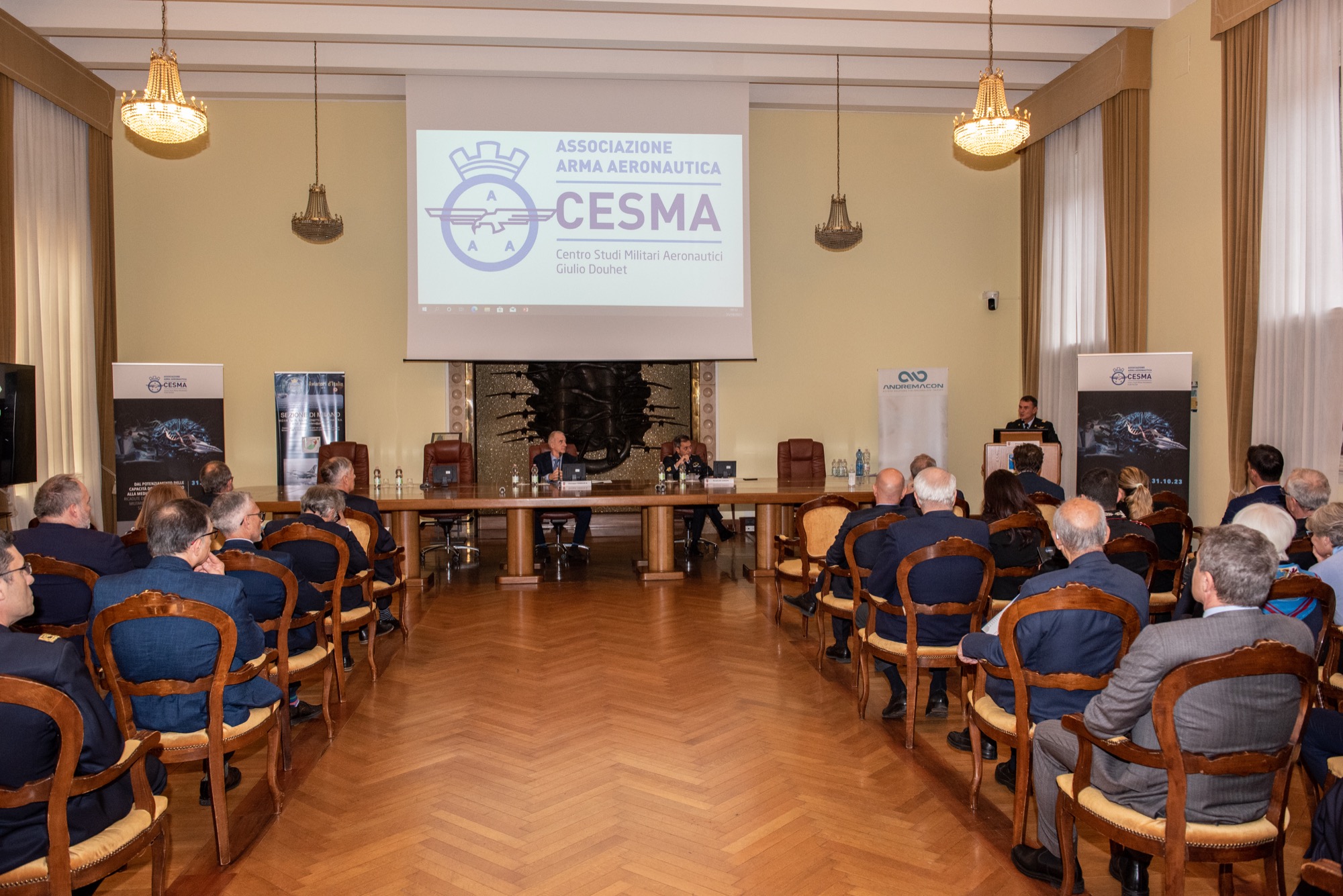
On Tuesday 31 October, the conference organised by the was held at the Headquarters of the 1st Air Region in Milan, CESMA (Centre for Military Air Studies) on aerospace medical research and experimentation.
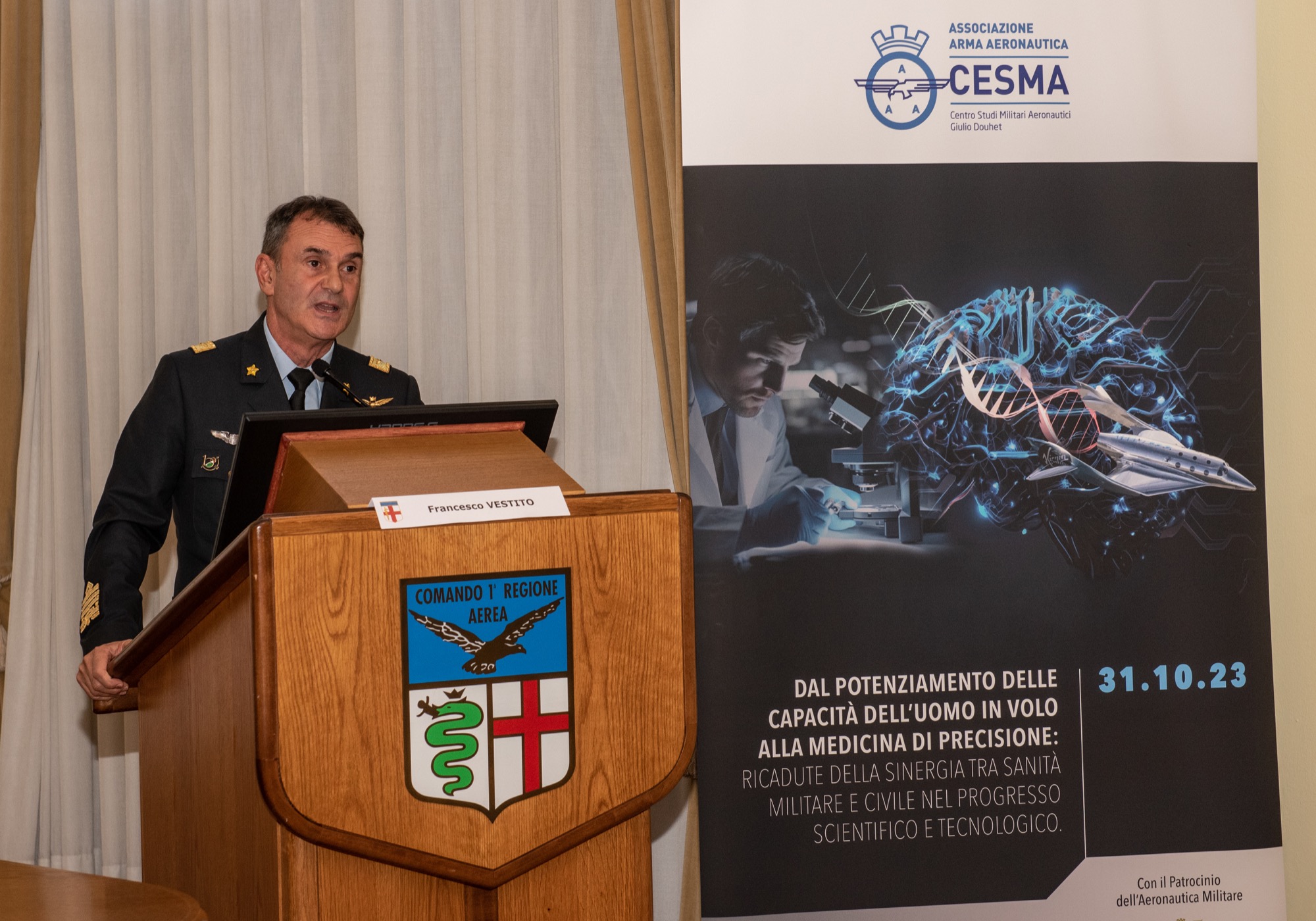
It Air Force General Francesco Vestito in his introductory speech, acting as a spokesperson for the message of Chief of Staff of the Italian Air Force General Luca Goretti, and referring to the CeMATA project (Advanced Therapy Aerospace Medical Centre) which will be launched at the headquarters of the 1st Air Region in Milan, wanted to emphasise that: “The project stems from the desire to share the experiences and knowledge gained by doctors in our healthcare system within a highly specialised collaborative context with challenging objectives, which sees the full involvement of the Italian Air Force, and Milan's university medical-scientific and business communities. The notions of duality, precision and epigenetics are the concepts upon which studies such as the TORNADO or VIRTUTE I projects are hinged, aimed at the development of new drugs and curative therapies. In its DNA, the Italian Air Force is always geared towards future challenges, and space experimentation represents a further compelling field of progress”.
The conference proceedings, which included speeches by numerous speakers from the academic, scientific, healthcare and business sectors, were opened by Maj. Gen. (Ret.) Giovanni Fantuzzi, Director of CESMA, who wished to emphasise the Armed Forces’ crucial ability to have recognised, right from the outset, the importance of research and experimentation in the aerospace sector and to have supported its development in Milan through the CeMATA project. General Fantuzzi also emphasised that one of CESMA’s missions is to contribute, through conferences and publications, to raising awareness amongst a wide audience of the technologies, capabilities and excellence demonstrated by the Italian Air Force.
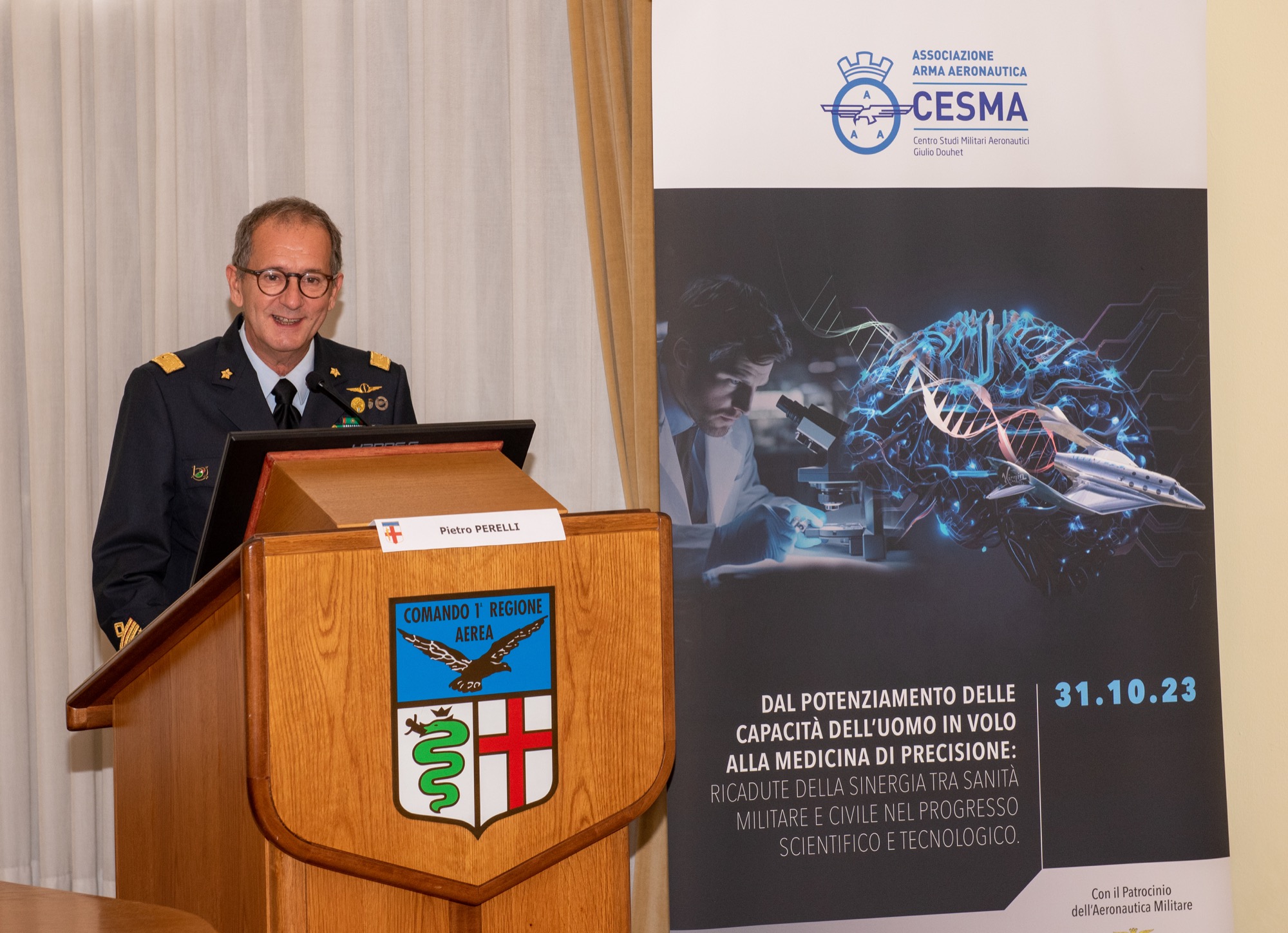
Among the speakers present were leading figures from the health service, including Chief Inspector Pietro Perelli, Head of the Corps, and the Brigadier General Emanuele Garzia, Director of the Milan Institute of Aerospace Medicine. In their speeches, they sought to represent the professional evolution of the Corps and how, starting from the 1980s, the first medico-scientific experiments in space were initiated, which were then followed by the natural development of study projects on the longevity of flight personnel, such as the aforementioned TORNADO and VIRTUTE I. In particular, attention was drawn to the transition from traditional medicine to predictive and precision medicine.
There followed speeches by the representatives of the bodies involved in the CeMATA project including the Architect Marco Giachetti, President of the Fondazione IRCCS Ca' Granda Ospedale Maggiore, Professor Gian Vincenzo Zuccotti, Pro-Rector of the University of Milan, as well as representatives of bodies with a strong interest in the project, such as the IRCCS Mondino Neurological Institute of Pavia, represented by Dr Roberto Bergamaschi.
Among the researchers and doctors present, including Medical Captain Giovanni Marfia, of’Milan Aerospace Medicine Institute, one of the most respected figures in this field of research, there has been a succession of speeches illustrating ongoing studies on precision medicine, epigenetics and’aging or omics sciences. Furthermore, an overview was provided of how experiments have been conducted in space, with particular regard to the effects generated on humans by microgravity and other existing conditions such as cosmic radiation, UV rays and oxidative stress. The aim is to identify and test countermeasures regarding the accelerated cellular ageing processes of flight crews and astronauts and to develop new therapies designed to slow down the conditions that cause degenerative diseases.
Representatives of the companies A-Tono and Andremacon Biotech, directly involved in the TORNADO and VIRTUTE I projects, explained the fundamental function of artificial intelligence technology for the management of collected data and the importance of conducting experiments in microgravity and extreme conditions for the research and development of biomaterials, pharmacology or astrobiology.