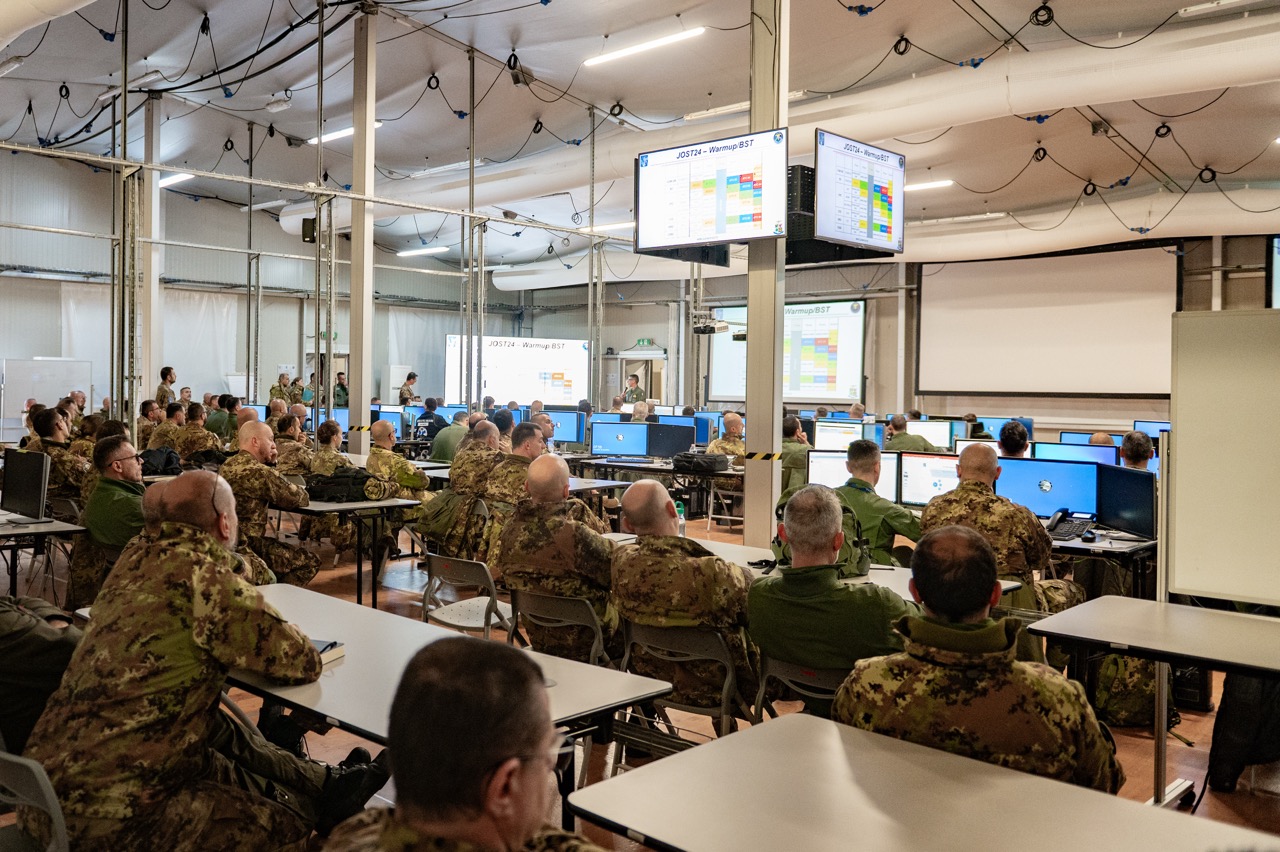
Planned and conducted by the Joint Operations Command, it is Defence's most important joint exercise conducted in a multi-domain environment
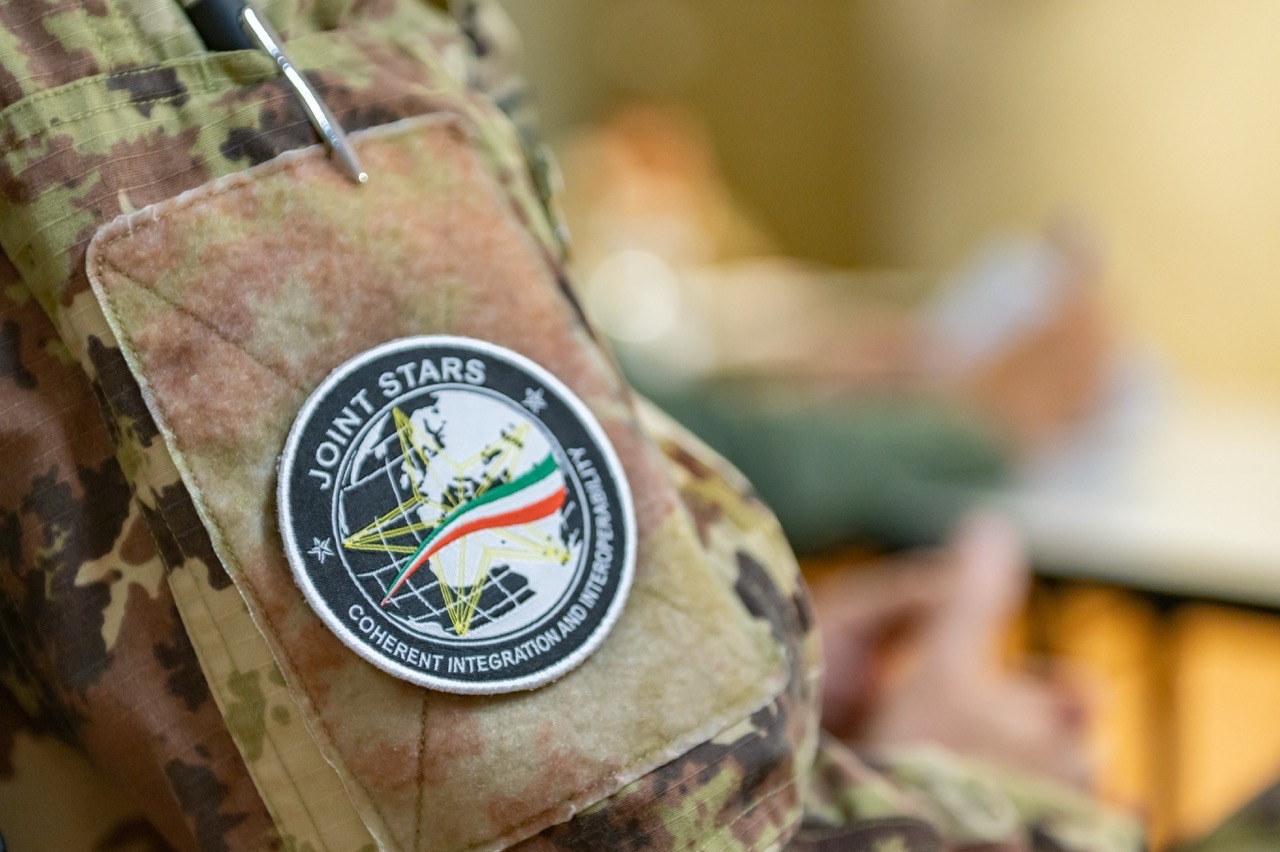
The... has ended Joint Stars 24 (JOST 24), exercise held between the 11th and 29th of November last, which involved two different sites: the ’Mar Grande“ Naval Station in Taranto and the Italian Air Force base in Poggio Renatico.
JOST 24 is the largest and most complex exercise event of the year for Italian Defence, planned and conducted under the leadership of COVI (Joint Operations Headquarters), tailored to the prerogatives established by COVI Commander, General Francesco Paolo Figliuolo: “inter-agency, multi-domain and integration”.
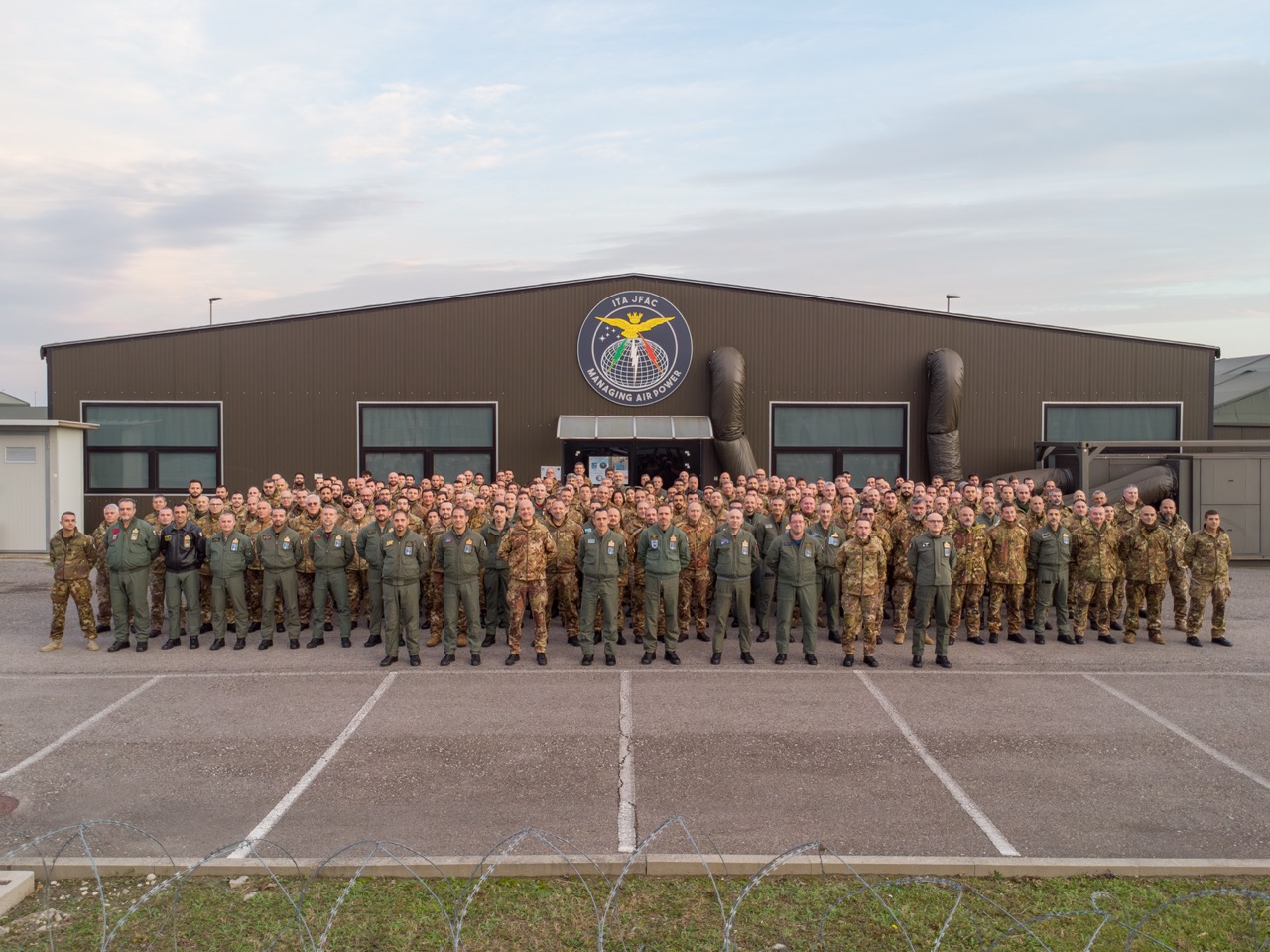
The Italian Air Force contributed substantially to the exercise with a significant proportion of its personnel. In particular, the Poggio Renatico base acted as the seat of the Air Component Command, serving the joint and international force, which simulated a collective defence operation entrusted by the NATO to Italy.
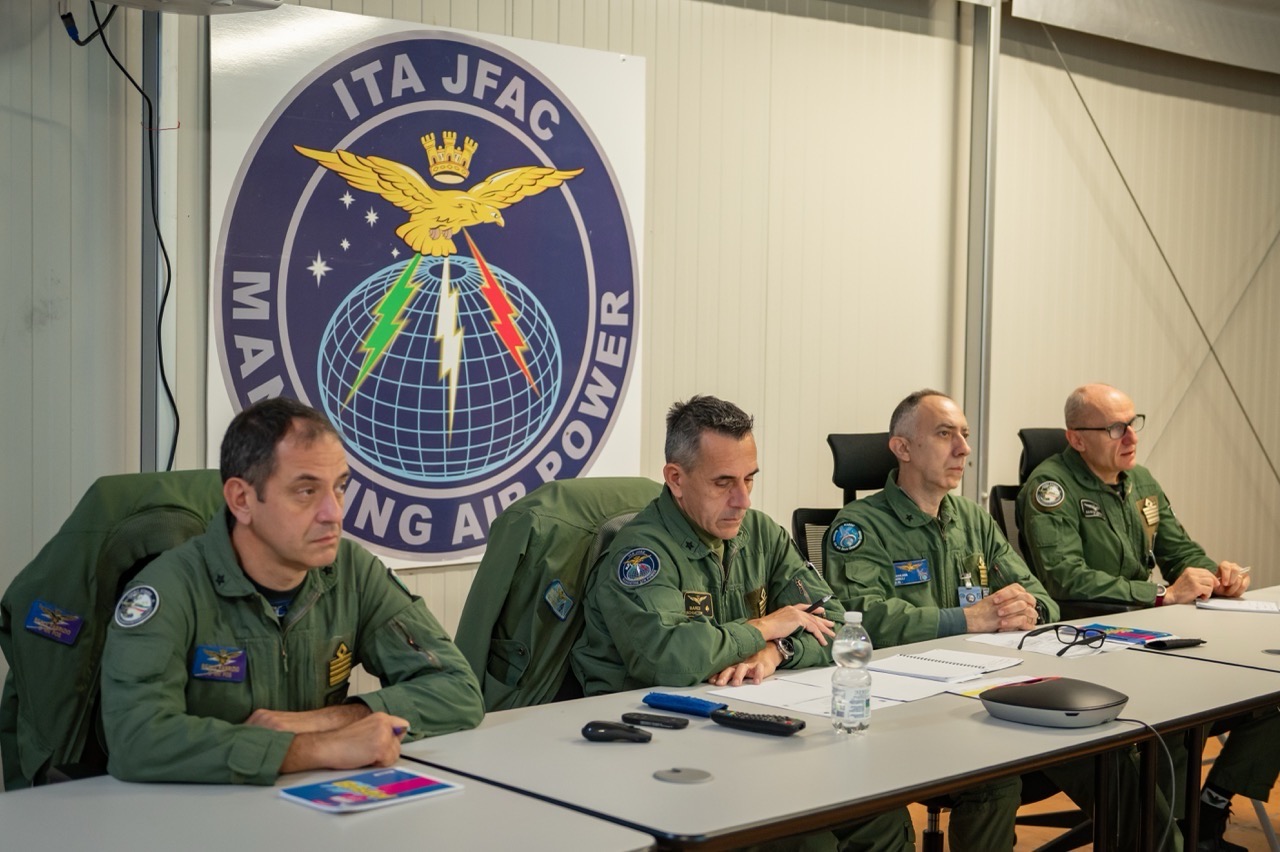
It JFAC (Joint Force Air Component) It was used as the Air Component Command, alongside the other units under the command of the Combined Joint Task Force (C-JTF), the Joint Command for the exercise scenario, based on the Italian Navy’s Garibaldi, at the Taranto Naval Base.
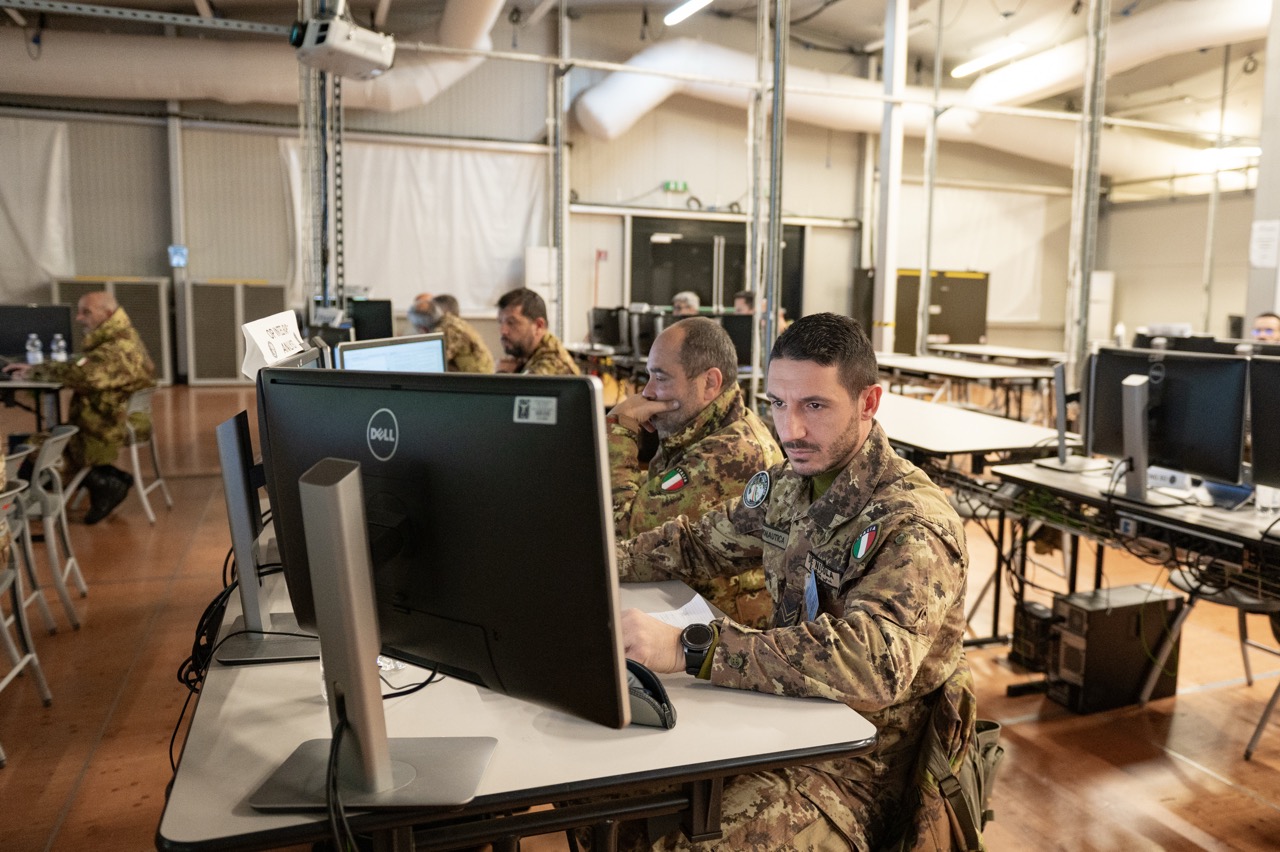
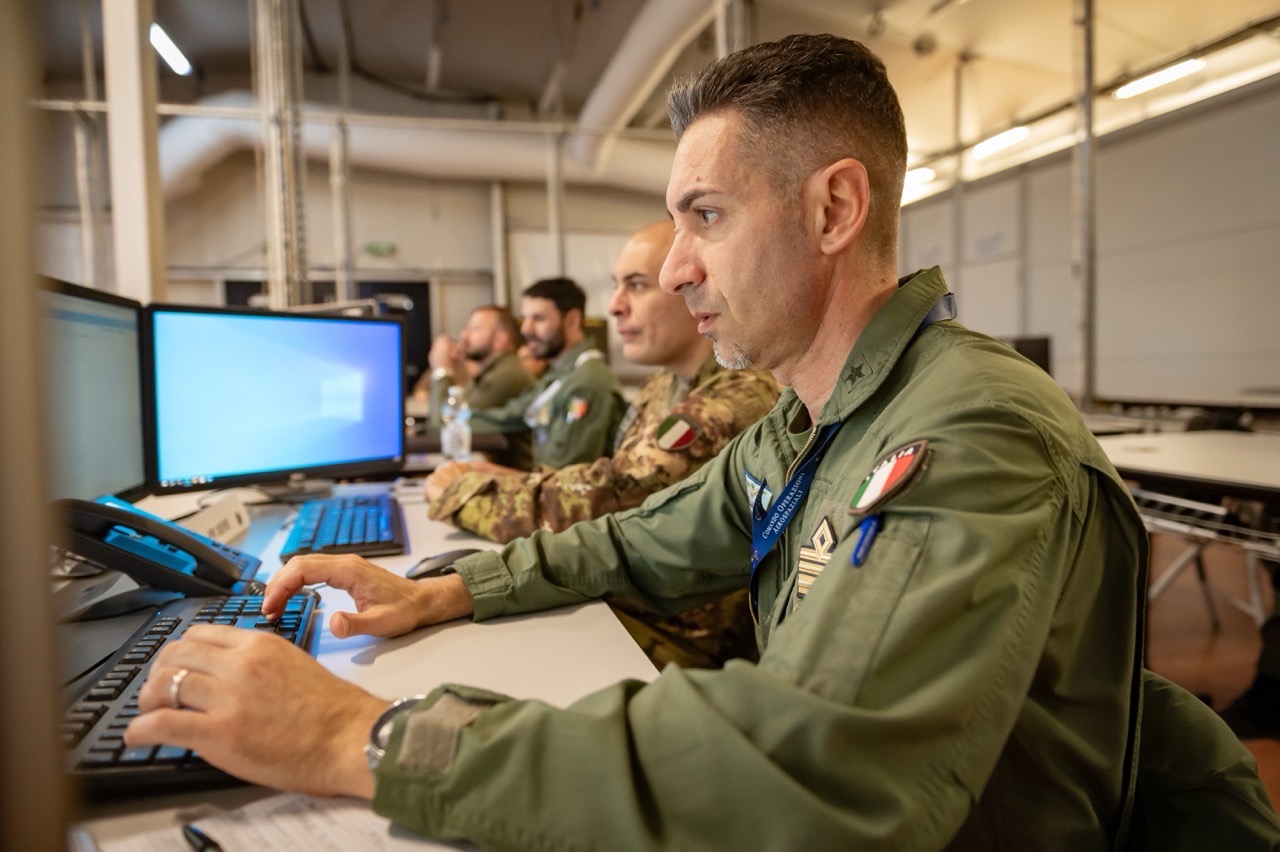
The JFAC’s structure is modular and adaptable to all possible operational requirements; it retains a core (the “core”) within the Poggio Renatico CAO (Aerospace Operations Command), and is largely staffed by COA personnel themselves, alongside other highly qualified professionals (in the role of the so-called “augmentees”) found throughout the Armed Forces, in both operational and logistical and support roles, demonstrating the COA’s leading role in the field of C2 (Command and Control) and its comprehensive capability in the planning and conduct of the full range of aerospace operations.
“This capability, which only six NATO countries, including Italy, possess – as the Commander of the COA, Major General Luca Maineri – It is made available to the nation and to the Alliance, and it is something that makes me particularly proud”.
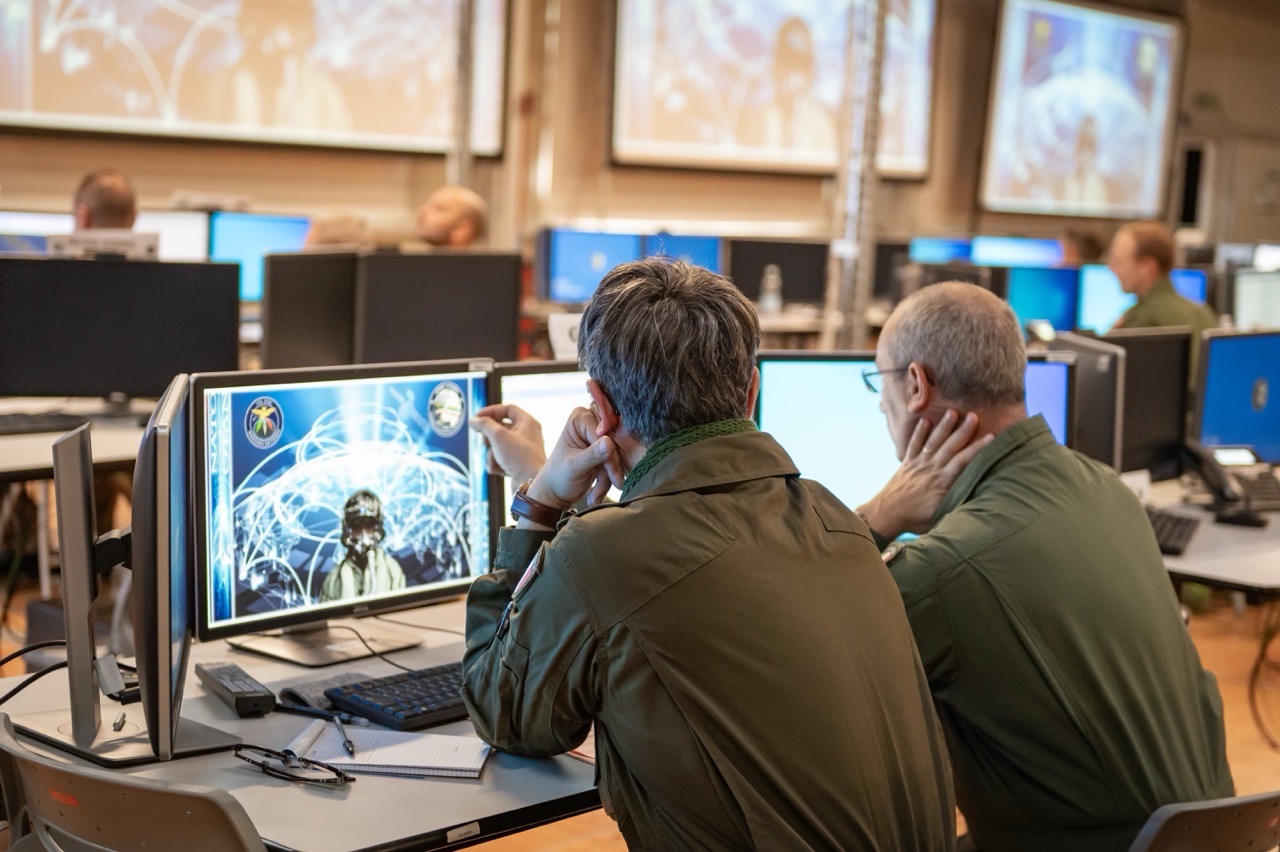
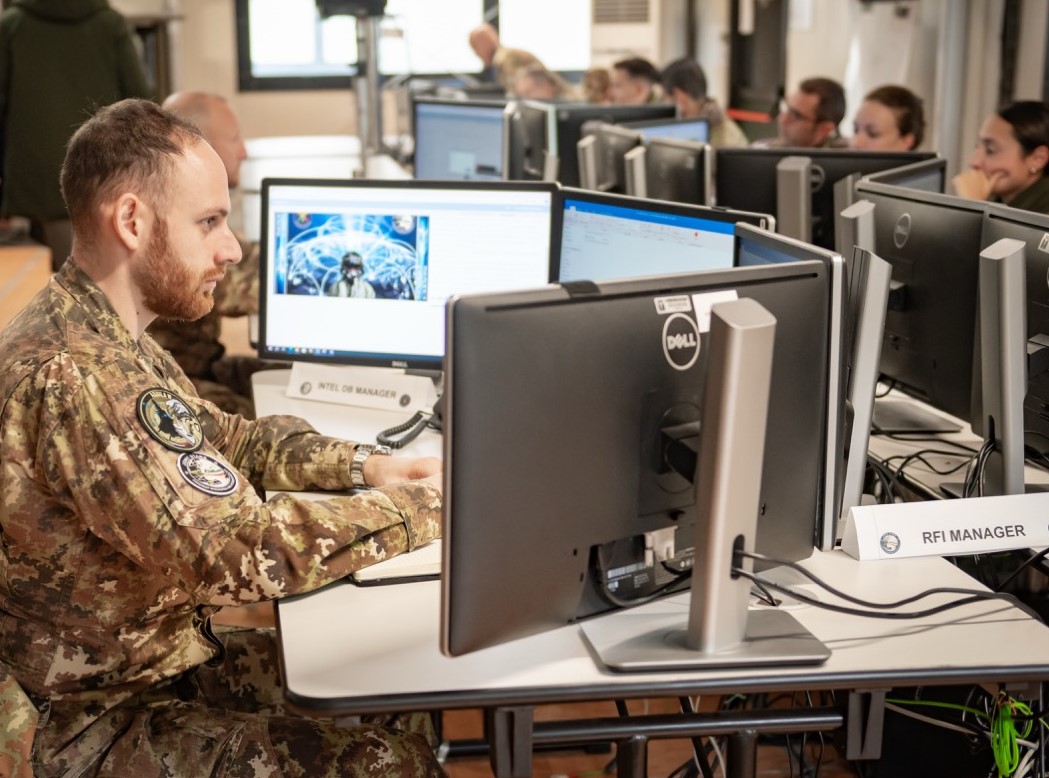
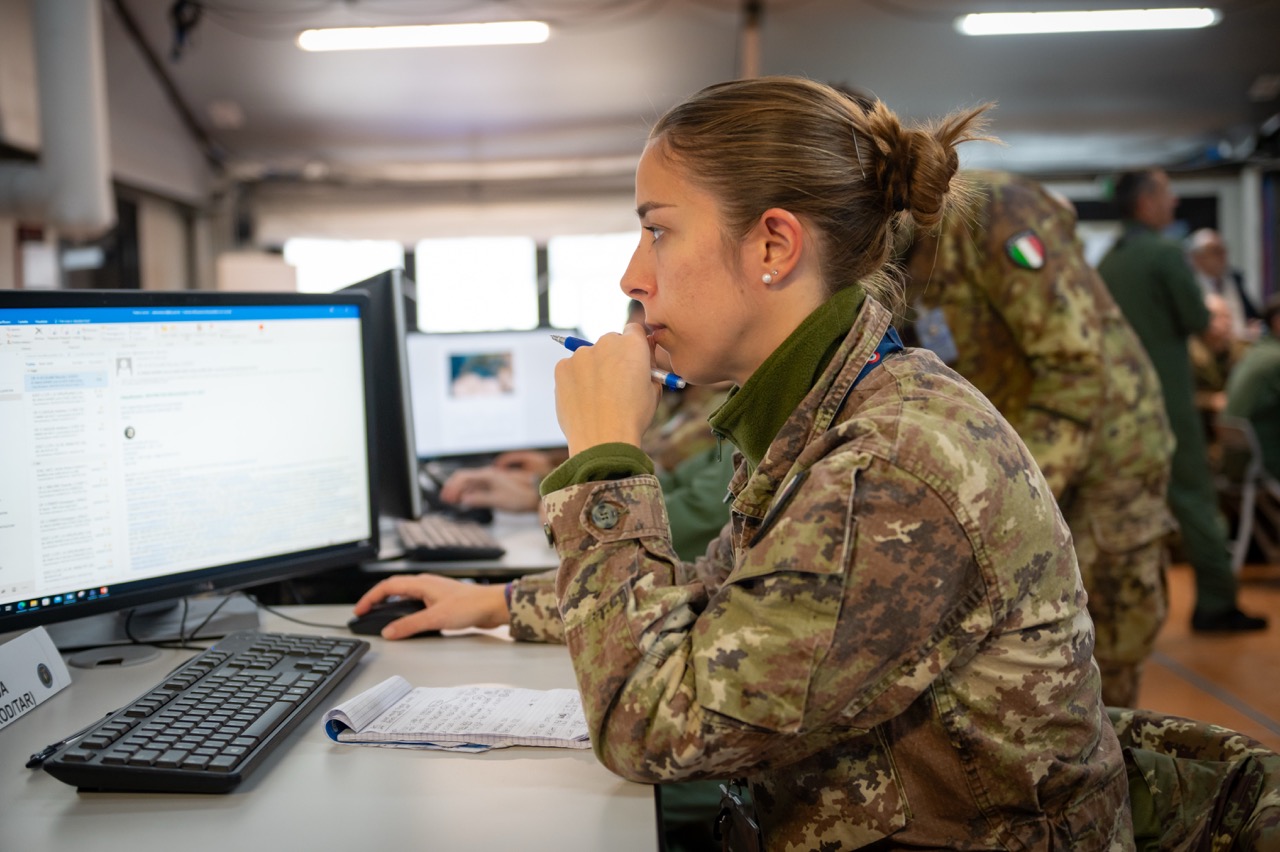
The JOST 24 it was carried out in CPX format (Command Post Exercise, i.e. Command Post Exercise), that is to say, in the format virtual without the actual use of equipment and weaponry. This method of training represents a saving in terms of resources, whilst preserving the ability to act (and react) across all strategic, decision-making, operational and tactical processes replicated in a simulated environment.
The main purpose of such events is to enable the Armed Forces to maintain a high level of operational readiness, so that they can respond promptly in an emergency. These are the hallmarks of an efficient military force that can be deployed at short notice, both to carry out its institutional duties at national level and within the broader context of international Alliance or Coalition missions.
The scenario played out was particularly complex and challenging, involving not only the traditional domains (land, sea, air), but also the more modern domains (space and cyber), providing a wealth of food for thought for all the components involved.