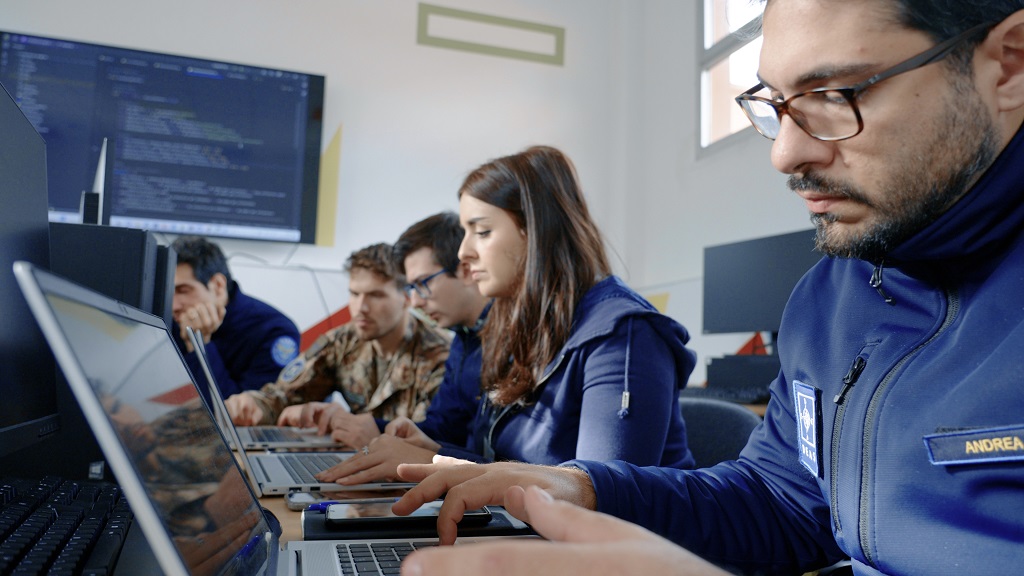
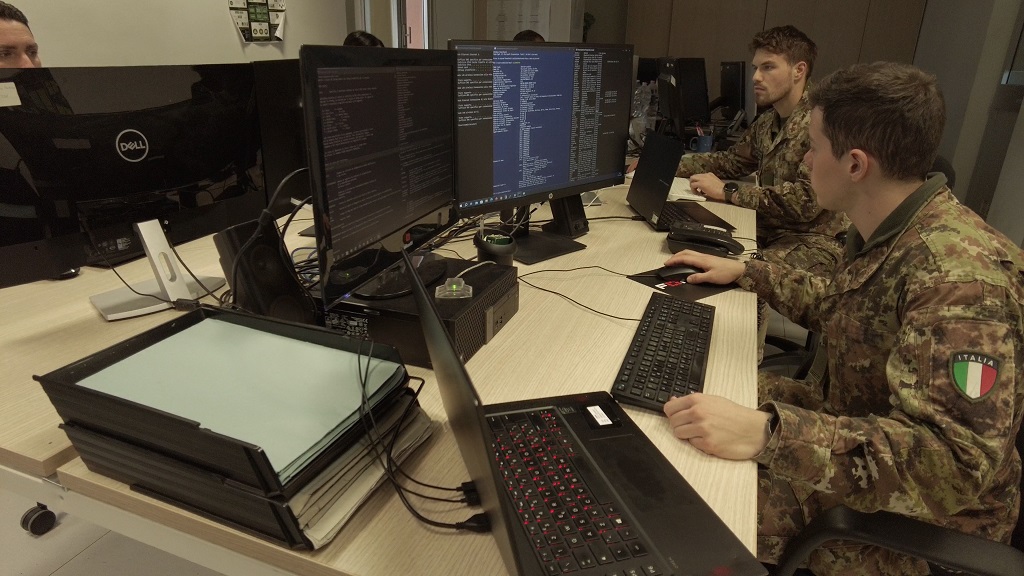
Three months of uninterrupted activity and over 720 million data analyzed, In the context of a simulation scenario in which over one hundred specialized operators, both from the Armed Forces and civilians, worked in close synergy to address the main evolutionary challenges of the information world and assess the impact of innovative technologies to enhance the security and defense capabilities of the Air Force in the cyber domain.
Here are the numbers of the “Cyber Eagle 2023”, a planned and conducted cyber security exercise by the AM Logistics Command in partnership with DEAS (Defense and System Analysis), an Italian company leader in the security of networks, information systems and IT services in the country.
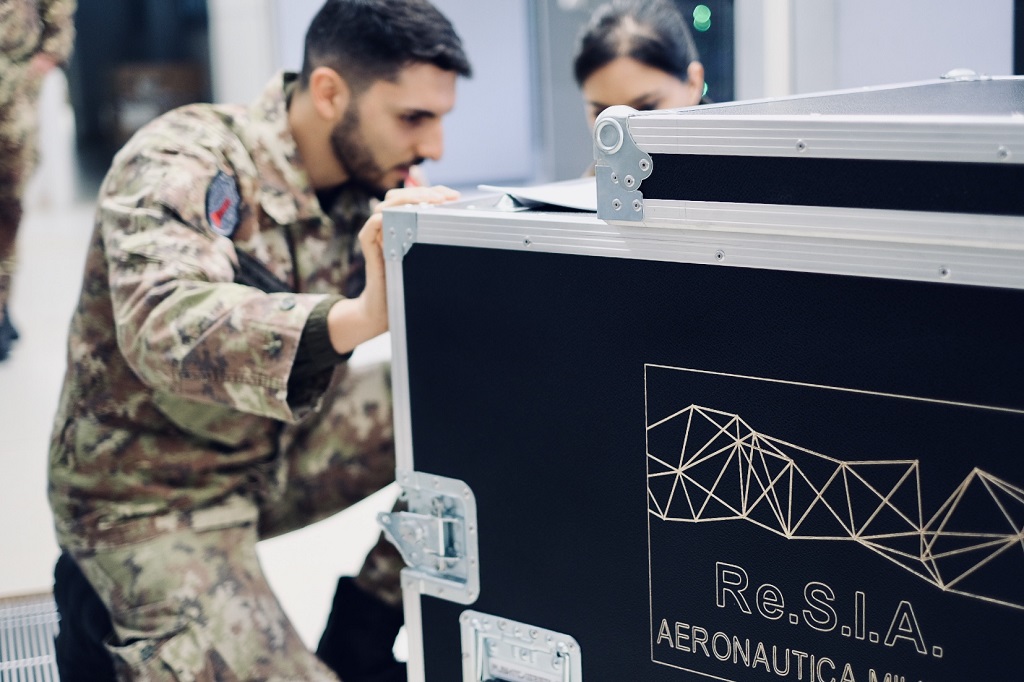
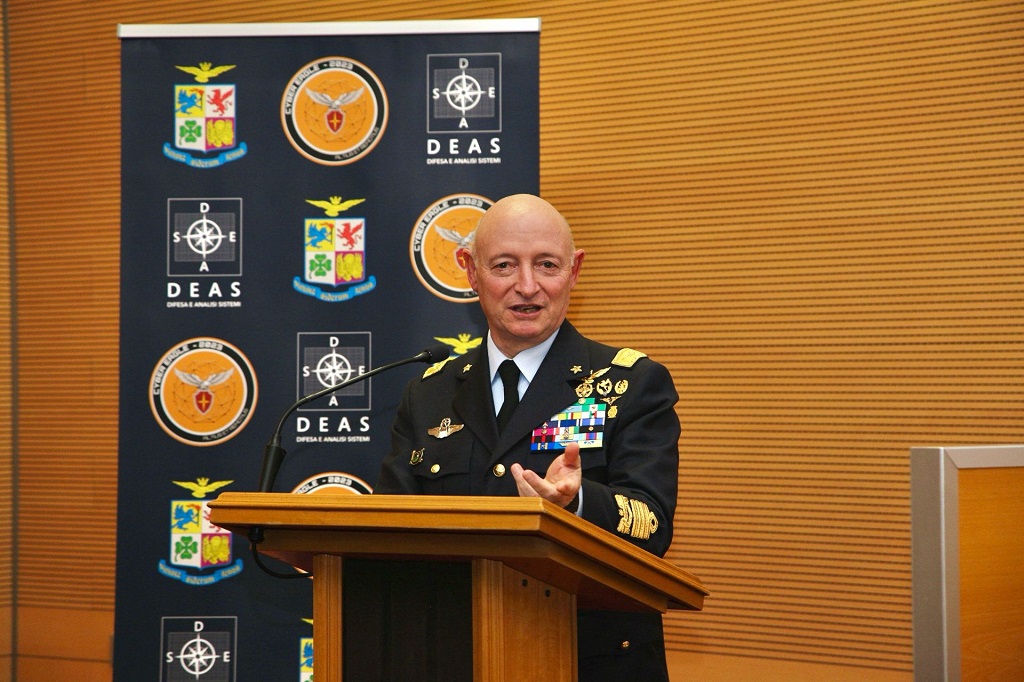
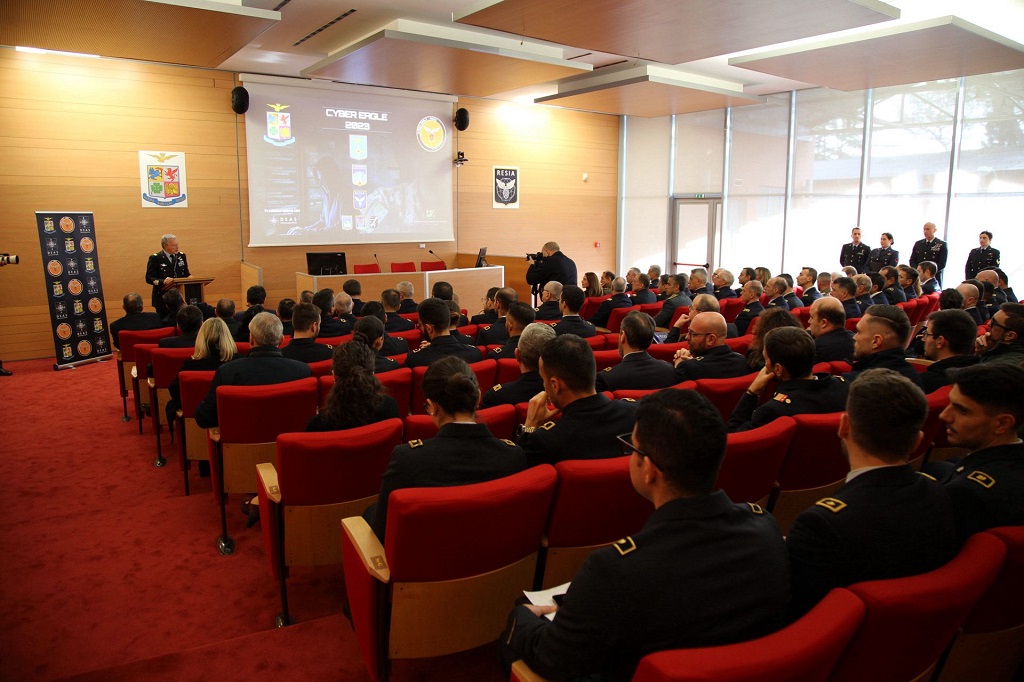
The results of the exercise, now an example of public-private partnership between an armed force and an Italian company and technology, They were presented on Wednesday, December 6, at the Department of Automated Information Systems (Re.S.I.A.) of the Air Force, which oversaw the design and execution phase, in the presence of the Chief of Staff of the Air Force, Air Force General Luca Goretti, by the Commander of the AM Logistics Department, Gen. S.A. Antonio Conserva, institutional authorities and representatives of companies in the sector.
Born in 2015 as a pilot project, Cyber Eagle – which this year reached its eighth edition – has maintained its overall objective. to continue to increase awareness within the Armed Forces, at all levels, about the cyber threat, By testing increasingly extensively the ability to assess the threat itself even in operational terms and to react in the most timely and effective way possible. Even with the involvement of the Management and Innovation Department for Command and Control Systems (Re.G.I.S.C.C.) for the planning and management phases of the operational activities, and the General Security Department of the Air Force for the safety aspects related to the cyber incident on the AM networks, and starting from the experiences and knowledge acquired in previous editions and more generally from the continuously growing expertise in the sector, specialized personnel from the Armed Forces and a team of researchers and experts from the DEAS company, who also played the role of potential external attackers, worked for almost three months in close contact on a highly realistic scenario, also conceived in light of the current international geopolitical context in force, an opportunity also to validate the use of new technologies in the field of cyber security. In this context, communications and data exchanges from the radio assistance and ground-to-ground radio systems of the aircraft were replicated, also taking advantage of the video processing capability of the Predator remote-piloted systems and other airborne command and control platforms provided to the Armed Forces.
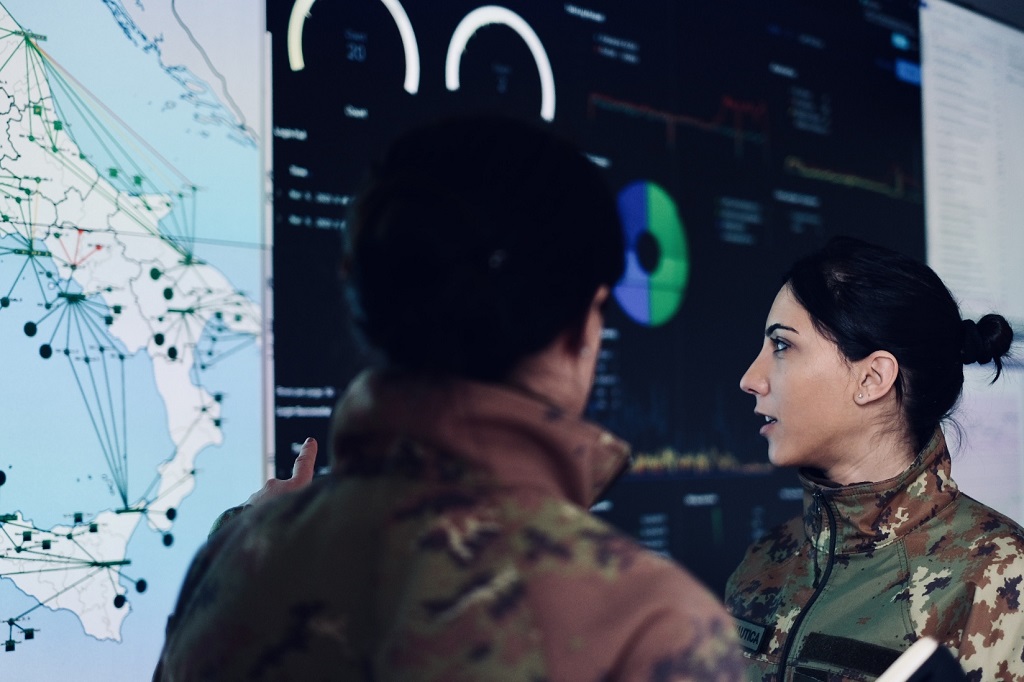
Thanks to the use of Models of Artificial Intelligence (AI) and the use of the powerful HPC – High Performance Computer The Re.S.I.A., which reduced the data processing time by more than 14 times compared to standard calculation tools, has developed optimized software aimed at guiding and facilitating the work of operators, in technical jargon. of the “cyber agents”, and information dashboards have also been created Dedicated to cyber operators and analysts who are able to immediately associate the threat with one or more operational capabilities potentially degraded by cyber attacks.
For the first time, moreover, with the involvement of specialized personnel from the Experimental Flight Department of the Italian Air Force, In a training environment, a cyber attack on an aircraft avionics system was simulated, generating and installing a malicious modification on a sophisticated system used on the Tornado aircraft for the collection and analysis of mission data. This activity demonstrated the importance of ensuring an appropriate security framework to protect aircraft systems, especially those of legacy type characterized by poor cyber resilience, thus extending the range of potential cyber threats to the possible inconveniences or errors that can be investigated during flight test phases.
“We must be able to transfer this kind of collaboration with the academic world and with industry-related companies into our own specific context in order to be prepared to manage and, where possible, anticipate change and the possible threats that may arise.”, General Goretti stated in his speech. “I believe that the results achieved during the exercise can constitute an information asset to be shared within the defense sector and a reference in the technological field. Cooperation in the field of cybersecurity and cyberdefense, in this sense, is something that can materialize not only at the national level, but also by offering our contribution to international collaboration with NATO allies, European Union countries and institutions, and other friendly countries.”.
“In an era where cybersecurity assumes ever greater geopolitical and geostrategic importance, our partnership with the Aeronautica Militare is strategic.””, he emphasized Dr. Stefania Ranzato, Managing Director of DEAS Spa. “The Armed Forces have been pioneers in fully leveraging the disruptive technology combination associated with entirely Italian companies to improve its resilience to current and future cyber threats.”.
The Department of Automated Information Systems (Re.S.I.A.) of the Air Force recently concluded, among other things, the audit process under a specific tender by the National Cybersecurity Agency, receiving the ISO27001:2017 Certification for the Information Security Management System, the first among the Armed Forces to meet all the necessary requirements within the certification process requested by the General Staff of the Defense.