For the first time, UCOPRATA is launching courses to qualify key military personnel in the development of new and standardised methodologies, to improve work processes in the environmental sector.
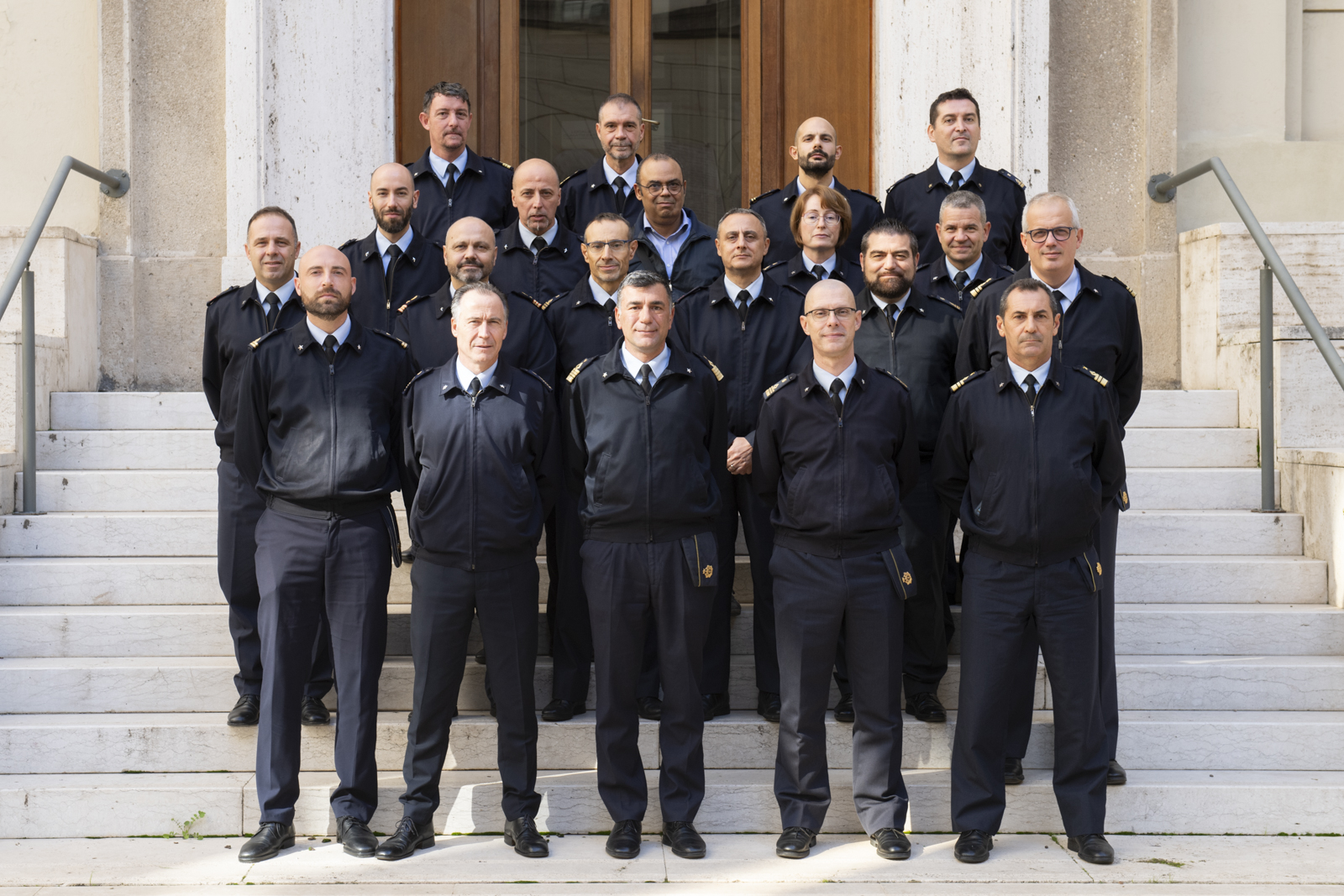
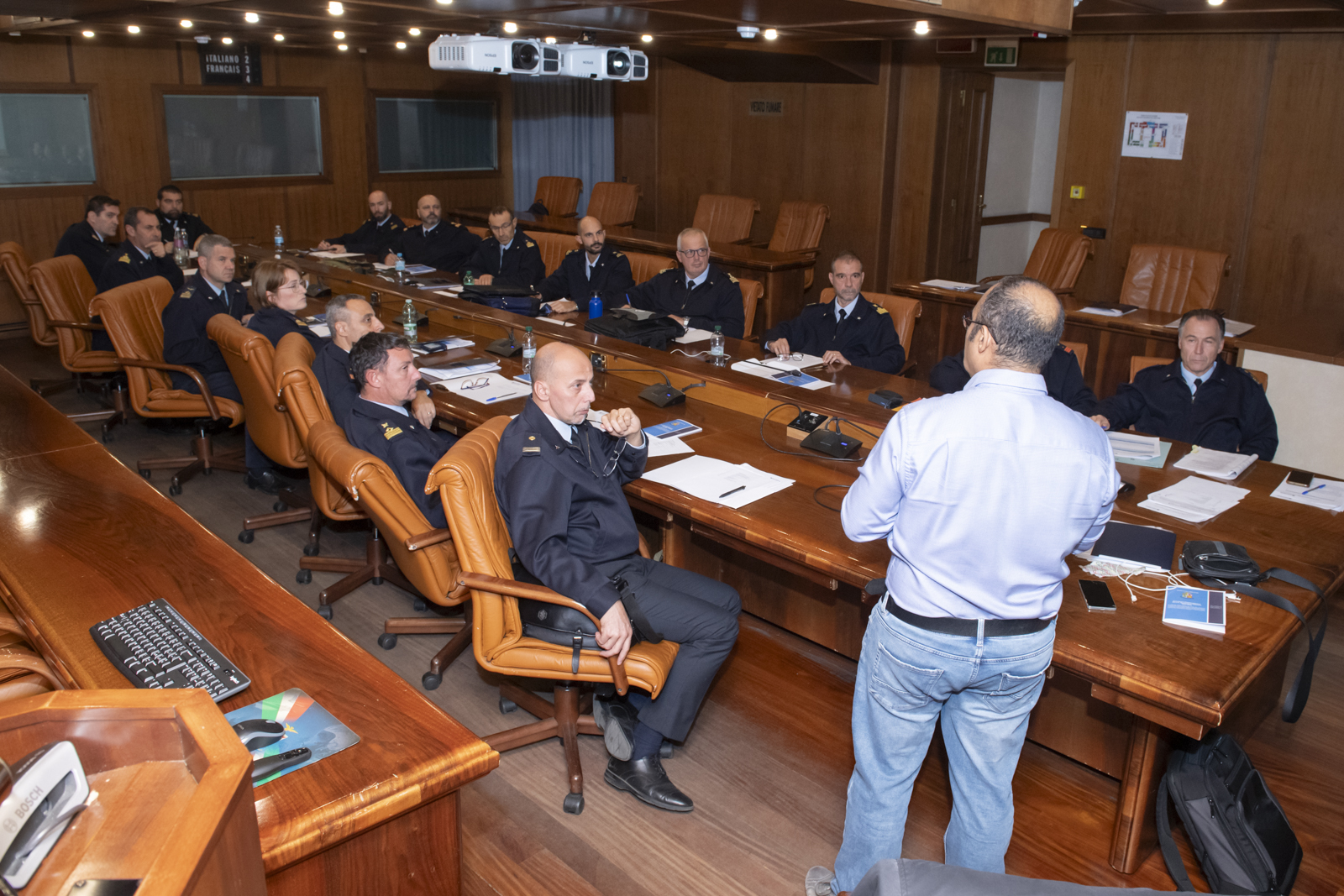
Thursday 31 October, at the Douhet Hall of Aeronautica Palace In Rome, the First course on environmental management systems in the aviation sector, in favour of sixteen military personnel holding positions relating to environmental protection, both within the peripheral and top-level organisation of the Armed Force.
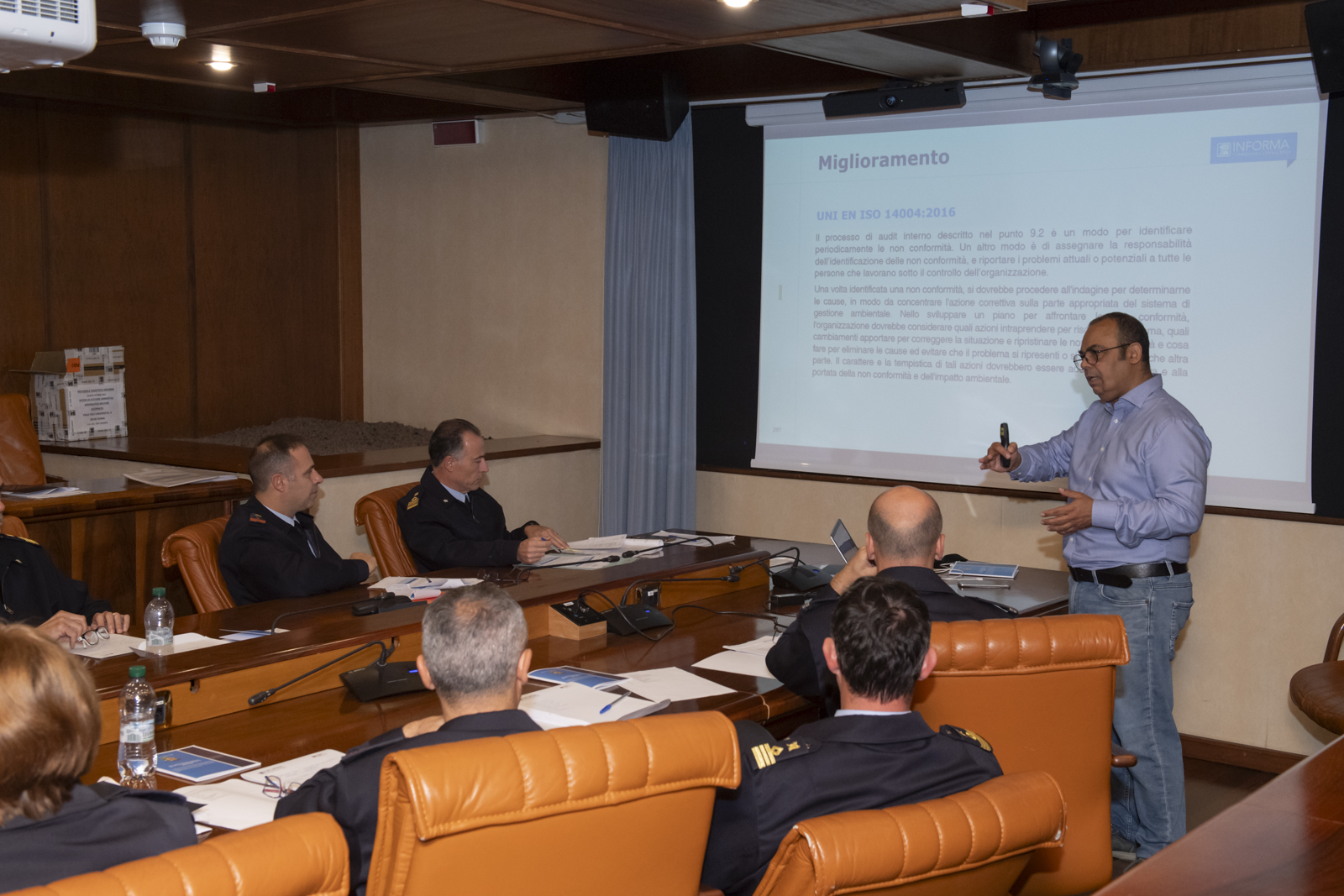
The training activity, which took place over three days, was organised by’General Office for the Coordination of Accident Prevention and Environmental Protection and set itself the objective of spreading, among staff in blue, the principles and working methods of environmental management systems, in accordance with the predictions of the UNI EN ISO 14001:2015 standard, the international reference standard.
The event was opened by Colonel Antonio Pellegrino, Head of the General Office of UCOPRATA, who illustrated to the defendants, already working in key roles in the environmental protection sector within the Armed Forces departments, the aims of the initiative, namely to build a pool of aeronautical experts in management systems, with the dual purpose of initiating a review of the operational processes of their bodies according to the logic indicated by the international standard and training a team of professionals who, in the future, can be employed in the environmental sector, also as auditors.
During the activities, participants had the opportunity to delve into the requirements of an environmental management system, also engaging with external industry professionals from outside the Armed Forces on the main actions envisaged by the reference standard for system implementation, such as the need to manage all work processes based on a logic of risk management, attaching it to local aeronautical activities, based on an analysis of the context that allows for the identification of the most relevant environmental aspects in a typical unit of the Armed Force and, based on this, to develop the most appropriate operational control measures, planning improvement interventions. Furthermore, the trainees learned the methods provided by the UNI EN ISO 19011:2018 Standard for evaluating and monitoring the performance of a management system, such as carrying out internal audits.
The tutor-led exercises were particularly appreciated, during which – by resolving case studies drawn from real-world experiences – participants simulated the main preparatory actions for the implementation and evaluation of an environmental management system within their own frame of reference.
At the end of the course, Colonel Pellegrino congratulated the attendees and emphasised that the development and implementation of an environmental management system in the Armed Force's units, despite not being a regulatory obligation, should be considered a valuable tool for Command action. This is because it allows for the rapid and effective management and control – using standardised, transparent, and reproducible working methods – of the main relevant environmental aspects which, if not managed correctly, could lead to a decrease in the operational levels of a Military Air Force entity, as well as potential damage to the Armed Force's image.
The adoption of such a tool, however, cannot be separated from the constant use of dedicated human and economic resources, especially in the initial phase. Colonel Pellegrino concluded his speech by stating that the Leadership Anyone who voluntarily intends to align their work processes with the standards provided by ISO 14001:2015 must promote a change in the work culture within their organisation. In this regard, the General Office has long paved the way for such exemplary organisations, providing support through specific and in-depth training for key departmental personnel, such as the course in question, and providing access to all departments to IT tools specifically dedicated to the relevant purpose.
The training initiative that has just concluded implements the provisions of the Strategic Guidelines of the Chief of Staff of the Air Force and the subsequent Operational Lines of Action “S2AMb” contained in Health, Safety and Environment Programming Document 2024-2029 issued in February 2024, and is part of the Armed Force's cultural and structural growth in a highly relevant sector such as environmental protection, in order to maintain the necessary reliability and credibility to face future challenges in this delicate sector.
The’General Office for the Coordination of Accident Prevention and Environmental Protection, Reporting directly to the Chief of Staff of the Air Force, it is tasked with formulating the Air Force's policy and defining guidelines in the area of worker health and safety and environmental protection, fostering the creation and sharing of the culture and values that characterise these issues, for all personnel in blue.