The Air Force is participating in one of the most complex and realistic international air exercises, alongside the US Air Force.
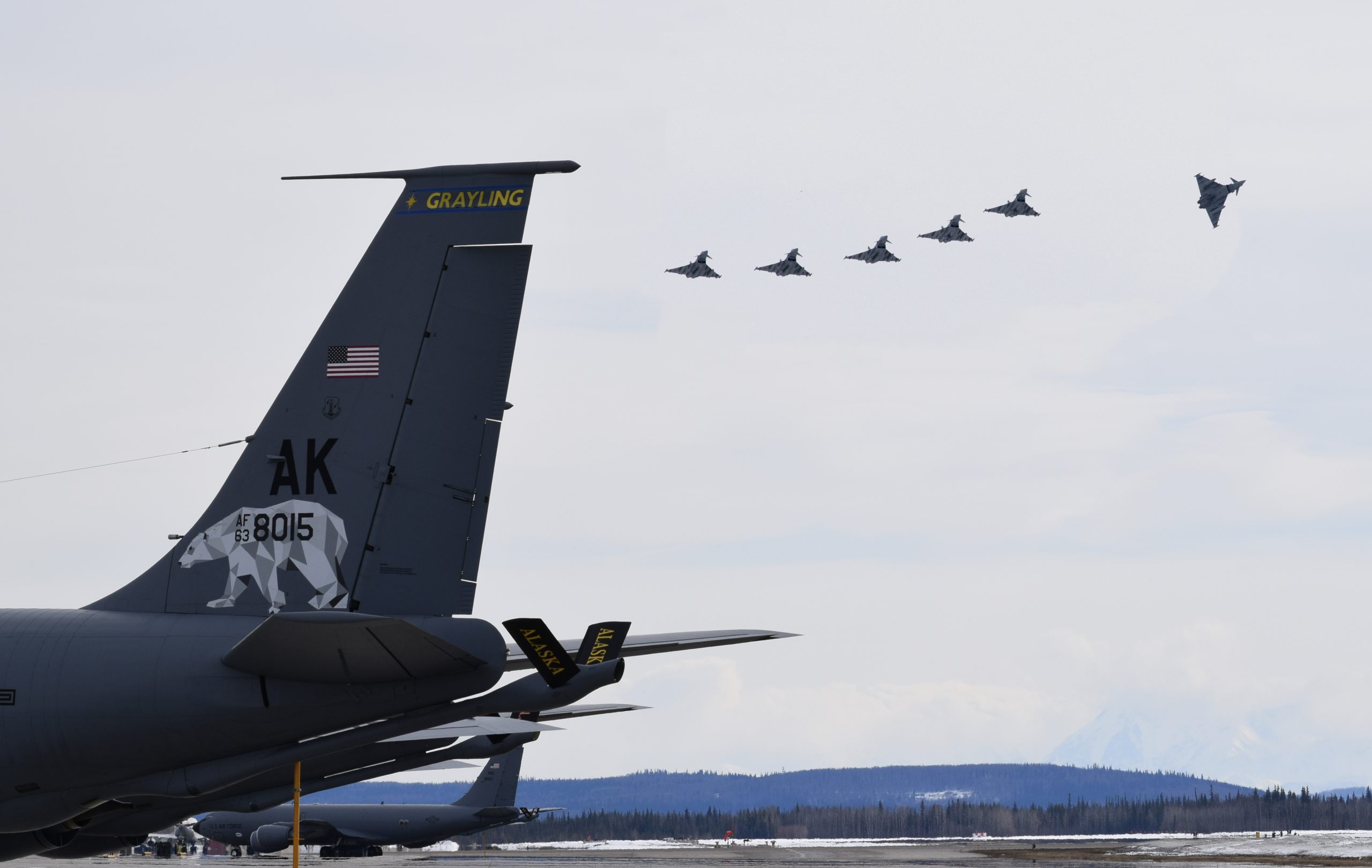
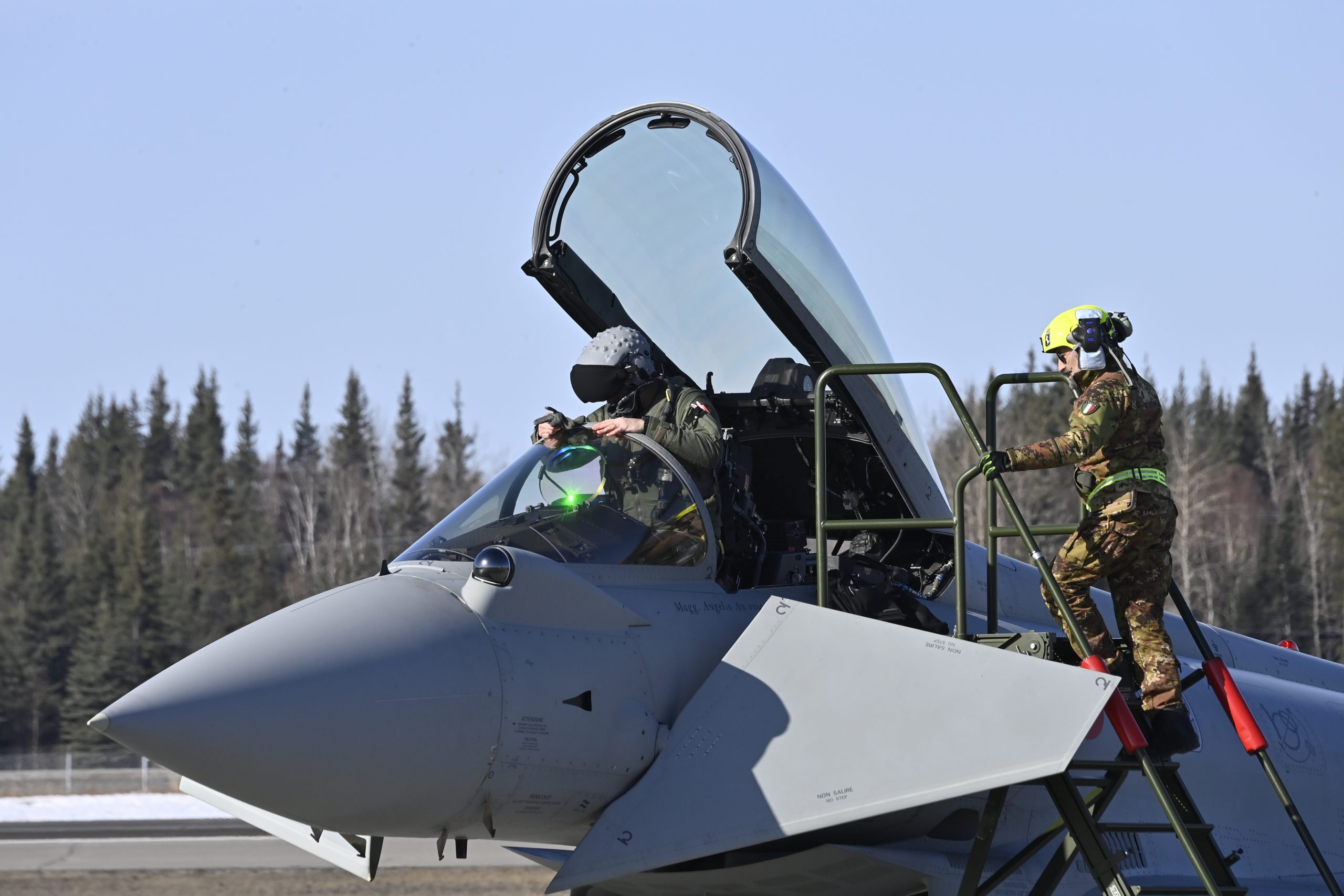
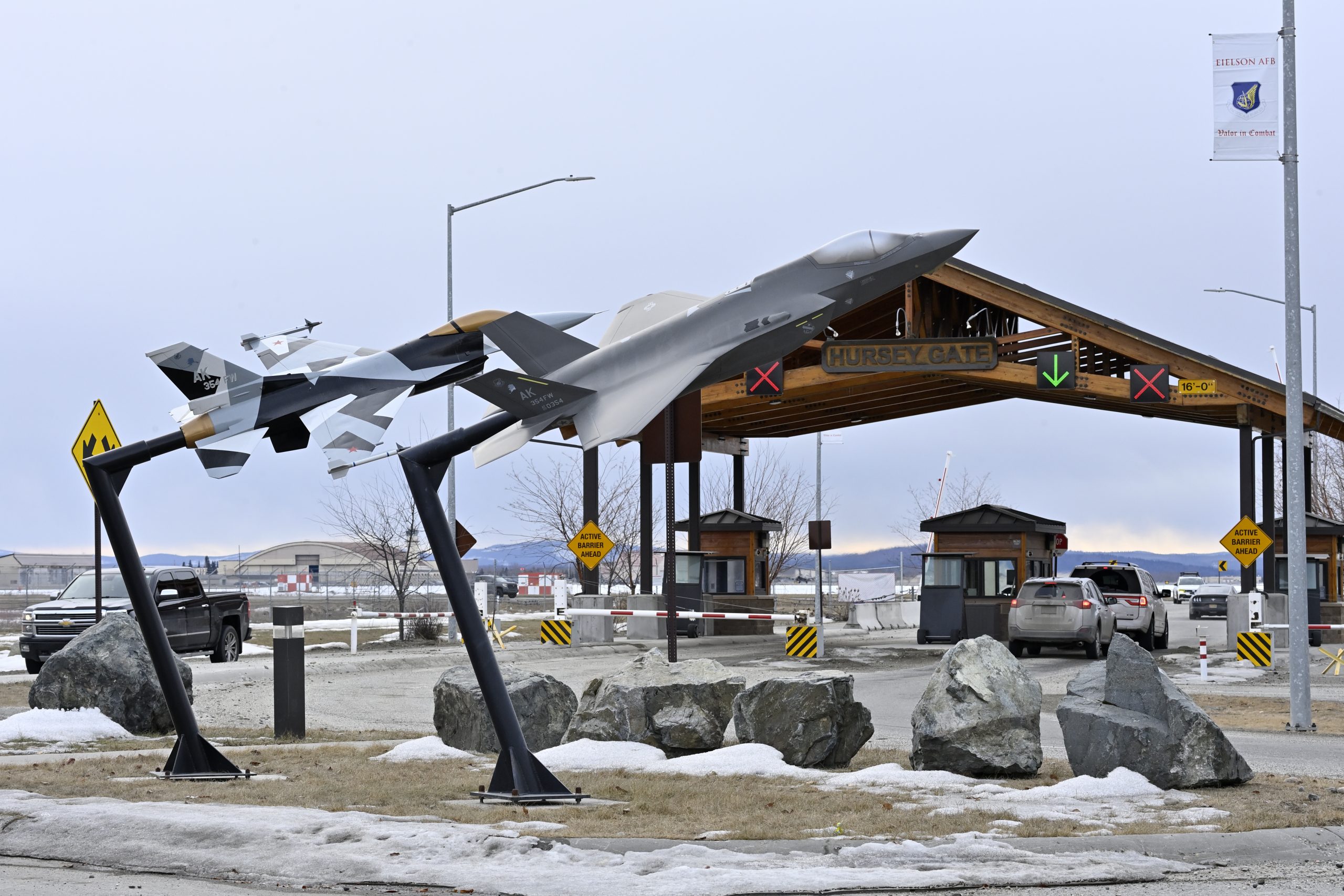
A warm sun, after days of harsh weather with temperatures often below freezing, illuminated the first take-offs of the Italian Air Force aircraft from the airbase of Eielson in the context of Red Flag Alaska 24-1 (RF A 24-1) which will involve Italian and US pilots and specialists until May 3rd.
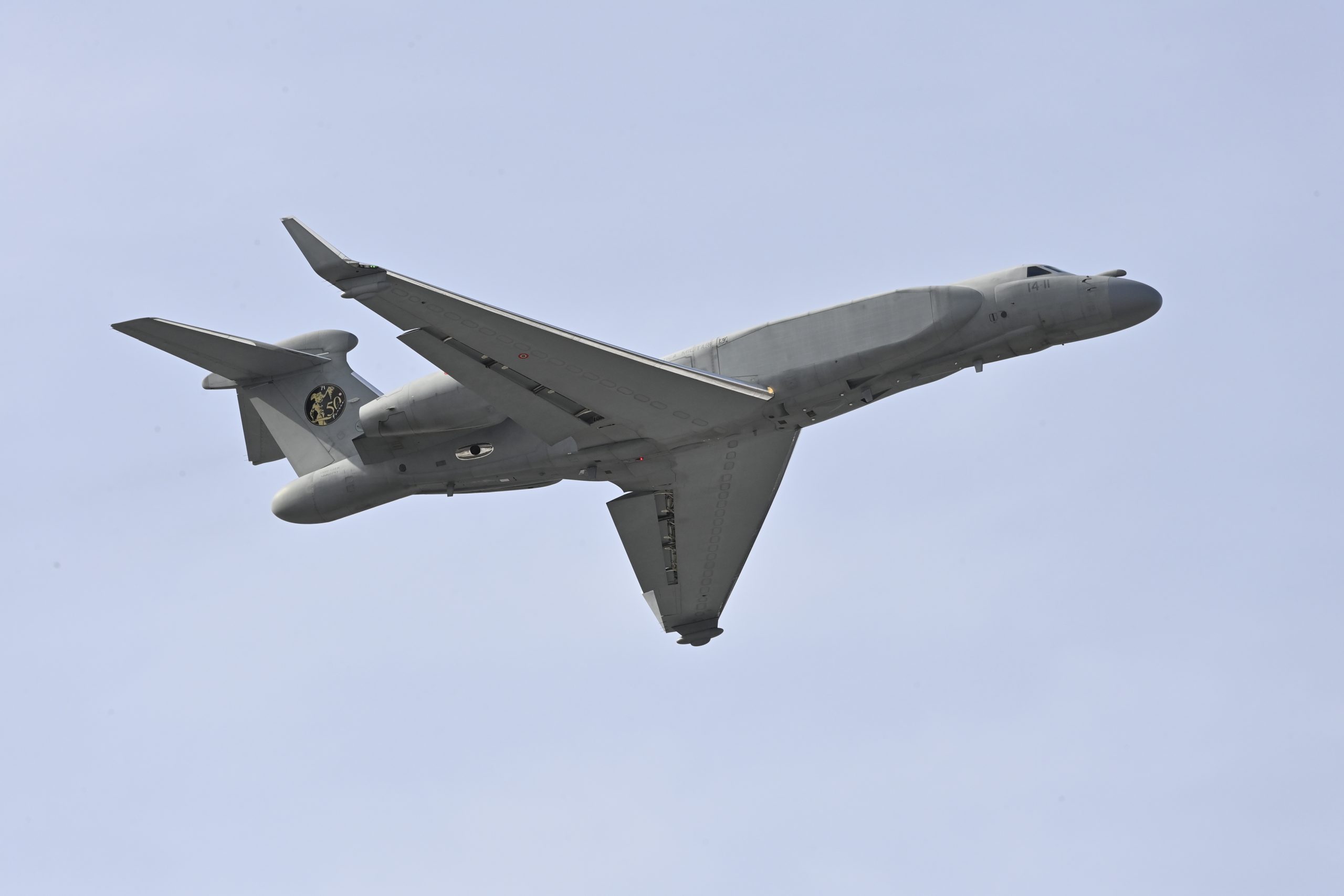
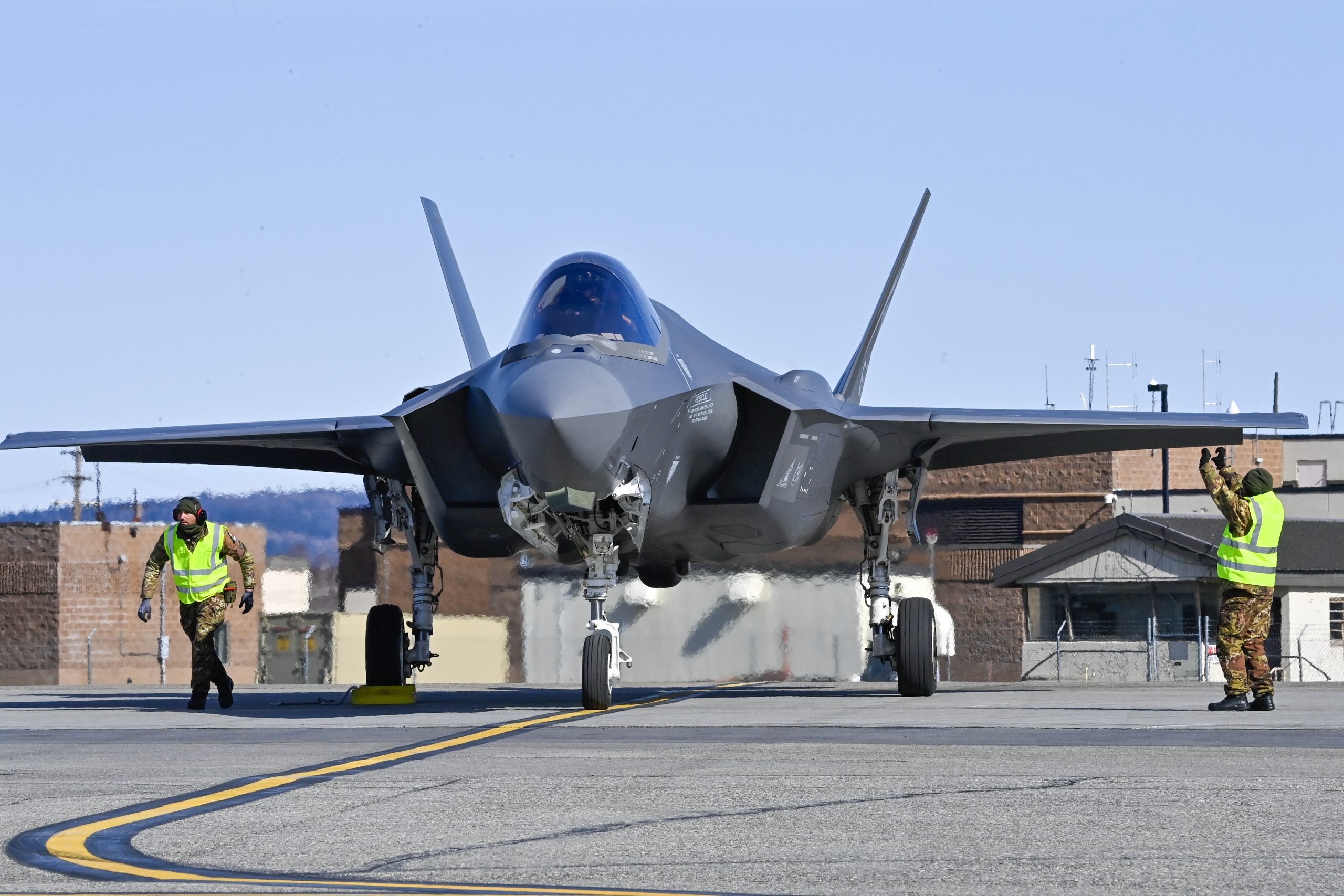
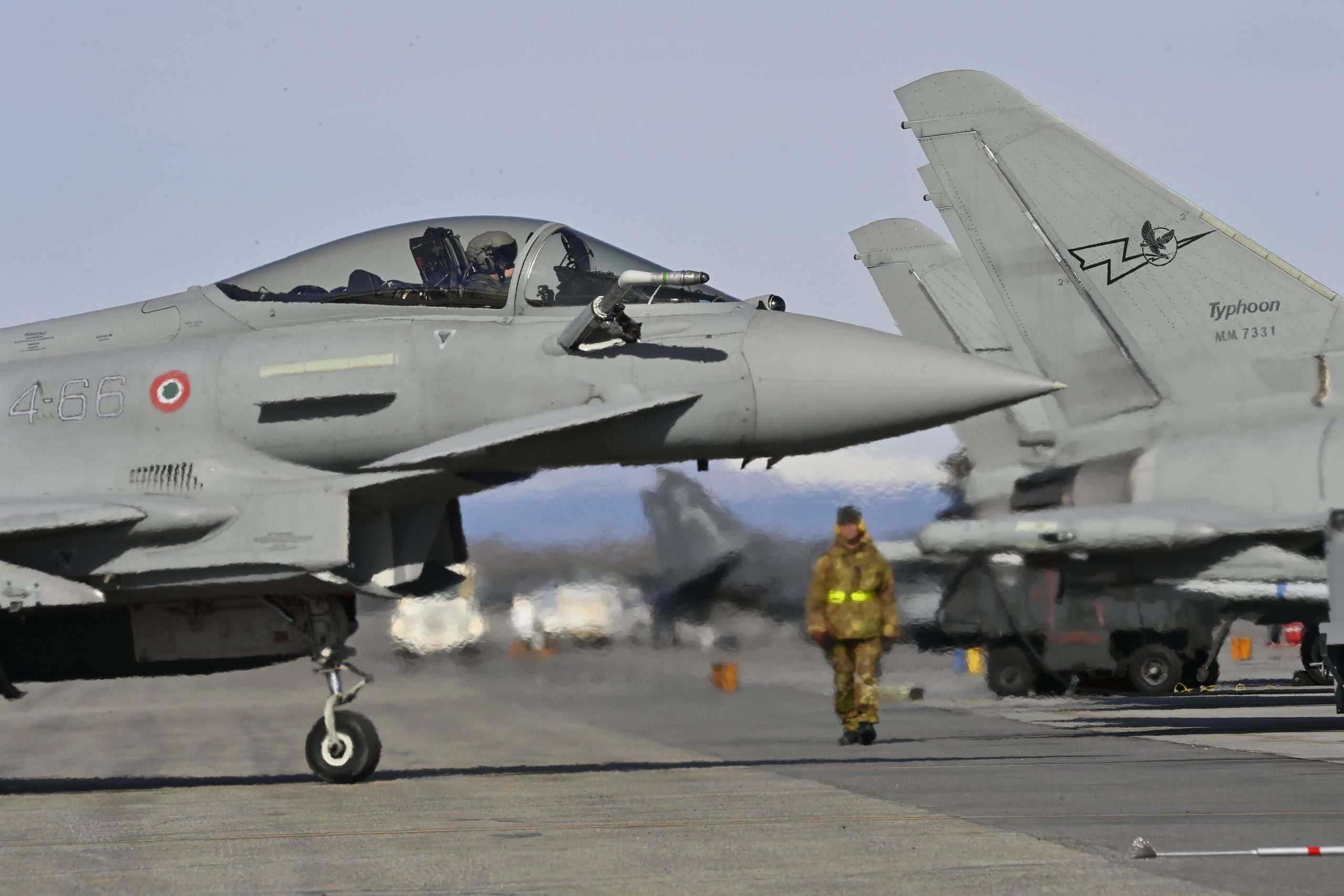
The Italian Air Force is participating in Red Flag Alaska 24-1 with a Autonomous Flight Department (Large Force Element) across four types of aircraft, on their first experience in Alaska, in a position to express a wide spectrum of aerospace power capabilities, namely two different types of fighter jets (the Eurofighter and the F-35A, a platform AEW – Airborne Early Warning with the’E-550 CAEW capable of ensuring air surveillance functions, command and control, and finally an aircraft Tanker AARAir-to-Air Refuelling) KC-767A. The Italian assets involved are all redeployed on the basis of Eielson, with the exception of the CAEW which was deployed to the nearby international airport Fairbanks for logistical reasons.
The Pacific Air Forces (PACAF) of the Royal Air Force (USAF) is participating with F-16Cs, KC-135s, KC-130Js, KC-46s, and E-3s, along with additional tactical transport assets and various helicopters. Red Flag Alaska 24_1 also involves the AV-8N of the United States Marine Corps and the EA-18G of Royal Navy.
The exercise Red Flag Alaska, originally named Cope Thunder, together with the Red Flag organised on the basis of Nellis in Nevada, have been designed to allow flight crews to advanced air combat training, training in missions with extremely realistic context and A2AD-type scenarios (Anti-Access Area Denial).
In the next two weeks, Italian and US pilots will therefore have the opportunity to practise in complex aerial missions, with over a hundred daily sorties, characterised by a high level of difficulty, with the presence of threats Air to Air, equipped with modern armaments and a robust missile array (SAMs), fully integrated into a training scenario that allows for the optimal utilisation of the assets present and the replication of real-world situations.
During a flight exercise like the Red Flag Alaska 24-1, yes experience a progression in the challenge so that all participants can share ideas and lessons learned, in order to make the best use of the capabilities of each platform employed, thus achieving the final objective, all the various tasks assigned to the flight mission, in the most effective way. The participants in the Red Flag Alaska are organised into defensive forces (so-called. Blue Airand offensive forces (so-called. Adversary, which are used as a tool to train the component Blue Air. At the peak of the exercise, up to 70 fighters can operate simultaneously in the same airspace. During the Red Flag Alaska From 24-1, two aerial missions will be conducted daily. All exercises take place in the Joint Pacific Range Complex above the’Alaska, a very vast airspace, available with few restrictions, consisting of extensive areas dedicated to military operations, special use airspace and aerial firing ranges for a total area of over 67,000 square miles (equivalent to approximately 174,000 square km) which allows all participants to operate every weapon system with almost no limitations.
The Red Flag Alaska it configures itself as one of the the most realistic scenarios in the world for developing the integration and synergy of existing air assets, for the undertaking of complex aerial operations. The Italian fighter aircraft present at Eielson will carry out in this context both penetration missions into enemy territory, so-called Air Interdiction, which support missions for ground forces, in addition to cooperating in missions for the recovery of personnel in hostile territory. This is an exercise context not coincidentally defined as “complex” due to the high number of aircraft taking part and the recreated crisis scenario.
The Red Flag Alaska it is organised four times a year, at the air force bases of Eielson and of Elmendorf, from PACAF (Pacific Air Forceof the Royal Air Force. This exercise, originally called Cope Thunder, was transferred to Eielson from the air base at Clark, in the Philippines, in 1992, after the eruption of Mount Pinatubo on 15 June 1991 forced a reduction in operations. Cope Thunder it has been renamed Red Flag Alaska in 2006, for having over time acquired the complexity of the namesake exercise called Red Flag and organised by Nellis AFB (NV), while distinguishing it from the latter by the airspace available.