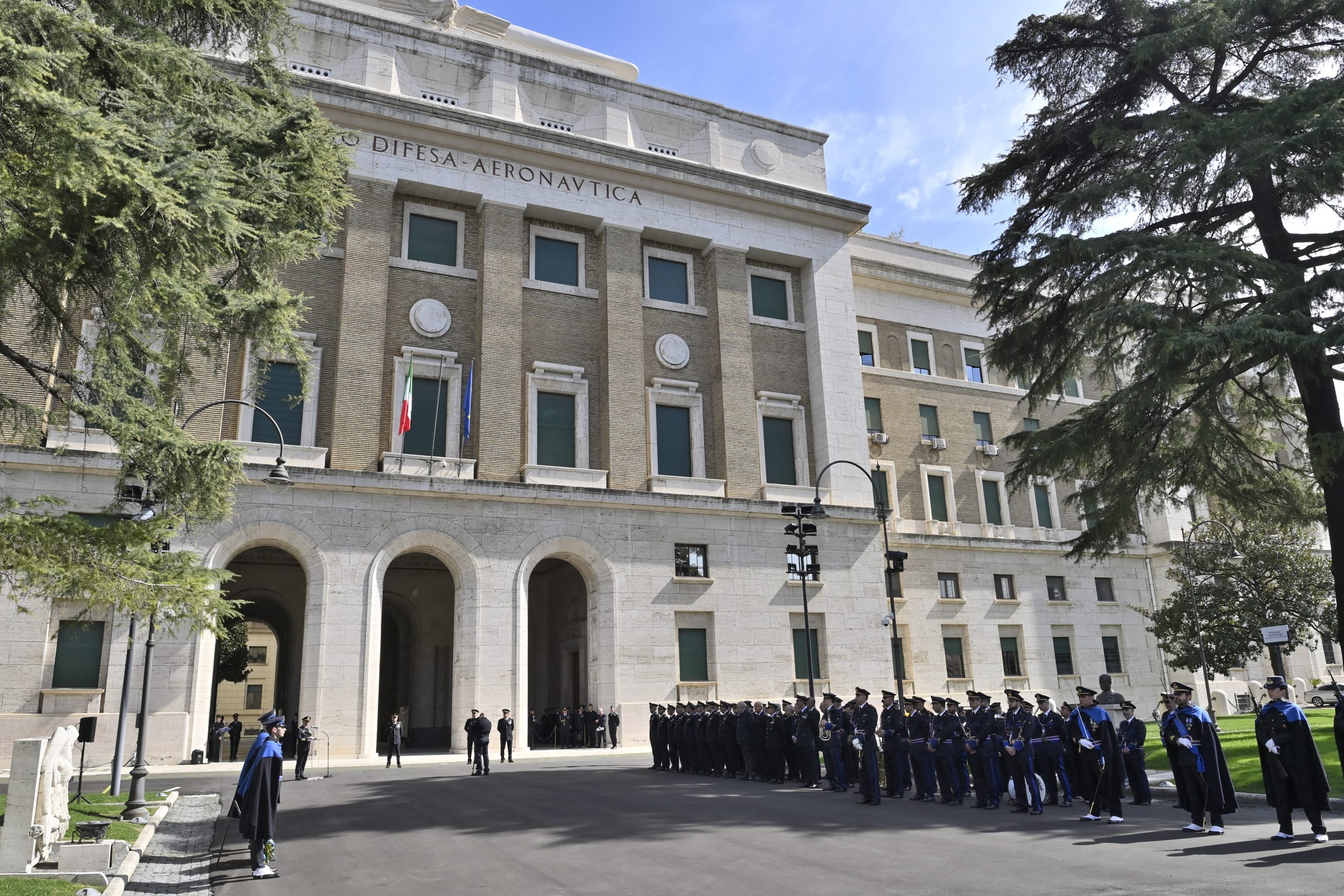
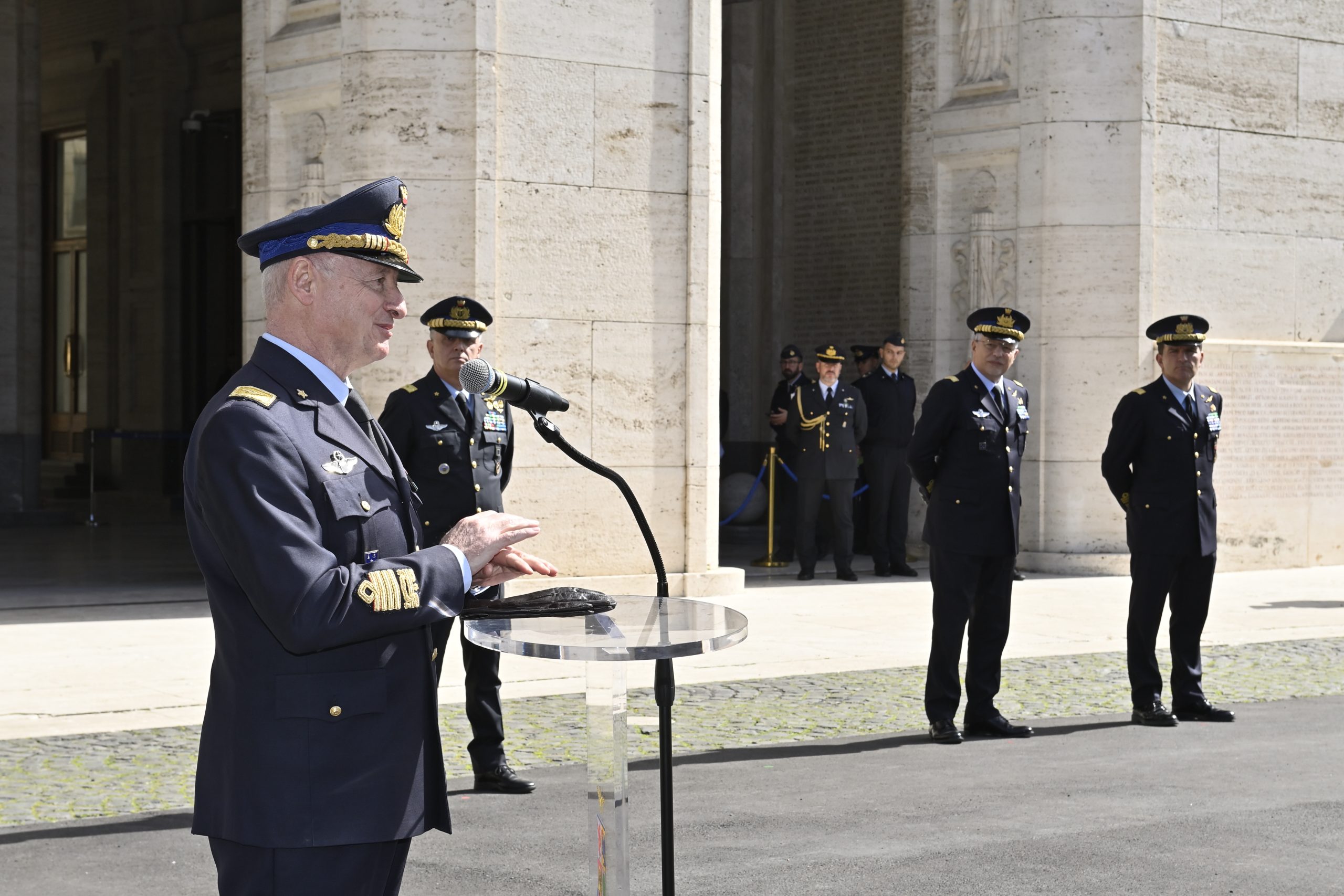
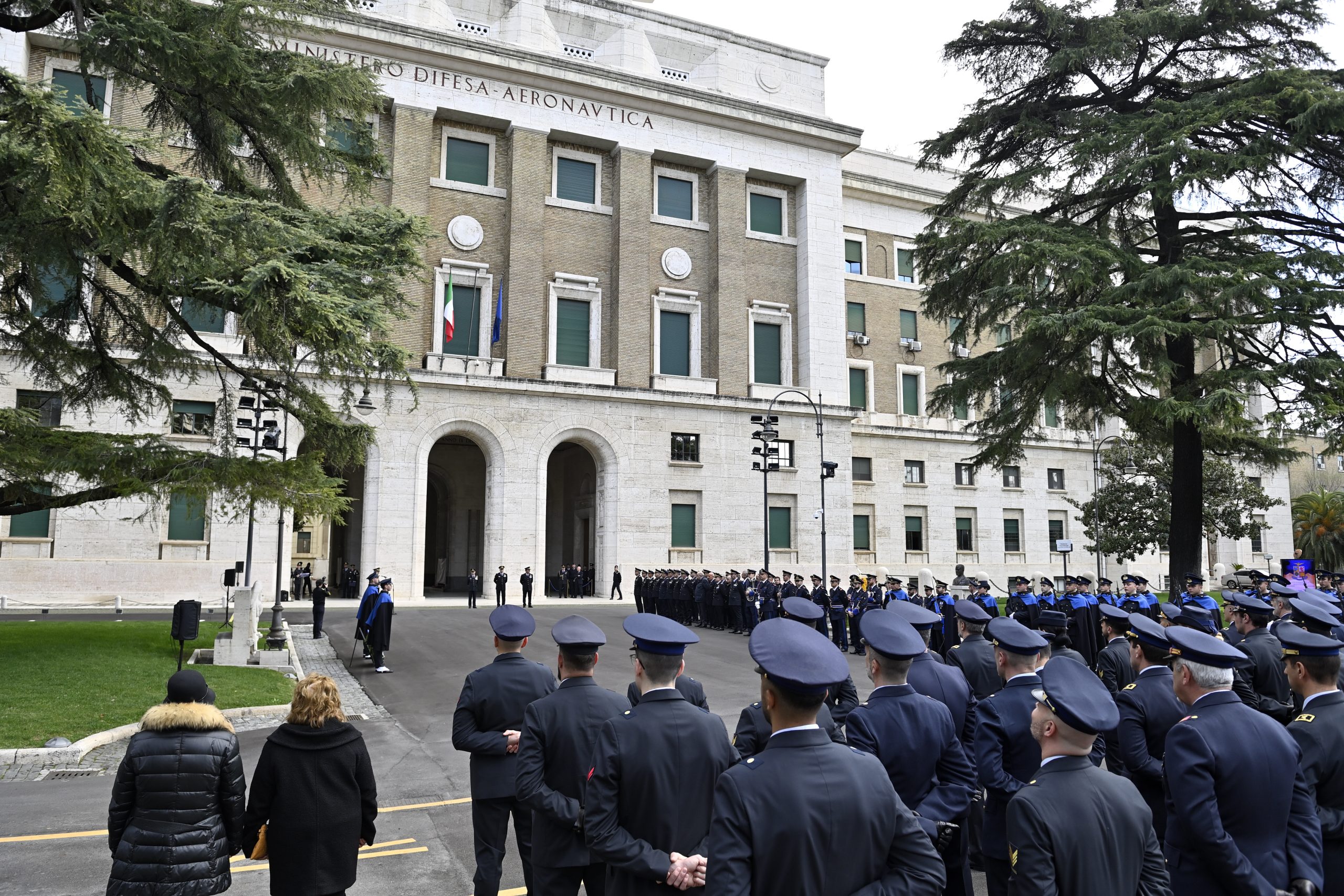
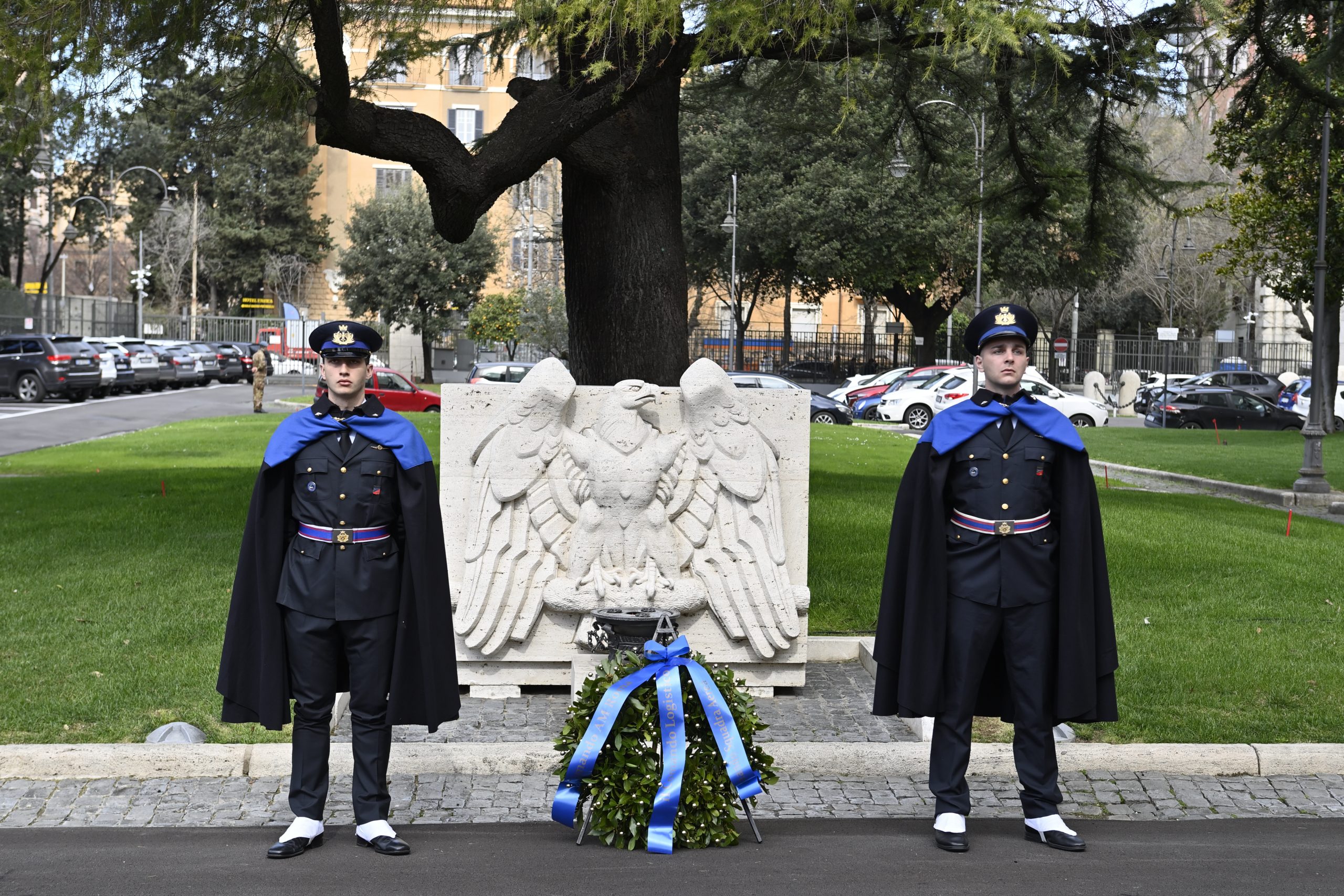
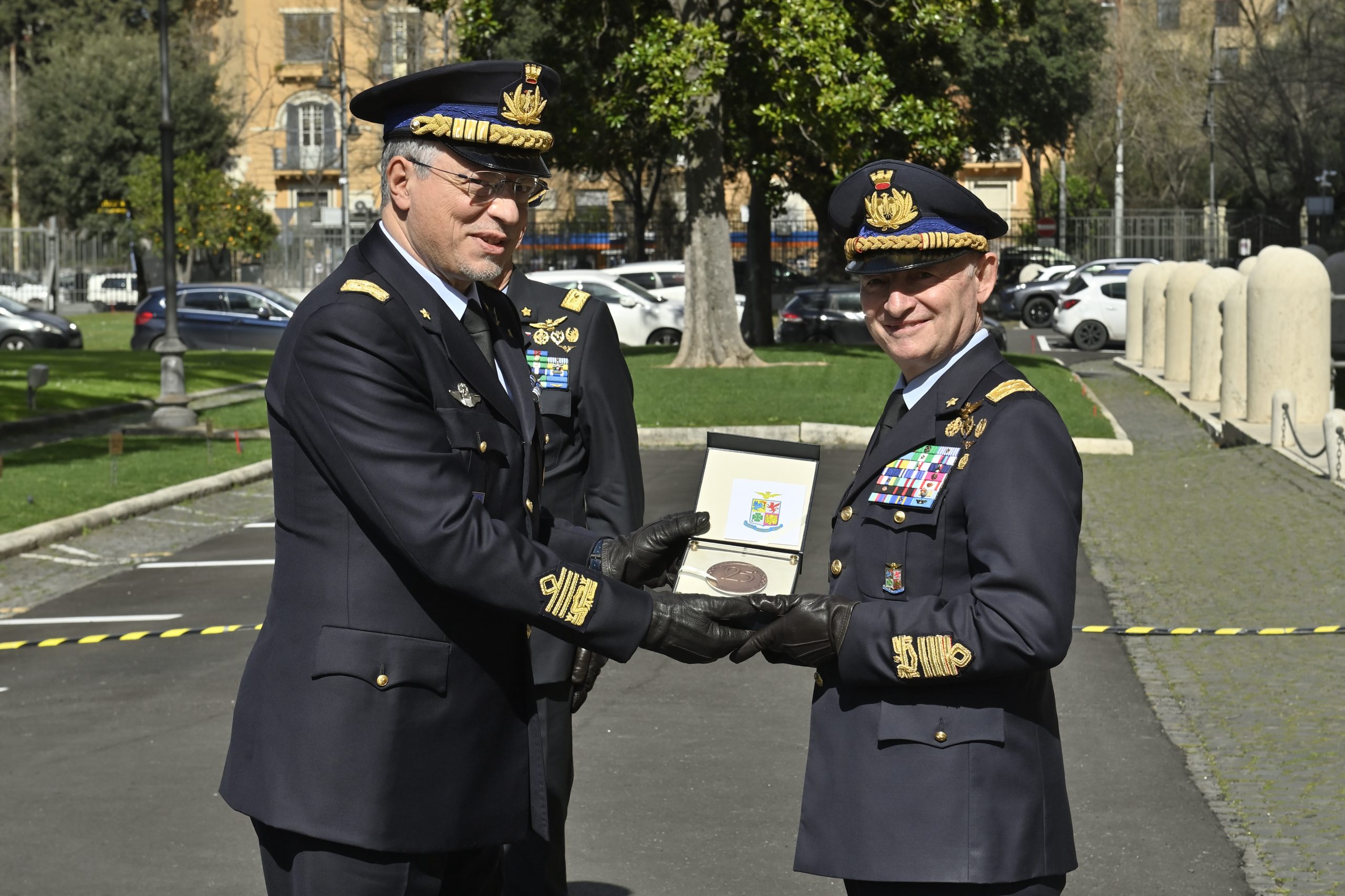
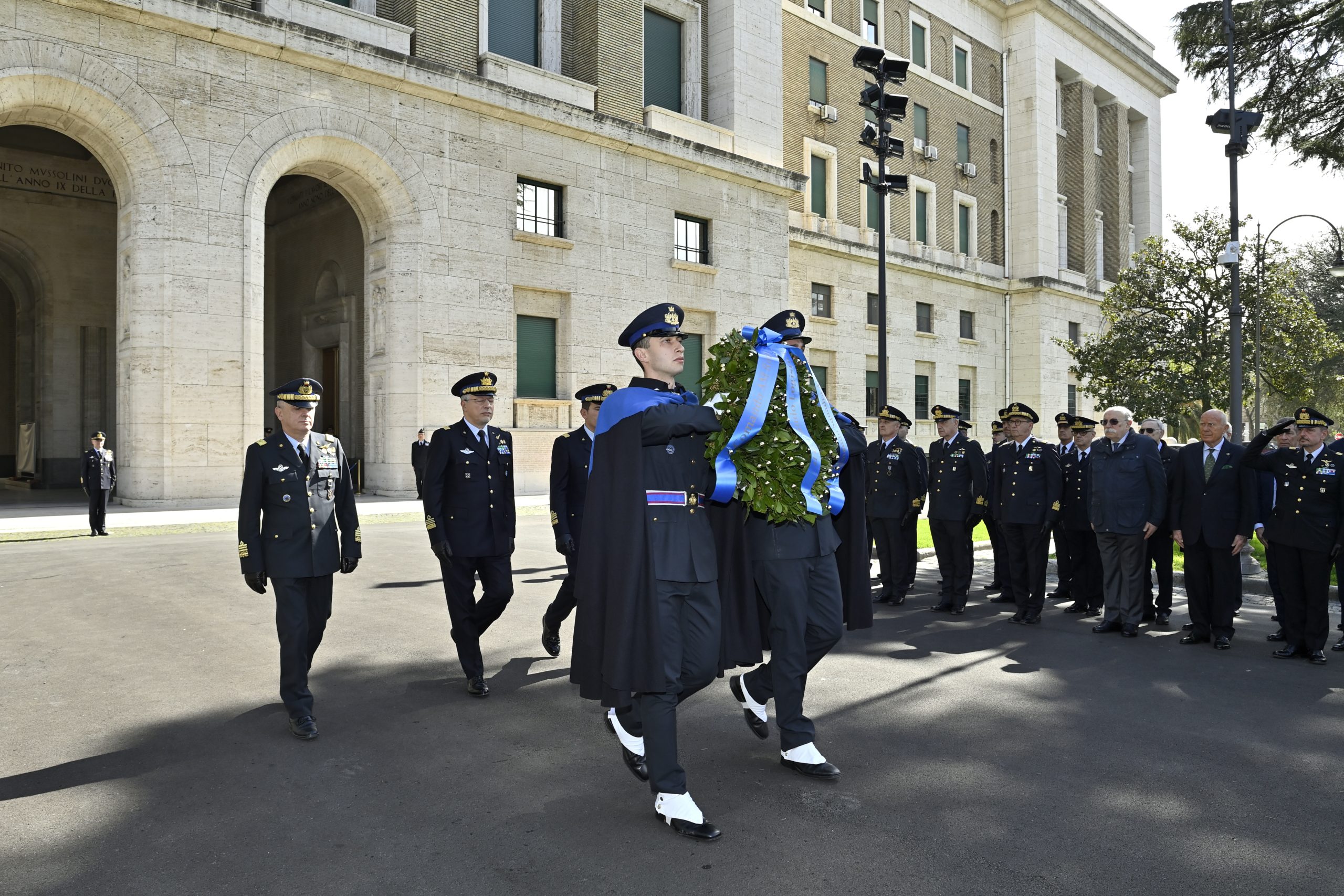
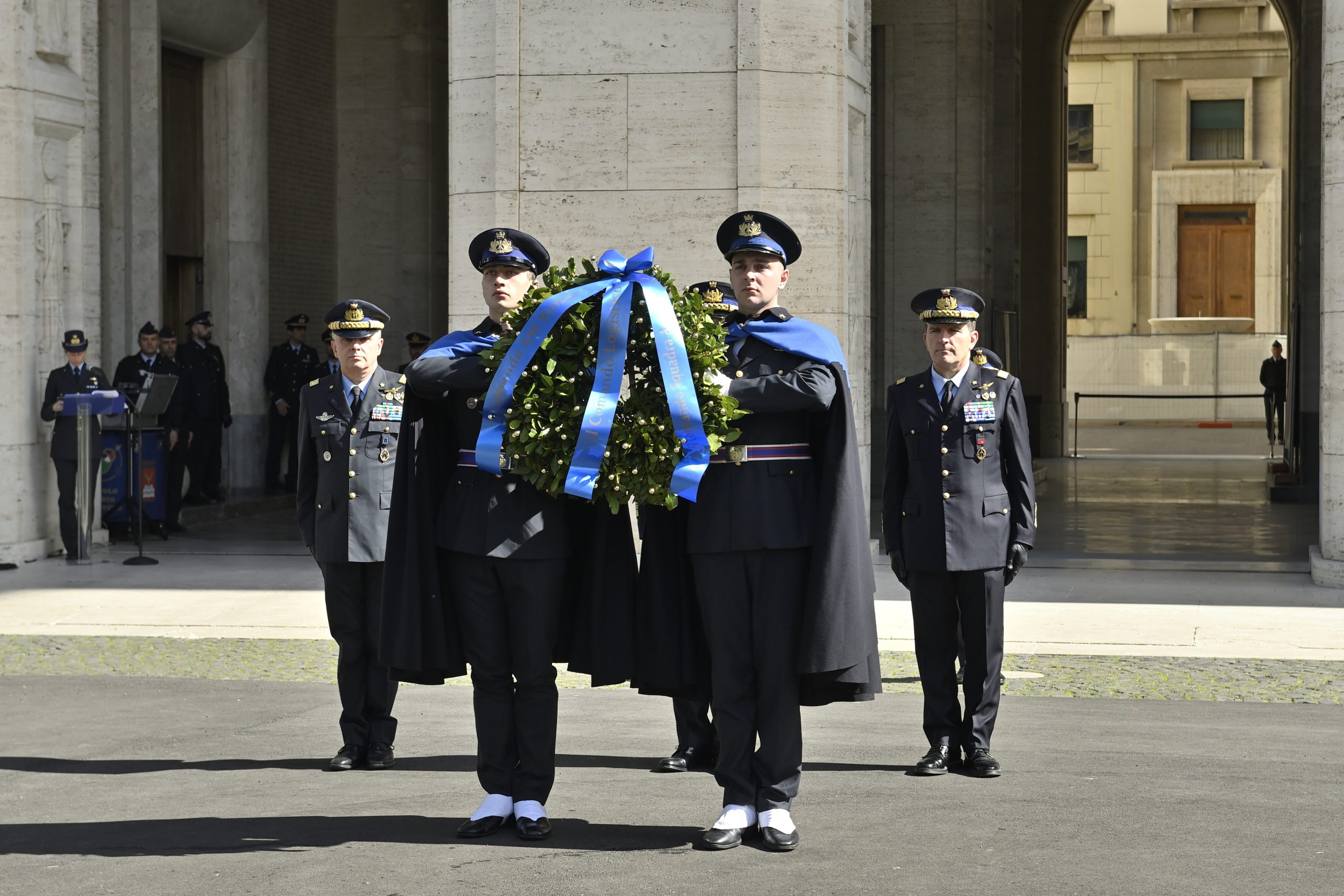
On Wednesday, 13 March, the celebratory ceremony for the 25th anniversary of the establishment of the Air Force Command, the Air Force Logistic Command, and the Rome Air Force Command took place at Palazzo Aeronautica.
On 1 March 1999, as a result of the restructuring of the Armed Forces' leadership under Law no. 25 of 1997, a thorough review of the Italian Air Force's organisational structure was carried out, leading to the establishment of the Air Squadrons Command at Centocelle Airport and the Logistics Command at Palazzo Aeronautica. This change also saw the creation of the Rome Air Force Command, initially under the newly formed Logistics Command, before coming under the direct command of the Chief of Staff of the Air Force after approximately ten years.
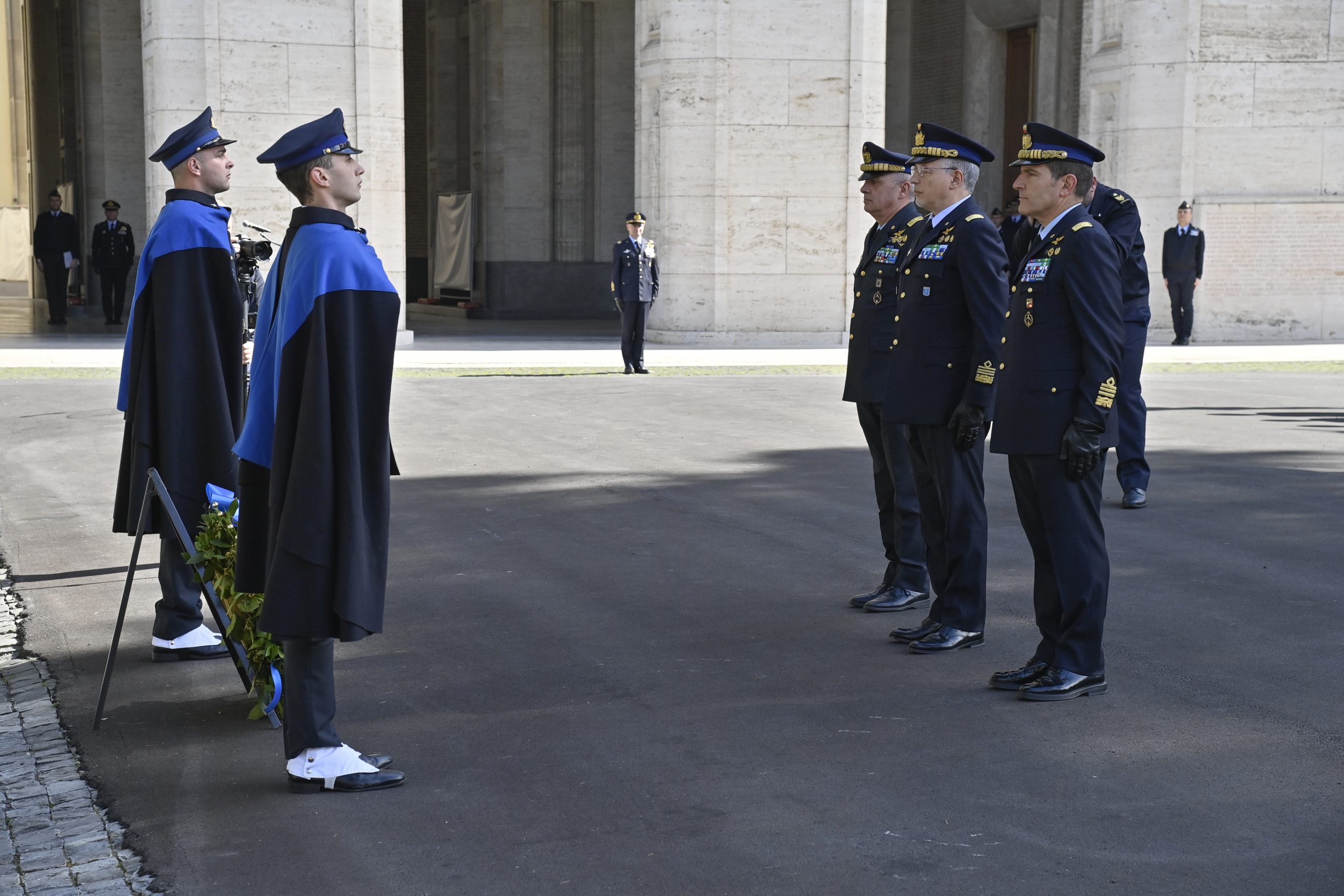
The event was presided over by the Chief of Staff of the Air Force, Air Marshal Luca Goretti, in the presence of the Commanders of the three entities, Air Marshal Alberto Biavati, Air Marshal Antonio Conserva and Air Marshal Giandomenico Taricco, some of their predecessors and a representation of the personnel from the three Commands.
The ceremony sought to highlight the epochal transformation that followed the establishment of the Armed Forces High Commands, an organisational evolution that has gone hand-in-hand with the ever-increasing complexity of commitments and operational scenarios, particularly outside national borders. This evolution has supported a path of constant technological advancement with the introduction of new weapon systems and the expansion of the air and space domain into areas of renewed strategic interest for national security and interests, such as space and cyber security/defence.
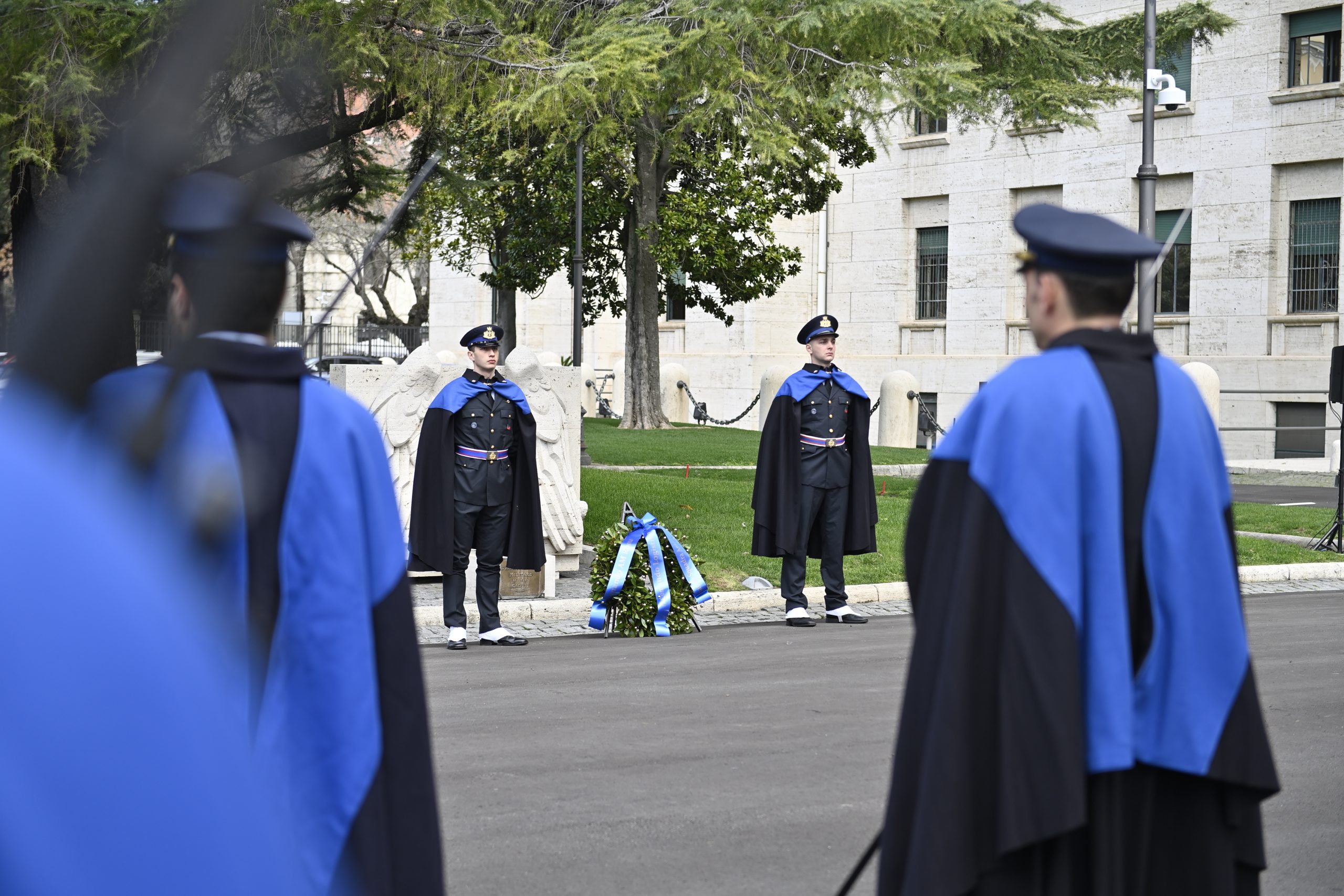
After laying a wreath in memory of the fallen in service, and before delivering brief welcoming remarks, the three Commanders presented a commemorative medallion to their respective Presidents of Non-Commissioned Officers, Warrant Officers, and Other Ranks, representing the personnel of their High Command/Senior Organ.
“In this quarter of a century, the life of COMAER,” stated General Taricco, “has become intertwined with that of the other two Commands that are here today to celebrate this anniversary, underscoring the transversality and interconnection of all the bodies that constitute the top structure of the Air Force. Among the delicate tasks indicated in our mission,” added the Commander of COMAER, “besides the functions of logistical support, garrison, and assistance to personnel in the Capital area, there are also those of high institutional representation. Through the Vigna di Valle Museum, completely renovated for the AM Centenary, we are also custodians of the Armed Force's historical heritage.”.
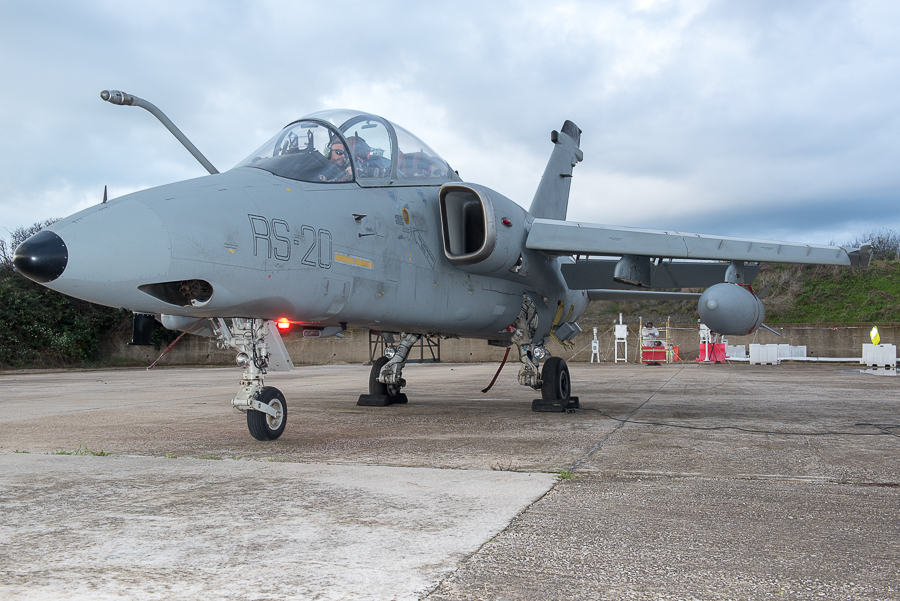
“The establishment of the Air Squad Command has enabled the Air Force to integrate into the joint forces context with overseas projection capabilities, within multinational forums, and in response to the transformation of the international strategic landscape, progressing in the necessary capabilities to exercise air and space power in an absolutely changing and competitive technological and operational environment,” declared General Biavati. “In this regard, mention must certainly be made of the two important generational shifts in the fighter aircraft sector – from the F-104 to the Tornado and AMX first, then to the Eurofighter, and finally to the 5th generation with the F-35 – as well as the technological advances that have allowed the introduction into service of absolutely innovative capabilities, such as, for example, the unmanned Predator aircraft, the CAEW, and the C-27 Jedi. I also recall our commitment in operations beyond national borders, from those in the Balkans, Afghanistan, and Libya in the recent past, to the current ones in Kuwait, Iraq, Niger, and again in the Balkans, Libya, and across the Mediterranean, as well as in NATO Air Policing missions.’.
“When we consider the technological developments of the past 25 years and the operational commitments that have involved the Armed Force in theatres of operation far from national territory,” declared General Conserva, “we realise how the enthusiasm, capability, and professionalism of our personnel have managed to make giant leaps forward in every sector, starting with aerospace experimentation and research, maintenance of aircraft and weapon systems, through to telecommunications and Cyber networks, aerospace medicine, increasingly advanced procurement and equipment, the modernisation of infrastructure, and operational support in all theatres. The Armed Force can rely on a Logistic Command made up of personnel who operate with enthusiasm, are highly specialised and prepared to guarantee responsiveness in increasingly critical and complex scenarios, in which Italy is involved on the front line, not only as a national player, but also as a quality partner in the Atlantic Alliance and the European Union.”.
The Chief of Staff of the Air Force has finally spoken. ”We are here today to take stock of these 25 years of history and to underline the importance of a transformation, functional and territorial, which has made these commands the pillars of the Armed Force. I want first of all to say thank you to all of you, who in silence, with skill and determination, have allowed the Armed Force to achieve incredible objectives and goals and to become what it is today.“.
We are proving our readiness, always, in Italy and abroad, thanks to an extraordinary team effort which is our essence. Now more than ever, it is crucial to operate united towards the objectives and challenges that await us. 2023 was an incredibly intense year, a year characterised by extremely complex operational commitments and our centenary, and now we are entering the thick of an equally challenging year, in which we will be in Australia, Japan, the United States, and where we will need to continue supporting all the required commitments, always looking towards new horizons and new challenges.
THE AIR FORCE GROUP COMMAND
Since 1999, the Squadra Command has undergone an organisational reconfiguration that has enabled the AM to integrate into the joint forces context with overseas projection capabilities in multinational forums, to meet the evolving defence needs in relation to the transformation of the international strategic landscape. Continuous evolution.
As part of the rationalisation process of the Armed Force, from 1st January 2011, the Air Squad Command, within the framework of the merger of the CSA with the COFA (another High Command), assumed the operational employment functions of the dependent Departments through the structure of the Air Operations Command, today Air and Space Operations Command (C.O.A.) in Poggio Renatico (FE). In 2014, the CSA moved to the Air Force Palace.
An organisation established with the aim of training, preparing and equipping C6ISTAR-EW Forces of high quality and pronounced abilities, continuously innovating and integrating the best operational capability, at joint, interagency and multinational levels. To project and employ Aerospace Power in operations in an agile, adaptive and effective manner to achieve the Air Force's Mission in serving the Country and the community.
Some evolutionary milestones of the CSA:
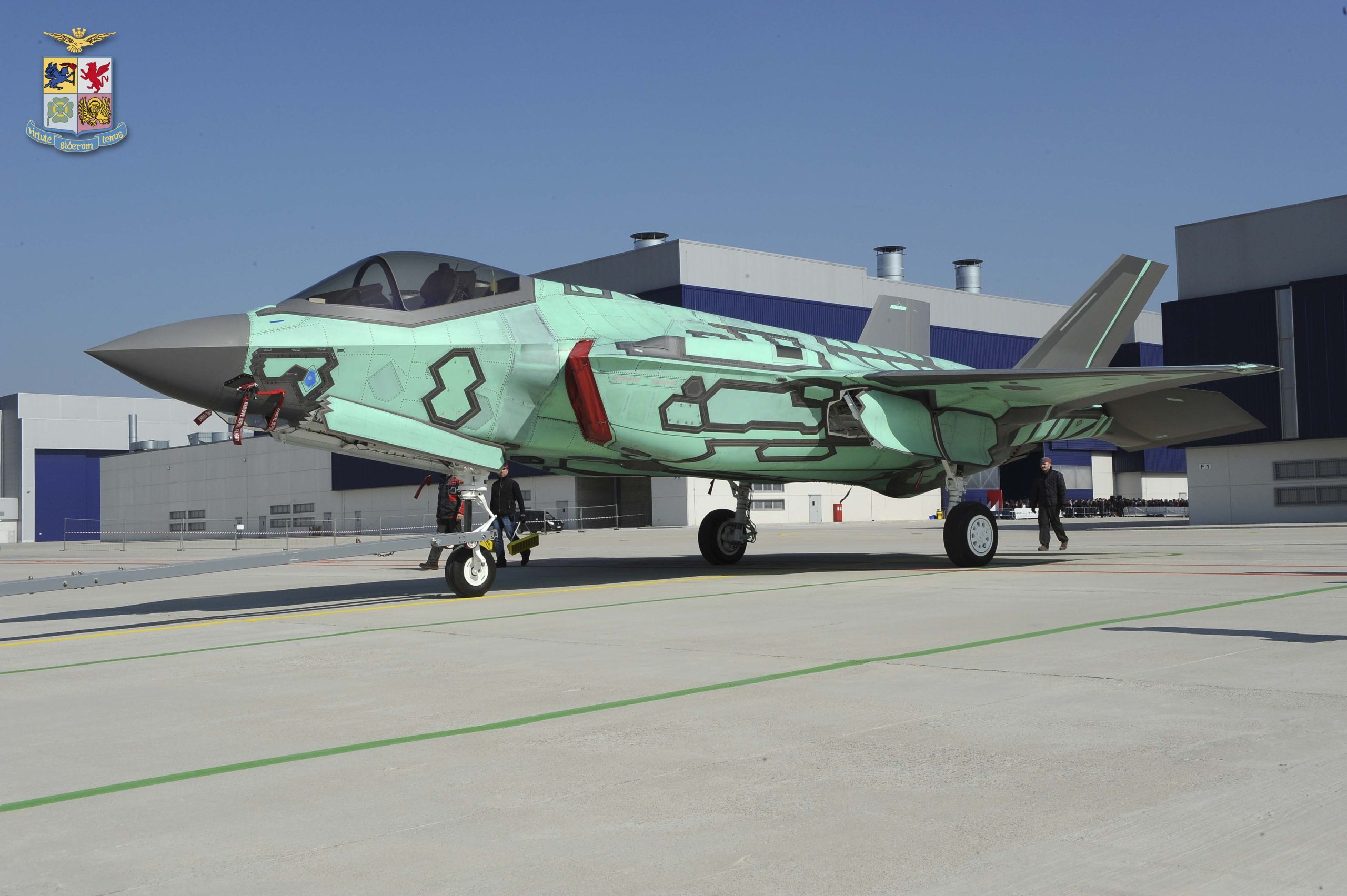
The G-550 CAEW (Conformal Airborne Early Warning) aircraft, a multi-sensor system with air surveillance, command, control, and communications functions, instrumental in achieving air superiority, and the fifth-generation F-35 aircraft, which in 2016 joined the already present F-2000, Tornado, and AMX in protecting national and international skies.
In 2003, the Incursori – AM Raider Department – was created, integrating the paratrooper experience of the Falchi Blu with the capabilities of the Furbara aero-rescuers (from 2008 they would become the 17th Raider Wing, employed in various operational theatres, including Afghanistan and Iraq). In 2004, the Air Riflemen component was established within the 16th Wing in Martina Franca. The Air Riflemen are highly specialised units in the field of Force Protection for Air Force Operations, tasked with ensuring the protection of personnel, weapon systems, vehicles, aircraft, and materiel, as well as aeronautical areas, sites, and infrastructure, located within the national territory or abroad.
The EC-27 JEDI (Joint Electronic Defence Instrumentation) aircraft, an Italian variant of the C-27J dedicated to electronic warfare, with its deployable information data analysis capability designated I2MEC (Italian Integrated Multi-Sensor Exploitation Cell), the acquisition of surveillance capabilities through the Predator system (RQ-1 version and subsequently MQ-9) and reconnaissance through the use of the RecceLite system, a new generation, ultra-high definition pod installed on board AMX, Tornado, and F-2000 aircraft.
From an organisational perspective, however, in addition to the revision of intelligence structures in all Operational Departments, the 9th ISTAR-EW Air Brigade, the ReSTOGE (Operational Technical Support Unit for Electronic Warfare), and the GrAIO (Operational Image Analysis Group) have been established under the existing CIGA (Air Force Geospatial Information Centre).
Commitment in various operational theatres, in Somalia, Iraq, Libya and Kosovo – to name but a few – in the early 2000s, moving on to the period when the Armed Force was deployed in the Middle East and Southeast Asia, among others, in Afghanistan, the United Arab Emirates and Kuwait. A continuous commitment to which has been added constant aid and support to NATO in Air Policing operations to safeguard the skies of the Alliance, where the Air Force has always been present in all NATO missions, from Albania to Romania, in Iceland, Poland, Bulgaria, Romania and the Baltic Republics (Lithuania and Estonia), to mention only a few.
The Logistics Command
Born from the union of the Logistics Inspectorate and the Telecommunications and Flight Assistance Inspectorate, and also absorbing the responsibilities of the abolished Territorial Logistic Directorates of the Air Regions, the Logistic Command was established on 1 March 1999 to guarantee timely logistical support for the operational capabilities of the Air Force.
An undertaking to ensure the efficiency and effectiveness of Weapon Systems and Armaments, Communication Networks and cyber systems, Infrastructures and operational Support, Materials and Equipment, Goods and Services, Aerospace and occupational Medicine, Experimentation and support for research and development, Training Ranges for advanced training at
An agile and cohesive team, working synergistically with all branches of the Armed Forces and Defence, focused on providing logistical support for aerospace multi-domain operations. Possessing excellent skills and capabilities, it can support the operational readiness and resilience of the Air Force to face and overcome future challenges.
Some evolutionary stages of COMLOG:
Named F.A.C.O. (Final Assembly and Check-Out), it is under the command of the 2nd Division and was established to manage the unique characteristics of the F-35 project, serving as the sole final assembly and check-out site in Europe outside of the United States. The only other site outside the US is in Japan.
The use of new Industry 4.0 technologies (such as Blockchain, Artificial Intelligence, Machine Learning and Augmented Reality) in the logistics sector, in synergy with Industry, Universities, Research Centres and START-UPs.
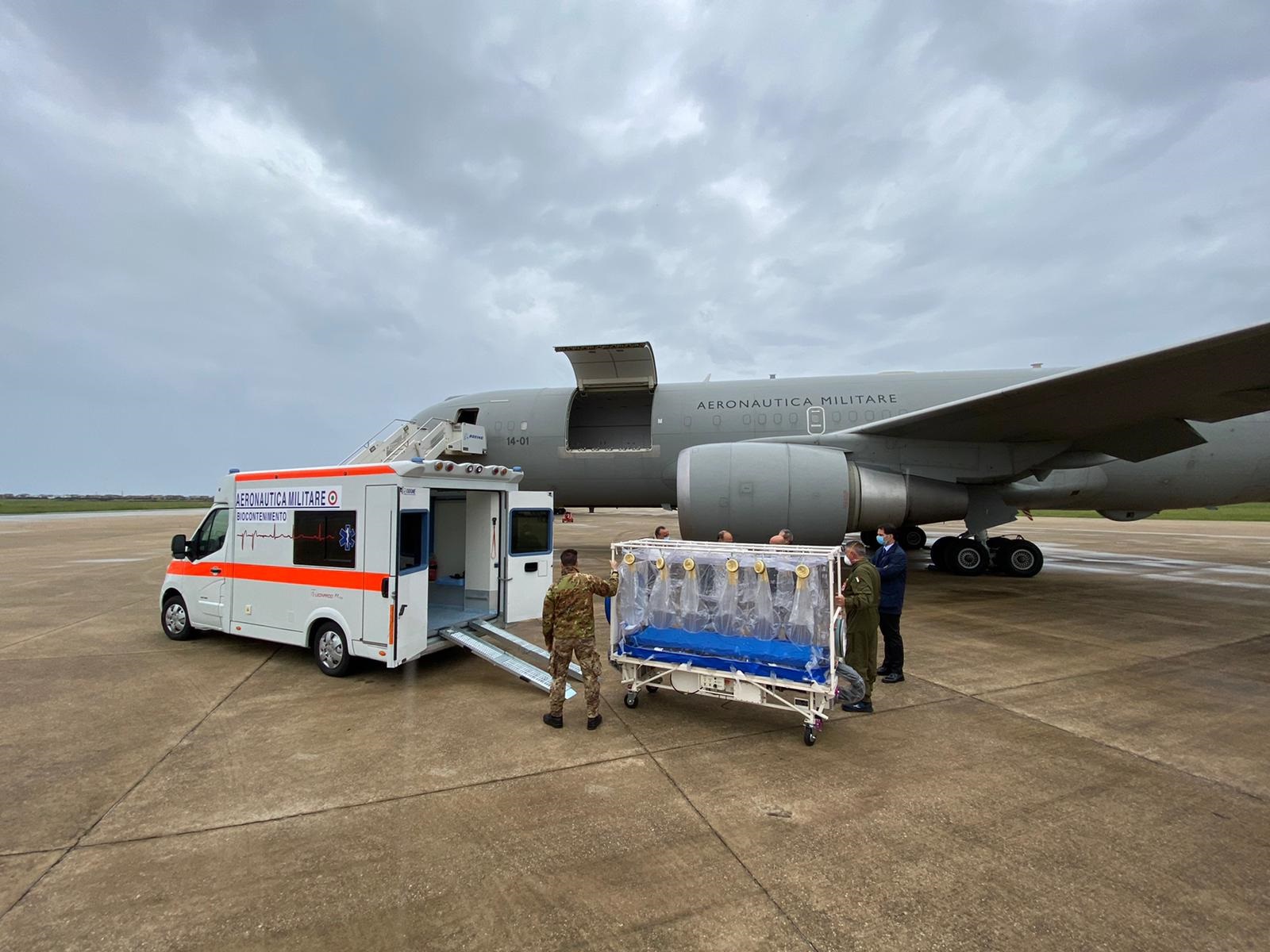
The National Health Service, in collaboration with the Aerospace and Space Medicine Department of D.A.S.A.S., began developing bio-containment capabilities in 2005 by acquiring the first ATI (Aircraft Transit Isolator) systems, which are special stretchers that allow for the observation and treatment of patients in isolation.
Since the start of the health emergency due to the spread of the COVID-19 virus, bio-containment transport capacity has proven fundamental for the country. Today, this airframe transport capacity is for 10 ATI stretchers transported simultaneously.
AIR FORCE COMMAND ROME
On 1 March 1999, the Rome Air Force Command (COMAER) was established, reporting to the Logistics Command, which absorbed the functions of the then Central Services Department of the Air Force, known as Re.S.C.A.M.. Transferred in 2009 to the Chief of Staff of the Air Force, it was then reorganised in 2014 and moved to Centocelle Airport.
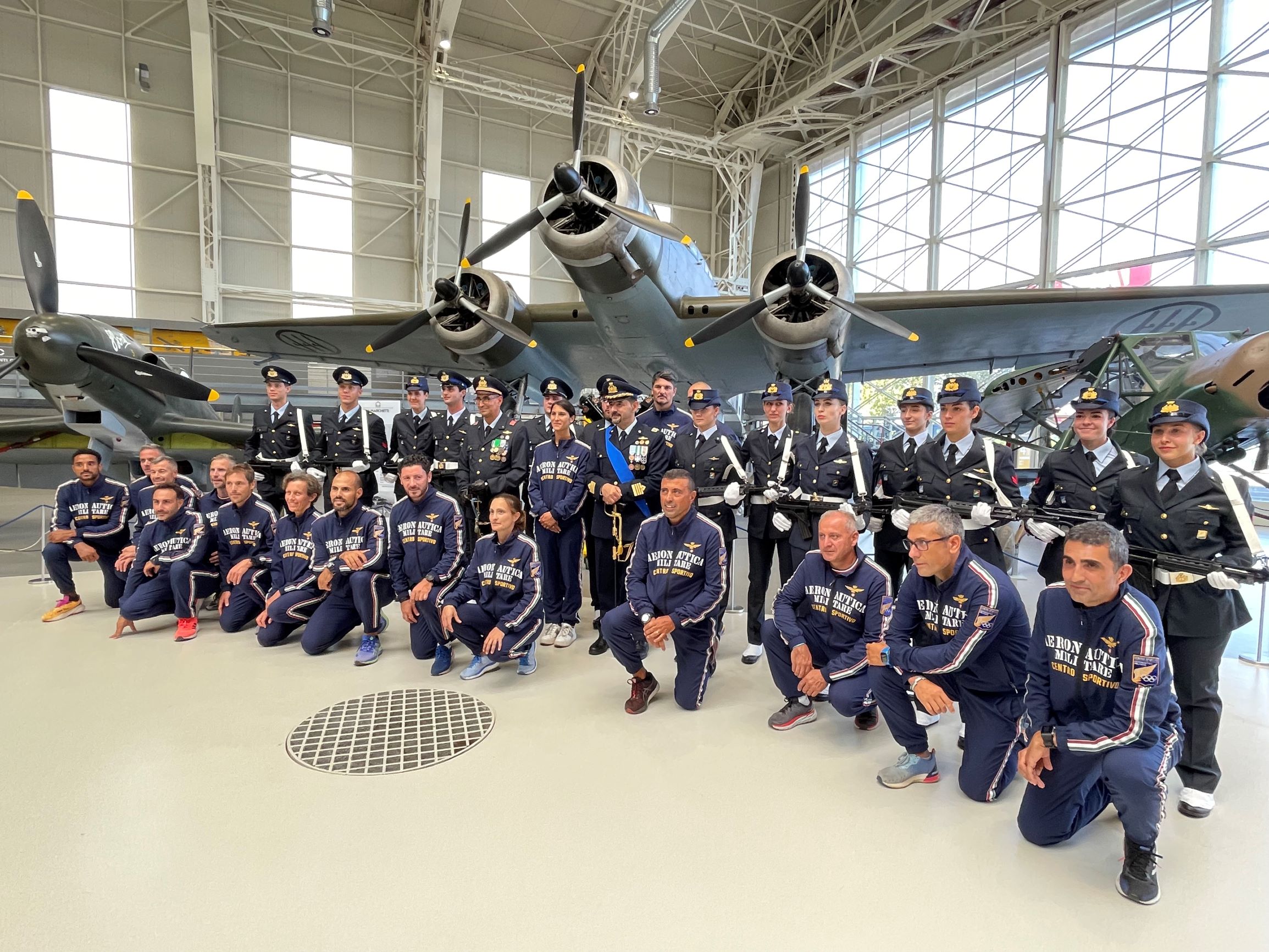
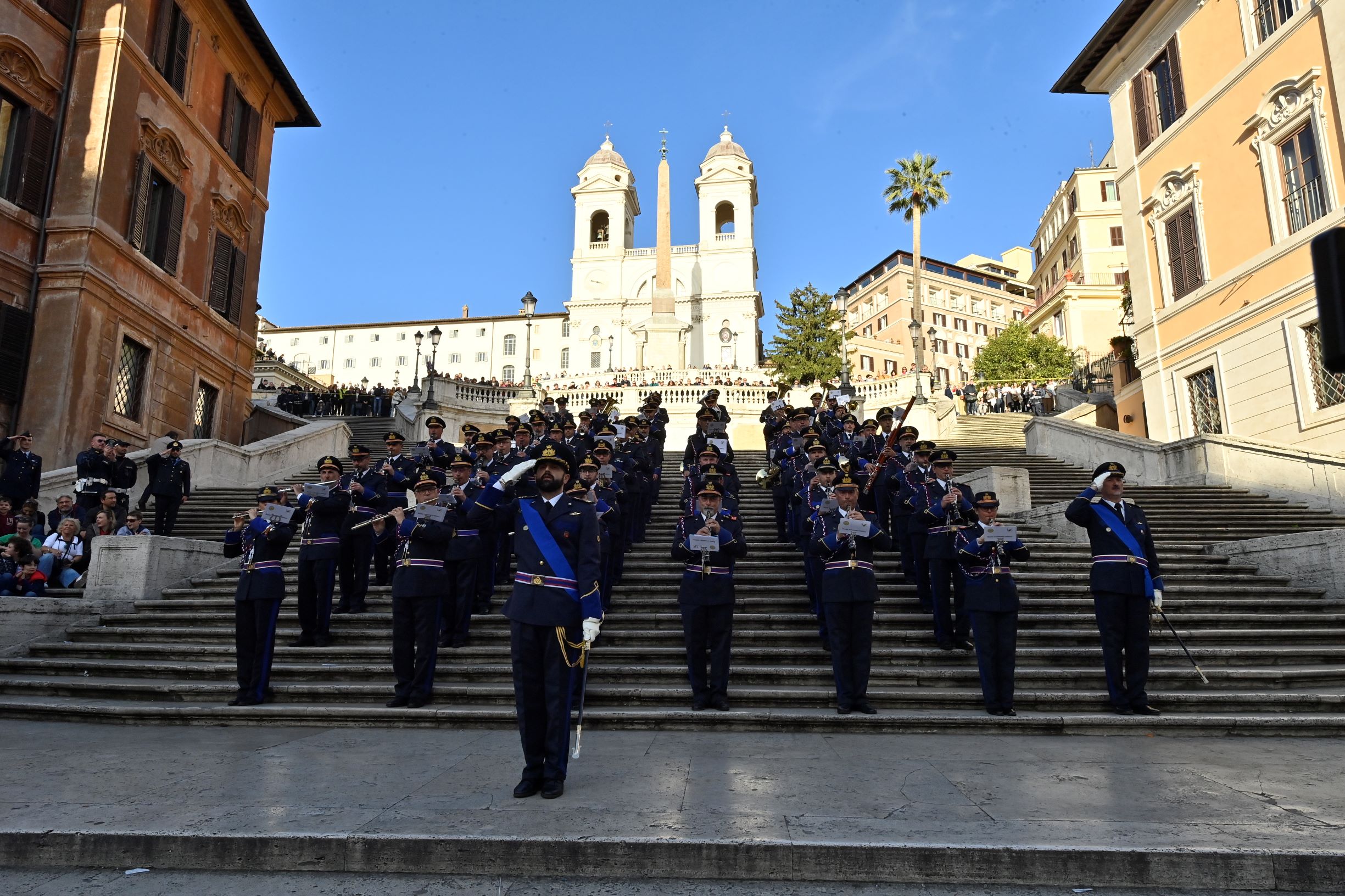
The COMAER guarantees territorial functions and liaison with the bodies and administrations present in the capital area. It performs aeronautical outpost duties, including through the deployment of the Band and the Honour Guard. It ensures and manages the historical heritage of the Italian Air Force and Olympic-level sporting capabilities through the historiographical and sporting centre at Vigna di Valle.
Within this sphere, FA athletes have participated in major world competitions, achieving results and placings of the highest level in the Olympics (7 golds, 9 silvers and 18 bronzes), including the Winter Olympics (6 golds, 1 silver, 1 bronze), and in the World Championships (a total of 77 golds, 99 silvers and 52 bronzes).