Three intense days of activities at the Aeronautical Academy for students from the University of Rome Tor Vergata on the Global Governance degree course.
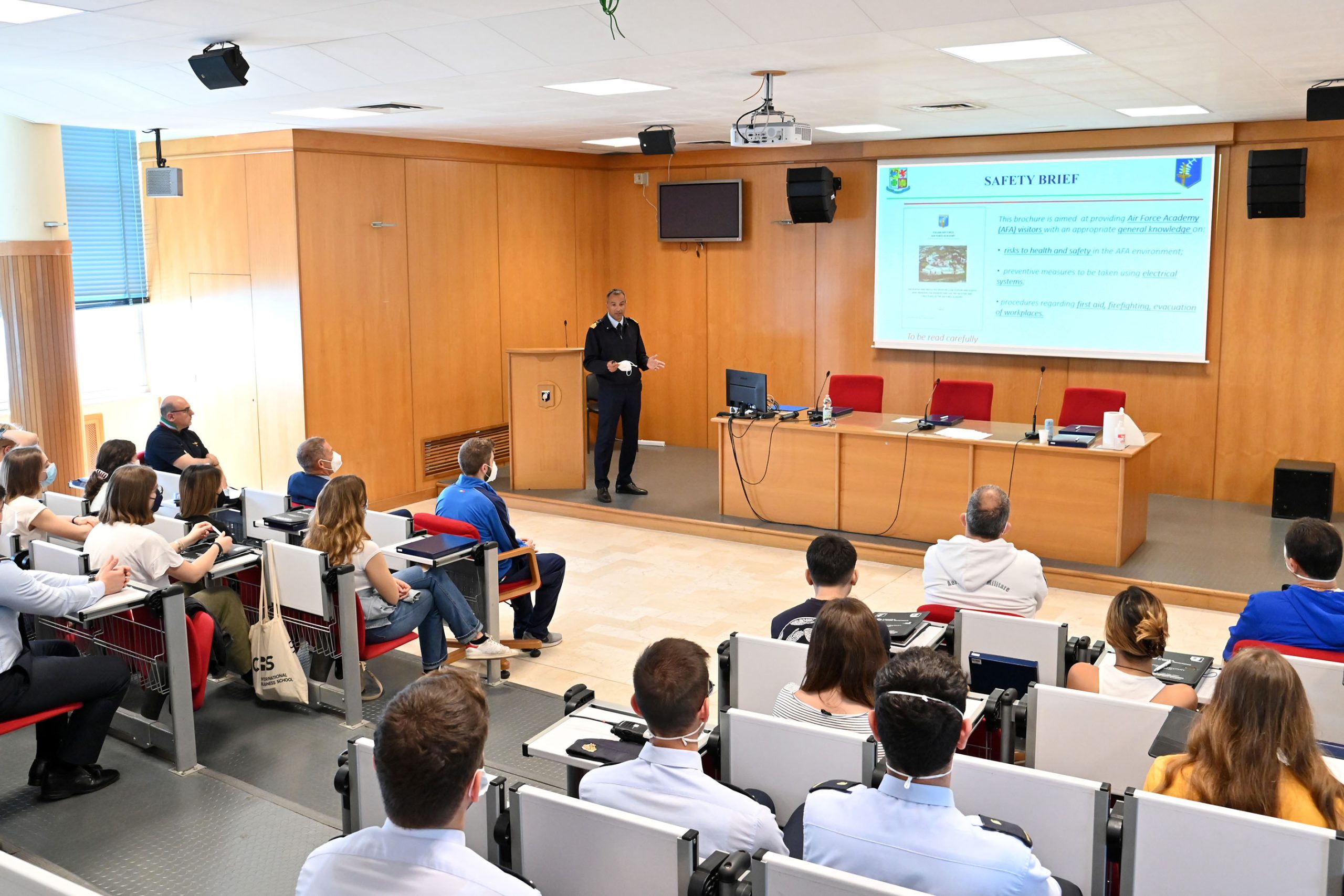
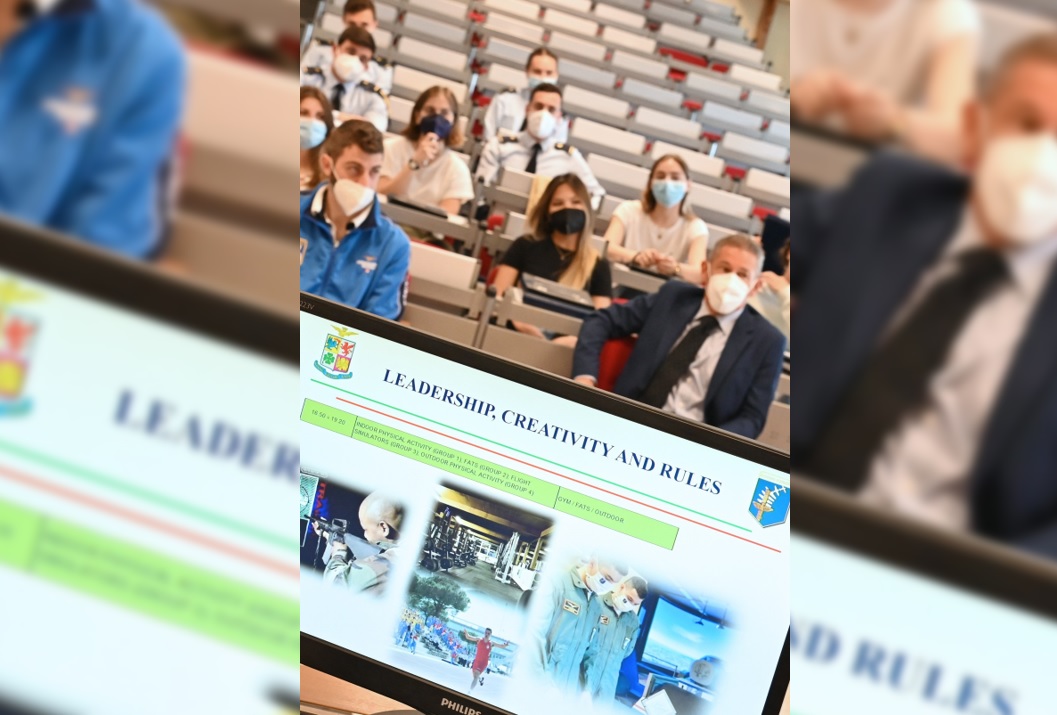
From 17 to 19 May 2022 the students of the’University of Rome Tor Vergata of the Degree Course in Global Governance participated with attendees of the Air Force Academy (Cadets of Course Aquila VI) in a seminar entirely in English on leadership, creativity and rules, developed in line with the integrated training approach that blends the conceptual and experiential aspects.
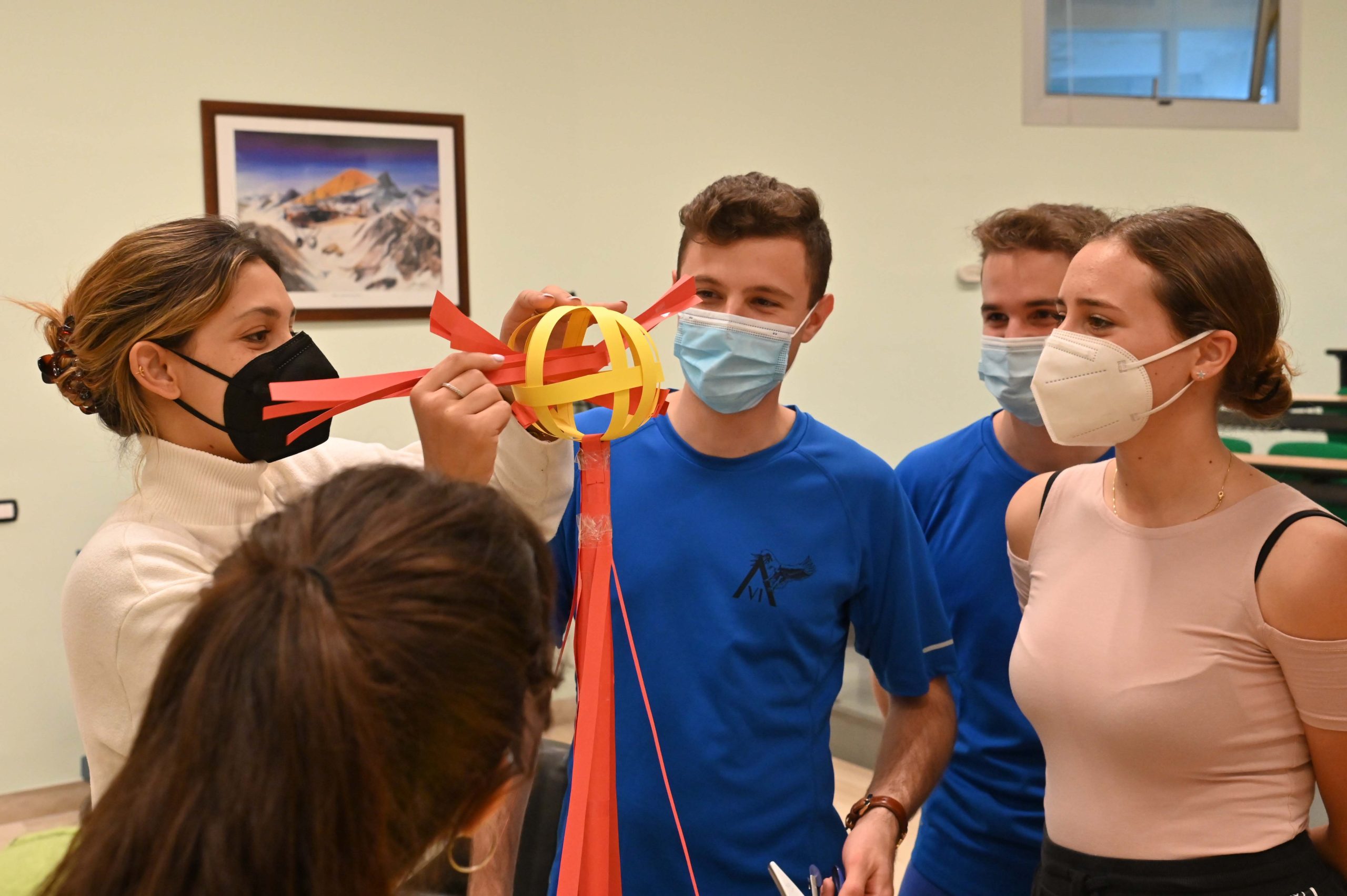
The underlying theme of the seminar was dialectic between rules, the creativity and the Leadership. In the military environment, the rules are quite strict. This is a necessity given the type of work performed by those who serve the community in arms. However, rigour is not an end in itself: rules, ethics and leadership must be presented in such a way as to stimulate the creativity that is essential for effectively operating in complex environments. The training approach has developed interactive theoretical lessons alongside practical activities which, on the one hand, bear witness to the concepts presented, linking them to emotions, and on the other hand, complement them.
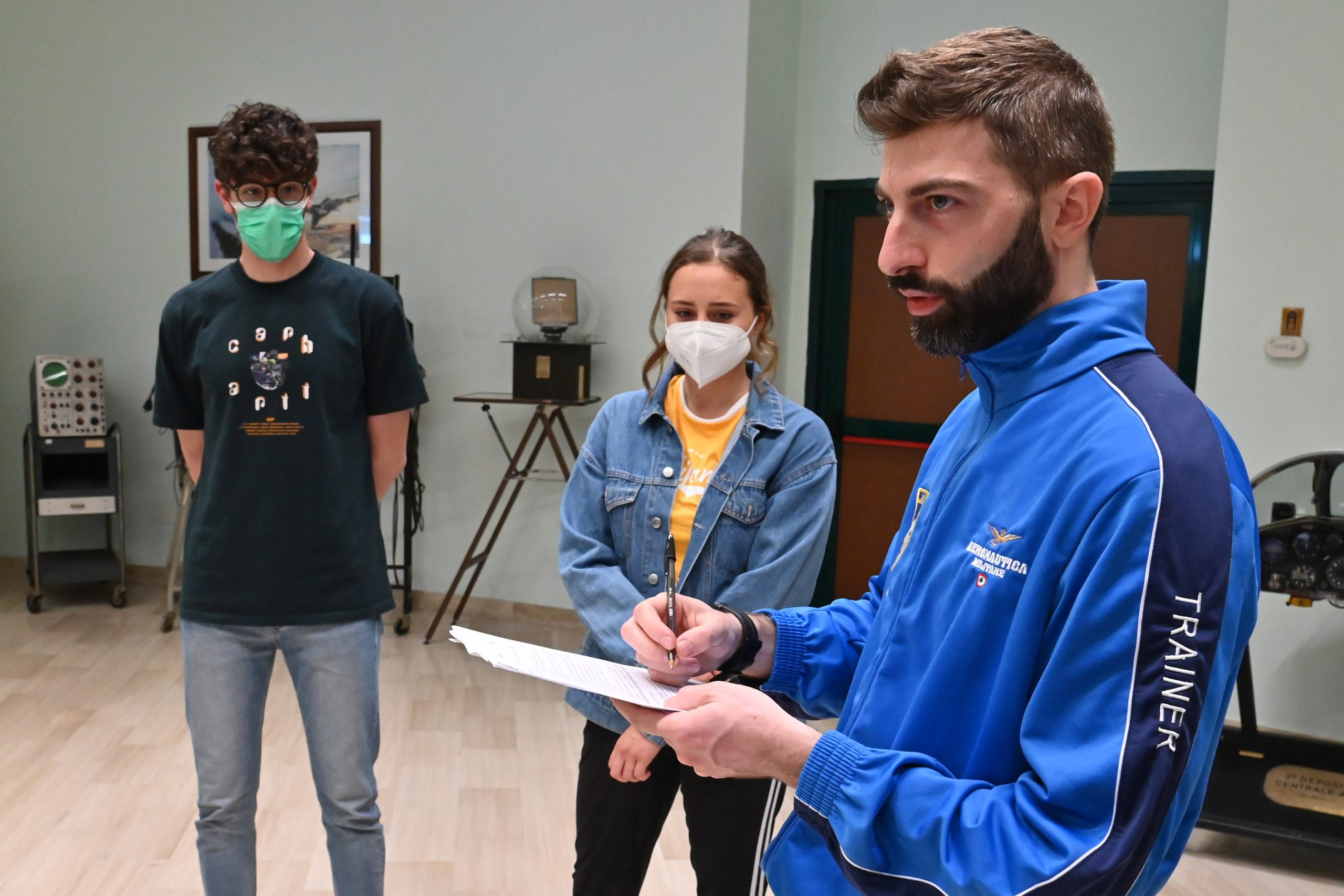
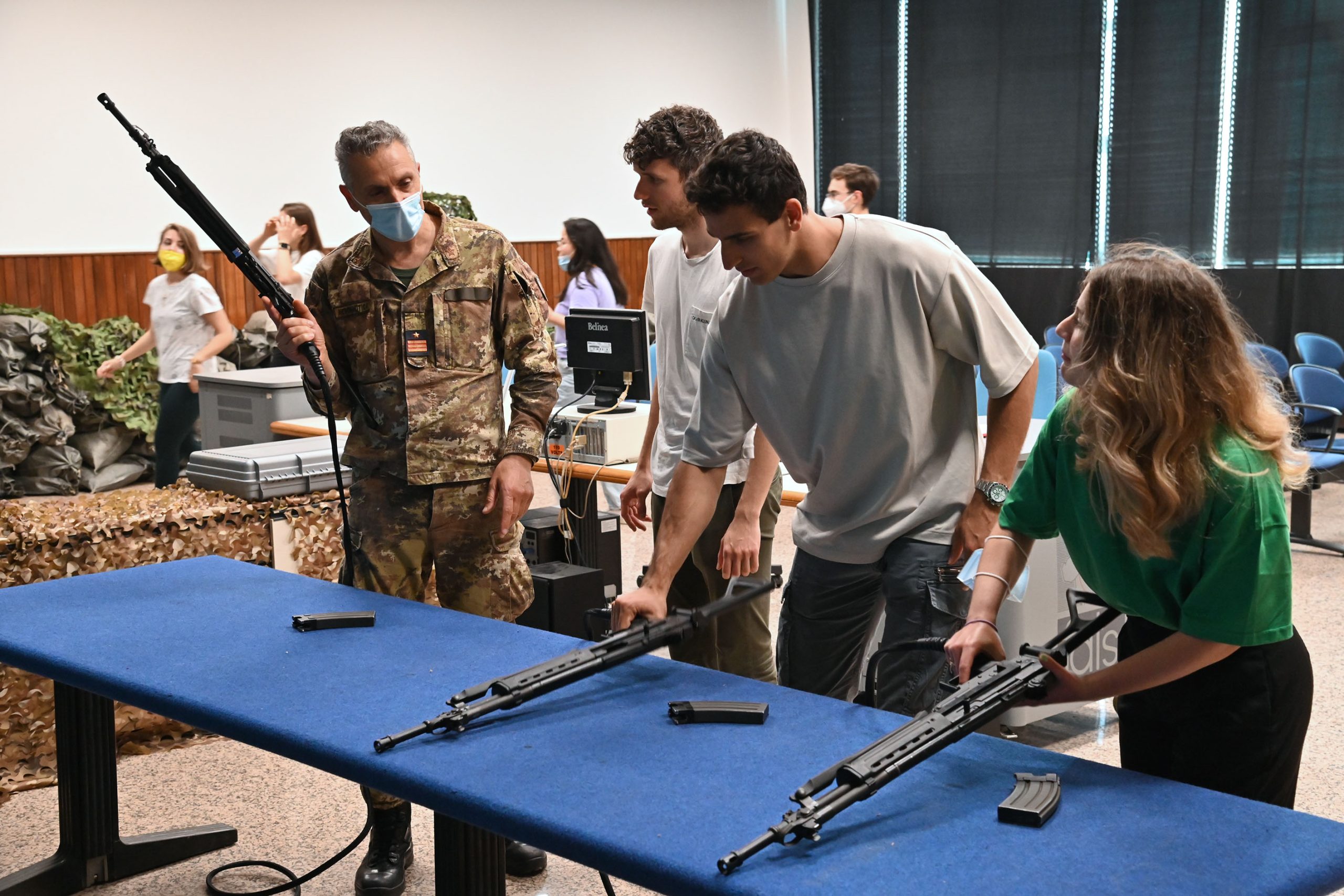
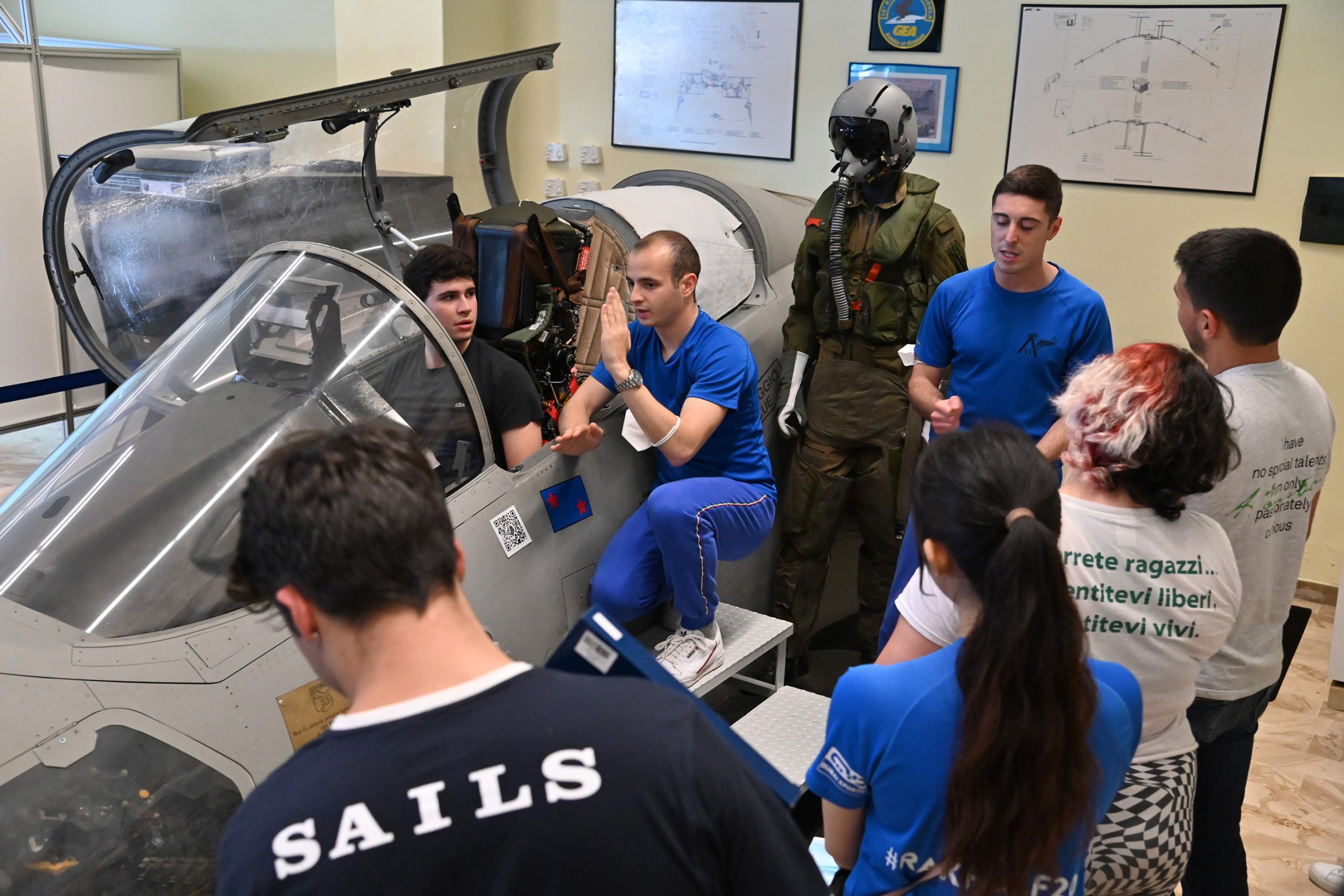
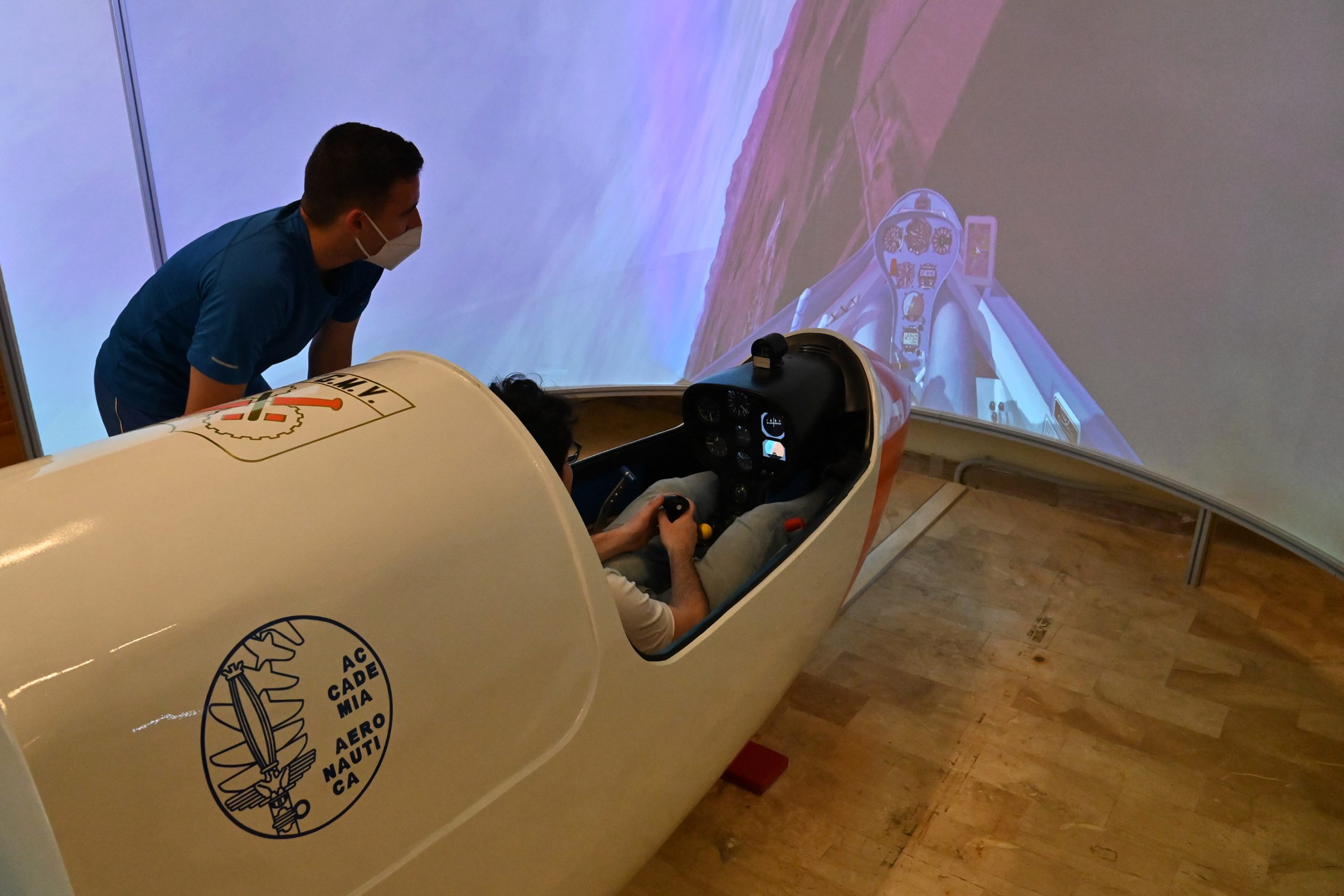
The 60 students from Tor Vergata, representing 20 countries, were divided into two groups and took turns over the three days in interactive pathways. During these, they had the opportunity to experience life as an Academy attendee, fly on aircraft and glider simulators, use a tactical environment shooting simulator, and participate in lessons and exercises of an adapted version of Combat Training; They were guided on this particular path by the Officer Cadets of Course Aquila VI.
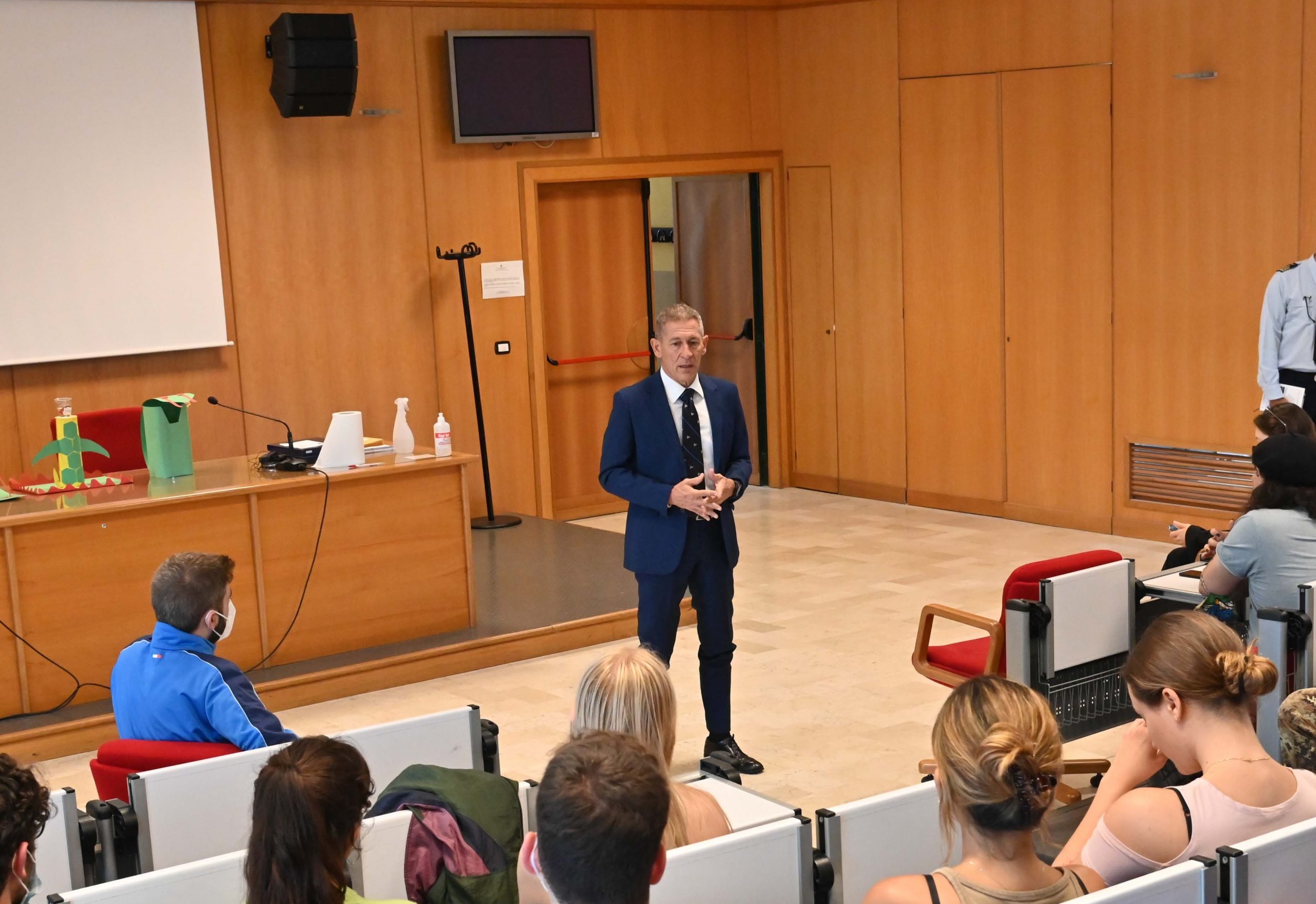
“The sense of the training proposal lies in demonstrating how effective leadership must always be based on a strong group ethic. The military's unique nature and the great responsibility it implies lead to more intense references to ethics and the sense of team, elaborated through strict rules. The need for a broad, creative, and balanced mind can appear to be in tension with an environment with a strong identity and severe rules. What are the risks and what are the opportunities of such a tension?” The debate between military attendees and students was a central formative moment of the proposed approach.
Another important dimension for a degree course in Global Governance has been the students' exposure to the environment where security and defence actors are trained.
This dimension is unfortunately still extremely relevant on the international scene today, and direct knowledge of the culture and of some themes in the sector is an important element for those involved. global governance will have to deal with.
The collaboration with the’University of Tor Vergata falls within the broader project of opening the Air Force Academy's training to the outside world (this year is the 6th edition). The approach summarised as “We open training to the world”stems from a systemic vision of value creation within the Armed Force and the country, driven by the increasing complexity and unpredictability of reference scenarios and the critical shortage of financial resources. The collaboration between the Air Force and the University of Tor Vergata is a well-established and positive reality, which has yielded excellent results to date.
The Global Governance course offered by the University of Tor Vergata aims to develop up-to-date skills in managing global processes in the economic, legal, cultural, natural resources, and public policy fields. It is characterised by interdisciplinary and innovative teaching with lecturers who are academics and experts from the University's various faculties,.
The’Air Force Academy It depends Air Force Schools Command / 3rd Air Region. It is a university-level military institute of higher education responsible for recruiting and training young people who aspire to become officers in the Air Force. By attending the Academy’s regular courses, students can become Second Lieutenants in the Permanent Active Service of the Air Force, in the standard Flying Branch (pilots) and in the standard branches of the Air Force, the Air Force Engineering Corps, the Air Force Quartermaster Corps and the Air Force Medical Corps. The Institute also runs courses for Officer Cadets (Reserve and Fixed-Term Pilots and Navigators) and directly appointed Second Lieutenants (in both the Regular and Special Branches); finally, the Academy’s curriculum includes courses with a specialised aeronautical focus, designed for foreign personnel and members of other armed forces.