The conference was an important opportunity for professional development for the Armed Forces personnel involved in various levels of the decision-making process.
Wednesday 26 June, at the Auditorium of Palazzo Aeronautica in Rome, the seminar dedicated to Theory of risk applied to decision-making models, an event organised by Logistics Command Infrastructure Service.
The aim of the seminar was to illustrate risk theory with an absolutely innovative, cross-cutting approach, capable of support and guide The public, civil and military decision-maker, in all fields of possible interest, including the design and execution of public works, flight safety, financial planning, and procurement logistics.
At the event, in addition to the Chief of Staff of the Logistic Command, Air Marshal Michele Oballa, the Head of the Flight Safety Inspectorate, Air Brigadier General Roberto Di Marco, the Head of the 6th Department of the Air Force General Staff, Air Brigadier General Mauro Gnutti, the Head of the Support Service of the Logistics Command, Brigadier General Francesco De Simone and numerous other Officers and Commanders of peripheral Commands of the Armed Force.
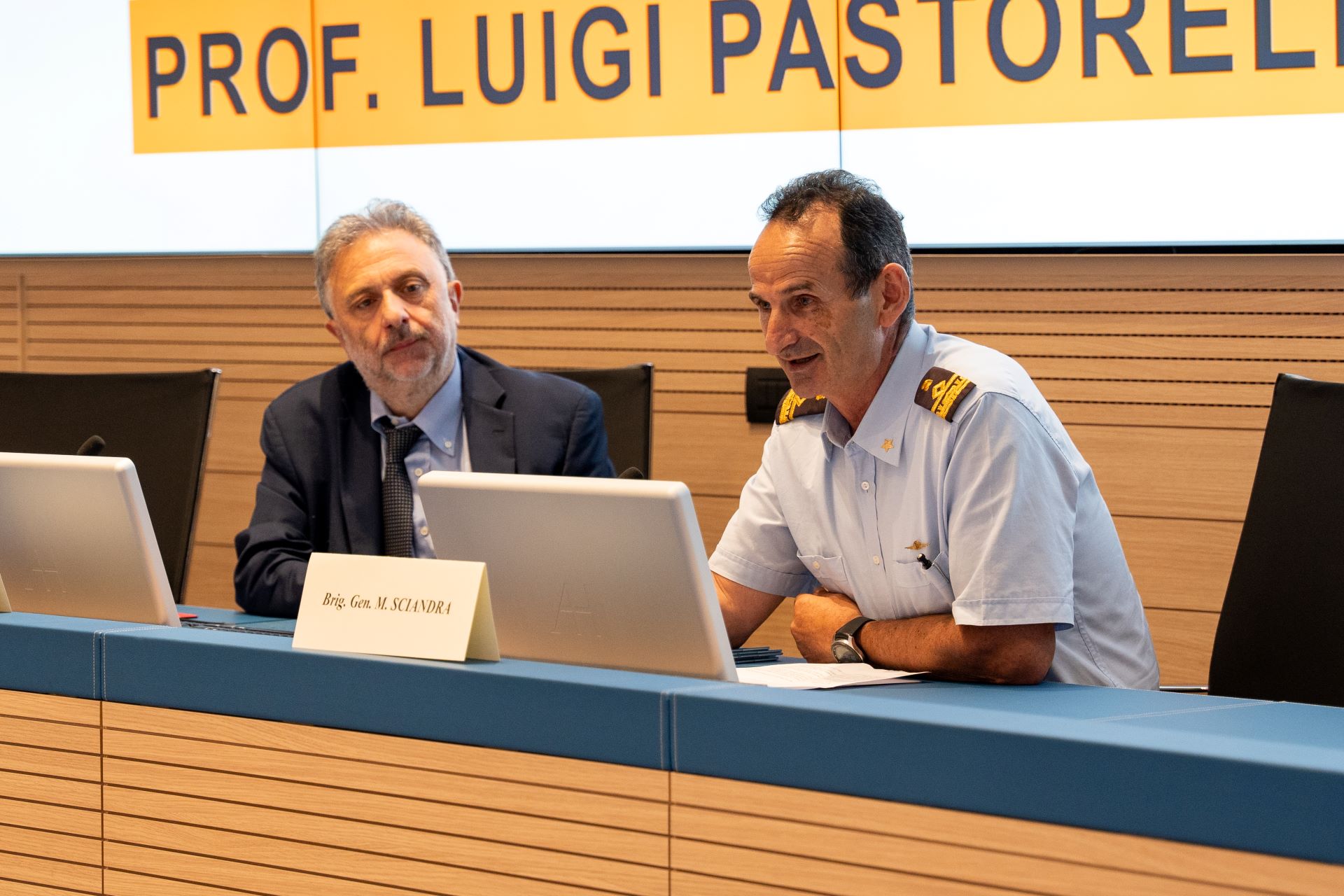
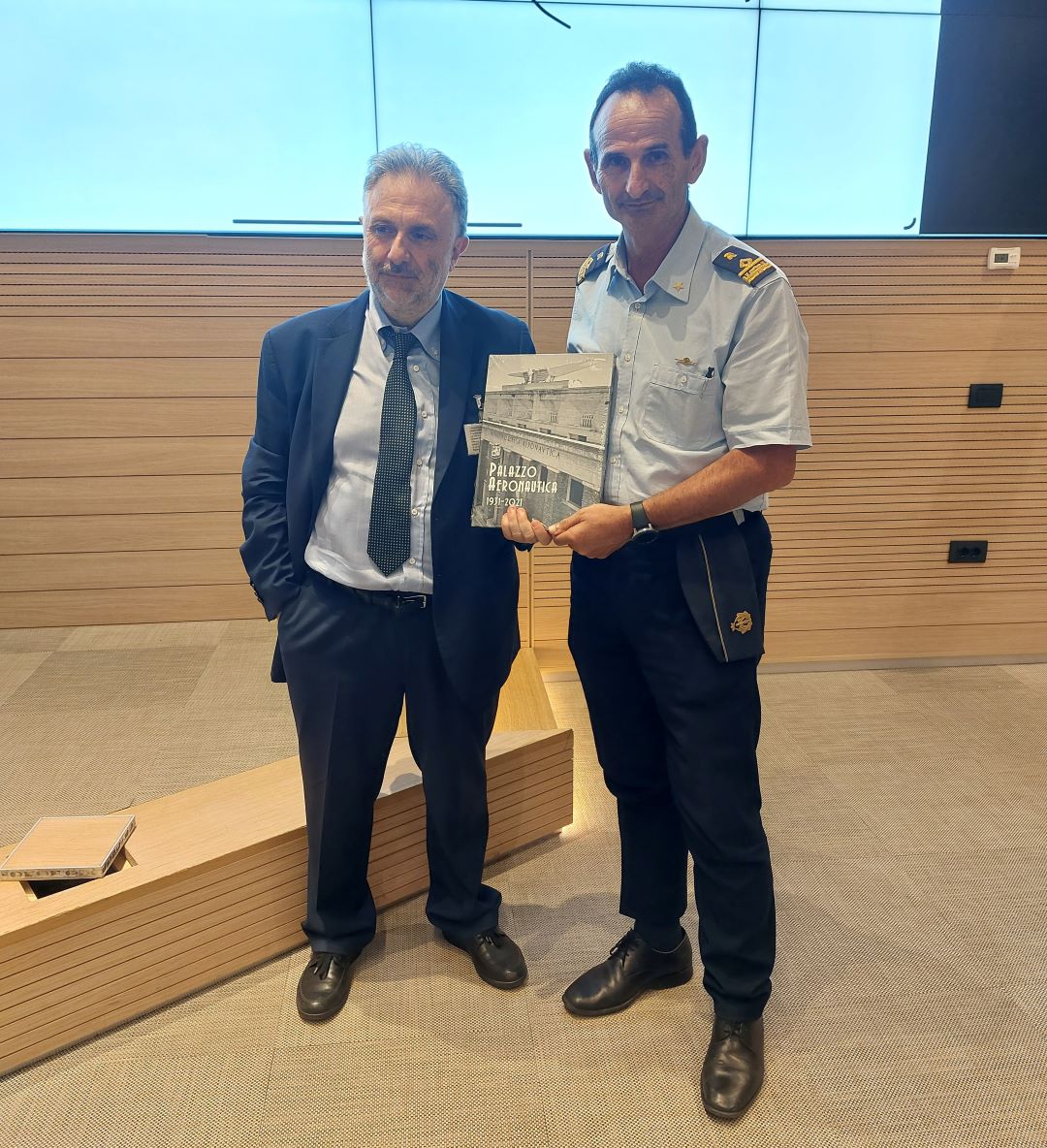
In his opening address, the Head of Infrastructure Services, Brigadier General Mario Sciandra, he underlined the importance for the Air Force and particularly for personnel who are called upon to make decisions at various levels of employment, to delve into decision-making process methodologies and in particular the risk factor analysis pathway which constitutes the tool for arriving at the most cost-effective choices.
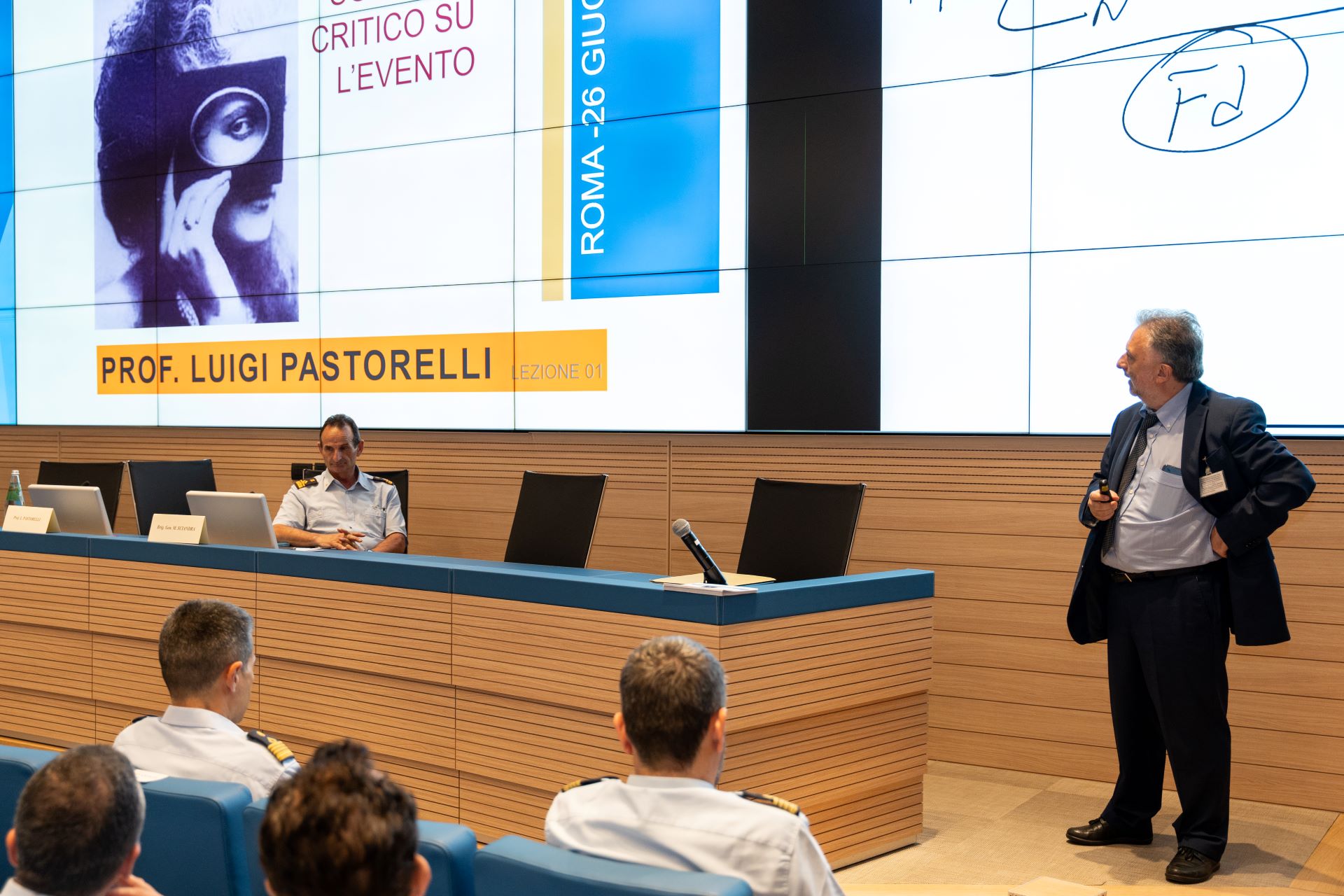
Next, the Professor Luigi Pastorelli, who established the Chair of Risk Theory at the Pontifical Gregorian University in Rome and lectures on the subject at various universities; professionally, he has held roles as a risk assessor for companies in Italy and abroad, participating as an expert in Risk Analyses for several European Union Projects.
The Professor's conference offered multiple points for reflection, with him repeatedly stating that Risk analysis must answer three fundamental questionsWhat can happen? What is the probability of it happening? If it happens, what will be the consequences?
Among the key points, the Lecturer highlighted how the decision-making process must develop by following different levels of analysis, more specifically: observing the problem from a constantly new perspective, searching for risk factors with particular attention to the frequency and consequences they characterise, and predicting the expected value, understanding this as the deviation from the objective set by the decision-maker. In this context, a crisis should not be interpreted as an anomaly, but rather as one of the possible configurations of the system. He therefore explained that to manage a crisis, one should not refer solely to the management methods of a previous similar crisis, stressing the importance of observing the reality around us with extreme care, as the only effective means of perceiving the critical indicators present in all so-called critical systems (a category of complex systems).