The Falcon Strike represents the most important training event of the Italian Air Force for 2025. The exercise will take place in Italy from November 3rd to 14th, with the 32nd Wing of the Italian Air Force in Amendola (Foggia) as the main deployment base, and will involve several Italian Air Force bases with the arrival of pilots, specialists, and aircraft from other Italian and foreign flight wings. Over 1000 military personnel and more than 50 assets from Italy, the United States, the United Kingdom, France, and Greece will train side-by-side to improve operational readiness and the ability to cooperate in multinational missions. In addition to air assets, the exercise will employ land and naval units from the Italian Defence, and in particular from the Italian Air Force and from the Italian Navy.
Training activities like Falcon Strike 2025 represent an opportunity to train personnel to ensure readiness for national needs in light of the Italian Air Force’s current commitments both domestically and in operational theaters abroad, with changing and increasingly complex international scenarios).
Technology and Training Scenario: Falcon Strike 2025 is not just an exercise. It is a leap into the future of the Air Force.
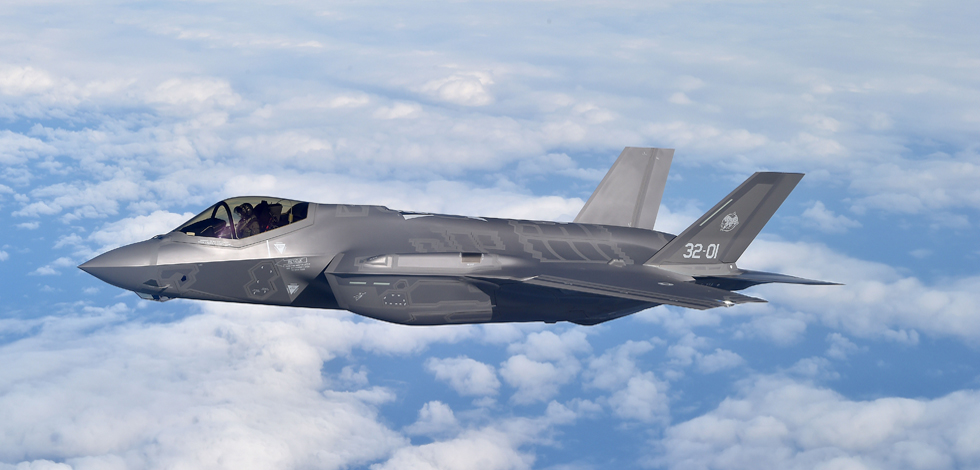
To face the most complex operational challenges, the Italian Air Force uses cutting-edge tools and extremely realistic training. 5th generation air assets, such as the F-35, are aircraft designed to be very difficult to detect, using stealth technology to move in highly complex scenarios.
At the same time, the Italian Air Force uses sophisticated command and control and air defense systems to collect, process, and exchange information in real time. This allows for very rapid and effective decision-making in a training context that is as realistic as possible.
To be ready to operate in the most difficult scenarios, it is necessary to train according to the principle “Train as we fight, fight as we train.”
The heart of the Italian Air Force’s virtual training is the Salto di Quirra Interforce Range (PISQ) in Sardinia. Here, not only are fighter jets used in flight, but a true virtual world is recreated with advanced platforms that replicate complex scenarios, full of reproduced threats, improving personnel preparation without the risks and costs of a real operation. Thanks to the massive and increasingly integrated use of these platforms, the Italian Air Force achieves its training objectives while ensuring significant resource savings and a lower environmental impact
#FalconStrike2025
Falcon Strike 2025 is not just an exercise. It is a leap into the future of the Air Force.
To face the most complex operational challenges, the Italian Air Force uses cutting-edge tools and extremely realistic training. 5th generation air assets, such as the F-35, are aircraft designed to be very difficult to detect, using stealth technology to move in highly complex scenarios At the same time, the Italian Air Force uses sophisticated command and control and air defense systems to collect, process, and exchange information in real time. This allows for very rapid and effective decision-making in a training context that is as realistic as possible. To be ready to operate in the most difficult scenarios, it is necessary to train according to the principle “Train as we fight, fight as we train.”
The heart of the Italian Air Force’s virtual training is the Salto di Quirra Interforce Range (PISQ) in Sardinia. Here, not only are fighter jets used in flight, but a true virtual world is recreated with advanced platforms that replicate complex scenarios, full of reproduced threats, improving personnel preparation without the risks and costs of a real operation. Thanks to the massive and increasingly integrated use of these platforms, the Italian Air Force achieves its training objectives while ensuring significant resource savings and a lower environmental impact).
The Falcon Strike 2025 (FS25) exercise is conducted with the utmost attention to the safety of the population and respect for the surrounding environment. The Armed Force is committed to reducing the ecological impact through logistical efficiency, the extensive use of simulation platforms, and state-of-the-art facilities.
The Italian Air Force is at the forefront of environmental protection, a fundamental objective for the Armed Force and an important element considered in the design, modernization, and construction of its structures. With the “Aeroporti Azzurri” (Blue Airports) program (Link), the environmental footprint of the Armed Force is reduced, in line with its decarbonization goals. In this context, the 32nd Wing is a Green Pioneer: the F-35 Aircraft Maintenance Hangar at the Amendola Base is, in fact, a national case study and a concrete example of attention to the environment, having achieved the first “Gold” level LEED certification (LINK to FAQ) for an Italian Air Force installation, thanks to the implementation of advanced design techniques that optimize energy resources with an eco-sustainable approach.
Furthermore, training with the virtual models in use, such as that offered by the Operational Training & Infrastructure (OT&I) at the Salto di Quirra Interforce Range (PISQ), reduces operational costs, logistics, and, in particular, the environmental impact compared to real training.
With the same approach, all flight and ground activities of Falcon Strike 2025 are carried out in full compliance with current regulations and with the utmost attention to the safety of the population and personnel to minimize the impact on the local territorial context.
The exercise is also an opportunity to promote and enhance the relationship with the local communities of Amendola and other affected areas, for the benefit of the territory’s security and the local economy, thanks to the Italian and foreign military personnel who, during the days of the exercise, generate an economic benefit for the community.
You can consult the FAQ section for further clarification or contact the Public Relations Office (URP) of the Italian Air Force for any report or request for information at the following telephone number/e-mail address:
SMA 5th DEPARTMENT “Communication”
2nd External Relations Office
Viale dell’Università n. 4 – 00185 ROME
06.49866626 (from Monday to Thursday 8:30 AM – 12:00 PM / 2:00 PM – 4:15 PM – Friday from 8:30 AM to 11:45 AM)
Falcon Strike 2025 (FS25) is the most important training event organized by the Italian Air Force for 2025. It is a multinational, joint, and multi-domain air exercise aimed at testing and perfecting operational capabilities in a highly complex context.
The exercise will last for two weeks, from November 3 to 14, 2025. The Main Operating Base is the 32nd Wing in Amendola (FG). Other bases throughout Italy are also involved.
Falcon Strike 2025 involves the participation of air forces and assets from Italy (Air Force and Navy), the US, the UK, France, and Greece. In addition, several observer nations are also present.
The exercise involves nearly 1,000 foreign and Italian personnel from the Air Force and Navy (in addition to personnel from the host wing). Dozens of fourth- and fifth-generation aircraft are being deployed.
The primary objectives of Falcon Strike 2025 are:
The exercise is fundamental to strengthening Italy’s role as a leading nation in the use of fifth-generation assets and as a training hub in the wider Mediterranean. It makes a decisive contribution to collective security and deterrence on NATO’s southern flank, consolidating interoperability between allied air forces.
This refers to the ability of the most modern aerial platforms (such as the F-35, which is fifth generation) to collaborate and share data and information in real time with previous generation aircraft (such as the Eurofighter, which is fourth generation), multiplying the overall operational effectiveness of the coalition.
We are aware that flying high-performance aircraft can generate louder noise, including so-called “sonic booms,” as mentioned in previous editions. The Air Force operates in full compliance with regulations and with the utmost attention to public safety. All possible measures will be taken to minimize the noise impact on the population in the areas concerned. A sonic boom is an acoustic phenomenon that occurs when an aircraft exceeds the speed of sound. It is a sometimes unavoidable consequence of certain air activities that are essential for national defense and security.
The most frequent reason why a military aircraft may generate a sonic boom is related to the alert operations of the national Air Defense system. These consist of rapid, high-speed takeoffs (scrambles) to intercept unidentified or potentially threatening aircraft violating national airspace. In such situations, readiness and speed of intervention are crucial to ensuring the country’s security, and exceeding the speed of sound becomes an operational necessity to achieve the objective in the shortest possible time.
The Air Force ensures the surveillance and defense of national airspace 24 hours a day, 365 days a year. Interceptor fighters are constantly ready for takeoff to respond to any threat or abnormal situation.
Absolutely yes. Sustainability and reducing environmental impact are important objectives for the Armed Forces. The F-35 Aircraft Maintenance Hangar at the 32nd Wing in Amendola, for example, was a cutting-edge project within the “Aeroporti Azzurri” program, obtaining LEED “Gold” certification for resource optimization and commitment to green technologies.
LEED (Leadership in Energy and Environmental Design) certification is a voluntary rating system based on the design, construction, and management of high-performance sustainable buildings. The F-35 Aircraft Maintenance Hangar of the 32nd Wing has achieved the Gold level, which represents a significant milestone for the Italian Air Force, as it is the first LEED certification of this level obtained by an Armed Forces installation.
All updates, news, press releases, and multimedia content (photos and videos) related to the Falcon Strike 2025 exercise will be published on the Italian Air Force’s institutional website and on our official social media channels (Facebook, Instagram, X, TikTok, YouTube, Telegram)
You can contact the Italian Air Force Public Relations Office (URP) for any reports or requests for information at the following telephone number/email address:
SMA 5th DEPARTMENT “Communication”
2nd External Relations Office
Viale dell’Università n. 4 – 00185 ROME
06.49866626 (Monday to Thursday 8:30 a.m. – 12:00 p.m. /2:00 p.m.-4:15 p.m. – Friday from 8:30 a.m. to 11:45 a.m.)
“Falcon Strike 2025 represents an important test bed particularly in the field of international cooperation and interoperability among allied Air Forces for collective security and deterrence on NATO’s southern flank. Training with allies means knowing how to respond together to contemporary challenges and threats, ensuring readiness, resilience, and, as mentioned, deterrence. What is done by the Defence must be seen as an insurance for the progress and development of our Nation and the Alliance partners. Flight and ground activities will be carried out in compliance with regulations, minimizing the impact on the territory, and with the utmost attention to the safety of the population and personnel. It is important to underline the constant relationship with the local communities of the affected areas, and also the positive effects on the local economy that this type of activity generates.”
Col. Roberto Losengo, Commander of the 32nd Wing

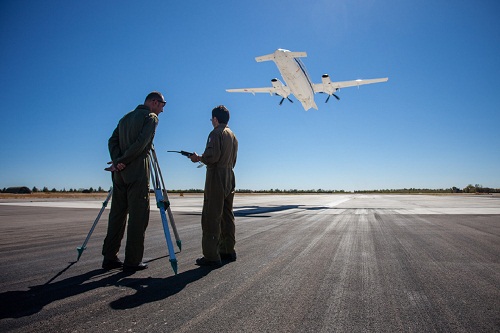
Technical specifications:
Wingspan: 20,1 m – length: 11 m – height: 3,8 m – maximum speed: 360 Km/h – maximum Take-off Weight: 4,760 kg – propulsion System: one Honeywell TPE331-10GD turboprop engine with 900 shaft horsepower – endurance: over 30 hours – payload: 1,700 kg.
Technical specifications:
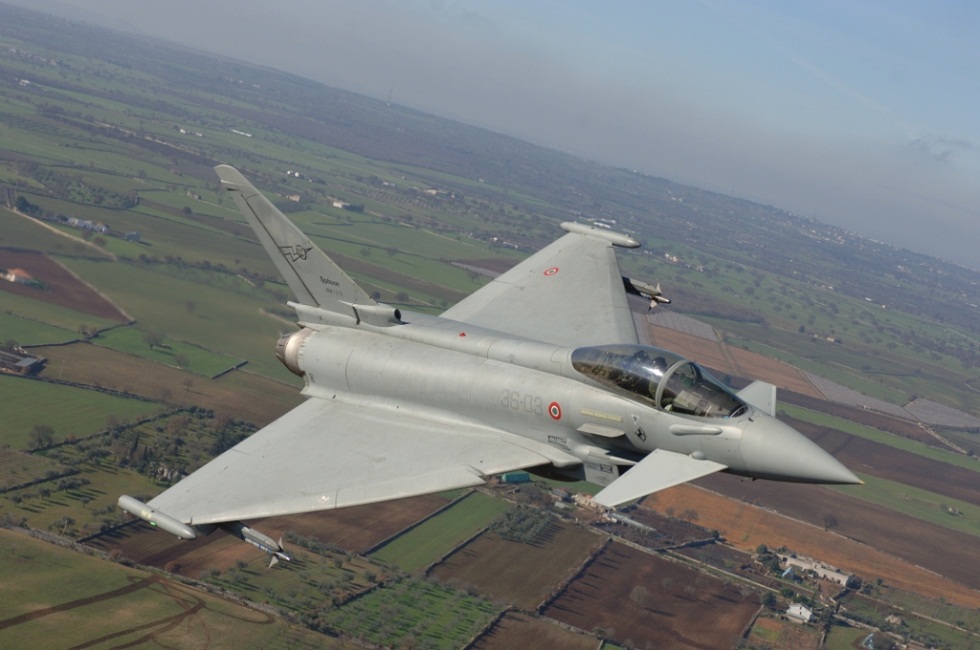
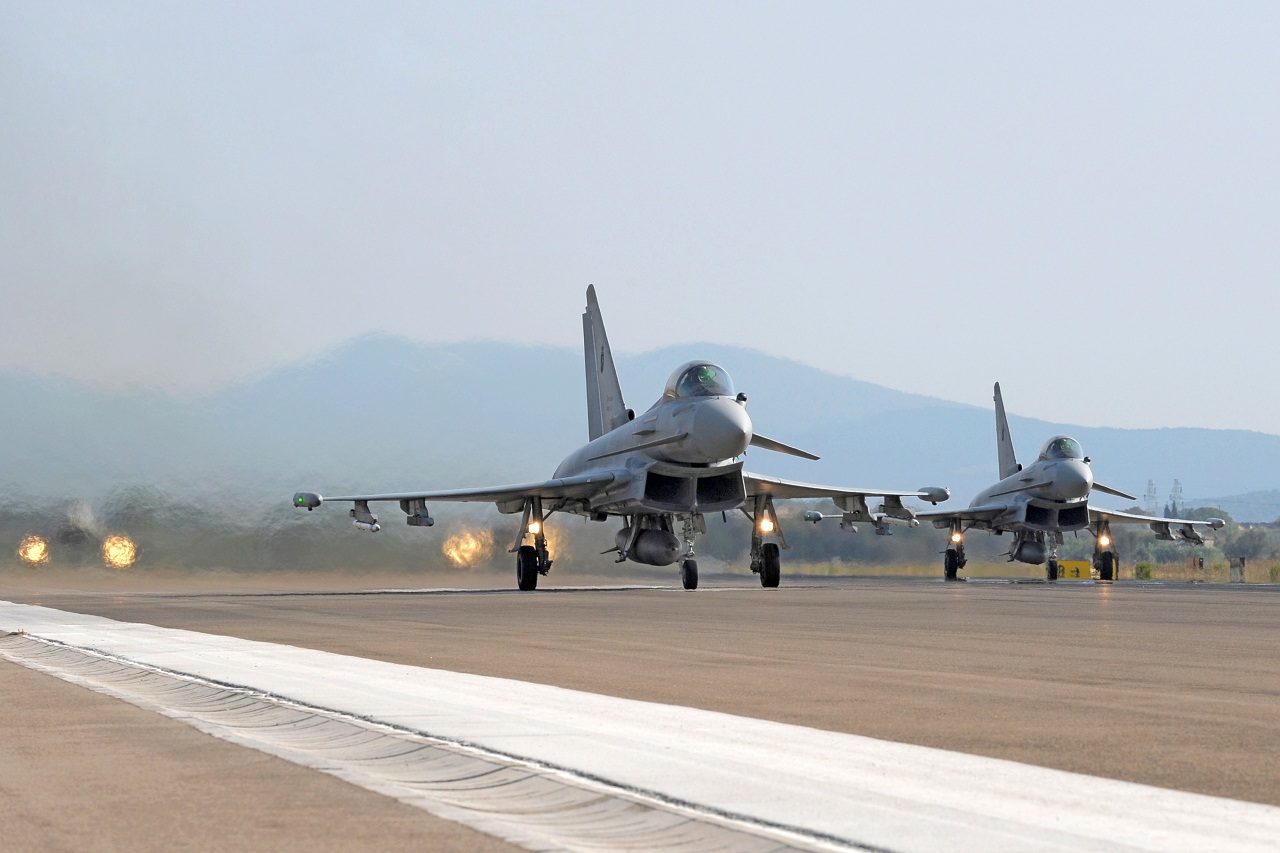
Wingspan: 14,74 m – length: 15,96 m – height: 5,28 m – maximum take-off weight: 23,500 kg – propulsion system: 2 Eurojet EJ200 turbofans producing 60kN dry thrust and 90kN with afterburner – maximum speed: 2,495 km/h – maximum range: 2,900 km – crew: 1/2 pilots – armament: 1 Mauser 27mm calibre cannon, up to 6,500 kg of external loads (including AIM-9L Sidewinder, AIM-120 AMRAAM, Iris-T, Meteor missiles, GBU guided bombs, additional fuel tanks, and laser targeting pods).
Technical specifications:
Length: 48.51 m – Wingspan: 47.57 m – Height: 15.85 m – Propulsion system: 2 General Electric CF6-80C2 turbofan engines with 237.37 kN of thrust each – maximum take-off weight: 180,000 kg – maximum fuel capacity: 70 tons – range: 12,195 km – operational radius: 11,500 km – maximum speed: 900 km/h – crew: 2 pilots, 2 specialists – passengers: up to 192.
Technical specifications:
Wingspan: 28.5 m – length: 29.4 m – height: 7.9 m – maximum take-off weight: 41,300 kg – maximum speed: 941 km/h – propulsion system: 2 Rolls-Royce BR710C4-11 turbofan engines, each with 68.44 kN thrust – range: 12,500 km – crew: 2 pilots plus additional system operators – payload: 2,800 kg.
Technical specifications:
Wingspan: 40.42 m – length: 29.18/34.37* m – height: 11.84/11.81* m – maximum take-off weight: 79,380 kg – propulsion system: four Rolls-Royce AE2100D3 turboprop engines delivering 4700 shaft horsepower each – maximum speed: 645km/h – range: 5,250 km – crew: 2 pilots, 1 loadmaster – payload: 76 paratroopers or 92 soldiers (J-30: 112-118). *C-130J-30
Technical specifications:
Wingspan: 29.70 m – length: 22.70 m – height: 9.70 m – maximum take-off weight: 31,800 kg –maximum speed: 590 km/h – range: 5,950 km – crew: 2 pilots, 1 loadmaster – payload capacity: 11,500 kg or 40 paratroopers – propulsion system: 2 Rolls-Royce AE 2100D2 engines delivering 4700 shaft horsepower each.
Technical specifications:
Wingspan min./max: 8,60/13,91 m – length: 16,70 m – height: 5,95 m – maximum take-off weight: 28.000 kg – propulsion system: two Turbo Union RB.199 Mk.103 turbofan engines with 71.2 kN thrust each with afterburner – maximum speed: 1,480 km/h – range: 3,800 km (for transfer) – crew: 1 pilot, 1 navigator – armament: 2 27mm calibre guns (AIM-9L Sidewinder air-to-air missiles, AGM-88 HARM; Storm Shadow cruise missiles; GBU-series guided bombs; reconnaissance and target designation pods, auxiliary tanks).
L’Aeronautica Militare utilizza, dal 2017, l’assetto SPYDR, versione del King Air 350 ER equipaggiata per esigenze di raccolta informazioni della Difesa.
Lo SPYDR è un aereo di nuova generazione dedicato a operazioni di SIGINT/COMINT (Signal/Communication Intelligence) e ISR (Intelligence, Surveillance, Reconnaissance) ed è in forza al 14º Stormo di Pratica di Mare.
Opera con Flying Crew dell’Aeronautica e Mission Crew in forza sia allo Stato Maggiore della Difesa che all’Aeronautica stessa.

Lunghezza 14,22 m – Altezza 4,37 m –Superficie alare 28,80 mq – Apertura alare 17,65 m – Peso a vuoto 4289 Kg – Peso max 7484 kg – Velocità max. 561 Km/h – Autonomia oltre 7 ore – Tangenza 10.668 m
Technical specifications:
Wingspan: 27,05 m – length: 27,16 m – height: 7,65 m – maximum take-off weight: 23,000 kg – maximum speed: 480 km/h – propulsion System: two Pratt & Whitney Canada PW127M turboprop engines with 2,500 shaft horsepower each – range: 3,240 km – crew: 2 pilots, 5 operators.

Mission