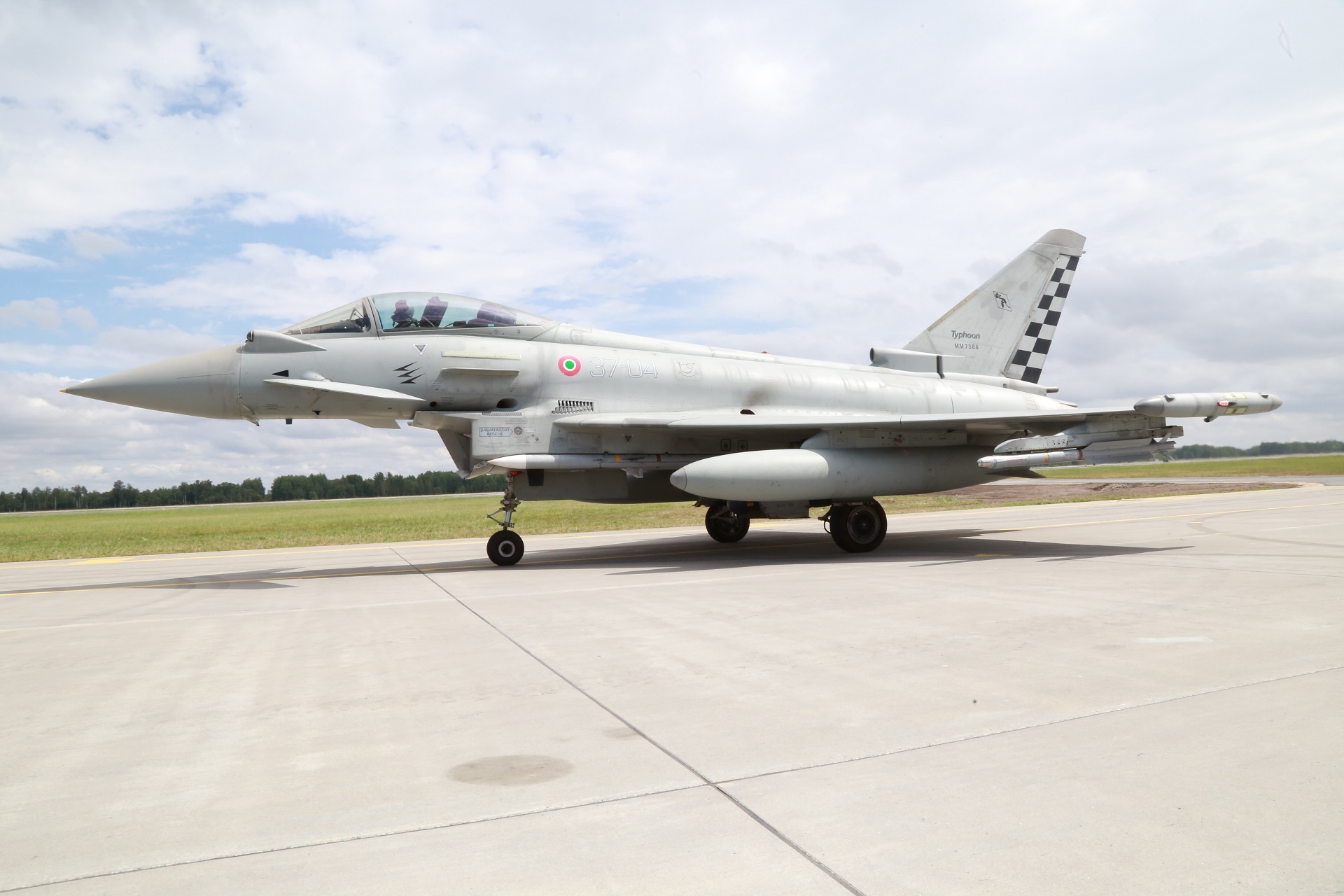
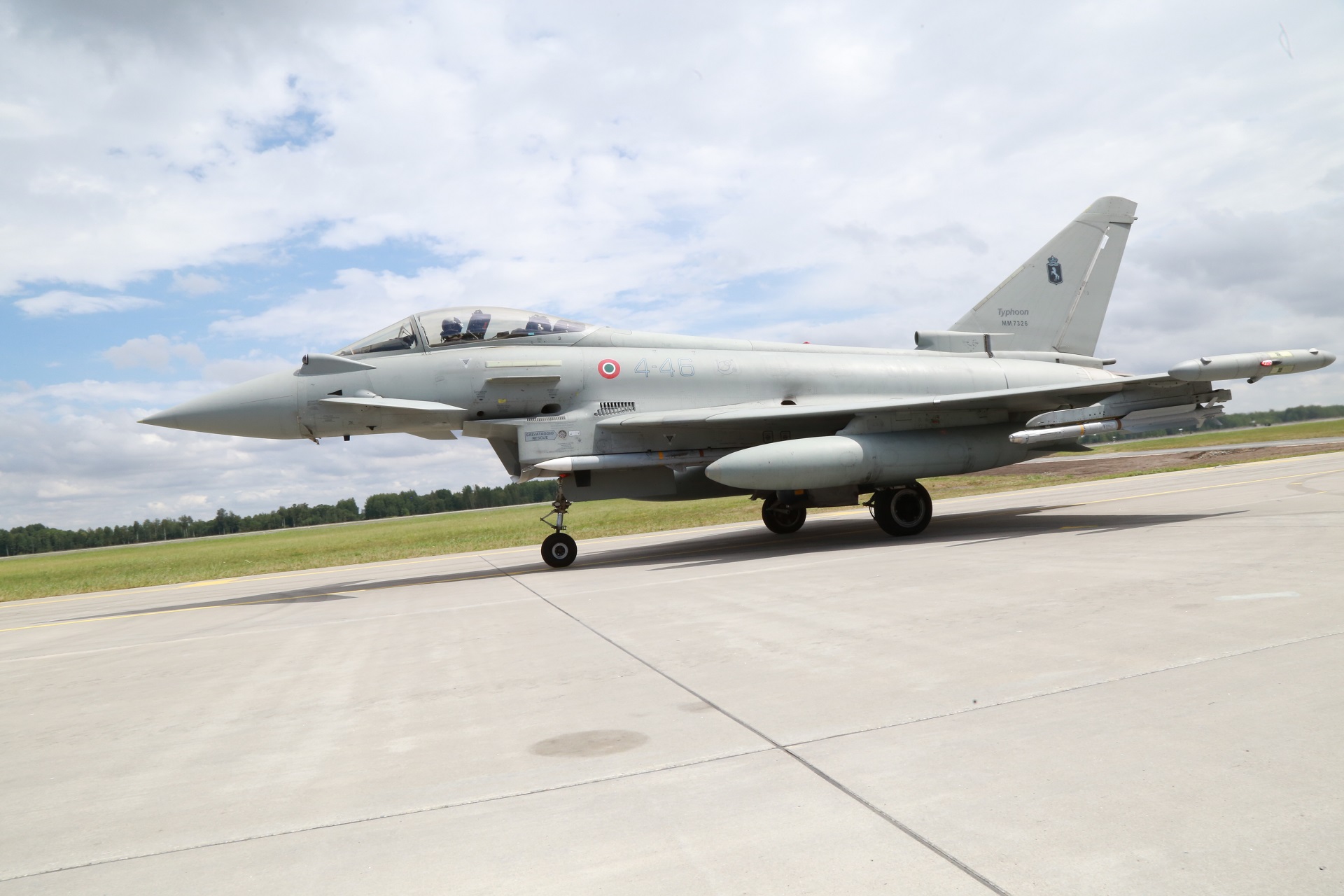
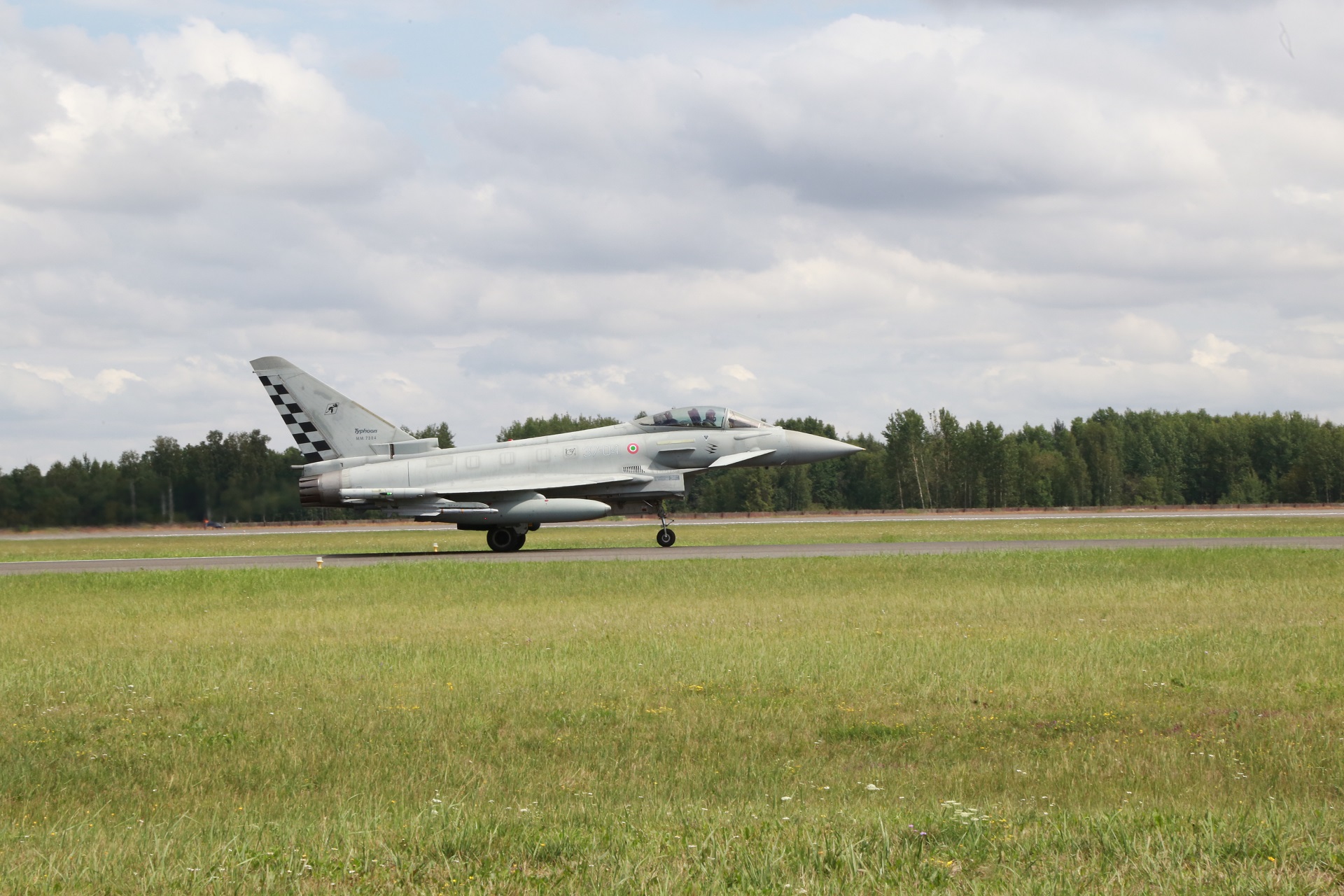
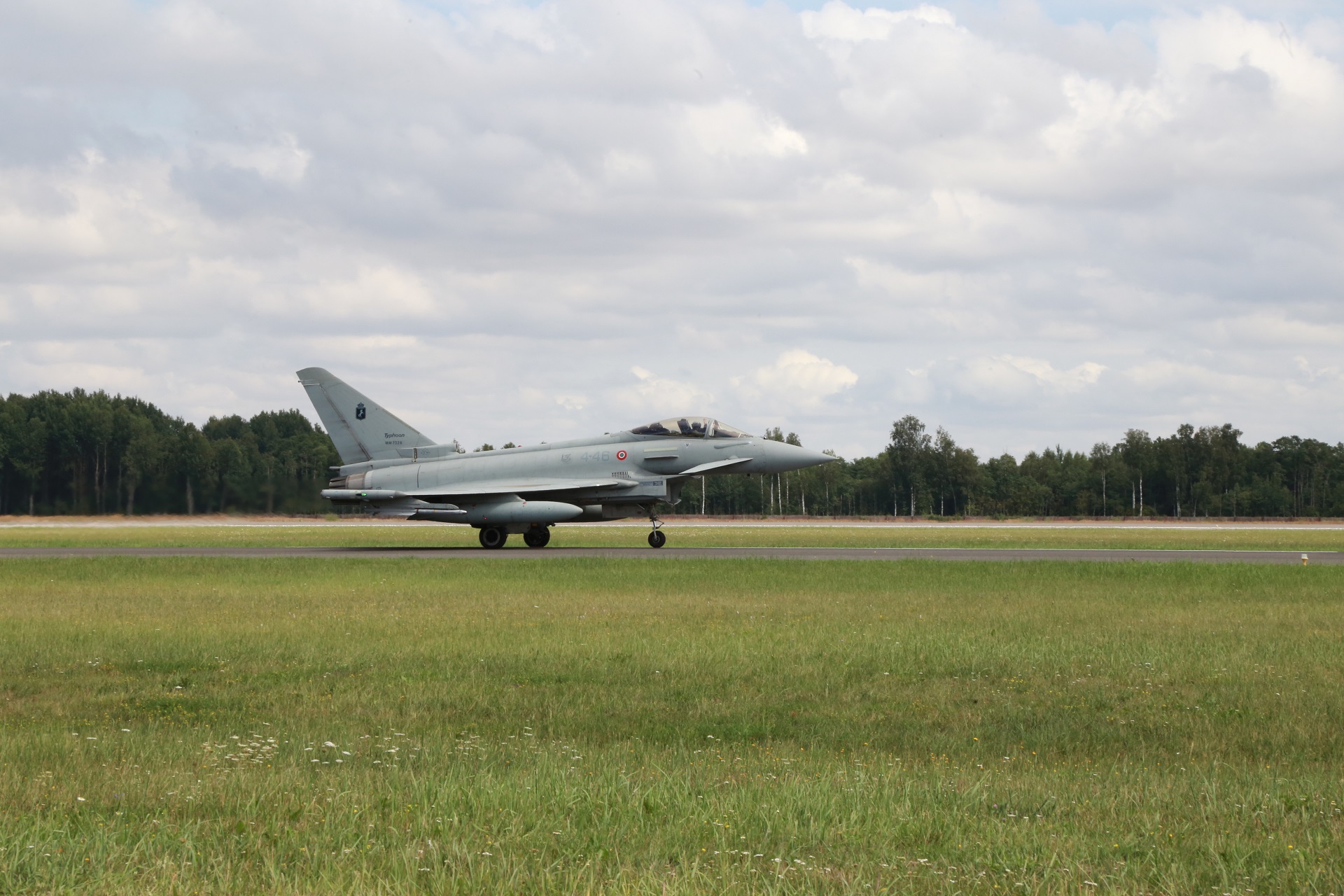
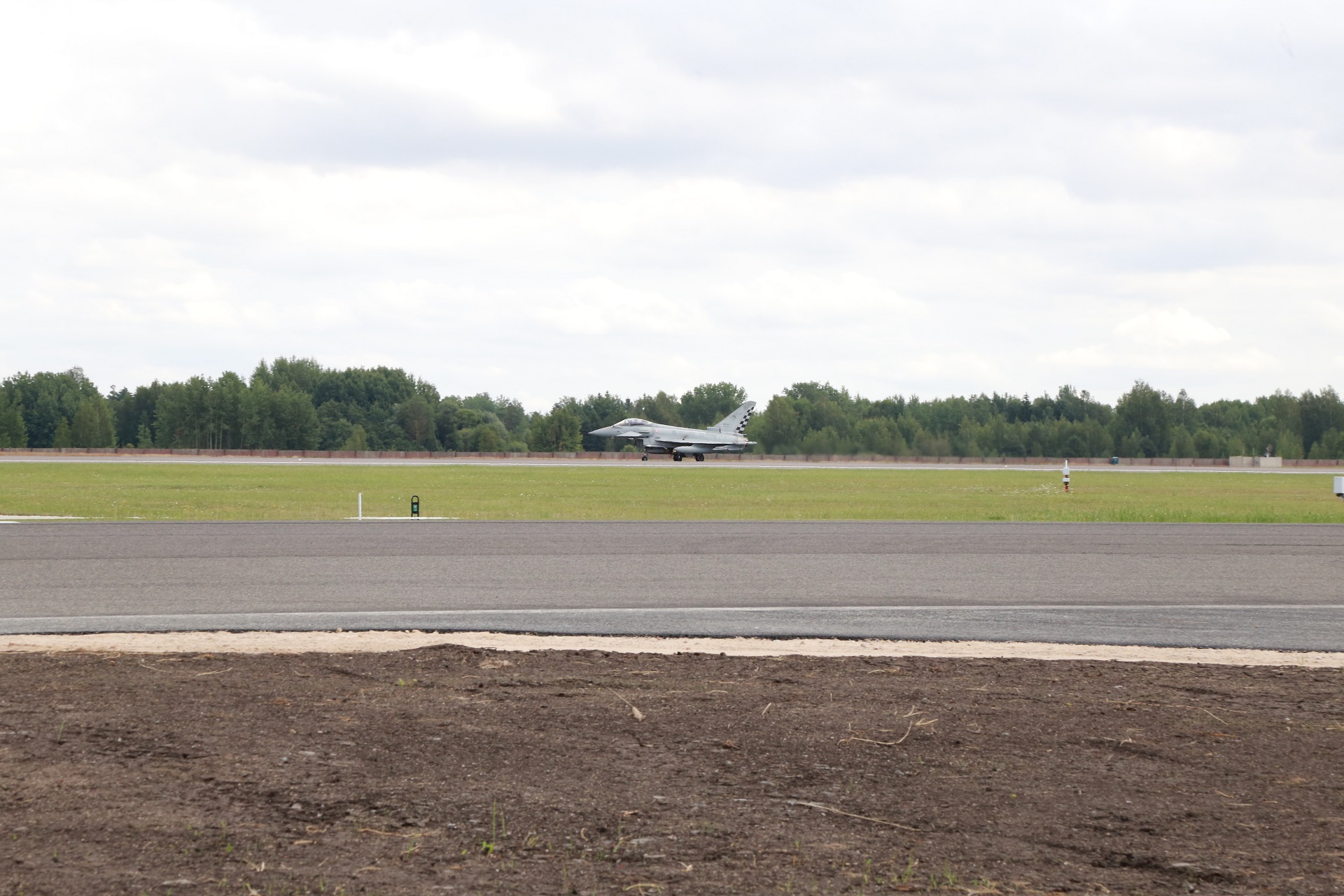
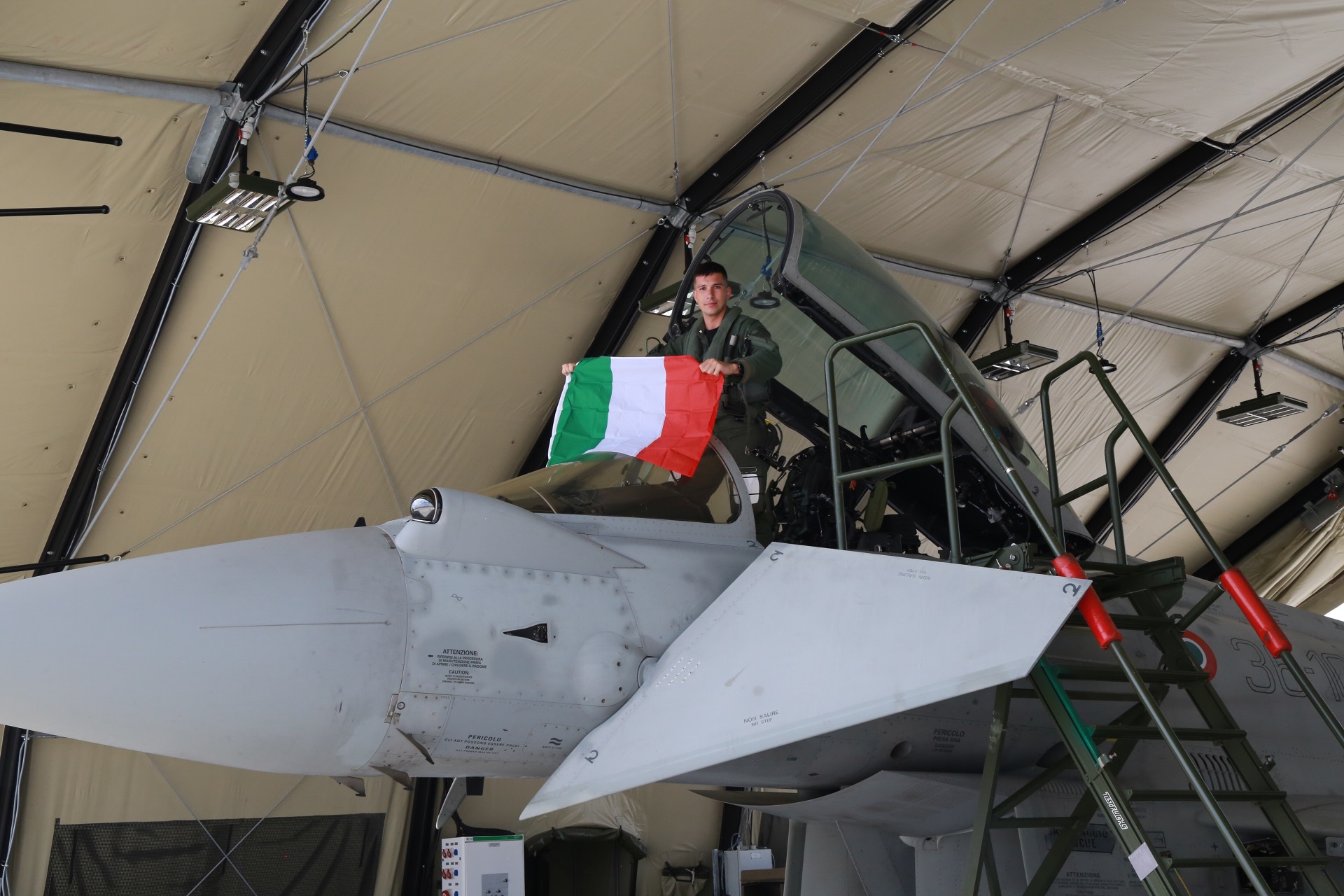
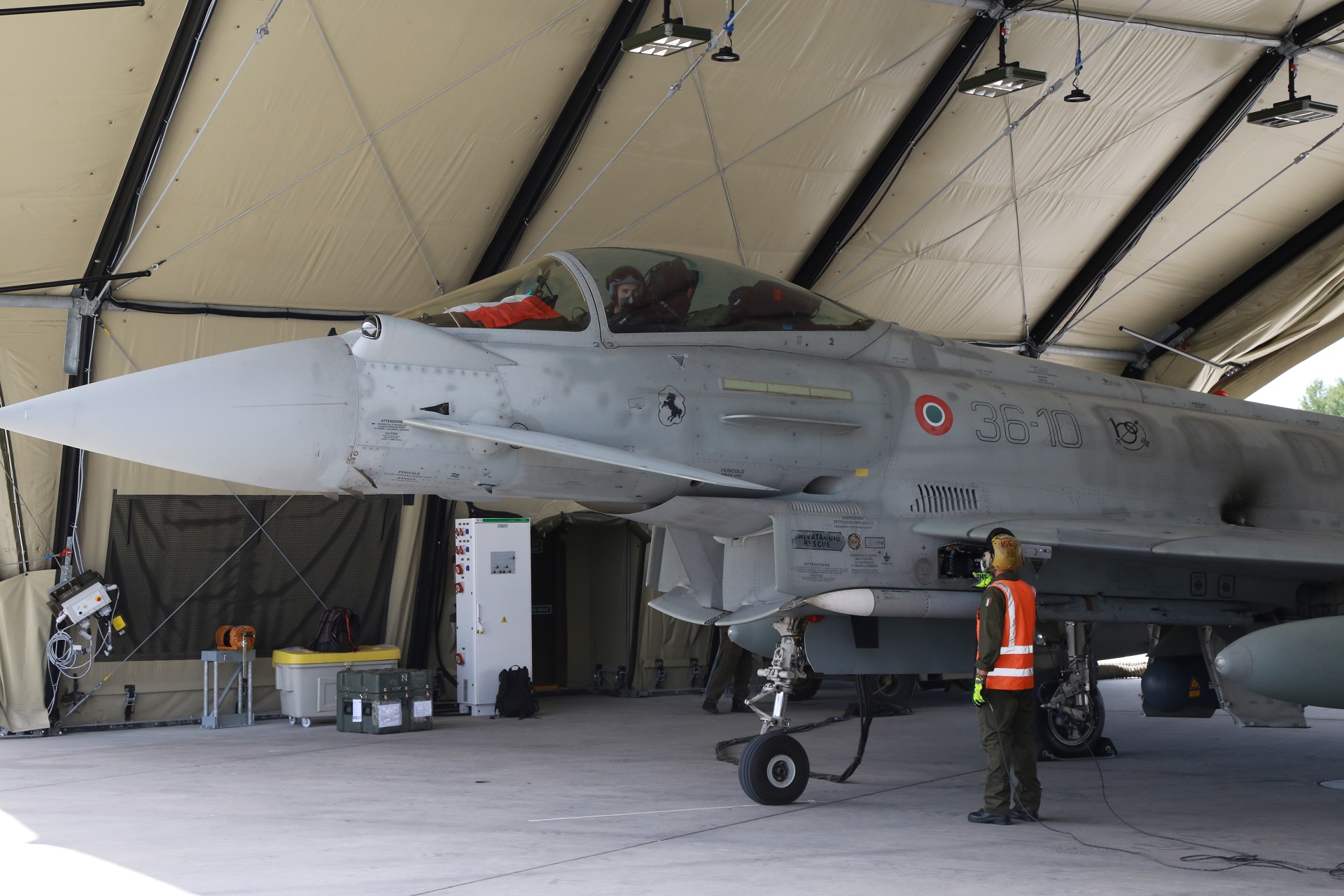
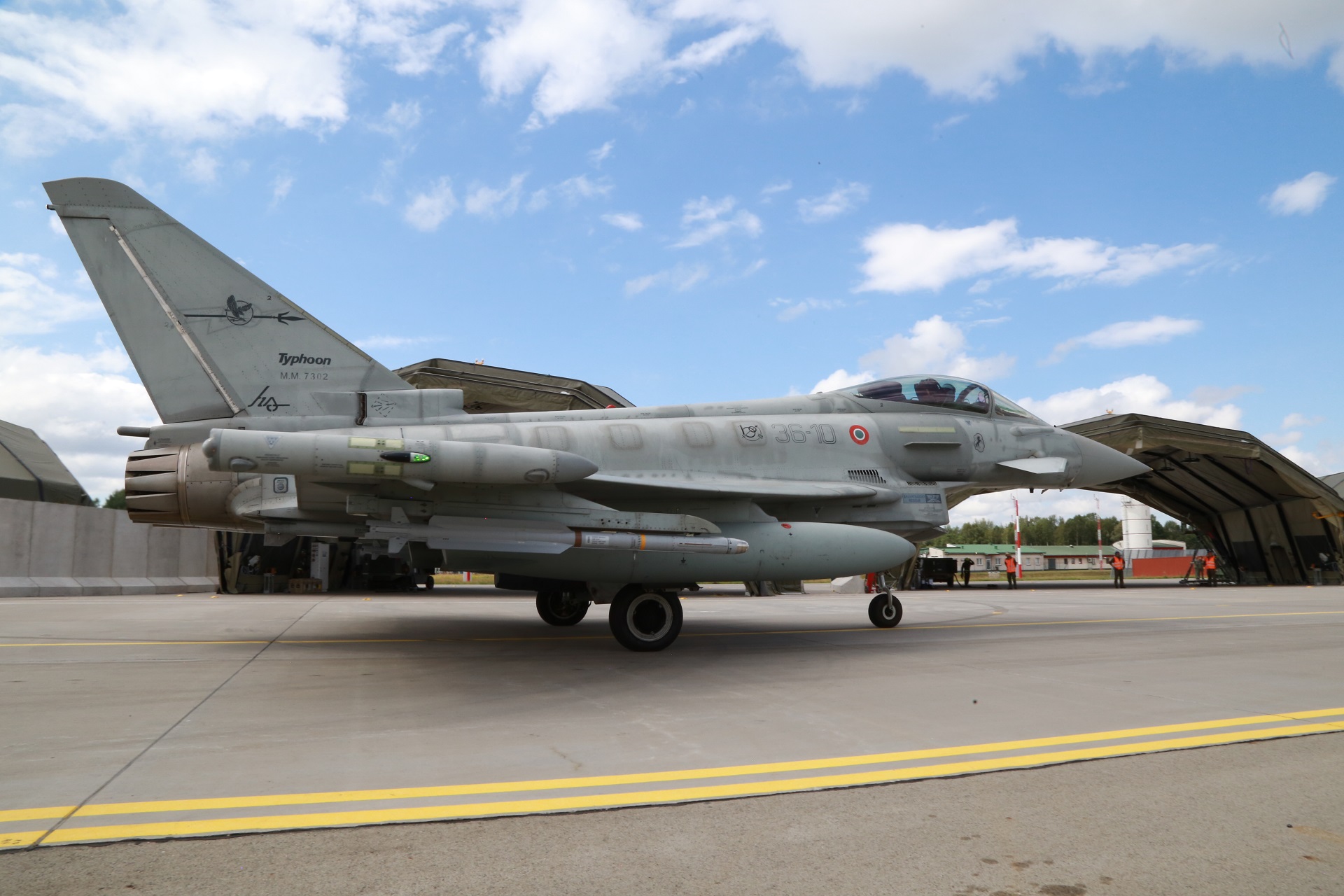
Four Eurofighter Typhoon aircraft deployed for the Baltic mission have landed at Šiauliai base.
In recent days, the Italian contingent assigned to the mission Baltic Air Policing at the Siauliai Air Base in Lithuania, it has completed its deployment to the Area of Operations. The NATO mission, within the broader context of the NATO Air Shielding, aims to contribute to ensuring the integrity of allied airspace against any potential aerial threat, strengthening the defence and deterrence posture of NATO in close coordination with the chain of command and in synergy with other allies engaged on the eastern flank of the borders.
In the early afternoon, the assets tasked with carrying out the mission landed; these are aircraft Eurofighter Typhoon and staff from 36th Air Wing of Gioia del Colle, 37th Wing of Trapani, 4th Wing, Grosseto e 51st Stormo of Istrana; the flocks of’Italian Air Force Italians employed in our nation's Air Defence.
Italy will take over from its Spanish and Portuguese allies, who currently hold the mission, starting on 1 August 2024 and will maintain leadership for eight months before handing over to other allied nations.
During the day, the Commander of the Task Force Air, Col. Michele Nasto, in welcoming them, presented the mission patches to all personnel from numerous Air Force entities, emphasizing that: “This patch represents the aeronautical traditions and the identity of this contingent; under this emblem we will live the values of our nation, of which we are proud representatives, and we will operate to achieve the mission assigned to us.”.
Baltic Air Policing is a NATO mission in effect since April 2004; to date, 17 Allies have participated in safeguarding the airspace of the Baltic Republics: Estonia, Latvia, and Lithuania. Baltic Air Policing It is a mission with the aim of demonstrating the collective determination of the Allies to maintain a defensive, solid and compact posture, to deter potential threats to the security of the area of competence.