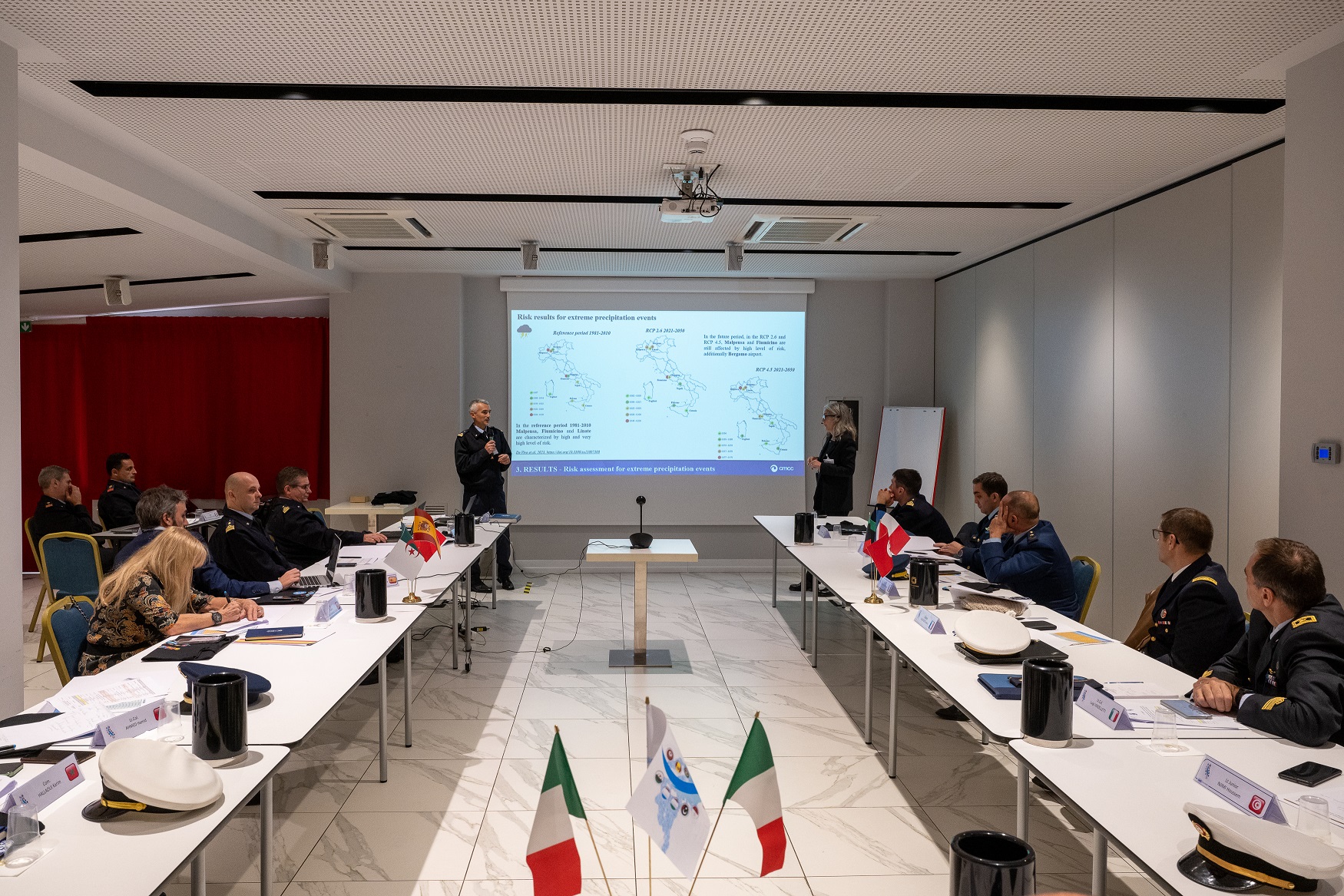
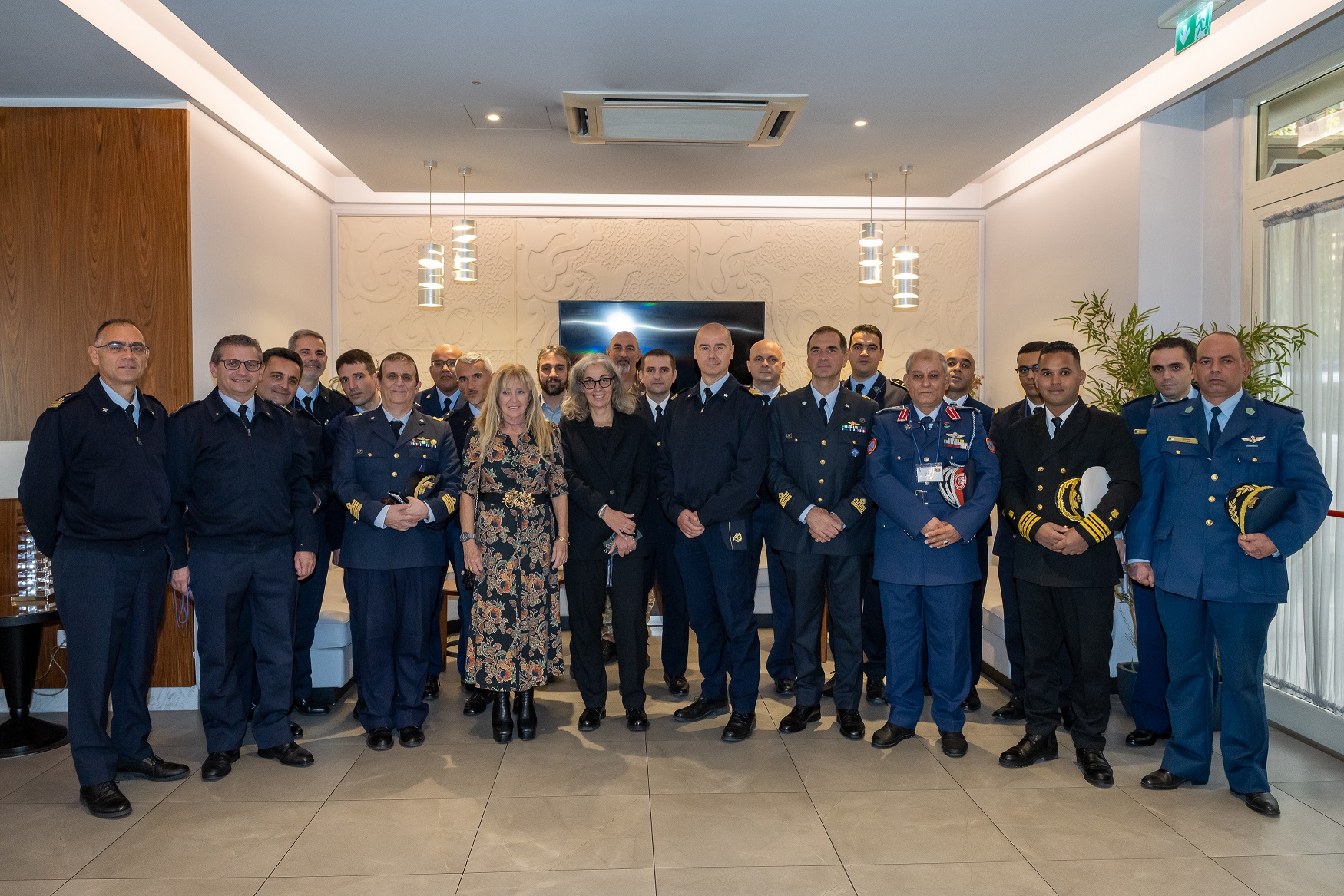
The National Centre for Aerospace Meteorology and Climatology organised a workshop to discuss meteorology in support of naval-aviation operations in the Mediterranean basin
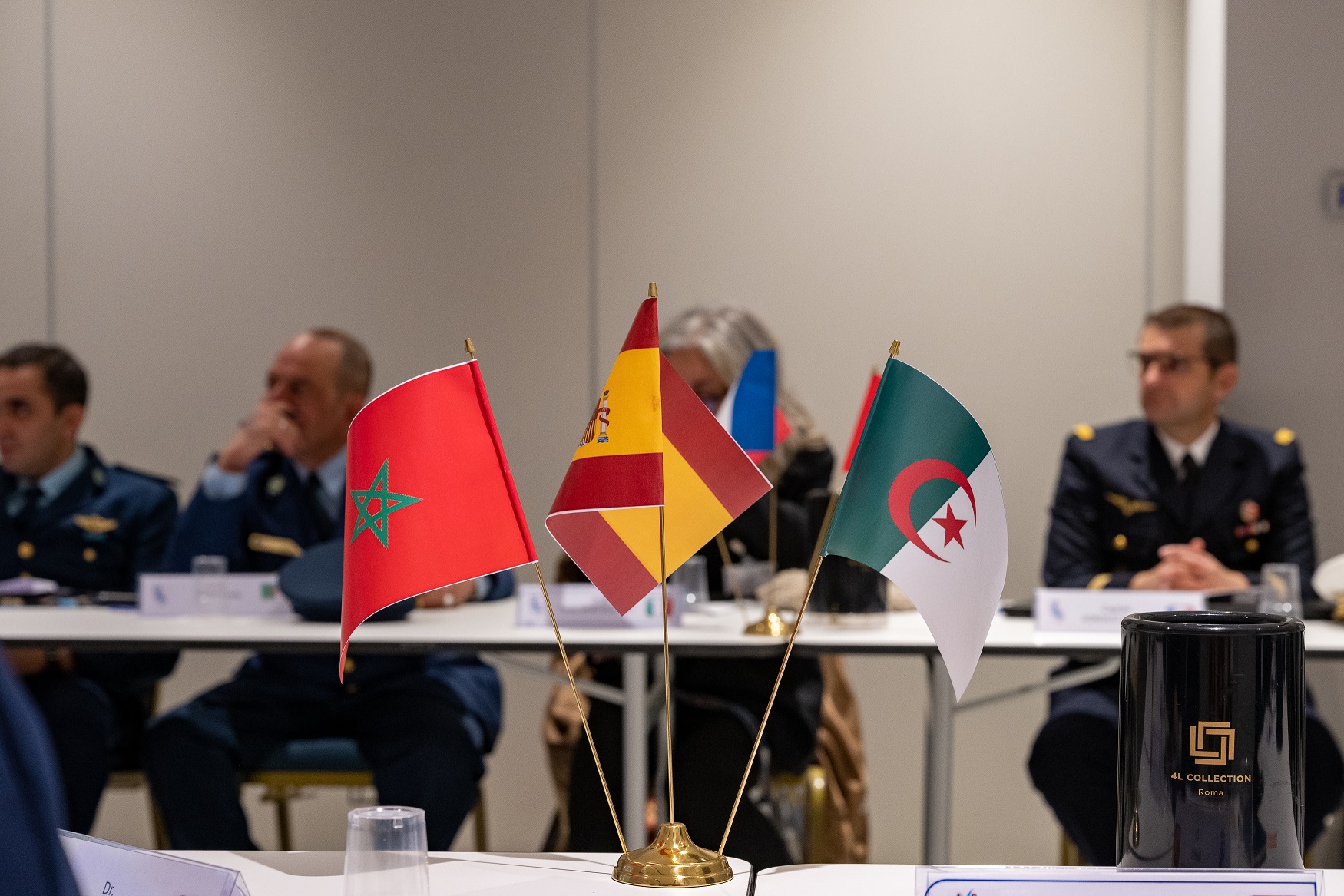
In recent weeks, the workshop entitled “The Mediterranean region as a climate change hotspot: studying, monitoring and predicting extreme weather events in order to conduct safer and less polluting defence air and naval operations”organised by National Centre for Aerospace Meteorology and Climatology (CNMCA) on the instructions of Air Staff, which was attended by delegations from Tunisia, Algeria, Libya and Morocco for the southern shore of the Mediterranean basin, and Italy, France and Spain for the northern shore.
The workshop is part of the activities of’5+5 Defence Initiative, a cooperation agreement established in 1990 and consolidated in 2004 between the countries bordering the Western Mediterranean.
This agreement has defined forms of collaboration in various sectors, including defence and the environment. This year's workshop was dedicated to the themes of climate and meteorology, the dynamics of which are closely correlated with security and prevention.
The main themes of the workshop were ongoing climate change on our planet and extreme weather events. In particular, an analysis was carried out on how the effects of global warming are altering the Mediterranean climate, which is increasingly losing its mid-latitude temperate climate characteristics and taking on unusual features, with an alternation of long periods of settled, dry weather – often drought-like – and periods of intense bad weather with extreme atmospheric phenomena. Discussions therefore focused on how these changes are impacting naval-aviation operations taking place in the Mediterranean, seeking to understand how to adapt operations to this evolution of the climate.
The studies illustrated have focused in particular on the trends of the main atmospheric parameters for weather-marine conditions, air temperature, precipitation and sea state, highlighting their connection with ongoing climate change in the Mediterranean, the impact within the geopolitical context of the area and the possible repercussions for the military and civil world. In particular, it has been shown that the positive trend in air temperature over recent decades is substantially homogeneous across the entire basin, as is the increase in sea surface temperature, both factors that play an important role in the development of storm systems and, consequently, also of intense atmospheric events at sea and in coastal areas.
Ample space has been dedicated to products supporting aero-naval operations in the Mediterranean, as well as to rainfall weather events and the use of satellite platforms for observing and identifying different types of atmospheric disturbances affecting the Mediterranean area.
In conclusion, the Workshop represented a forum for dialogue of high technical and scientific value in which specific knowledge on climate change and extreme events was shared to strengthen and foster collaboration among the countries of the Western Mediterranean.