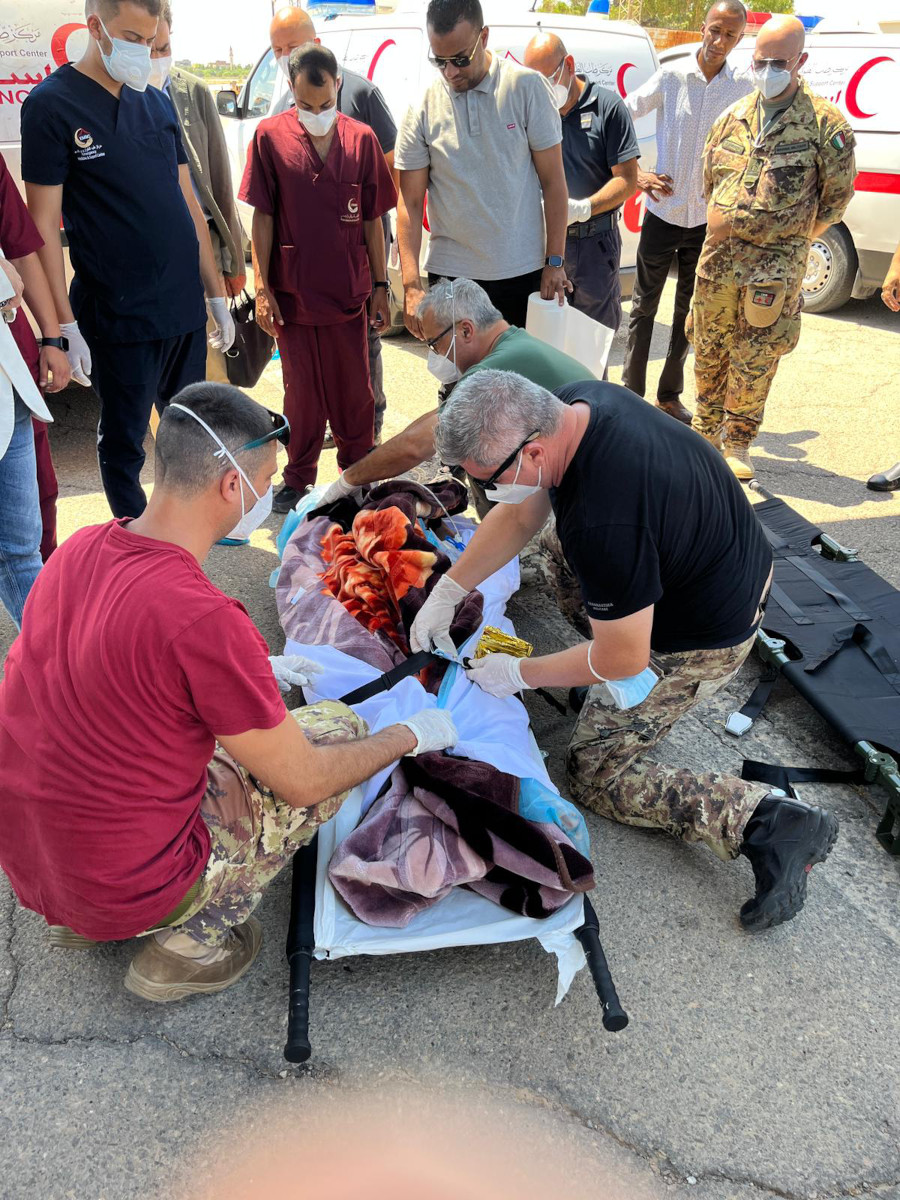
The Defence has provided logistical and medical support to the MAECI and Civil Protection for the transport of Libyan personnel injured in the August 1st explosion.
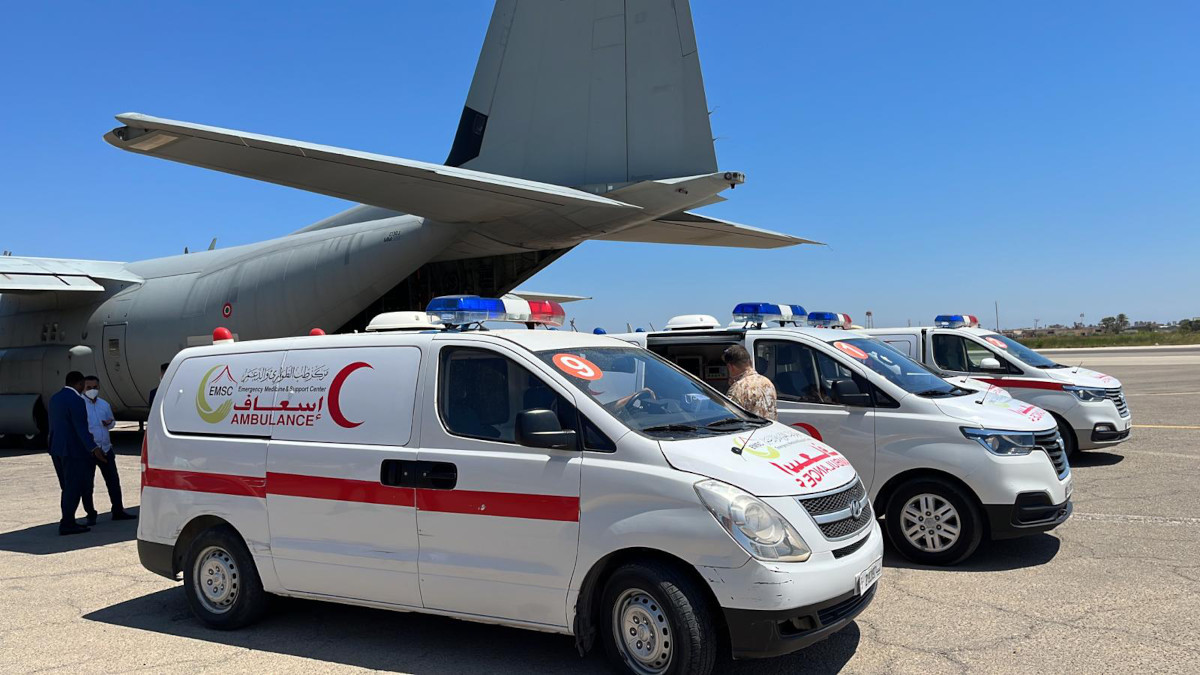
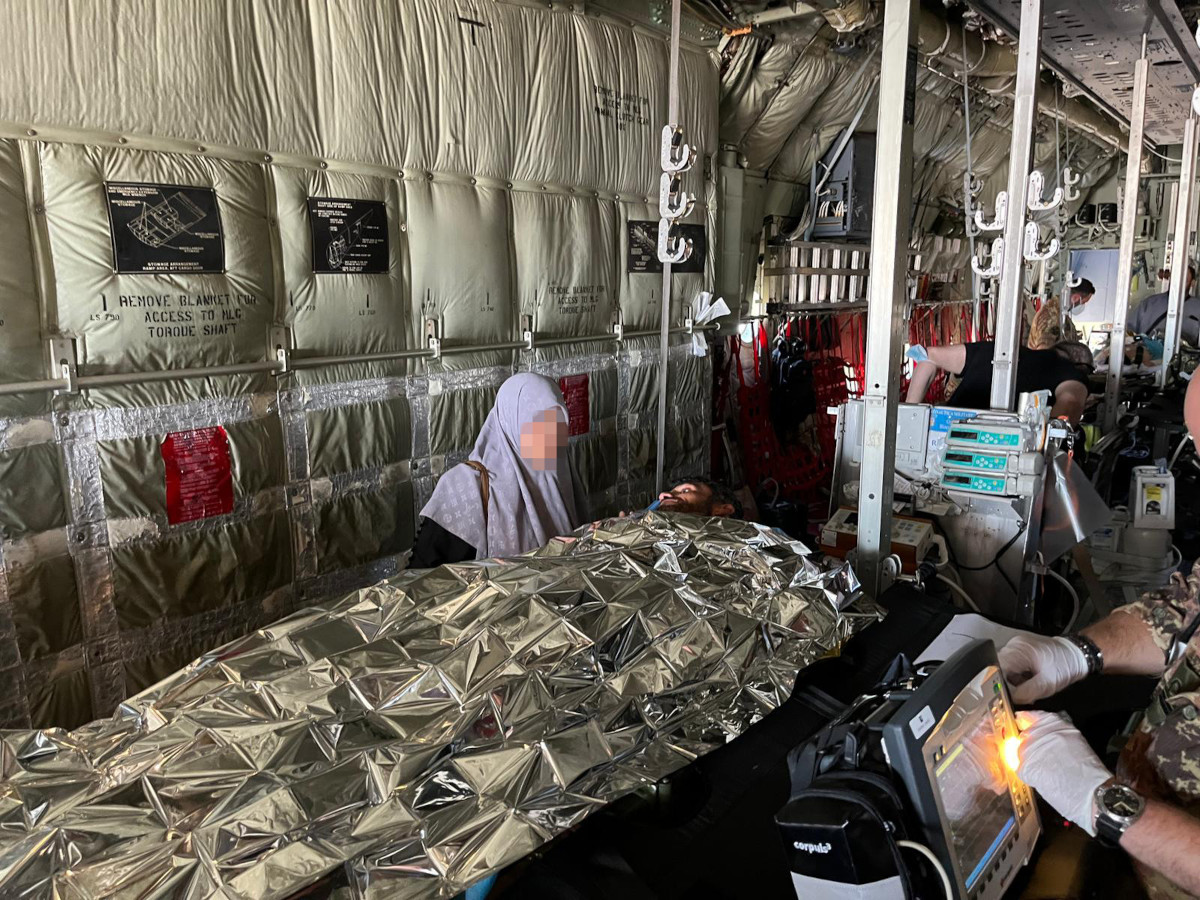
Following the request submitted by the Libyan authorities to the Italian Embassy in Tripoli, a plane C-130J from the 46^ Air Brigade in the afternoon from Mitiga Airport with on board four serious burn victims.
This afternoon, Libyan citizens arrived at Pratica di Mare to be subsequently transferred to hospital facilities in various Italian regions (Lazio, Campania and Puglia) where they will receive medical care and assistance. These are some of the most serious patients that the On August 1st, they were hit by the explosion of a fuel tanker. which caused around 20 deaths and over a hundred injuries.
The accident occurred following the overturning of the vehicle near the town of Ubari, in the Fezzan region. In the hours and days following the explosion, the Defence, via the Interforce Summit Operational Command (COVI), the Department of Civil Protection and the Ministry of Foreign Affairs and International Cooperation, they have started a technical working group to organise a mission Medical Evacuation (MEDEVAC) and to allow the safe transfer of patients to Italy for both Libyan personnel and Italian military personnel involved in the operation.
The’Italian Air Force made available A flight crew and an aircraft C-130J of the 46th Air Brigade in Pisa, with military and civilian health personnel on board, including anaesthetists and major burn experts. Also deployed Team of Air Gunners of the 16th Wing with duties of Force protection, and a medical team from the “Celio” Military Polyclinic” and of the’Main Air Force Infirmary at Pratica di Mare.
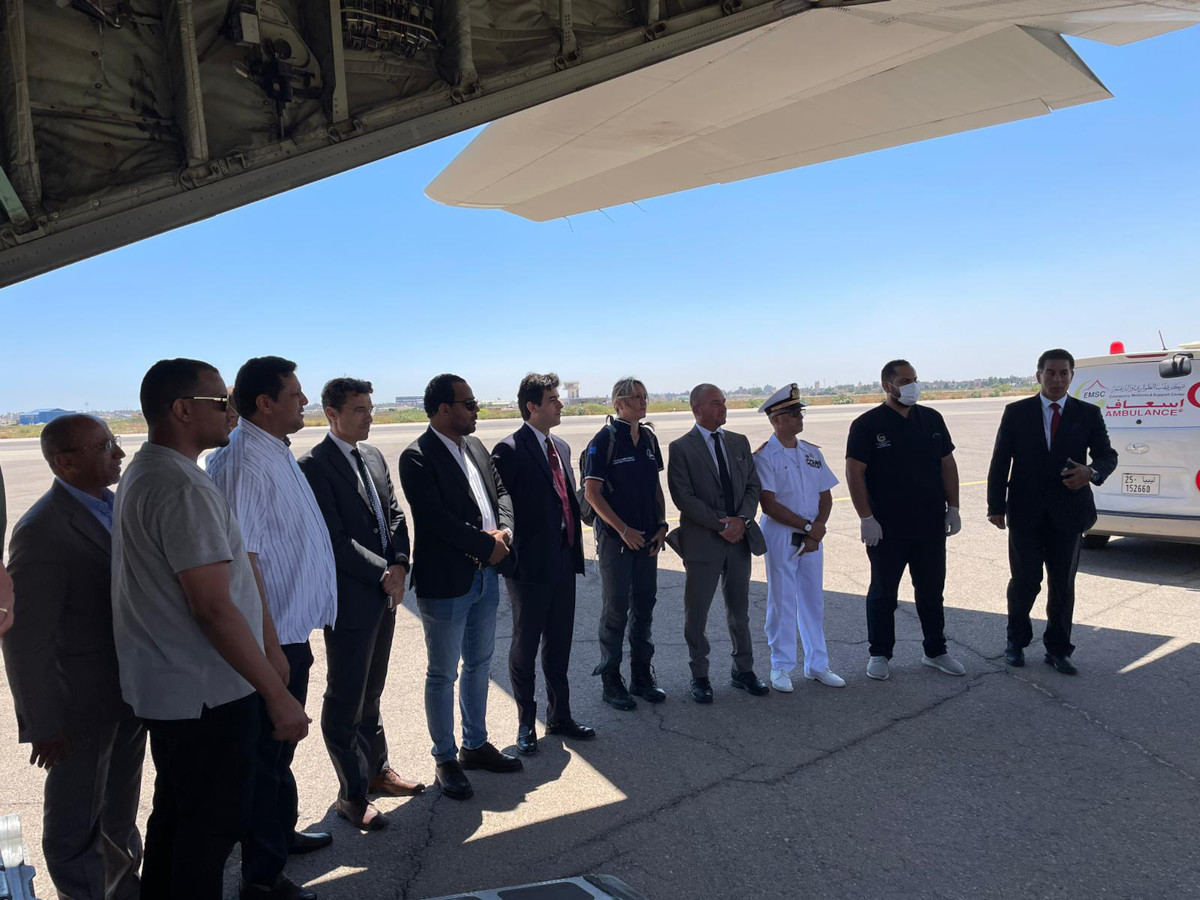
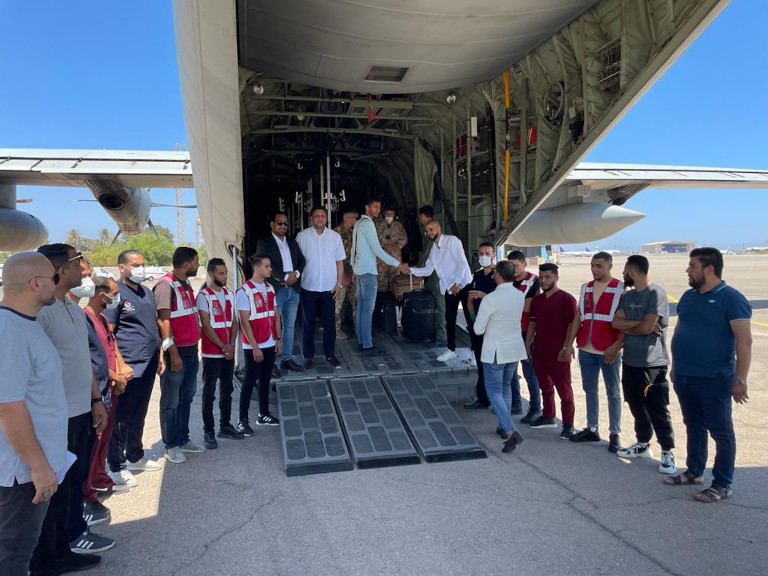
Italian Army and Navy personnel operating in Libya as part of the MIASIT Mission provided support to the Italian Embassy in Tripoli for the management of the arrival and loading of wounded Libyans on board the aircraft. A contingent from the “Tuscania” Parachute Regiment of the Carabinieri, on the other hand, ensured the security perimeter within the airport grounds.
All phases of the operation were monitored by Joint Operations Centre and from Joint Movement Coordination Centre (JMCC) of COVI, in close coordination with the Aerospace Operations Command, with the Remote Operations Centre for Health Rescue Operations (CROSS) of Pistoia, with the Italian and Libyan diplomatic representatives.