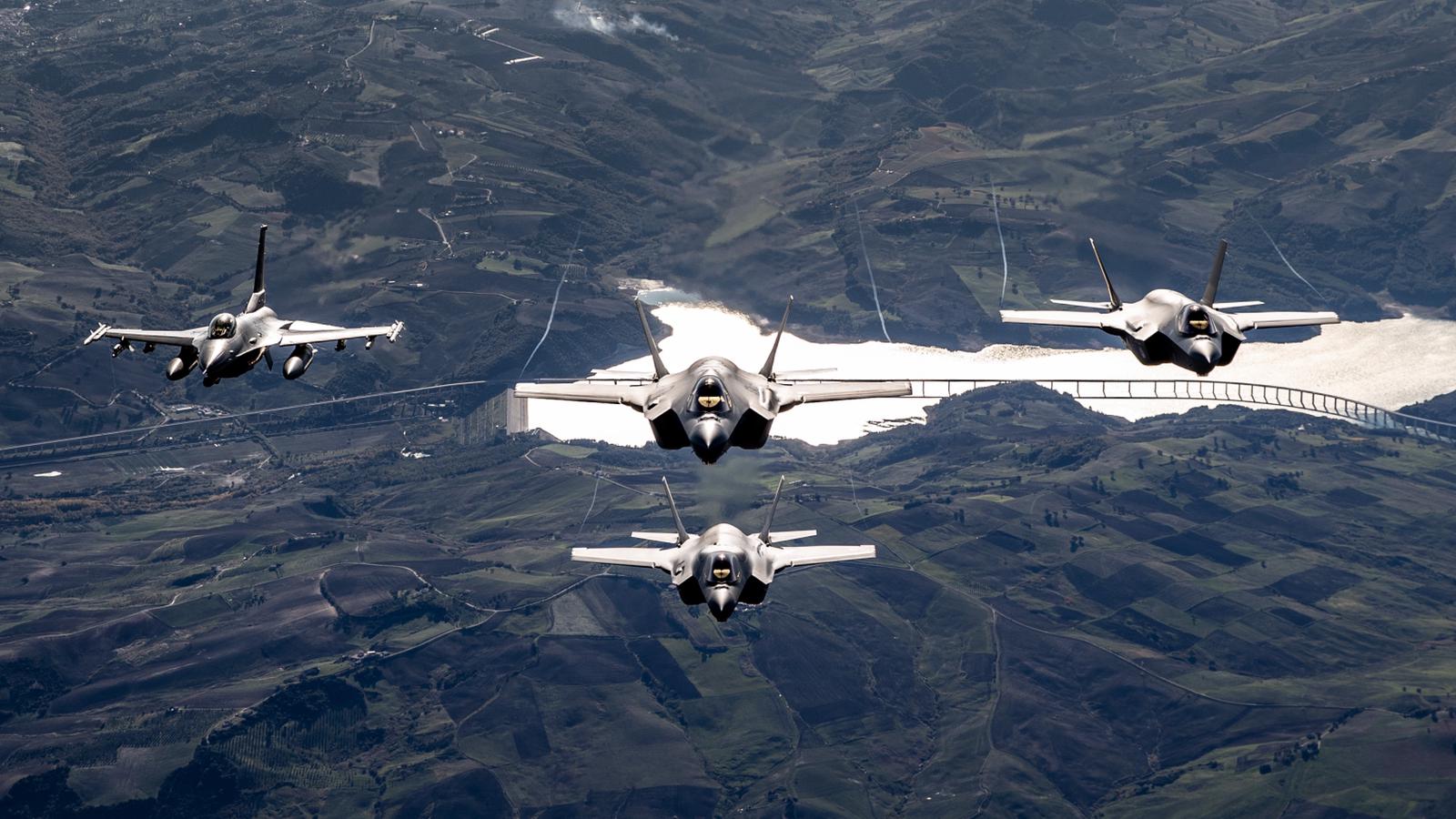
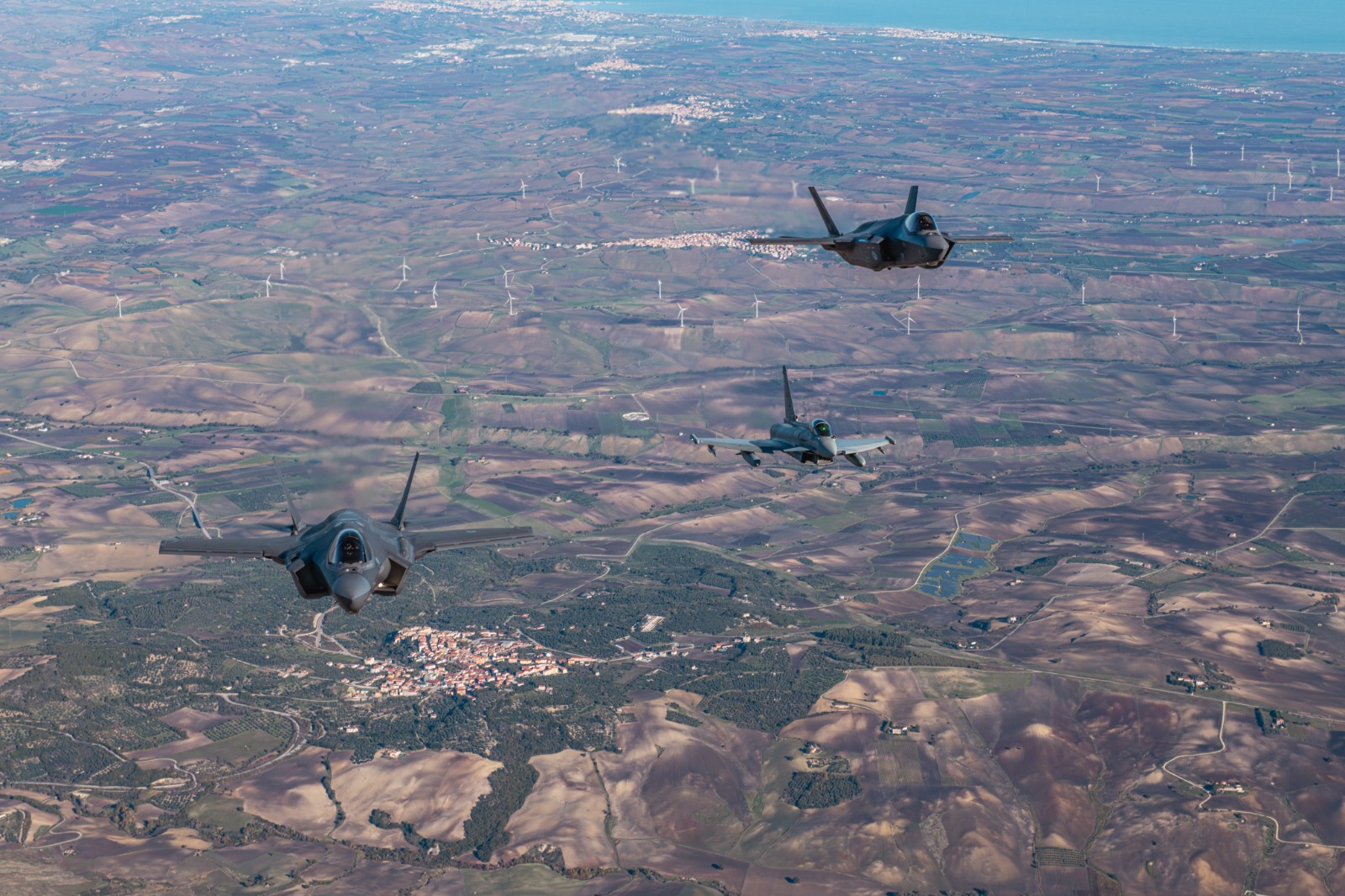
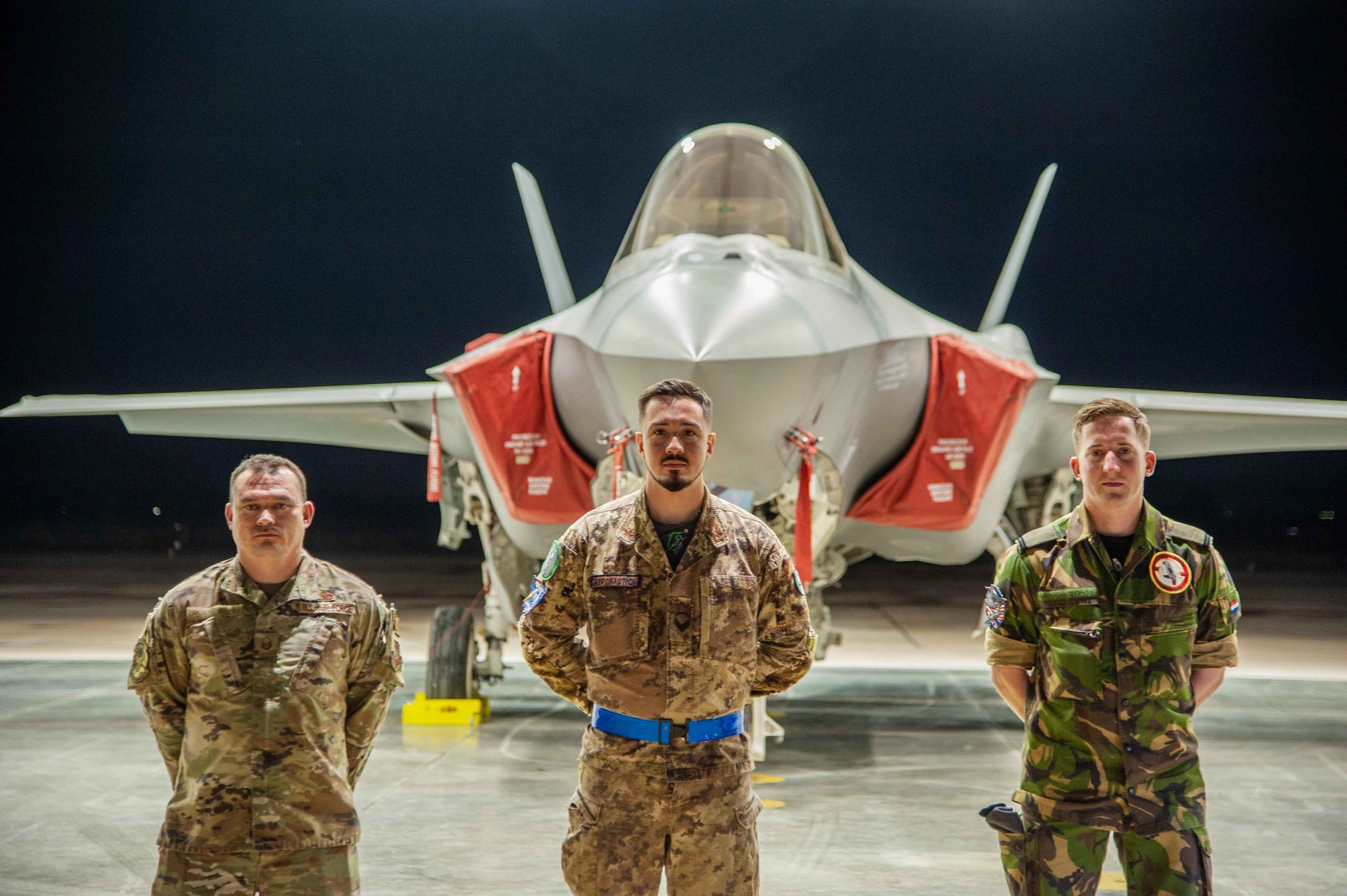
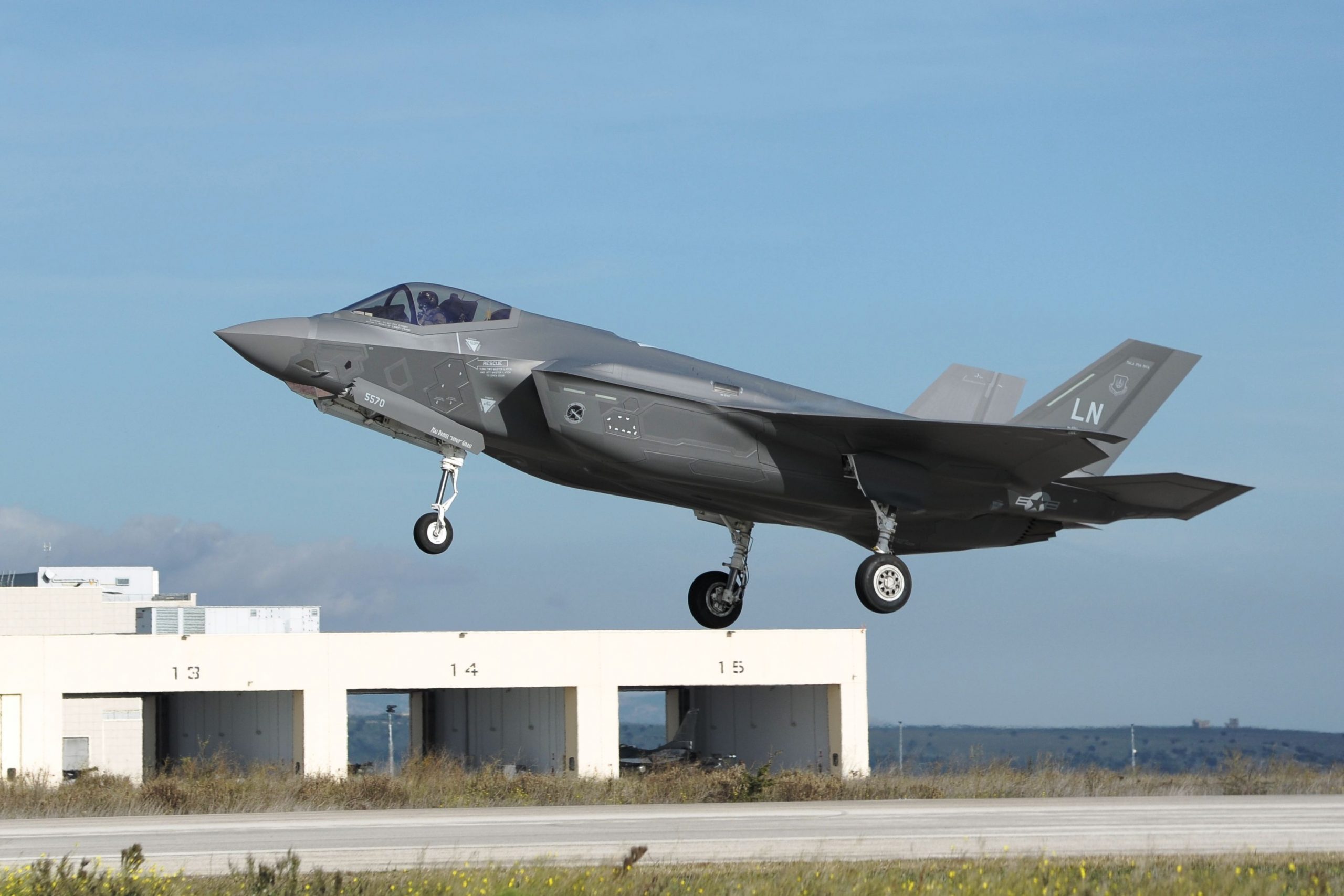
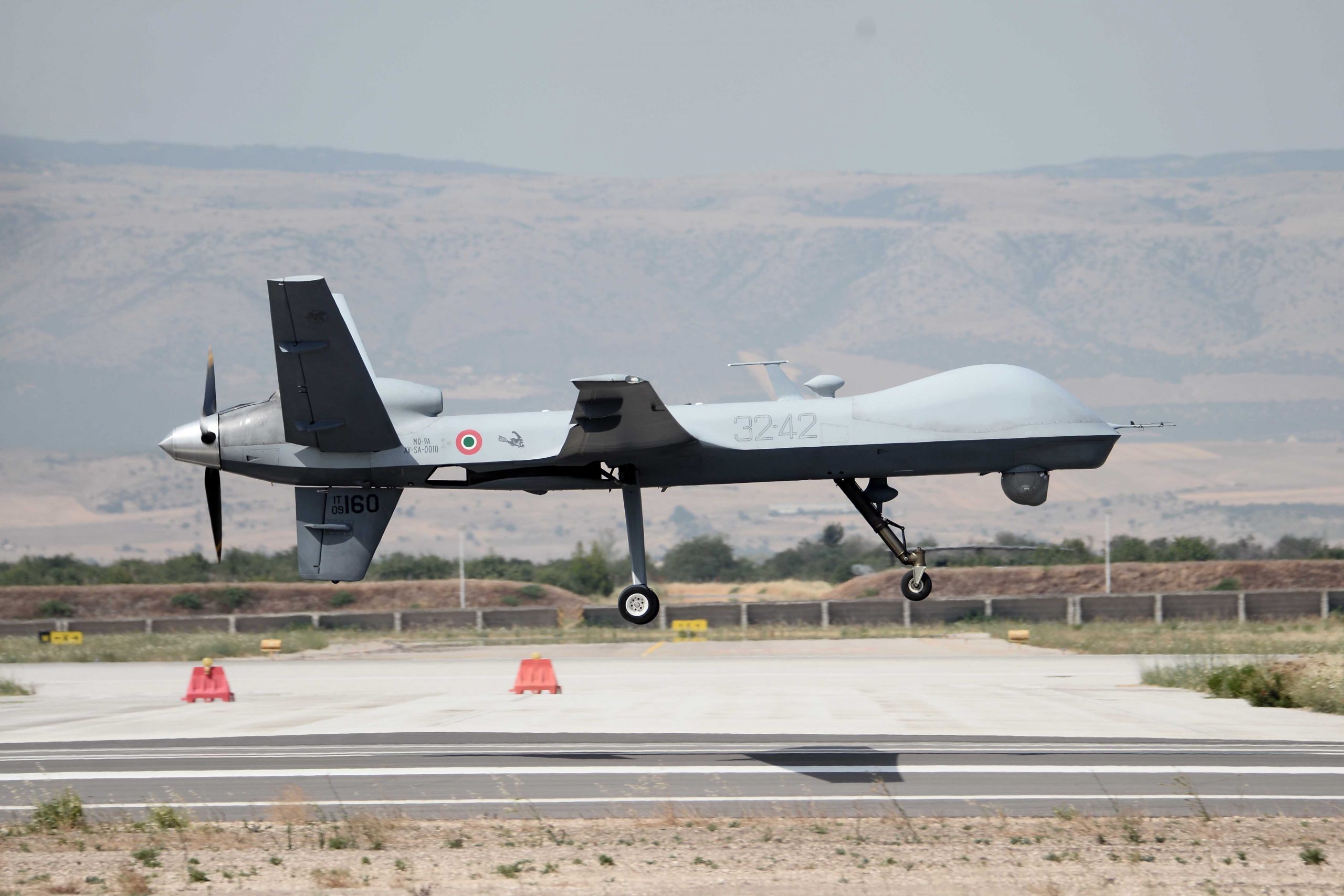
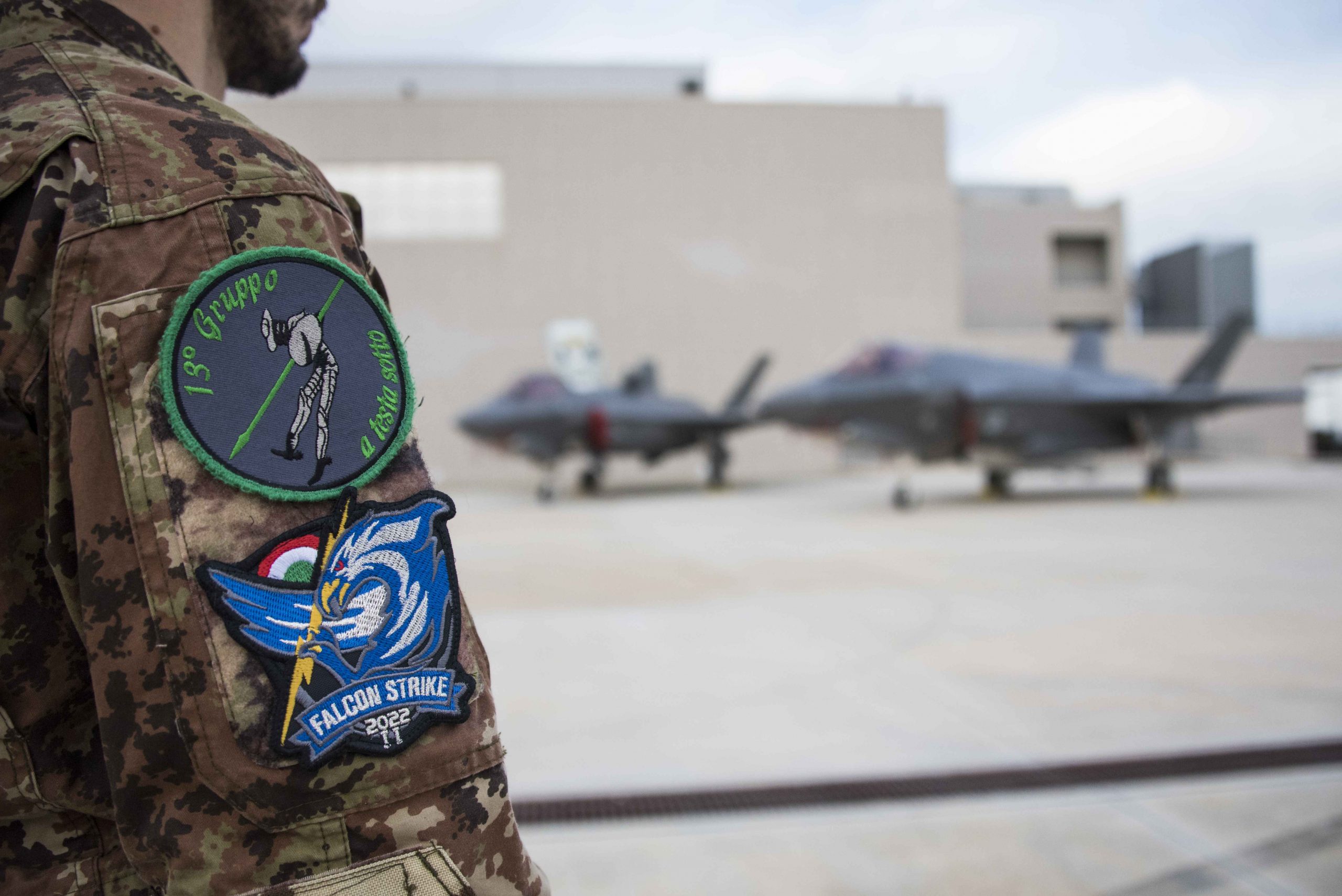
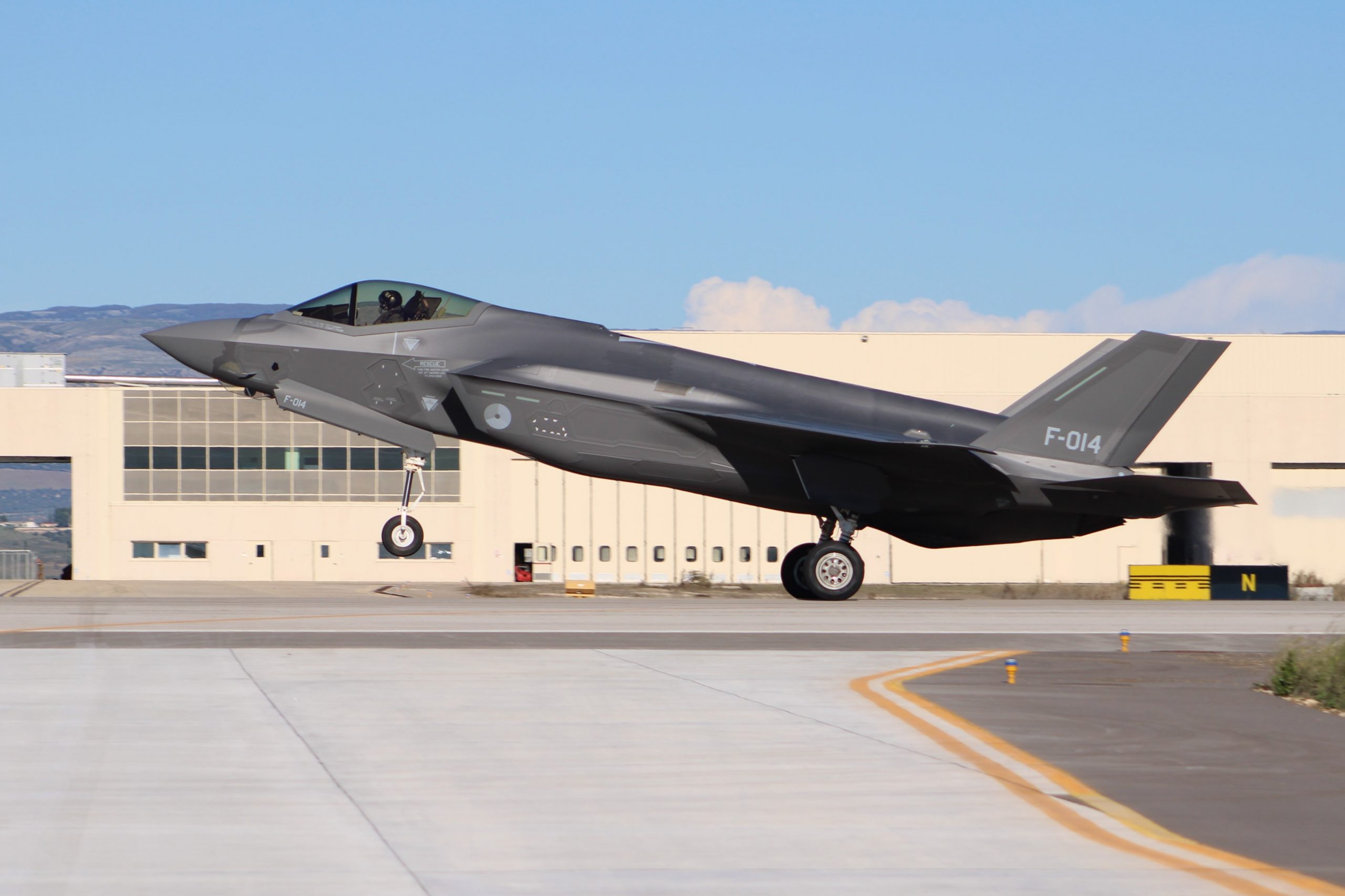
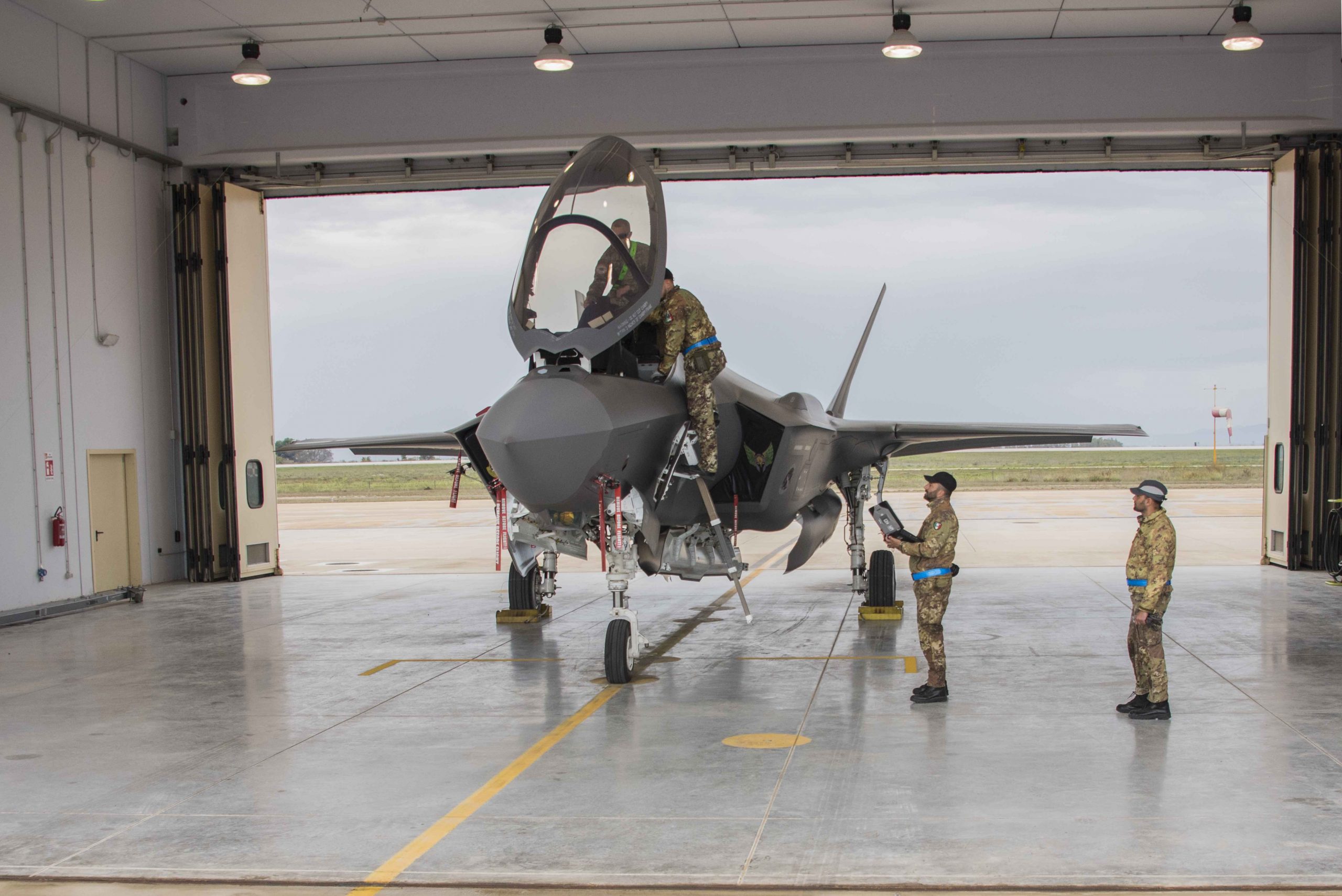
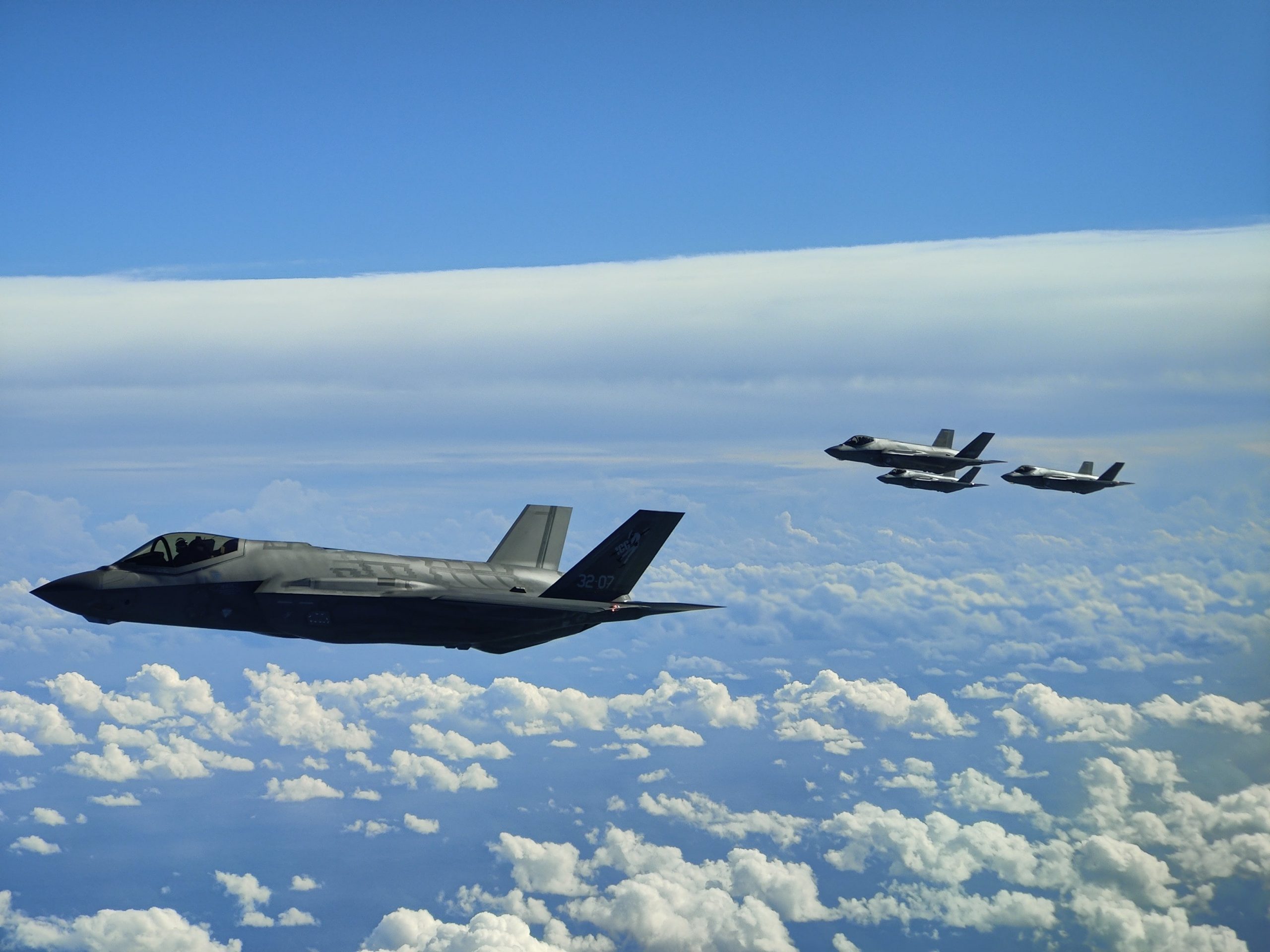
For the second year in a row, the 32nd Wing of Amendola (Foggia) hosted Falcon Strike, a training event that involved F-35 aircraft from Italy, the United States, and the Netherlands.
The past 25th of November, at Amendola Air Base, in the province of Foggia, The joint and multinational exercise Falcon Strike 2022, a one-of-a-kind training event, which through the reproduction of realistic, highly changeable, and intensely congested and contested scenarios, has enabled effective training, particularly for sophisticated fifth-generation aircraft participants, maximising the capacity of Very Low Observability (very low observability) of these arrangements. A testament to the high value of the joint and international event, during the exercise, there were the visits of the Chief of Defence Staff, Admiral Giuseppe Cavo Dragone, and the Minister of Defence, Hon. Guido Crosetto.
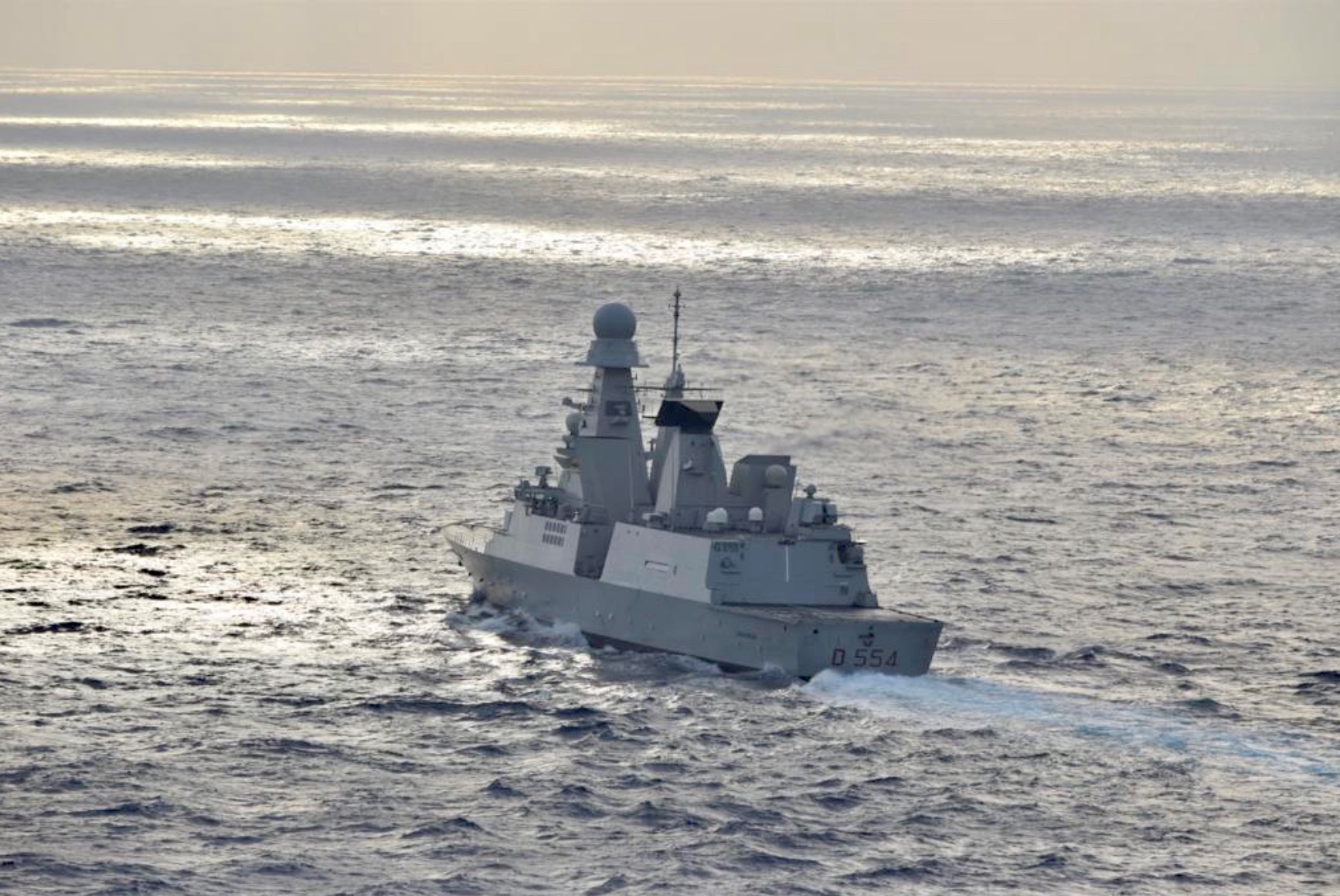
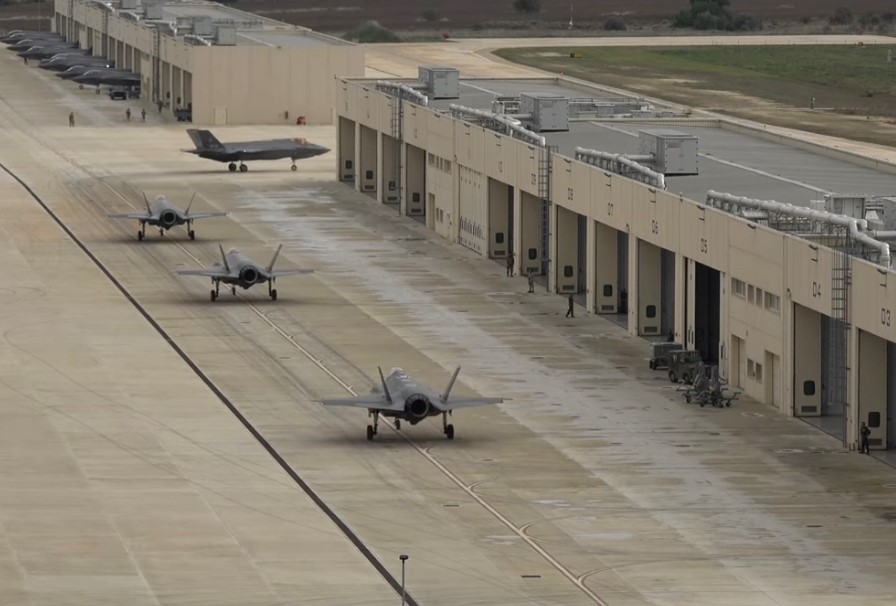
Flexibility, interoperability and operational effectiveness were the fundamental aspects of the exercise, which was particularly dedicated to the F-35 weapon system and involved flight and specialised technical personnel from three different NationsItaly, the United States and the Netherlands. In this edition – which involved six air force bases (Amendola, Grosseto, Pisa, Pratica di Mare, Decimomannu and Alghero) and the Destroyer “CAIO DUILIO” of the Navy – over 50 aircraft and around 1,000 military personnel took part, of whom 600 were deployed to the Amendola 32nd Wing airfield, which Main Operating Base.
The Falcon Strike, the most important training event organised in 2022 by the Italian Air Force, This has allowed for the consolidation of cooperation and standardisation of tactics, techniques, and procedures in the execution of complex air operations in a multinational context, leveraging the low observability capabilities of 5th generation assets and operating even in highly defended environments, promoting within the coalition the effectiveness of planning activities, briefing, flight missions, and de-briefing at the highest security levels foreseen by the JSF programme. The event has also allowed for the enhancement of logistical cooperation between users, through the “cross-servicing/maintenance”increasing the effectiveness and efficiency of the deployed assets while at the same time reducing the logistical impact.
“The Air Force has assets equipped with extremely advanced technology, but however modern they may be, their effectiveness relies on the commitment and professionalism of the men and women of the Armed Force, who are also recognised internationally. This exercise is the most effective demonstration of this., So the Minister of Defence, Guido Crosetto.
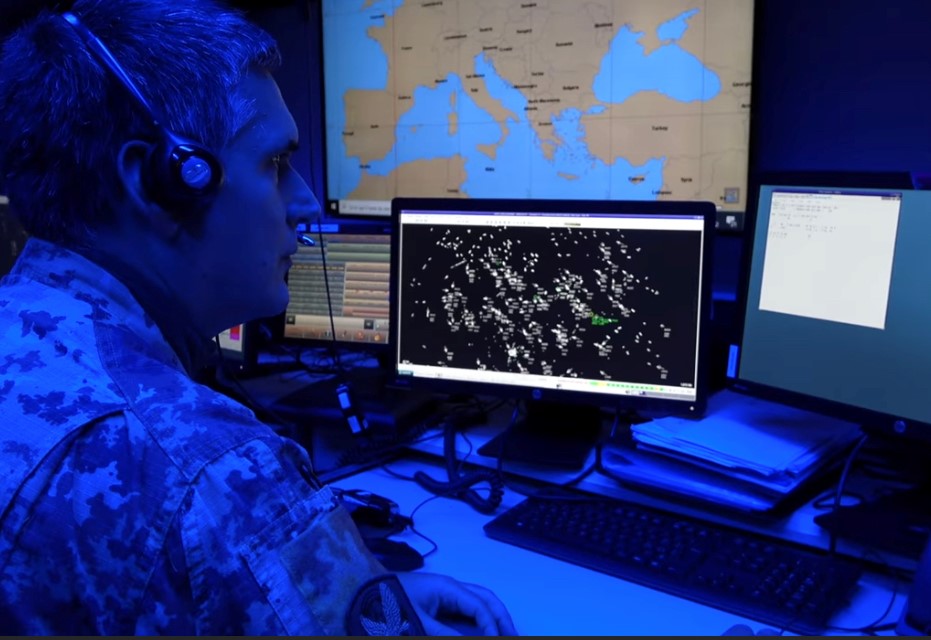
During the visits, the exercise director, Colonel Pilot Vito Cracas, was able to demonstrate – thanks to the peculiar characteristics of the IT-D-ASACS (Italian-Deployable – Air Surveillance and Control System) of the Mobile Command and Control Department of Bari Palese – the’real-time flight mission progress and tracking of all aircraft. Crucial monitoring capability for Command and Control activities, enabling “decision-makers” to have real-time a series of fundamental pieces of information to increase awareness of the progress of operations and allow for the adoption of the most suitable actions.
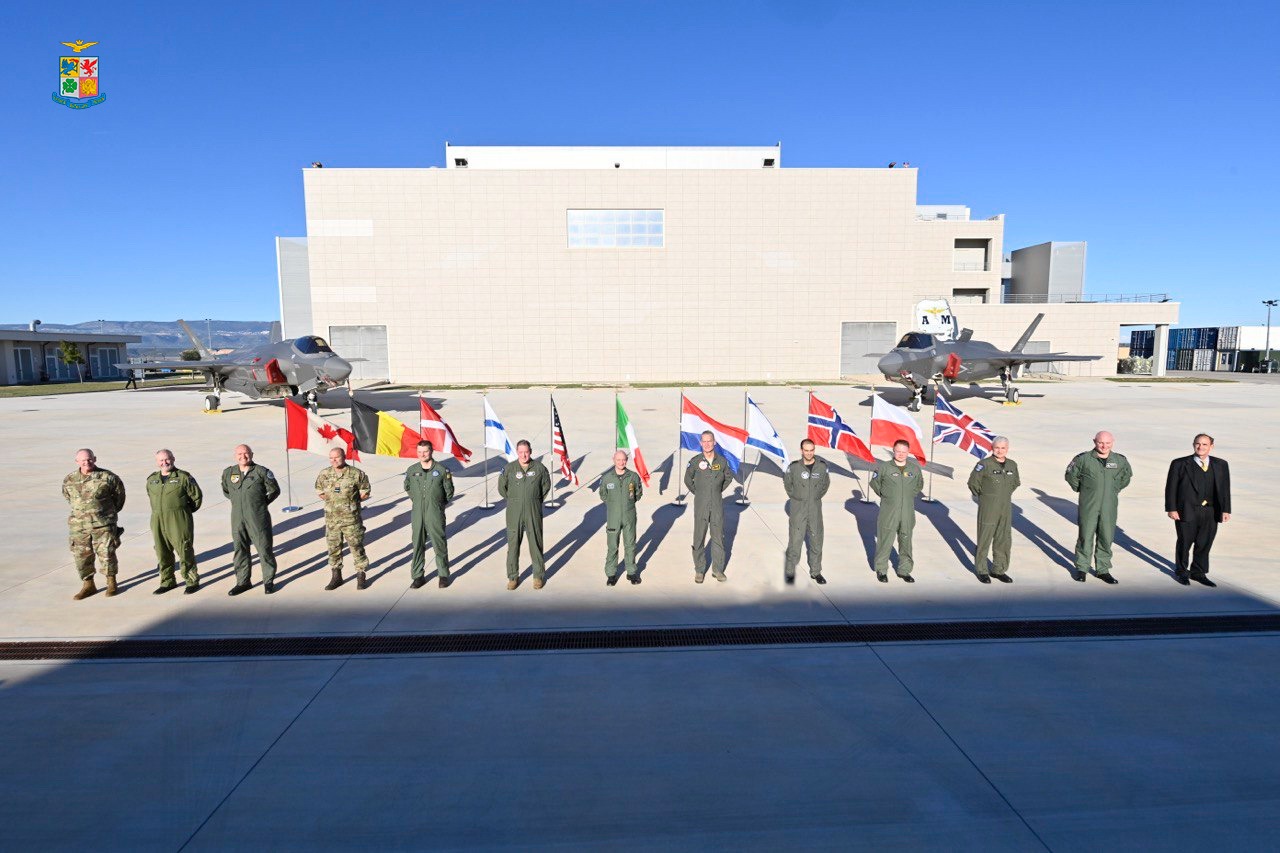
“The Falcon Strike is a demonstration of our professional growth in the 5th generation aircraft sector. It is a complex, highly varied system, suitable for 5th generation needs, which involves not only aircraft but also an entire organisation, from air traffic control to the preparation of operational scenarios. The attention of 13 nations to what we do here at Amendola, mostly at the level of Chief of the Armed Force, is certainly the best calling card for the success of an exercise of this type.” the words of Air Force General Luca Goretti, Chief of Staff of the Air Force.
F35 AIR CHIEF MEETING
For the first time in Italy, in conjunction with Falcon Strike, the’F35 Air Chiefs' Meeting, a strategic forum for discussion and updates, led by USAFE (United States Air Force in Europe, to consolidate the collaboration in the field F-35 European User Group which, generally, takes place at Ramstein Air Base (GER). This event further consolidated the leadership position of Italy, the Defence, and the Air Force within the F-35 community, also exploiting the peculiar potential of national infrastructures dedicated to operational training (O.T.I. – Operational Training Infrastructure).
The layouts used
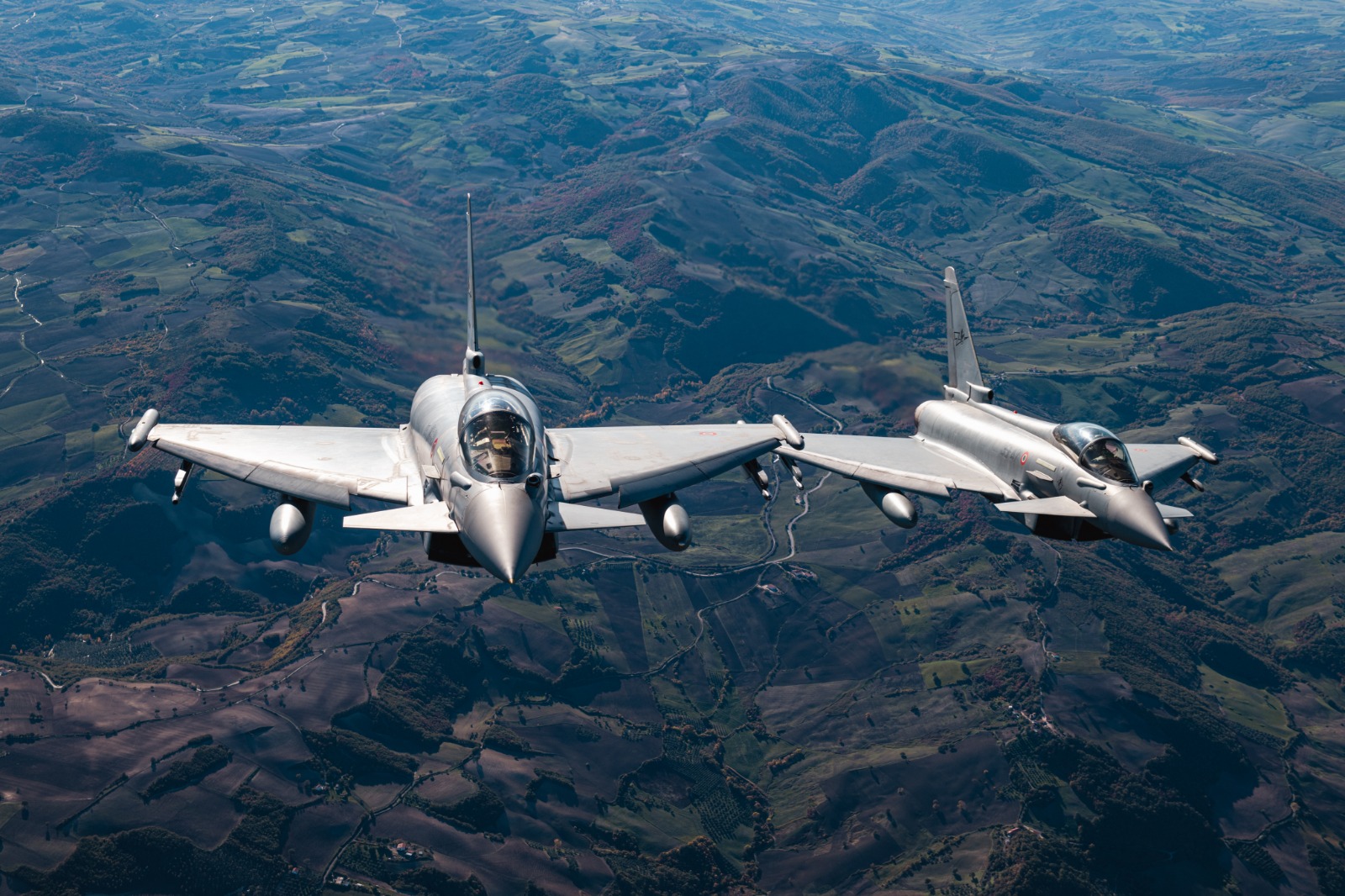
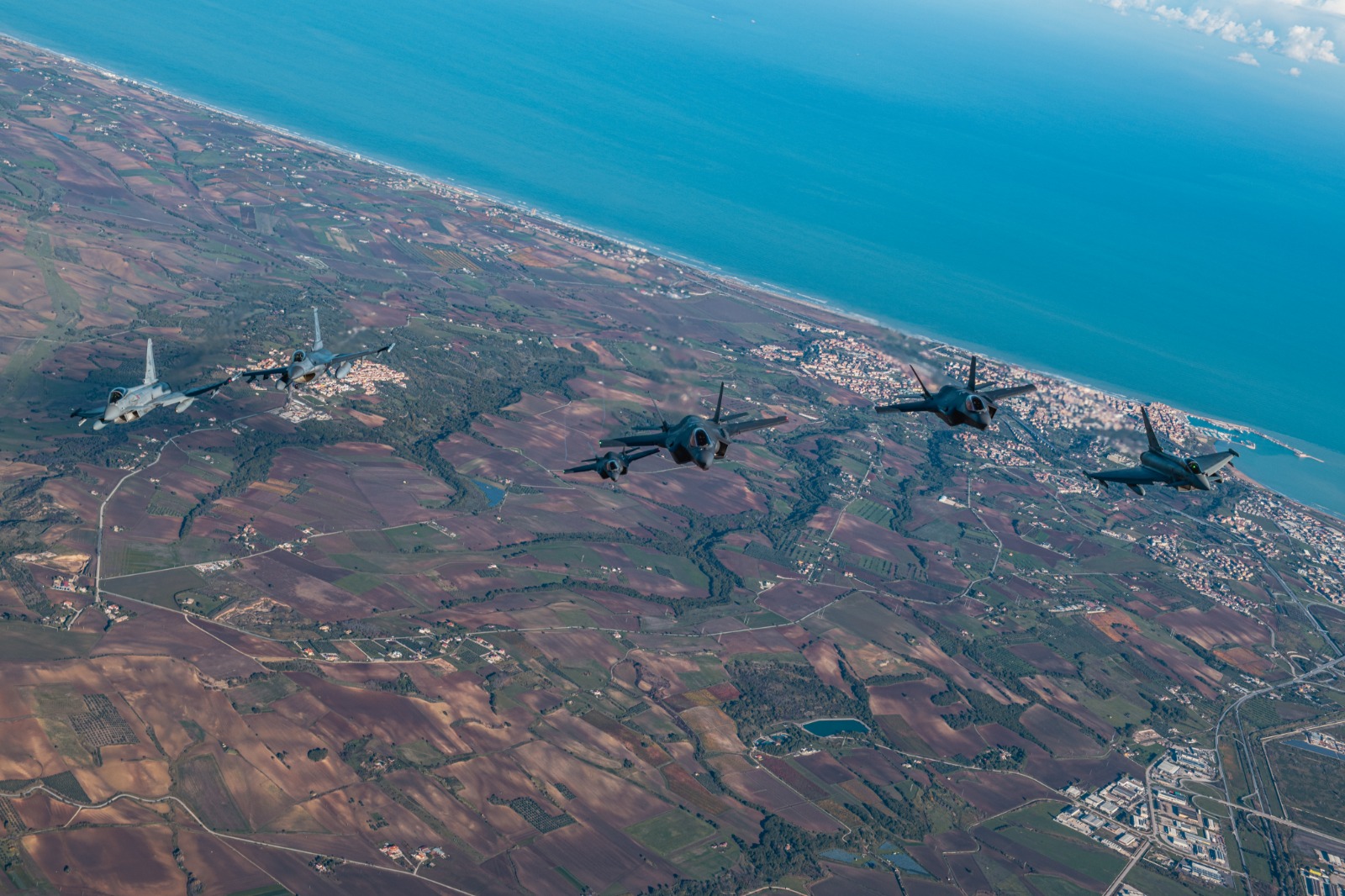
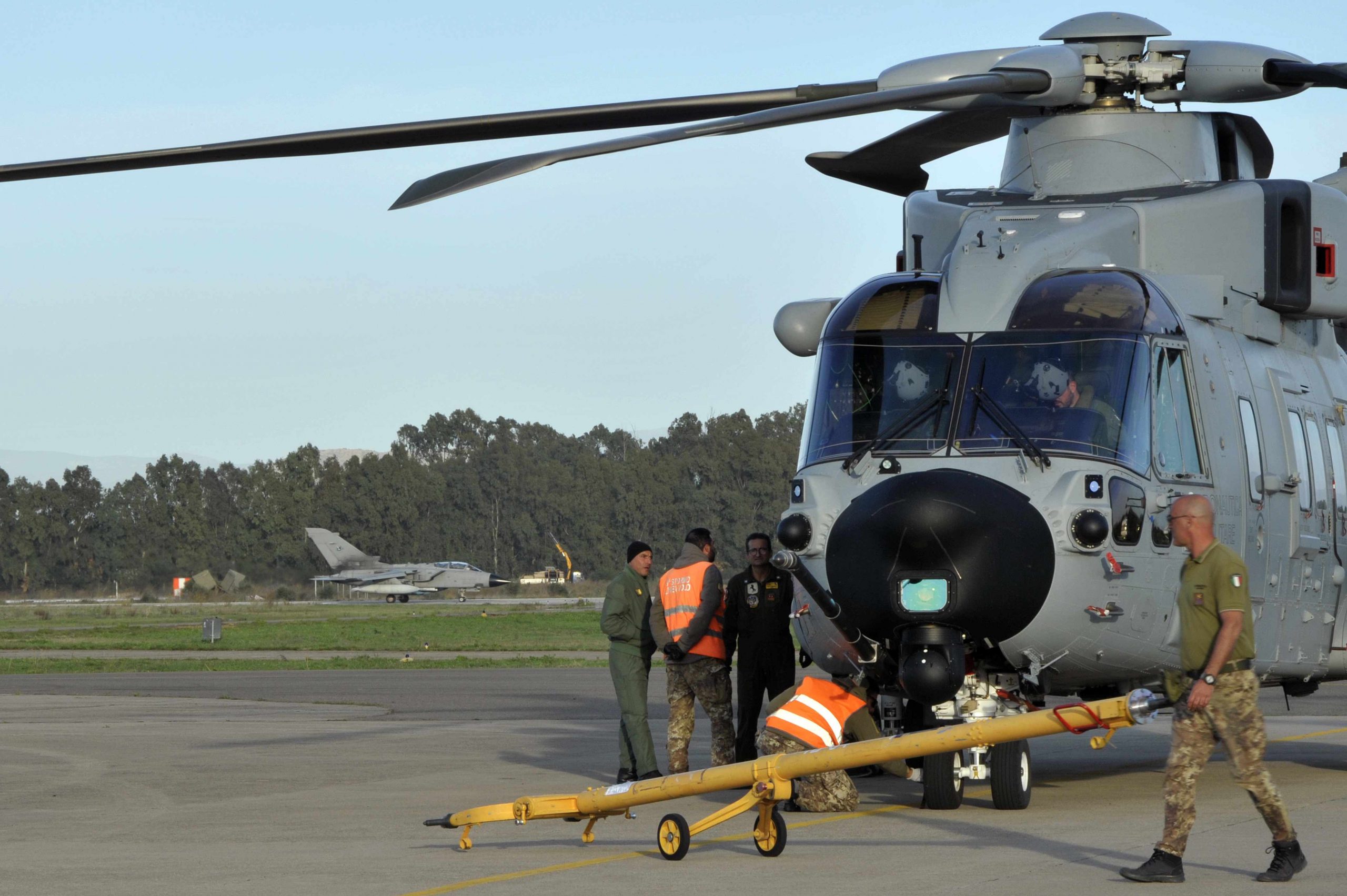
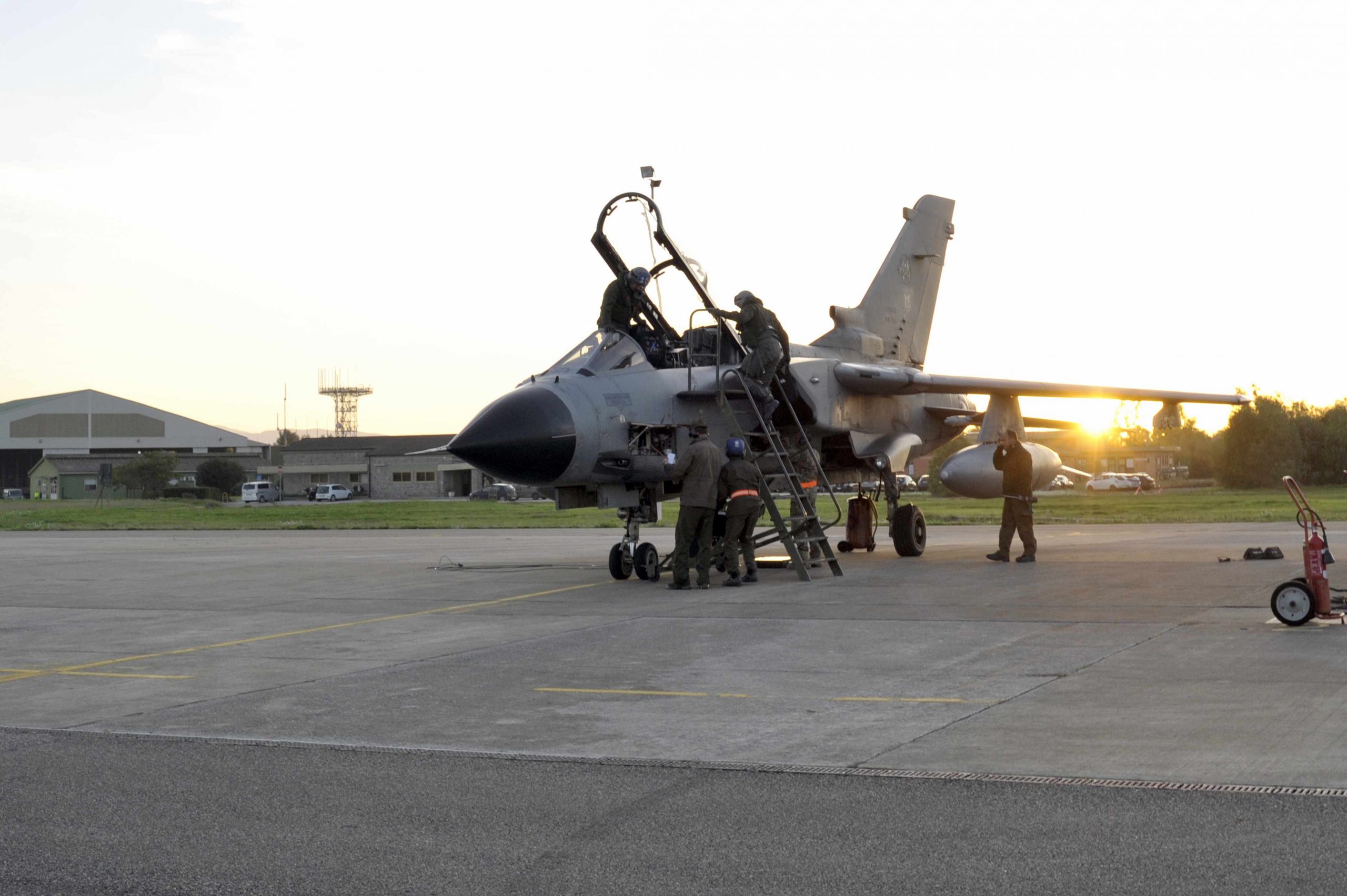
For the Italian Air Force, in addition to the F-35A and F-35B aircraft, there are also the Predator RPAS of the 32nd Wing of Amendola, F-35A and Tornado aircraft of the 6th Wing of Ghedi (Brescia), F-2000 Typhoon aircraft of the 4th Wing of Grosseto, the 36th Wing of Gioia del Colle (Bari), and the 37th Wing of Trapani, KC-767A and G550 CAEW aircraft of the 14th Wing of Pratica di Mare, HH-101 and HH-139 helicopters of the 9th Wing of Grazzanise (Caserta) and the 80th SAR Centre of Decimomannu (Cagliari) respectively, which is under the 15th Wing of Cervia (Ravenna), as well as KC130J and C27J aircraft of the 46th Air Brigade.
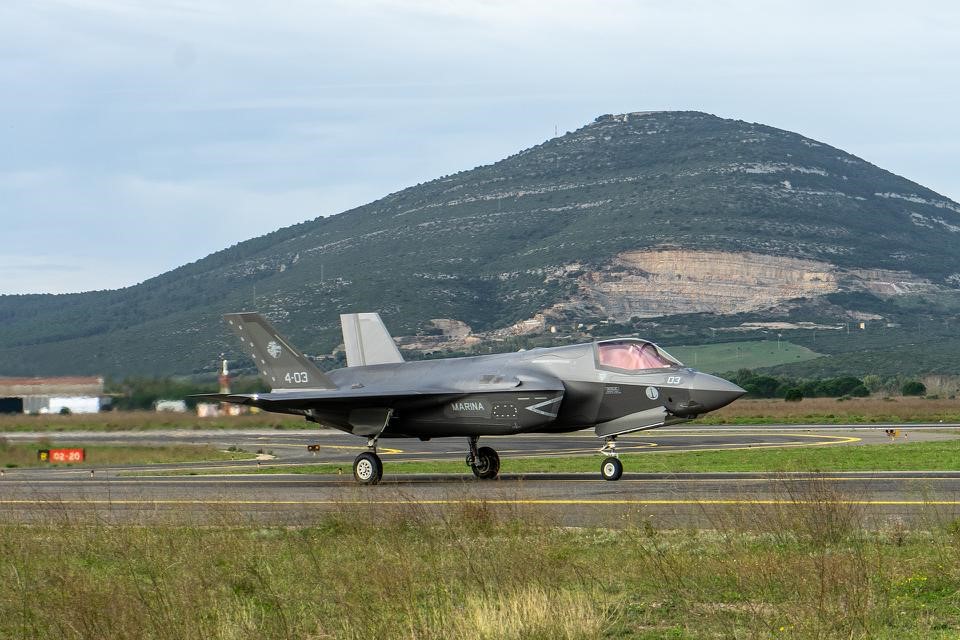
For the Navy, an F35B aircraft deployed to the 4th Wing of Grosseto and the Destroyer “CAIO DUILIO”.
For other nations, F-35A, F-16, and KC135 aircraft from the Royal Air Force in Europe F-35A jets Royal Netherlands Air Force.
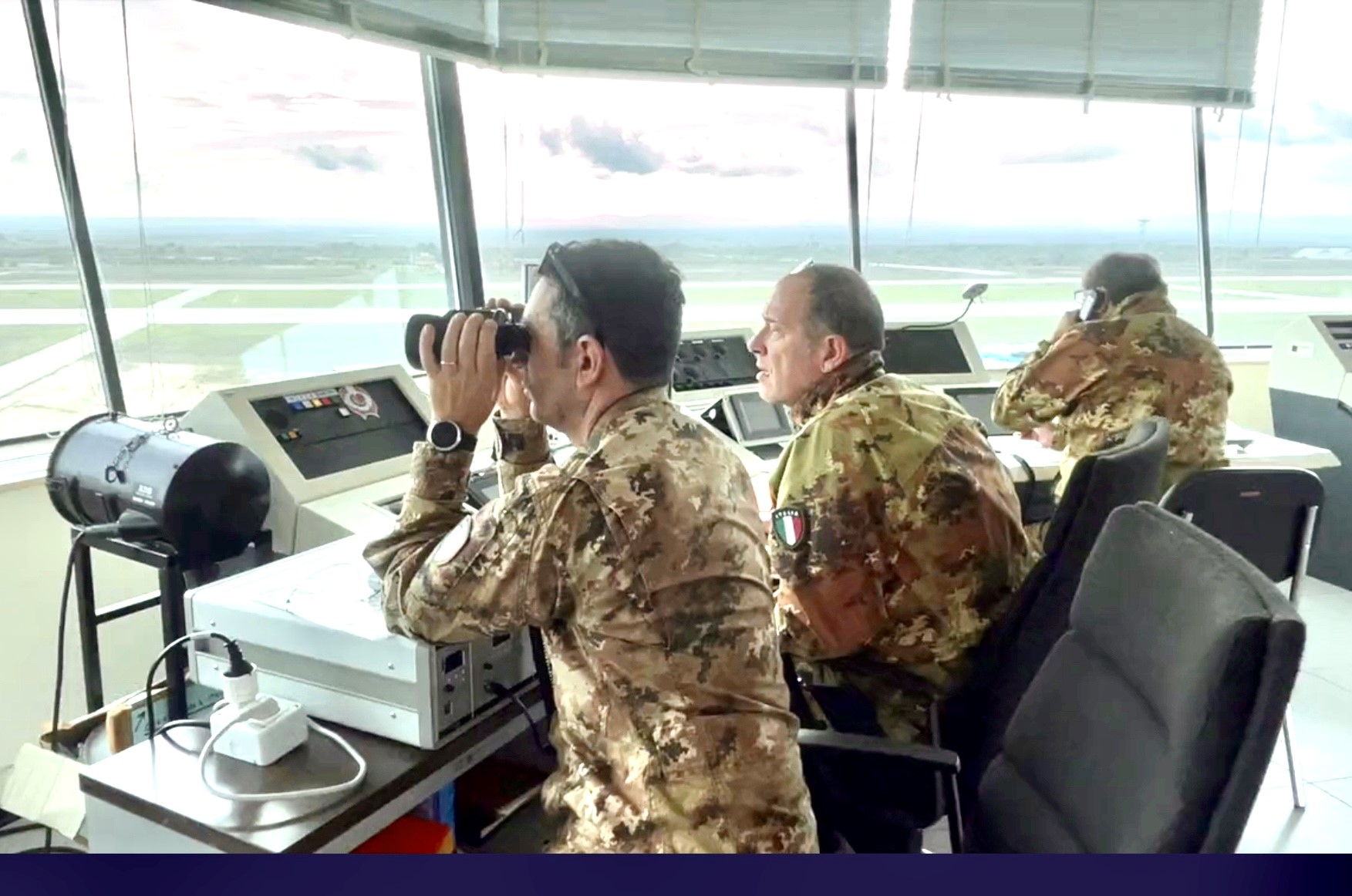
Significant use was also made of ground forces, comprised of two J-TAC teams.Manoeuvre Coordonnée – Contrôleur Aérien Tactique) of the 16th Wing of Martina Franca (TA) and the 17th Wing of Furbara (RM), the latter also intervening with a special forces team employed to locate a ground anti-aircraft threat, transmitting its geographical coordinates to the airborne assets for subsequent neutralization.
Numerous also are the ground-based anti-aircraft systems, including the SIRIUS system of the 2nd Wing of Rivolto (UD), a NIKE system Target Tracking Radar and an Anti-Aircraft Artillery component of the Italian Army – with SBAD type capabilities and mission (Surface-based air defencerehoused with a Command and Control organisation and a very short-range STINGER battery from the 121st “Ravenna” Anti-aircraft Artillery Regiment and a medium-range battery equipped with the SAMP/T anti-aircraft and anti-missile weapon system from the 4th “Peschiera” Anti-aircraft Artillery Regiment. They were joined by units Remote Threat Emitter Simulator, devices Radio Frequency Threat Emitter and a highly realistic USAFE system for air threat simulationWide Band Joint Threat Emitter.
TRAINING EVENTS
To achieve the objectives set for the training event, complex air operations were carried out in an A2AD environmentAnti-Access / Area Denialincluding missions of Offensive Counter Air, electronic warfare, Air Interdiction, High Value Airborne Asset Attack and Protection as well as Special forces infiltration for GAAI (Ground Assisted Air Interdiction) operations e Special Forces exfiltration.
Strategic-level Command and Control support activities were guaranteed by National Air and Space Centre (N.A.S.O.C.) of the C.O.A. of Poggio Renatico (FE), while the tactical level ones were assured through the G-550 CAEW aircraft Conformal Airborne Early Warning of the 14th Wing e from IT-D-ASACS Sistema Vendicatore di Sorveglianza e Controllo dell'Aria Dispabile Italiano) of the Mobile Command and Control Department of Bari Palese, for the occasion specially redeployed to Amendola.
In addition to Primary Control Agency mentioned previously, the Operations Room of the 22nd Integrated Air Defence Missile Group (D.A.M.I.) in Licola (Naples) was also involved, as Recovery Control Agency, ensuring the return of assets in compliance with Safety and ensuring continuity of Situation Awareness in case of contingency.
DEFENCE EXPEDITIONARY AIR CAPABILITIES
Consolidated capacity expeditionary of Defence thanks to a refuelling ground operation – with engines running (hot pit refuelling from a KC-130J of the 46th Air Brigade of Pisa via the ALARP (Air Landed Aircraft Refuelling Point), carried out by personnel from the 3rd Wing of Villafranca (VR). Two F35B aircraft were in fact deployed at the Alghero Airport Detachment (SS) (Short Take-Off and Vertical Landing), one from the Air Force and one from the Navy, who have had the opportunity to train in a joint service context in order to increase the Defence's land projection capability (segment By land.
Achieving operational readiness, even at great distance from the motherland and shortly after transferring to a potential theatre of operations, is one of the greatest Core Business of Defence, as it expresses extreme versatility in the projection of Aerospace Power, both in a context Maritime through the use of aircraft carriers, both in that Land-based, where airfields with reduced logistical support are exponentially more numerous than traditional airports.
The 32nd Wing of Amendola (FG)
The 32nd Wing is under the command of the Combat Forces Command (CFC) in Milan, whose assigned mission is to acquire and maintain the operational readiness of all air defence, attack, and reconnaissance units, ensuring the operational efficiency of weapon systems, equipment, and materiel, as well as personnel training and the constant updating and optimisation of operational procedures, in accordance with the guidelines of the High Commands. The CFC is under the command of the Air Squad Command, which exercises its responsibilities concerning the training, preparation, and operational readiness of its Units, so that they acquire and maintain the expected levels of operational readiness. After achieving the Initial Operational Capability (IOC), which took place in 2018, has participated, since 2019, in NATO operations in Air Policing beyond national borders. Since February 2020, the 32nd Wing is the only unit on the European scene to jointly employ both F-35A (CTOL) and F-35B (STOVL), contributing, with the 5th generation aircraft, to the capability Air Expeditionary of the Armed Forces. Furthermore, by employing the Remotely Piloted Aircraft (RPA) MQ1-C and MQ9-A, the Unit carries out operations of Intelligence, Surveillance, Target Acquisition & Reconnaissance, both national and coalition. Finally, through the MB-339 aircraft, the 32nd Wing completes the training of RPA pilots to maintain an adequate operational level on traditional crewed aircraft.