The institutional headquarters of the Air Force will open its doors to citizens on four consecutive Saturdays in November.
The Air Force renews its commitment to the initiative promoted by the Head of Prevention of Corruption and Transparency, a day that aims to promote a culture of legality and transparency in the performance of all institutional activities, as provided for by Article 10 of Legislative Decree 33/2010.
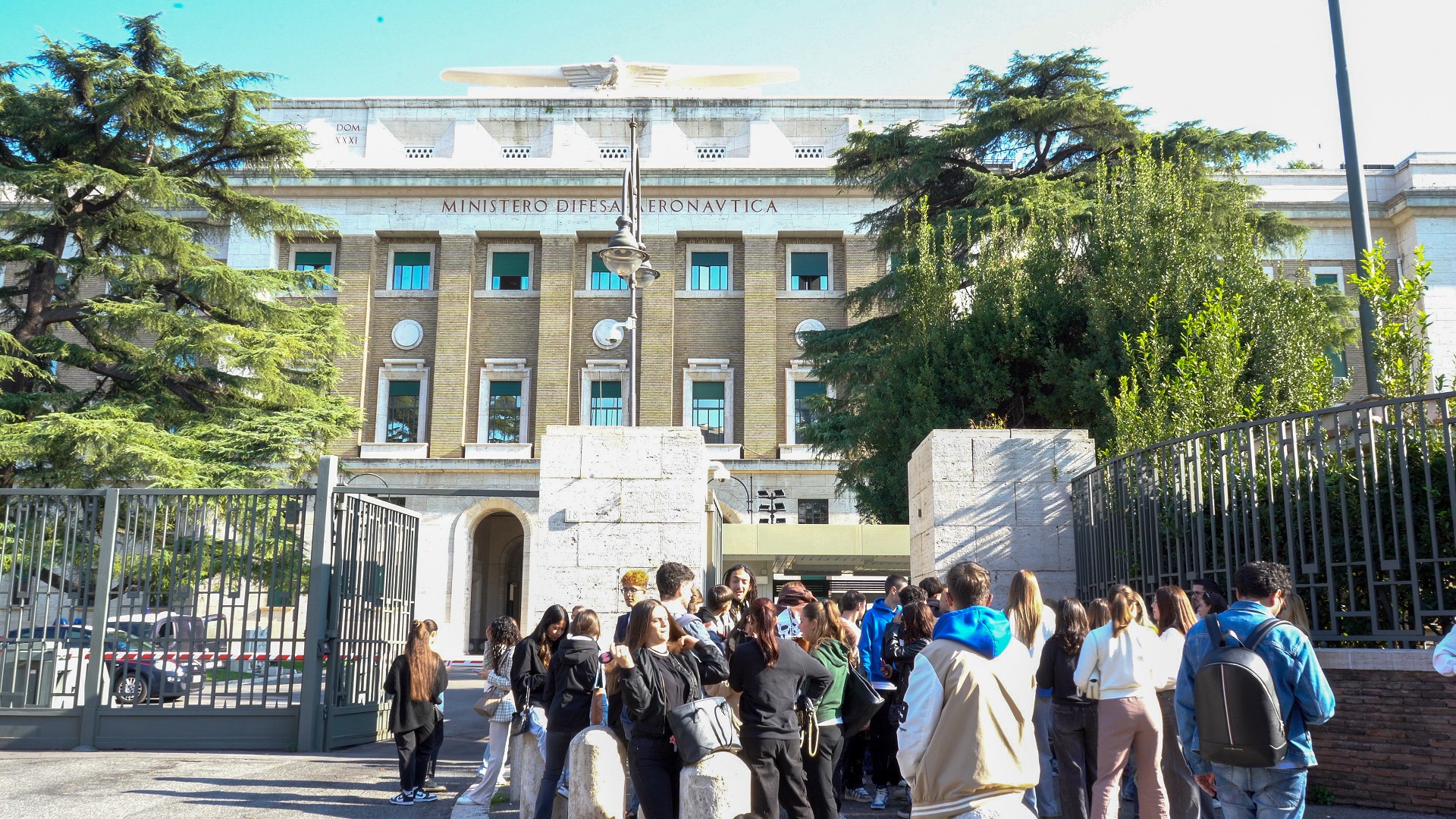
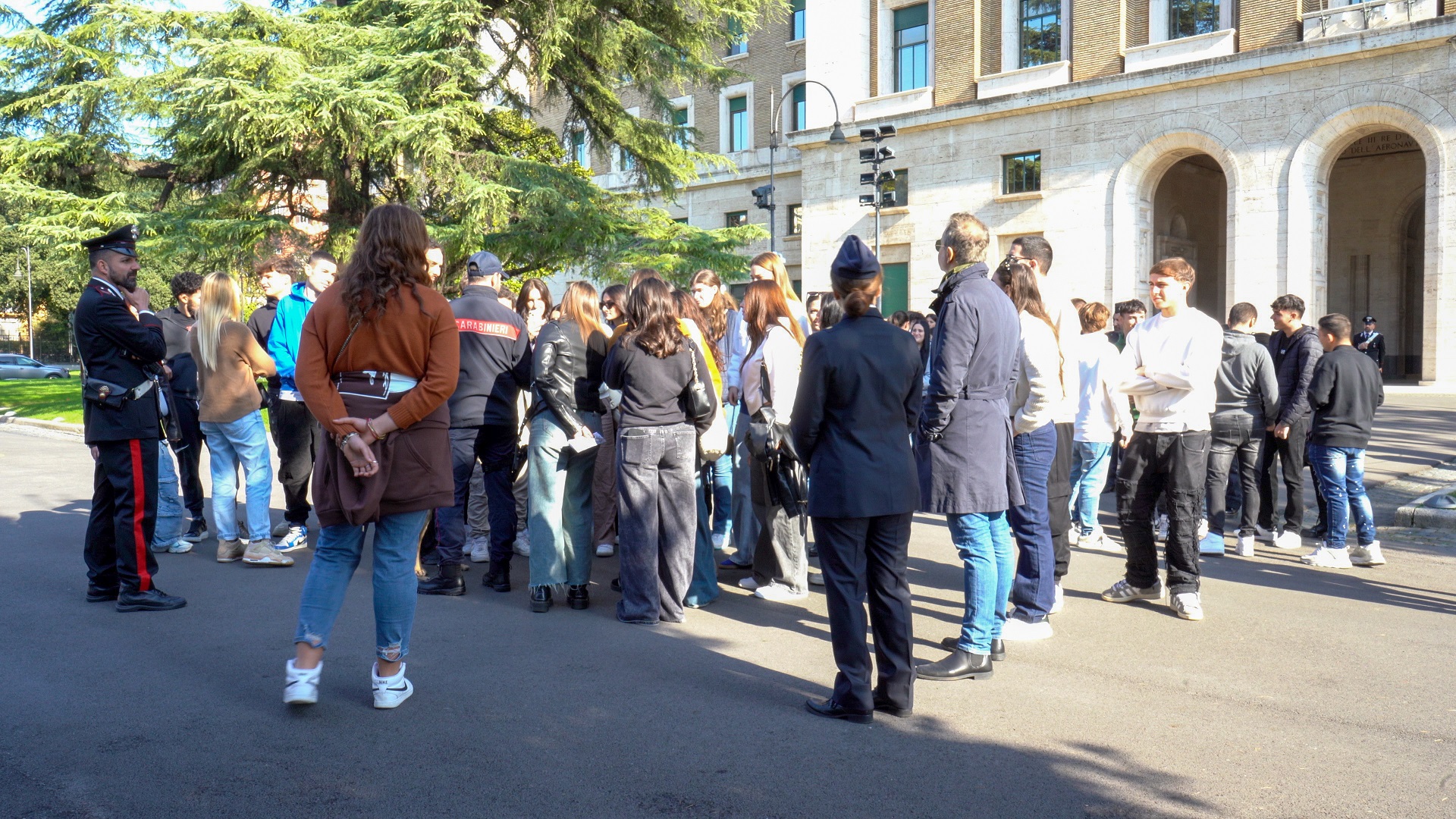
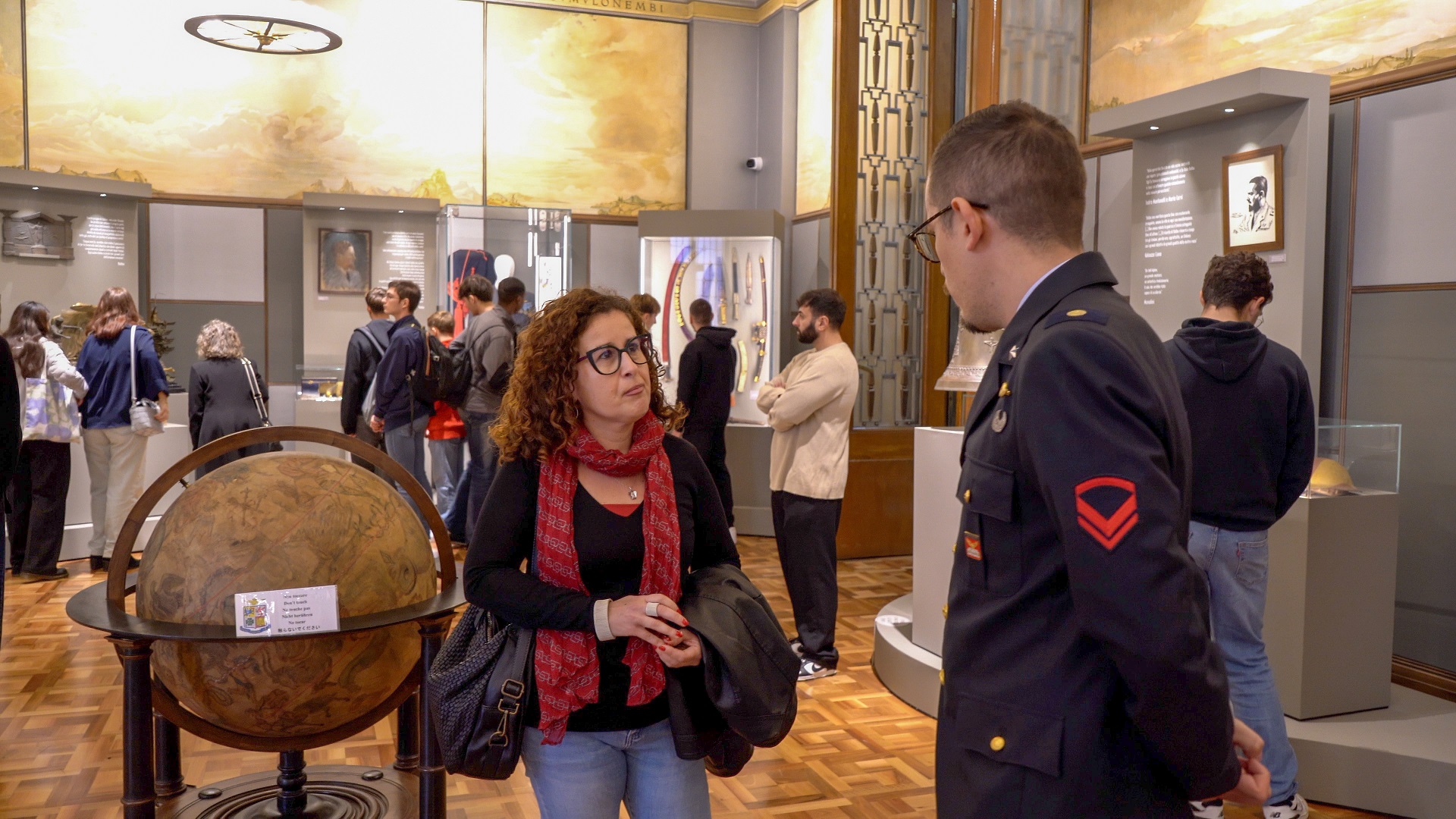
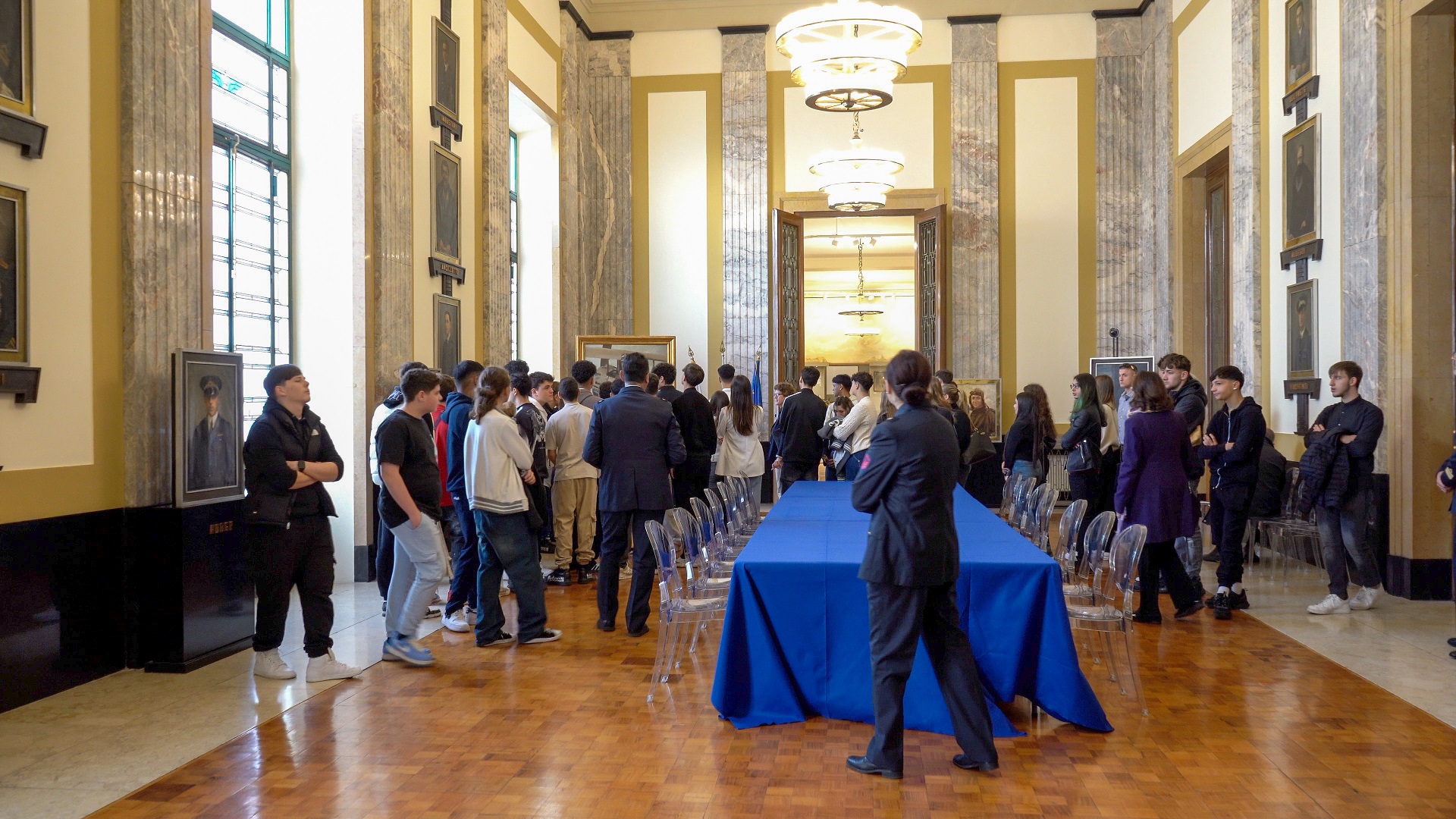
Thursday, November 7 The doors have therefore been opened to the public of Palazzo Aeronautica, in Rome, is the institutional headquarters of the Air Force. For the Armed Forces, this special day is also an important opportunity to introduce citizens to the role and activities that the Armed Forces carry out in the service of the country, while also giving citizens the chance to admire the architectural beauty of the Air Force Palace, a monumental complex from the early 1930s of the last century and one of the most interesting in the architectural landscape of those years.
Always within the framework of this initiative, the Air Force has organized additional activities. extraordinary openings of the Palace AM on the days of Saturday of November (9-16-23-30), From 09:00 to 17:00.
The public will be able to access Palazzo Aeronautica free of charge from the entrance on Viale Pretoriano, 18. Tour guided tours that will depart every 30 minutes starting at 9:00 (with a break from 12:30 to 14:00).
To access Aeronautica Palace On the occasion of Transparency Day or on the occasion of Extraordinary Aperture è It is necessary to register son Website of the Air Force to book the tour for the visit.
Aeronautica Palace
The Air Force Palace, the institutional headquarters of the Armed Forces, was inaugurated on October 28, 1931, just a little more than two years after the start of the construction works. A record time for the construction of a monumental building, designed by Italo Balbo, Minister of the Air Force from 1929 to 1933, who had entrusted its design to the young architect Roberto Marino, only 28 years old at the time.
In Balbo’s idea, the Air Force Palace was to be «a work of imperial scale, in harmony with the essence and evolution of the Armed Forces, totally free from foreign influences» characterized by wide and secure lines to emphasize, in the spirit of the time, the characteristics of a modern Rome.
True to the definition of the «Ministry that regulates the most modern means of transport and at the same time the most daring and important weapon of war in the future,» the Air Force Palace was also a model of innovation as the first major Italian building entirely built in reinforced concrete using the modern concrete technology.
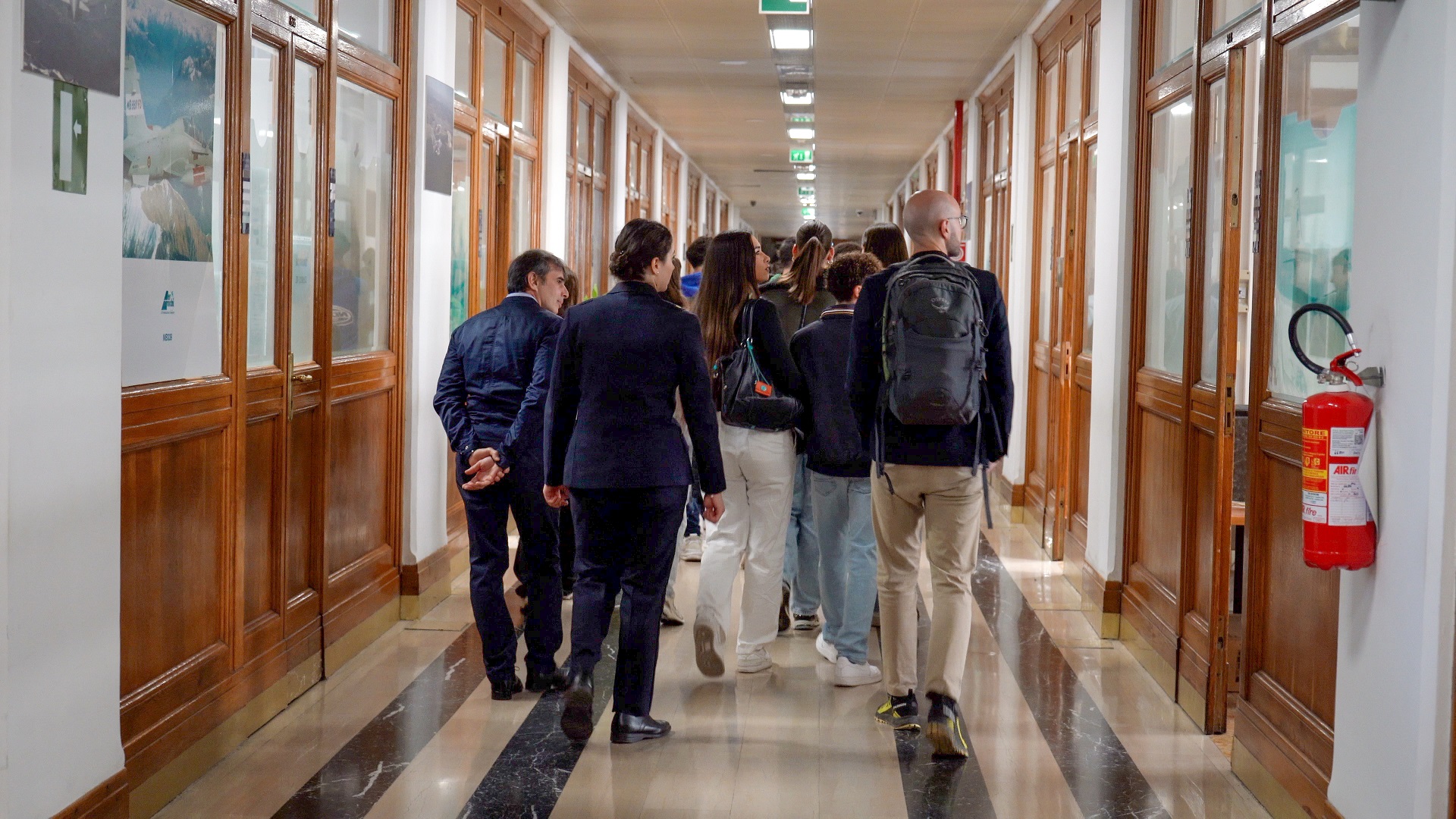
New also are the criteria for the division of the internal areas, which, at the precise instruction of Italo Balbo, favored wide work spaces devoid of dividing walls, but delimited by wooden partitions and glass windows, on the model of the open space of American offices, of which the Minister of Aeronautics had had the opportunity to observe firsthand the extreme functionality and effectiveness.
The decorative elements of the architectural structure provided simplicity and elegance to the rooms and are still visible, among other places, in the handles of the portals, which feature a stylized wing profile and the motif of the “Command Stick”, which was then the distinctive mark of the pilot officers. This motif is also reproduced as a decorative element on the metal railings of the Hall of Honor, on the glass doors of the Hall of Heroes and the Hall of Clouds, and even in the imposing coverings of the heating pipes near the Hall of Honor.
The Sala Italia, the Sala Europa and the Sala delle Cartine are expertly decorated with murals of a geographical, astronomical and historical nature. In particular, the last of the three mentioned rooms commemorates the two Atlantic Cruises led by Balbo himself in 1930 and 1933.
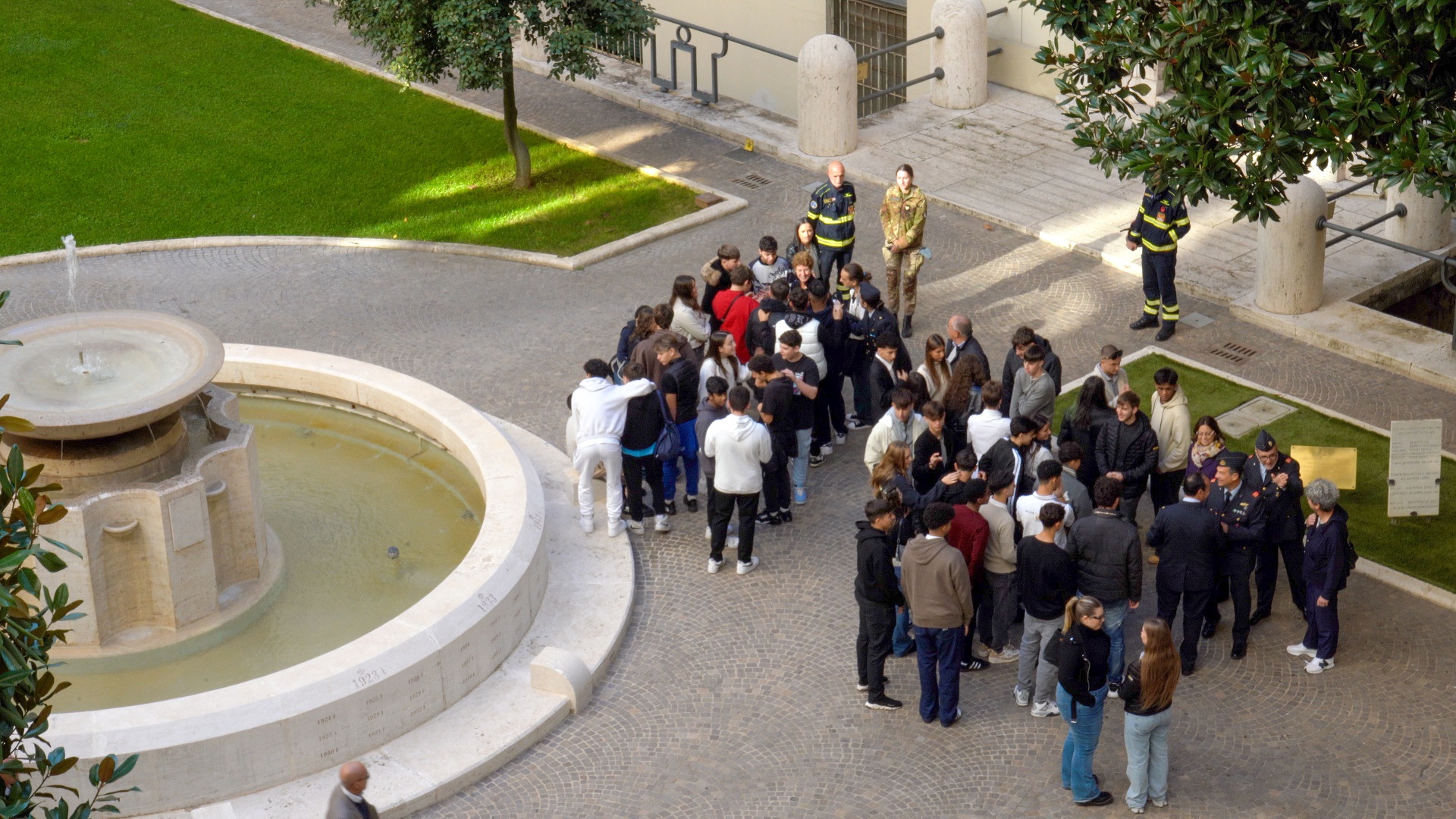
Custodian of architectural and pictorial works of Italian rationalism, the Palazzo dell’Aeronautica periodically opens its doors to visitors, who thus have the opportunity to admire the Italo Balbo Square, the Hall of Honor, the Nobili Rooms, the Fountain of the Heroes and the Paternoster, the historic elevator with open cabins.
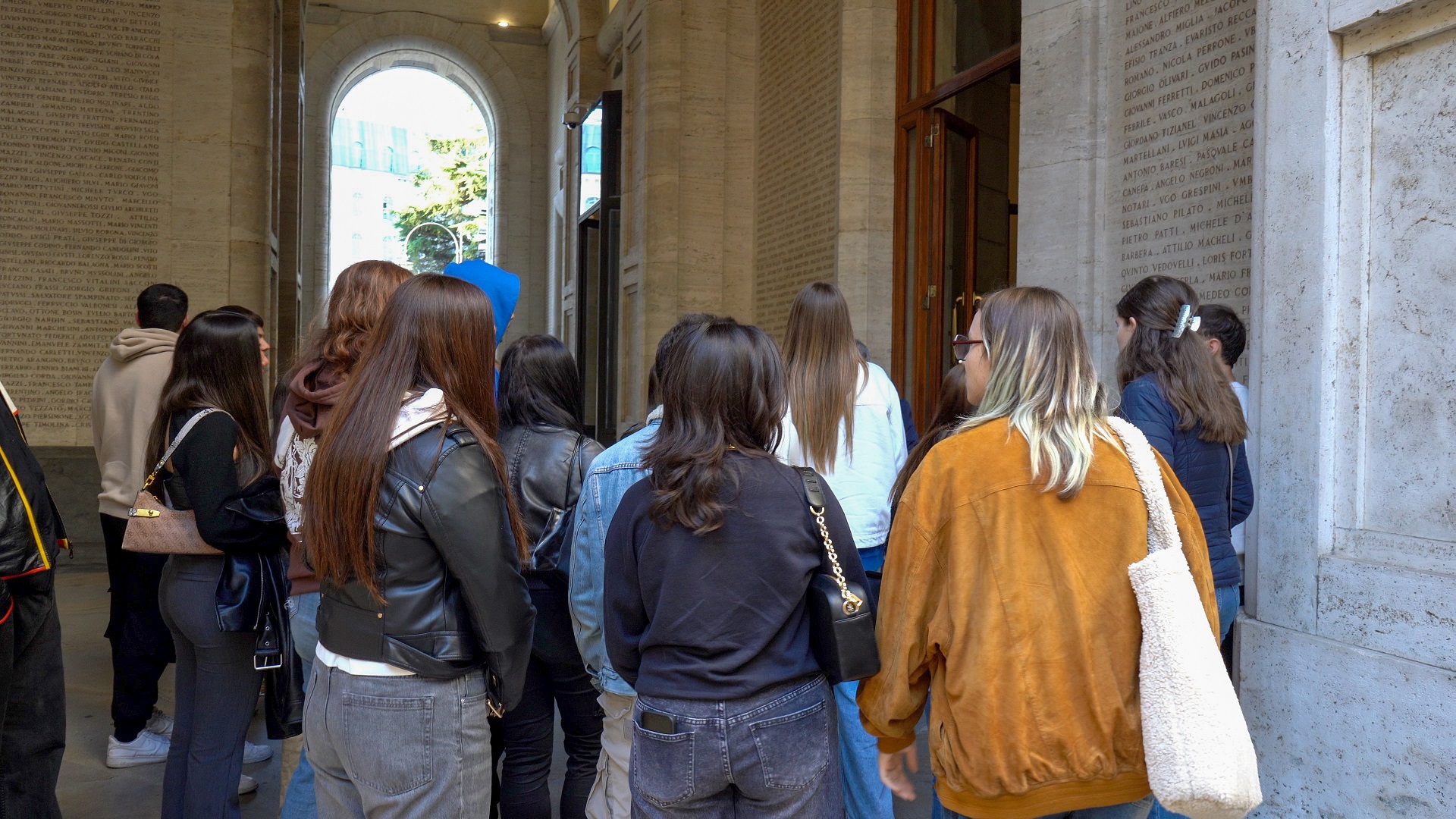
The entrance to Viale Pretoriano, named the “Three Arches” for the colonnade that adorns the main facade, represents the monument to the Fallen of the Air Force; all of them are commemorated by the Lapidary that honors their imperishable memory. A place of intense evocative power and the heart of a Palace that is not only an integral part of the country’s historical, artistic and architectural heritage, but of the very essence of the Air Force, its history, traditions and its noblest values.