A day full of events and celebrations to mark this important milestone for the Department, which was founded on 20th October 1949.
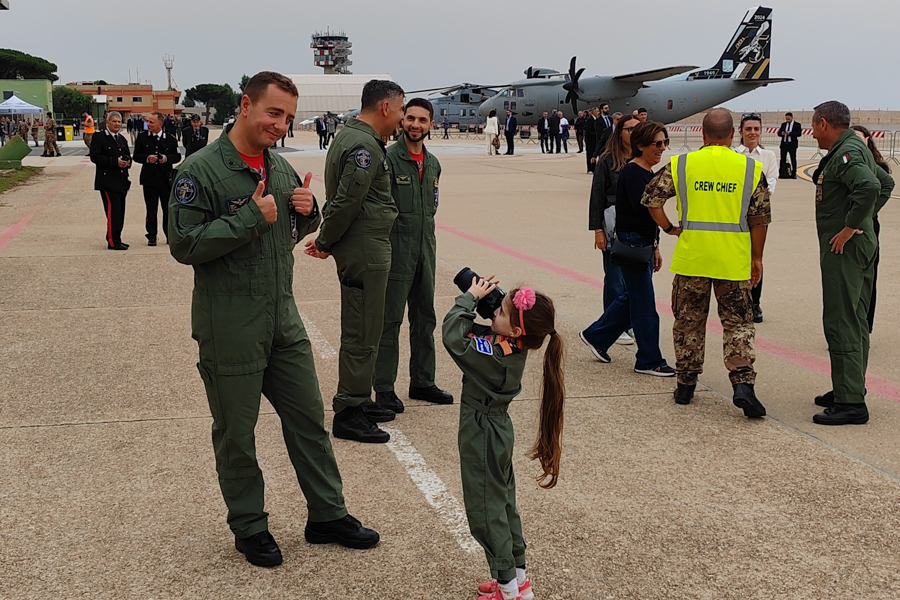
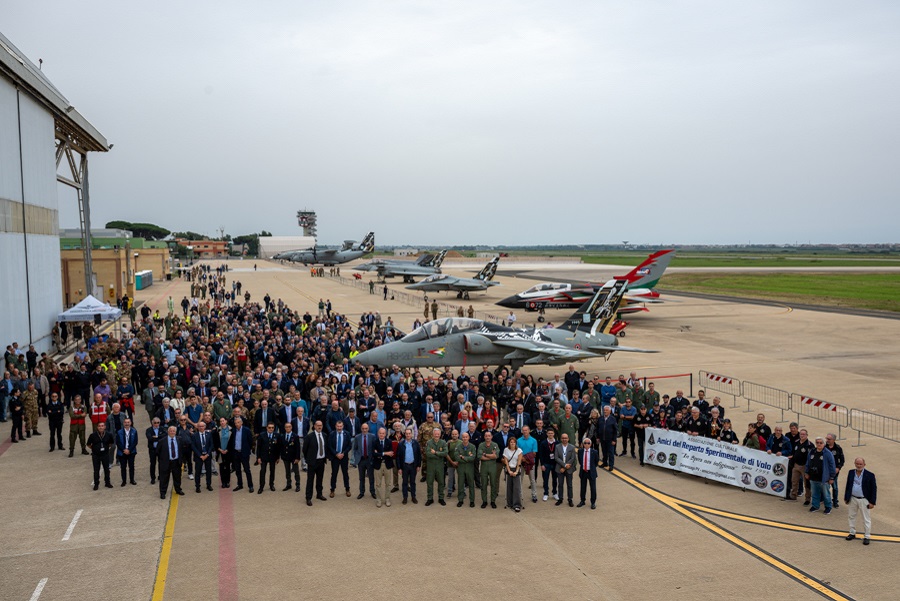
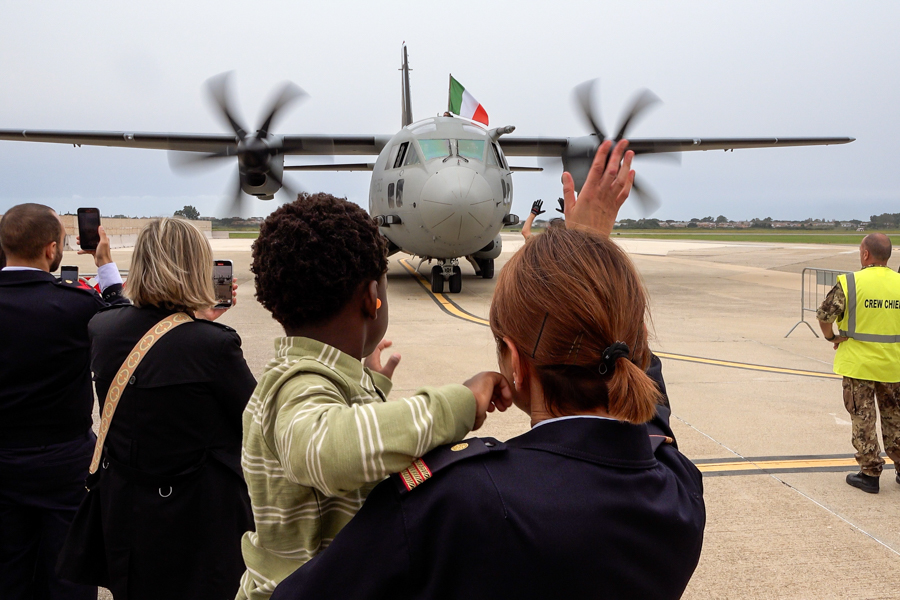
The gathering for service and retired personnel took place on Wednesday, 16 October 2024, at the “M. De Bernardi” military airport in Pratica di Mare. Experimental Flight Department to celebrate together 75 years from the Department.
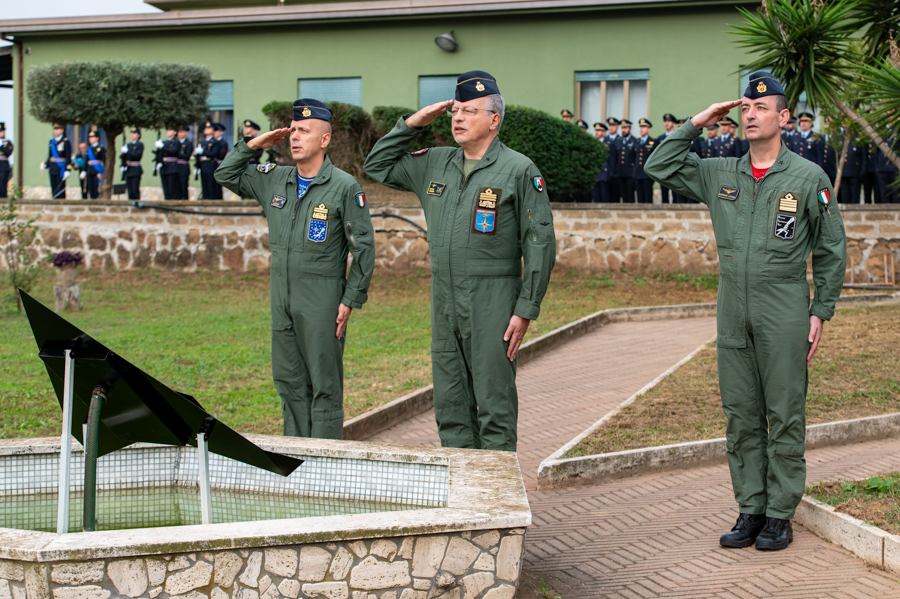
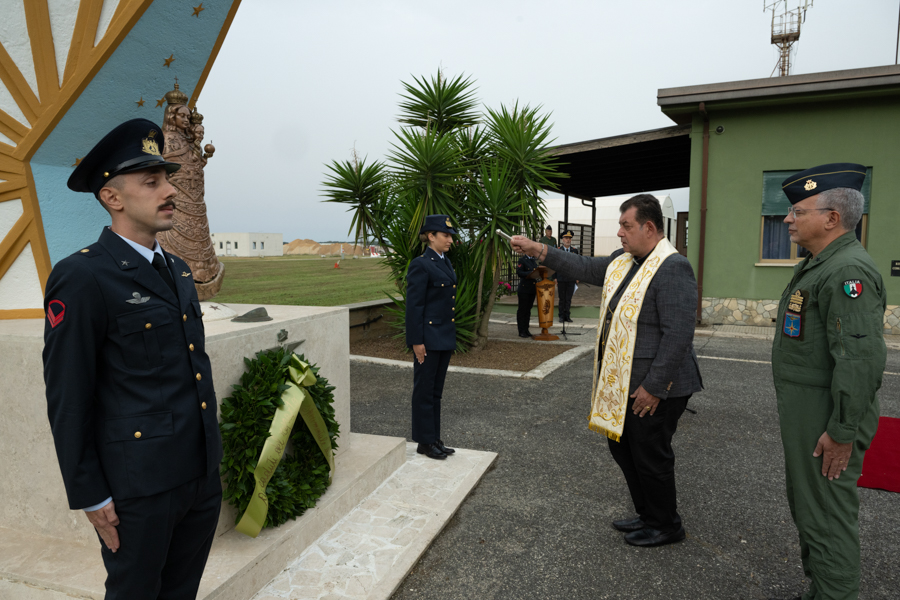
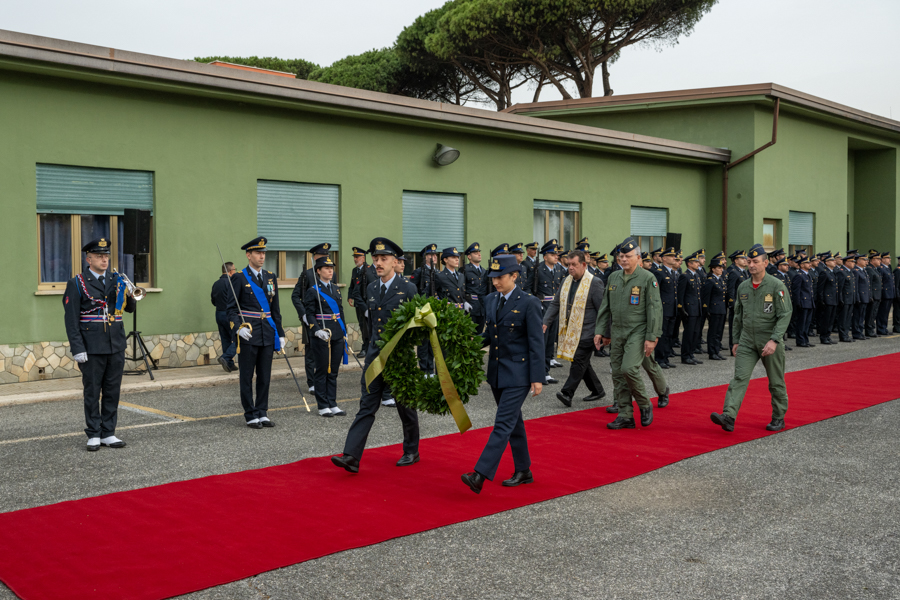
The day began with the solemn flag-raising ceremony and the laying of a laurel wreath at the RSV monument to the fallen, in the presence of the Logistic Commander, Air Force Corps General Antonio Conserva, accompanied by the Commander of the Air and Space Experimentation Air Division (DASAS), Air Division General Luciano Ippoliti, and the Commander of the Department, Colonel Morgan Lovisa.
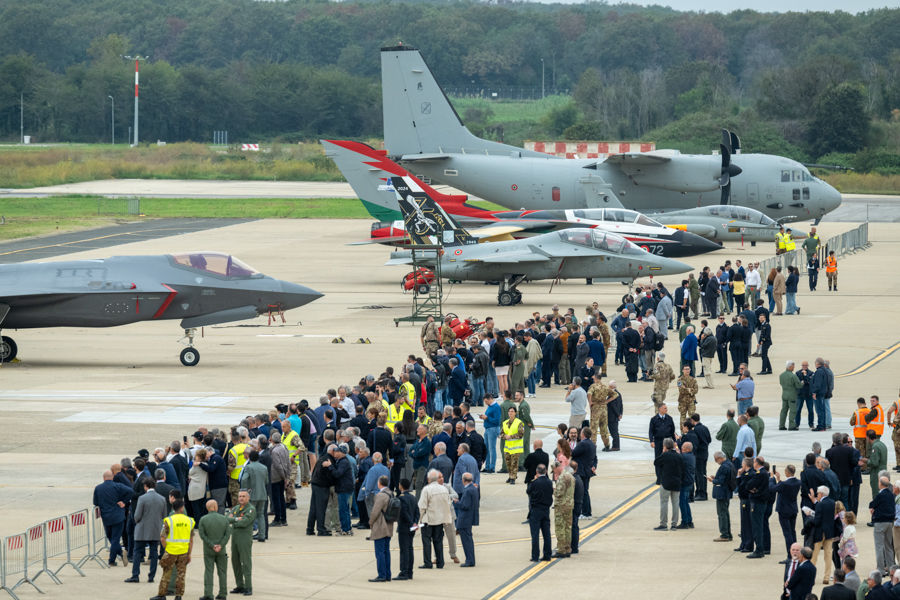
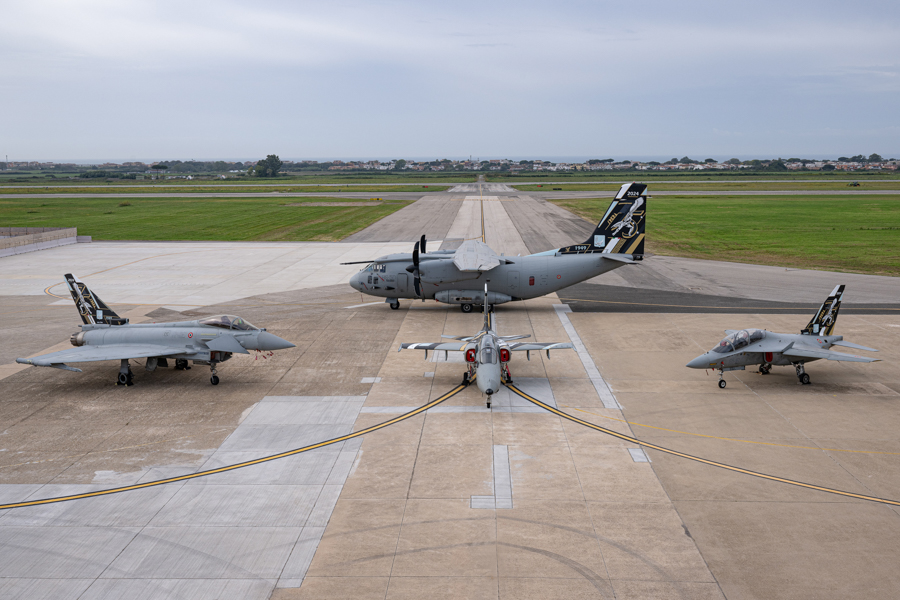
The ... were then inaugurated Static aircraft display along the flight line and the Photography exhibition and model making, the latter made thanks to the contribution of the Air Force Association – Pomezia Section.
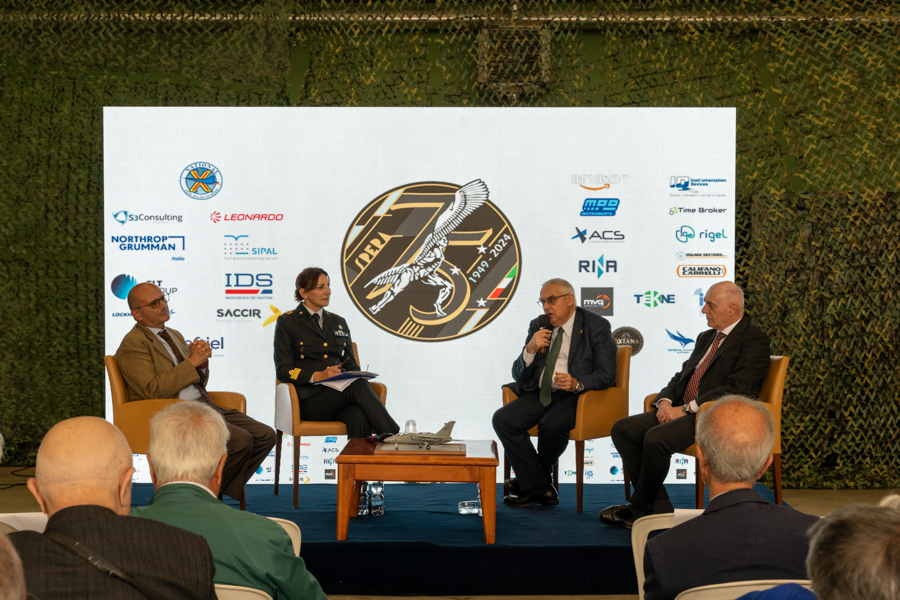
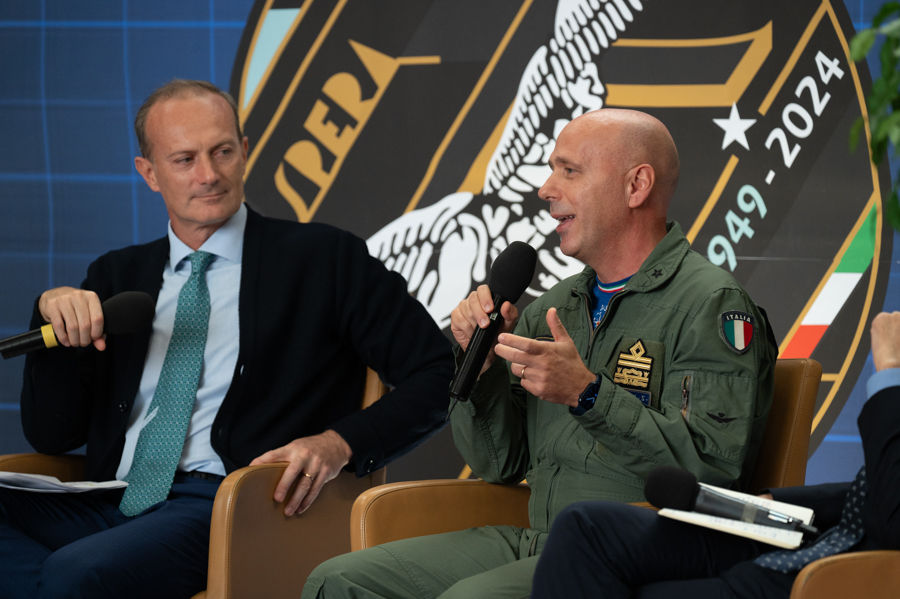
Following this, the two scheduled workshops took place: one of a technical/historiographical nature: “From prototype to mission: the AMX and the Experimental Flight Department” who saw speakers including General (Ret.) Fabio Molteni, Engineer Paolo Chimetto and Engineer Massimo Damilano (both from the company Leonardo), moderated by Lt. Col. Debora Corbi; the other technical/scientific in nature “The Impact of EDT: Evolution of the Instrument of War and New Paradigm of Aerospace Power” which saw the participation, as speakers, of General (ret.) Vincenzo Camporini, Logistic Commander, Gen. S.A. Antonio Conserva, DASAS Commander, Gen. D.A. Luciano Ippoliti, Professor Luciano Bozzo (University of Florence), moderated by Professor Pietro Paganini (economic and geopolitical communicator) and which saw the participation, via video link, of Engineer Tommaso Ghidini (European Space Agency – ESA).
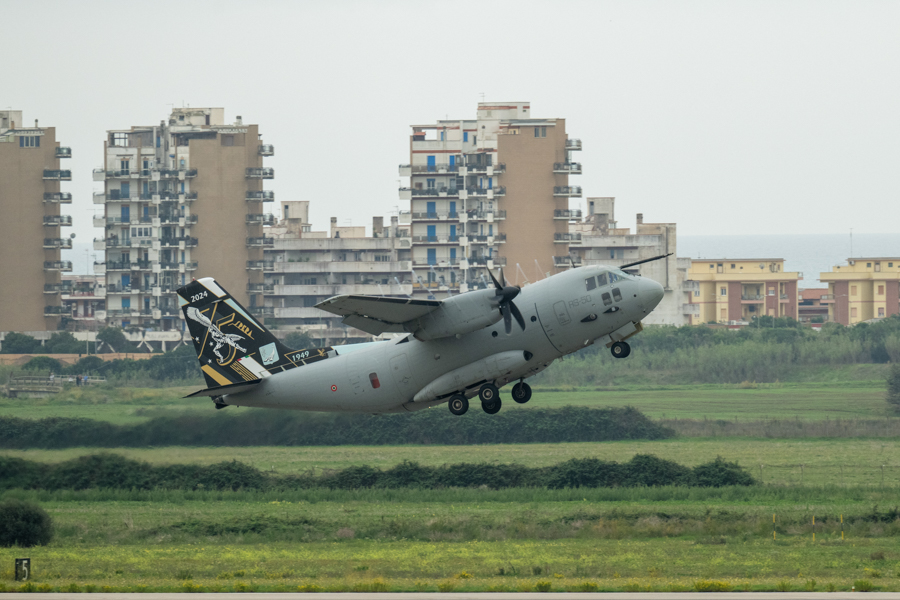
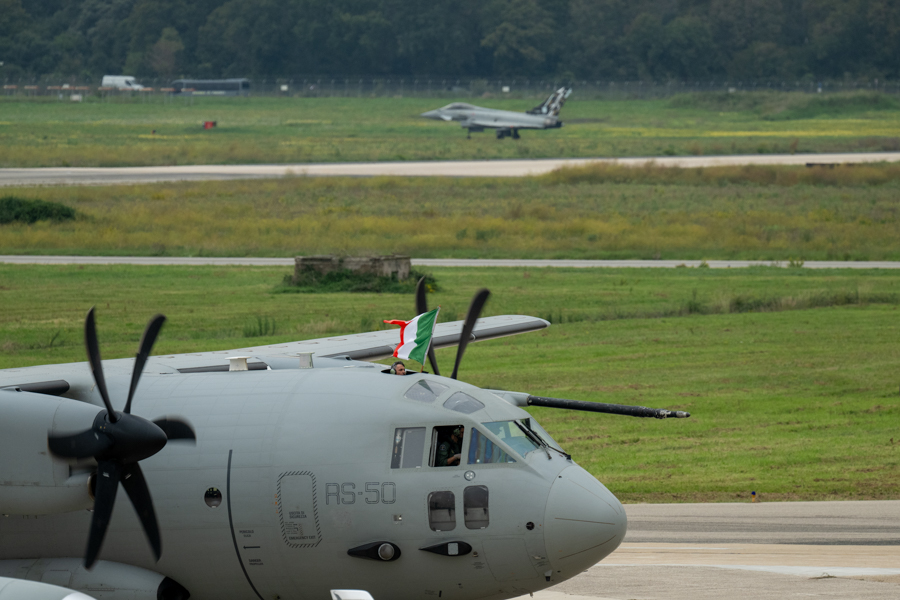
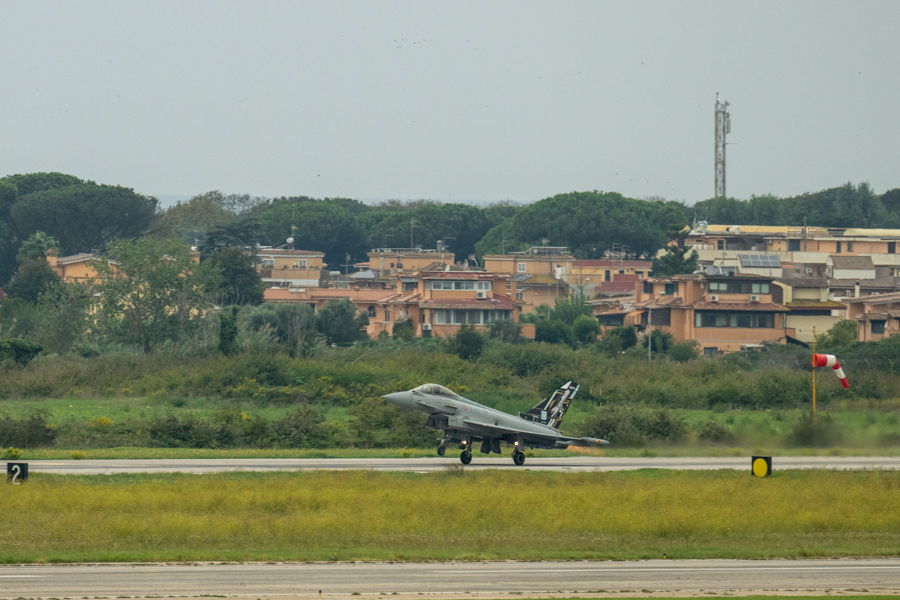
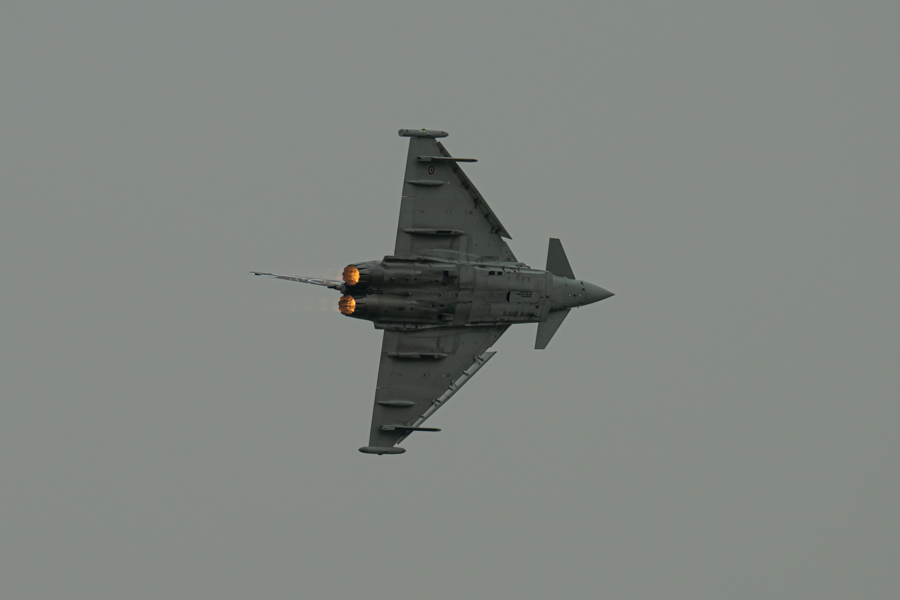
The day's programme continued with the in-flight technical demonstrations of C-27J Spartan aircraft e Eurofighter Typhoon, which thrilled all the rally participants with their spectacular manoeuvres.
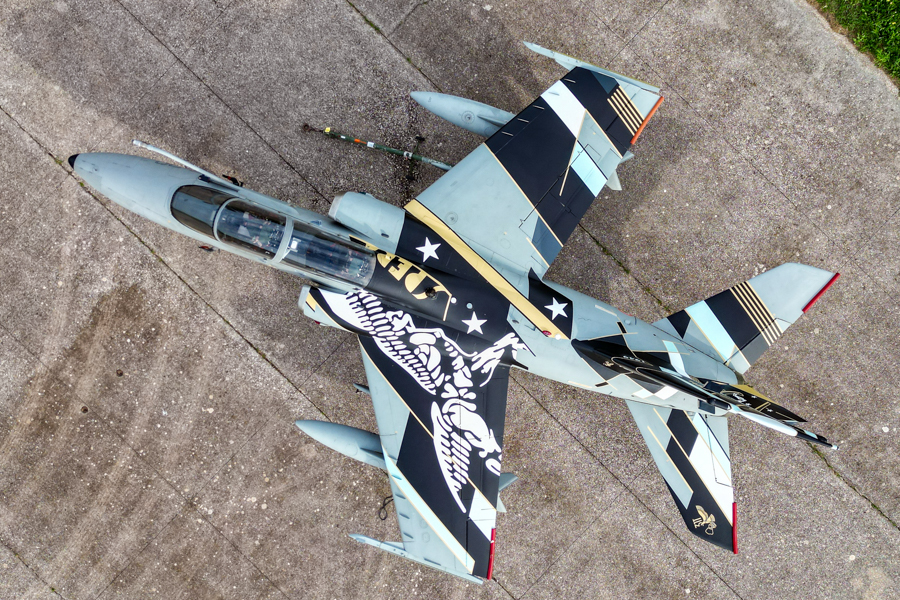
It was then officially presented to the public a AMX Special Colour, which, with its livery, will permanently represent the 75 years of the Department.
The livery chosen for this AMX Special Colour is born from the desire to redesign the lines of an aero-tactical jet aircraft, in order to represent the spirit of continuous renewal that animates the Experimental Flight Department.
Five oblique segments at the base of the tail, representing the five Squadrons of the Department. The three-arrow logo on the left side of the nose, recalling the AMX logo on its first flight. The sky-blue colour of some inclined stripes, the same colour as the Department's historical crest, also present, alongside the year of its inception, 1949. The gold colour, which highlights the number 75 and colours the word SPERA, symbolising excellence. Finally, the white Icarus, the colour of the “prototype”, which appears predominant on the tail along with the three stars: the wing extended towards the east, towards the dawn, towards new beginnings, indicating the Department's activity beyond the Earth's atmosphere and its inclination towards the future. It is a testament to an invaluable legacy that has forged and continues to forge the experimenters of yesterday, today, and tomorrow. At the base, the tricolour, the Italian flag, the symbol of the homeland, of history, of tradition.
the rally-goers were invited to affix their signatures to some Banner which will be indelibly applied to the aircraft, in memory of this splendid day.
The celebrations marking the 75th anniversary of the RSV concluded with the signing of the Golden Book by the Logistics Commander, who complimented all the Personnel and wished them continued success in the future.
Among the Departments dependent on the DASAS, the Experimental Flight Department has the task of supporting the Air Force Operations Departments through the experimentation, it development, the’integration and the Validation of new weapon systems or those that have been modified. In response, furthermore, to the changing geopolitical, social, and economic context, the RSV has given a significant boost to activities supporting Operational Units, essentially through the tool of operational technical certification which allows for the rapid and autonomous implementation of Technological solutions able to meet new requirements in hostile theatres.