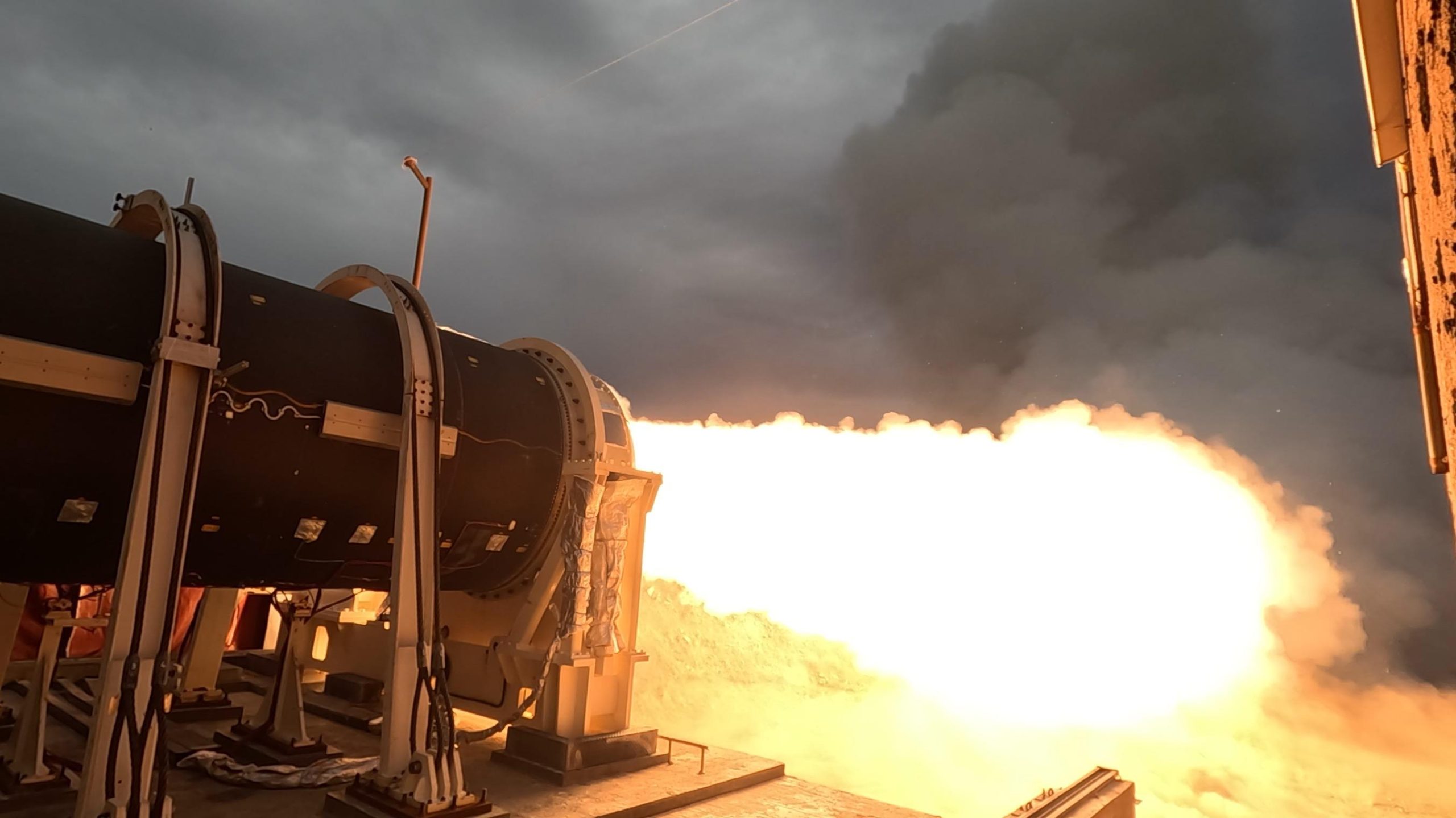
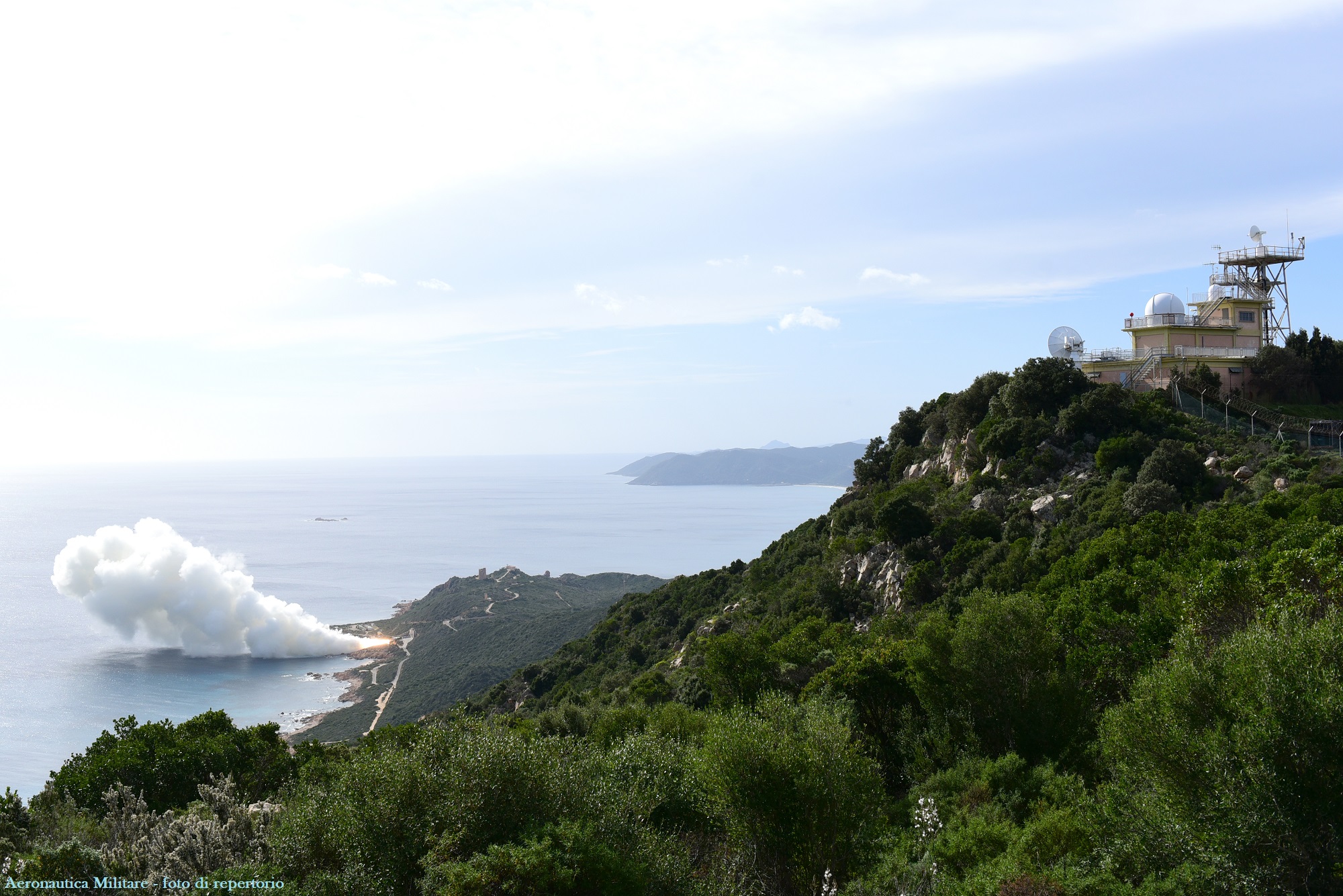
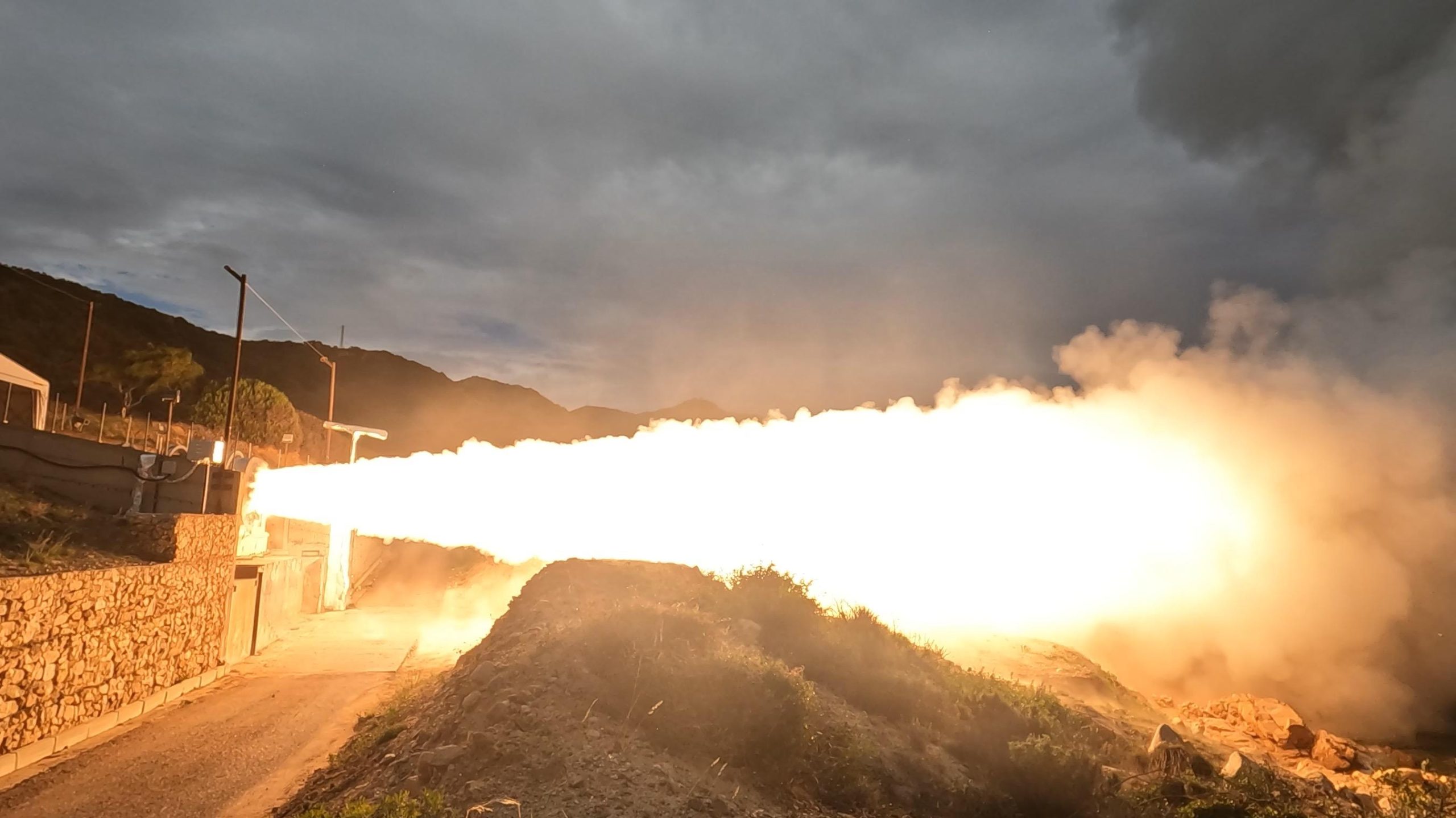
It was successfully held in recent weeks, at the horizontal static engine test bench inside the areas belonging to the Salto di Quirra Interforce Polygon (PISQ), the ignition test of the Zefiro-40 solid propellant motor second stage intended for Vega-C space launcher. The test, carried out by AVIO SpA, in fact, concludes a series of tests spaced out over time, which are fundamental for validating the performance of the newly redesigned nozzle.
The important success will allow, according to’European Space Agency (ESA), the launch of Vega-C by the end of 2024.
It is the most advanced engine of the “Vega” family, which is part of a fundamental project ensuring Europe's independent access to space and, with it, the capability to put satellites into orbit whose use has a direct impact on various fields of application.
It Ministry of Defence and the Italian Air Force, thanks to the availability of the sites at the PISQ, which are suitably prepared for carrying out motor tests in the aerospace segment in complete safety, ensure the satisfaction of the stringent testing requirements of the national industry, fostering its development through a long process of planning, coordination and execution of the tests. This Defence-Industry partnership is the basis for fundamental growth in the national technological sector and places the country system at the forefront in the main international forums, bringing to the fore excellences in terms of knowledge, manufacturing capability and scientific research.
Circumstances that align well with the established synergies that both Defence and the Italian Air Force have long since initiated at the level of the Sardinia Region (not least the collaboration that led to the creation of the SPTF site – AVIO Space Propulsion Test Facility), without excluding future areas of interest, also related to the well-established scientific research rooted in the Sardinian community, which may emerge in the common interest of the well-being of the nation.
The result follows the standards of this collaboration at various levels and represents a “social accelerator” capable of offering future new development opportunities. Access to space is strategic precisely because of its inherent ability to promote study and technological research, as well as the established collaborations between Defence and the academic world. The test of the Zefiro 40 motor Moreover, it concluded just a few days after the end of the Aerospace Festival, demonstrating the particular interest that the subject holds on the island and, in general, at a national level, in which Defence and the Italian Air Force are committed to the front line.
It CAMRAS. It ensures the territorial functions of the Air Force and the liaison with territorial/local bodies and administrations, guaranteeing the performance of garrison-type activities and forming the natural link between the Armed Force and local government bodies. Furthermore, it cooperates with local authorities in the organisation and management of public disaster situations as well as necessity situations. For the performance of its garrison-type functions, the C.A.M.R.A.S. makes use of the R.S.S.T.A. in Decimomannu as well as all Air Force Bodies located in the RAS territory.
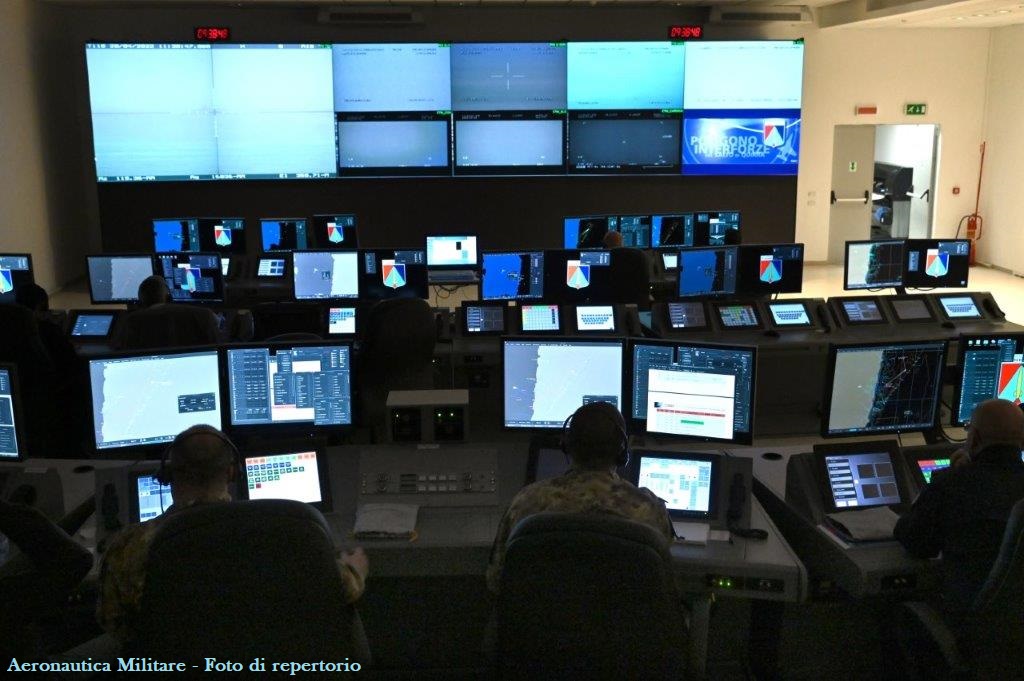
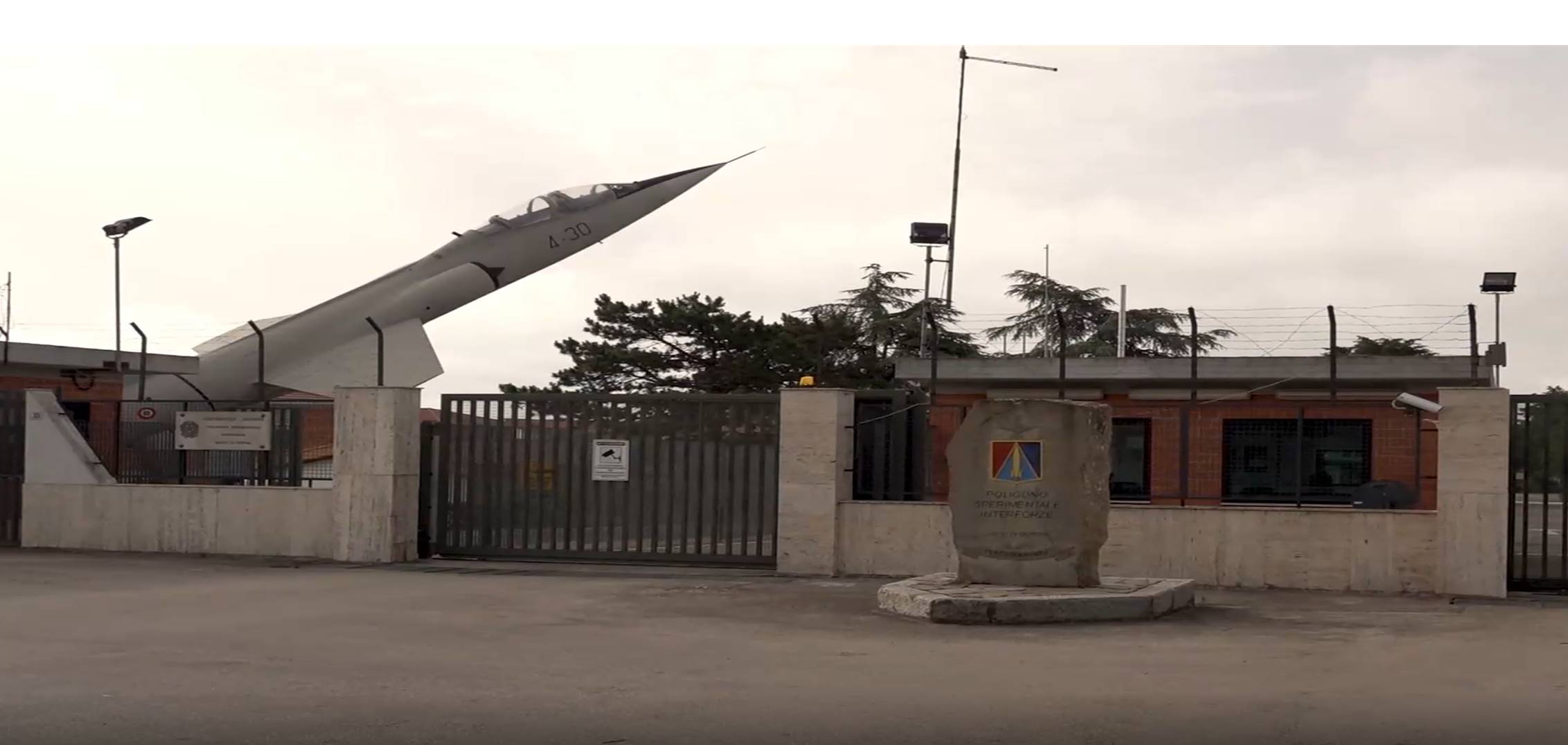
It Salto di Quirra Joint Interforces Experimental and Training Polygon (PISQ), It ensures advanced integrated and multi-domain training for national and foreign Armed Forces, as well as hosting experimental trials, testing and development of prototype and experimental systems, and collaborating with national scientific and university bodies, foreign industrial entities, and civil societies operating in the defence sector and beyond. It encourages the development of collaborations in the space sector and, with sensors deployed in its territory, is an integral part of the European programme for space debris monitoring, known as Space Surveillance and Tracking (SST).