The activities organized by the ASTRA training unit continue to deepen knowledge and skills in the aerospace domain
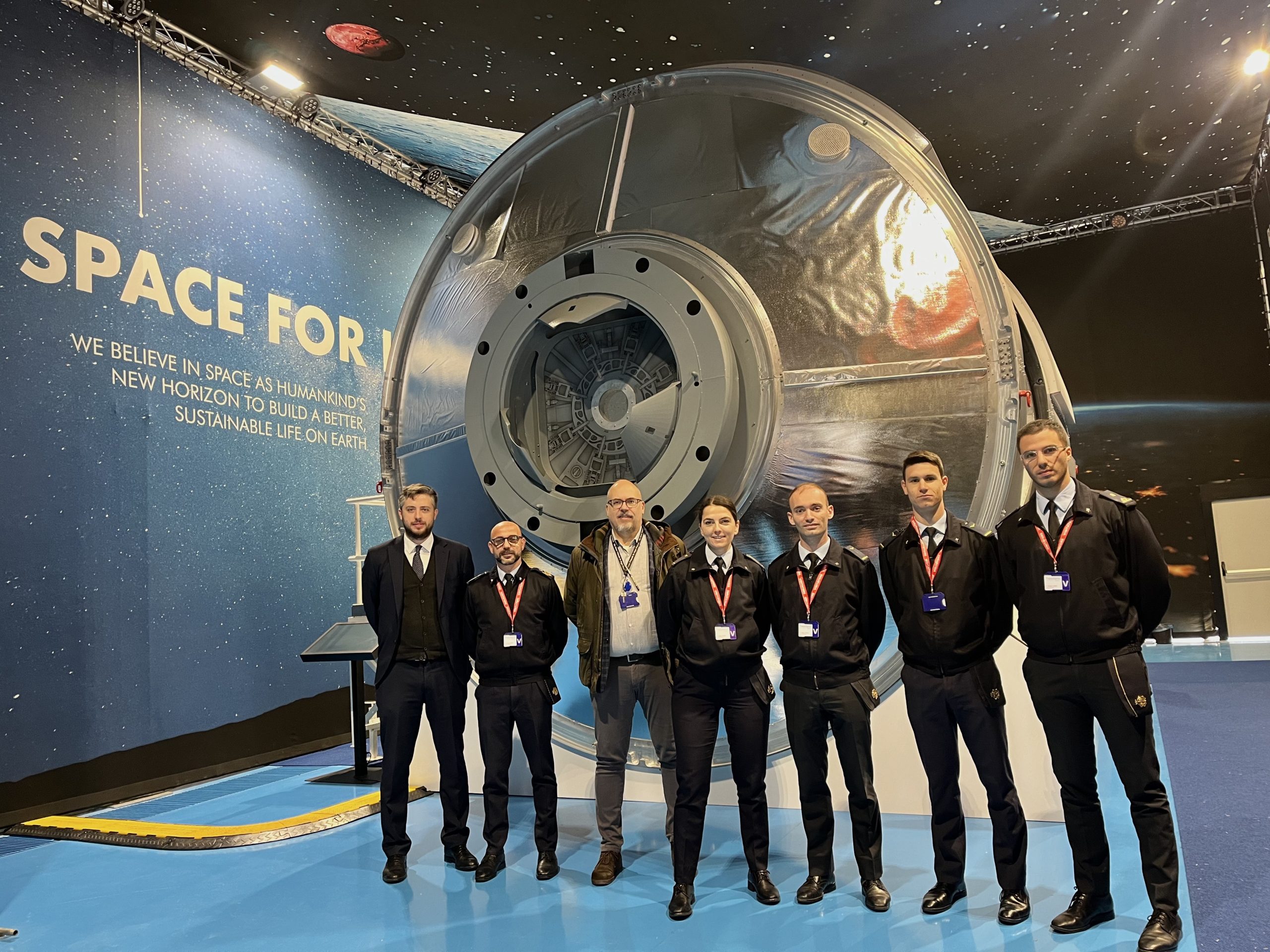
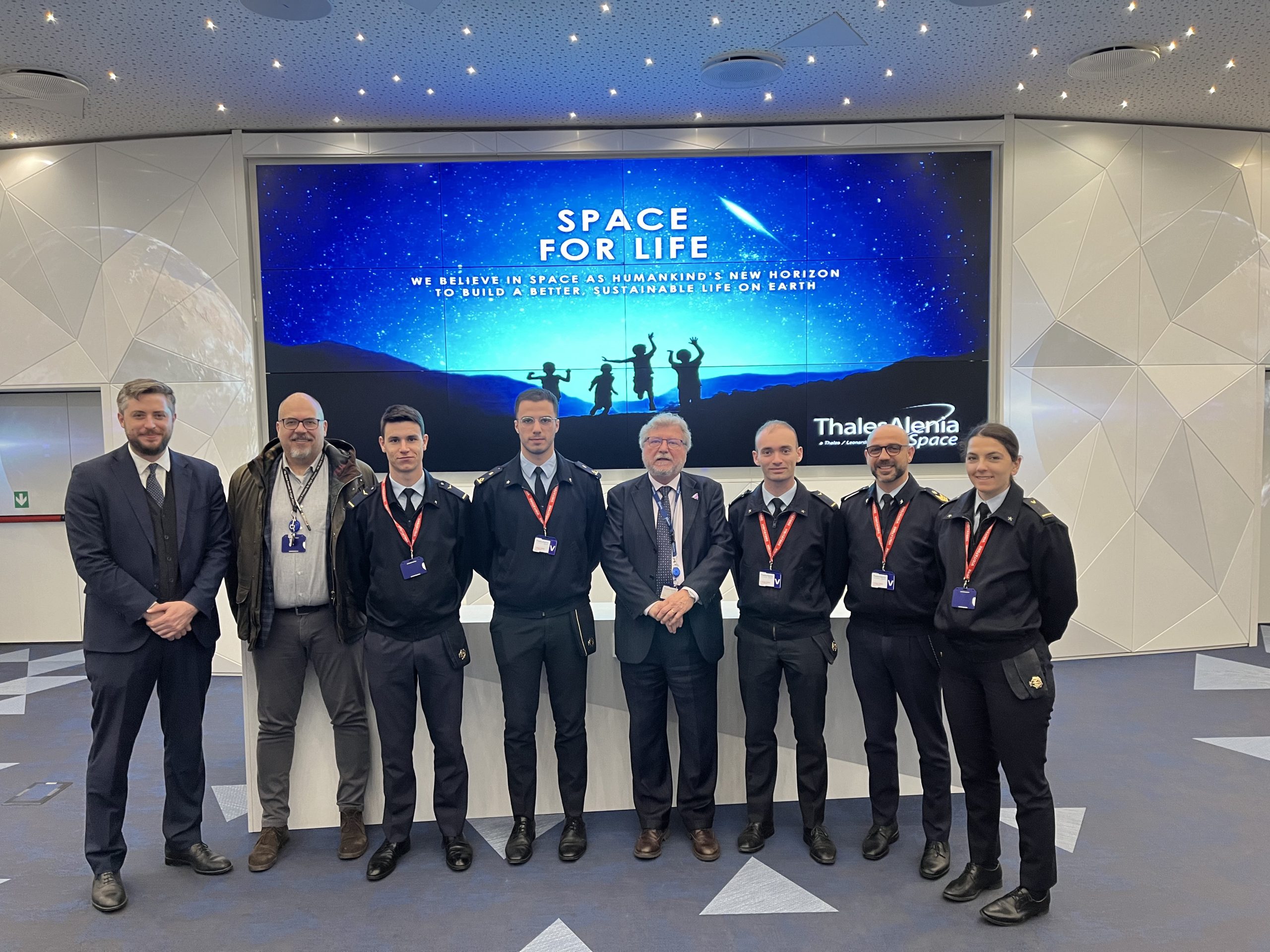
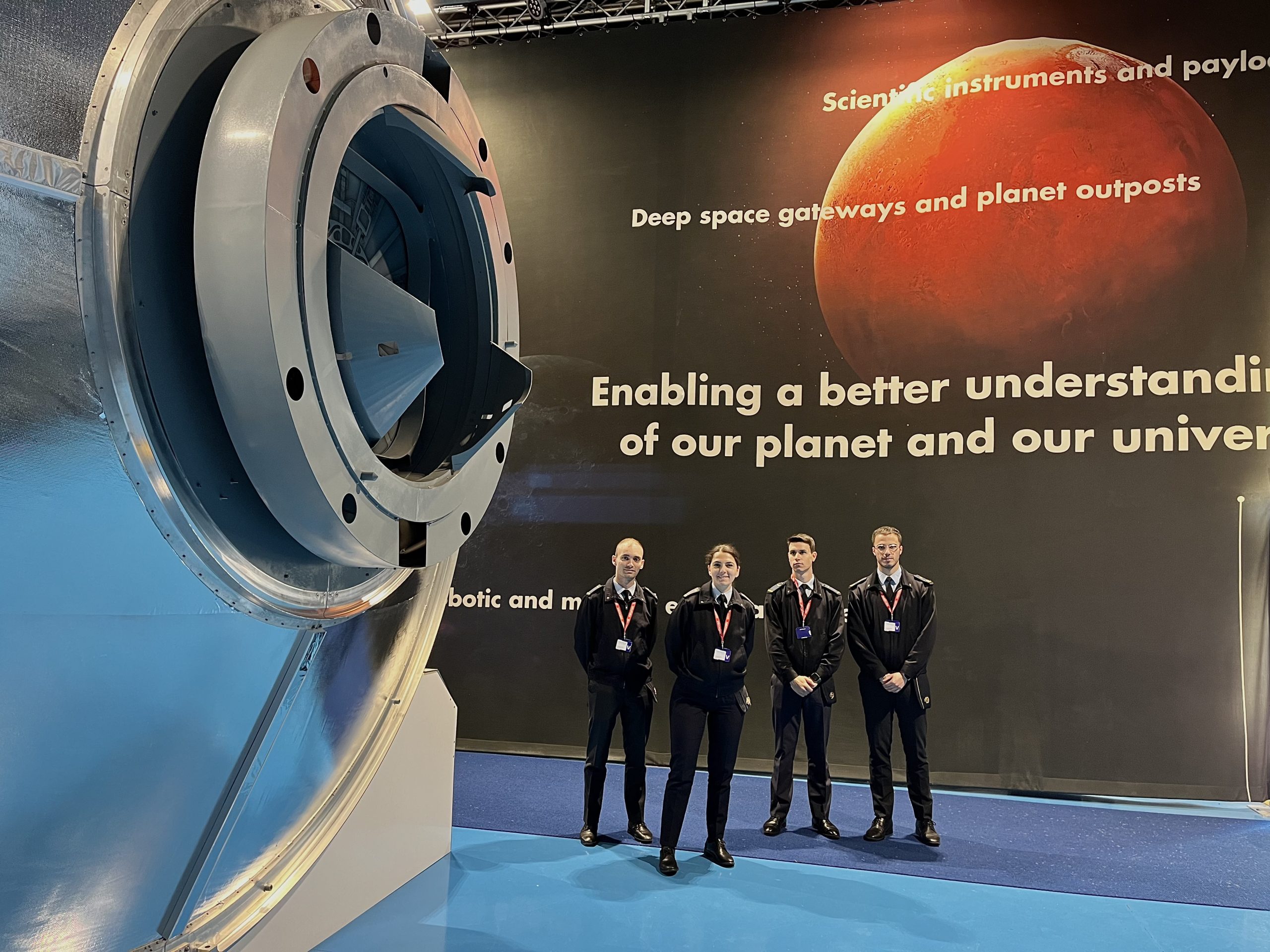
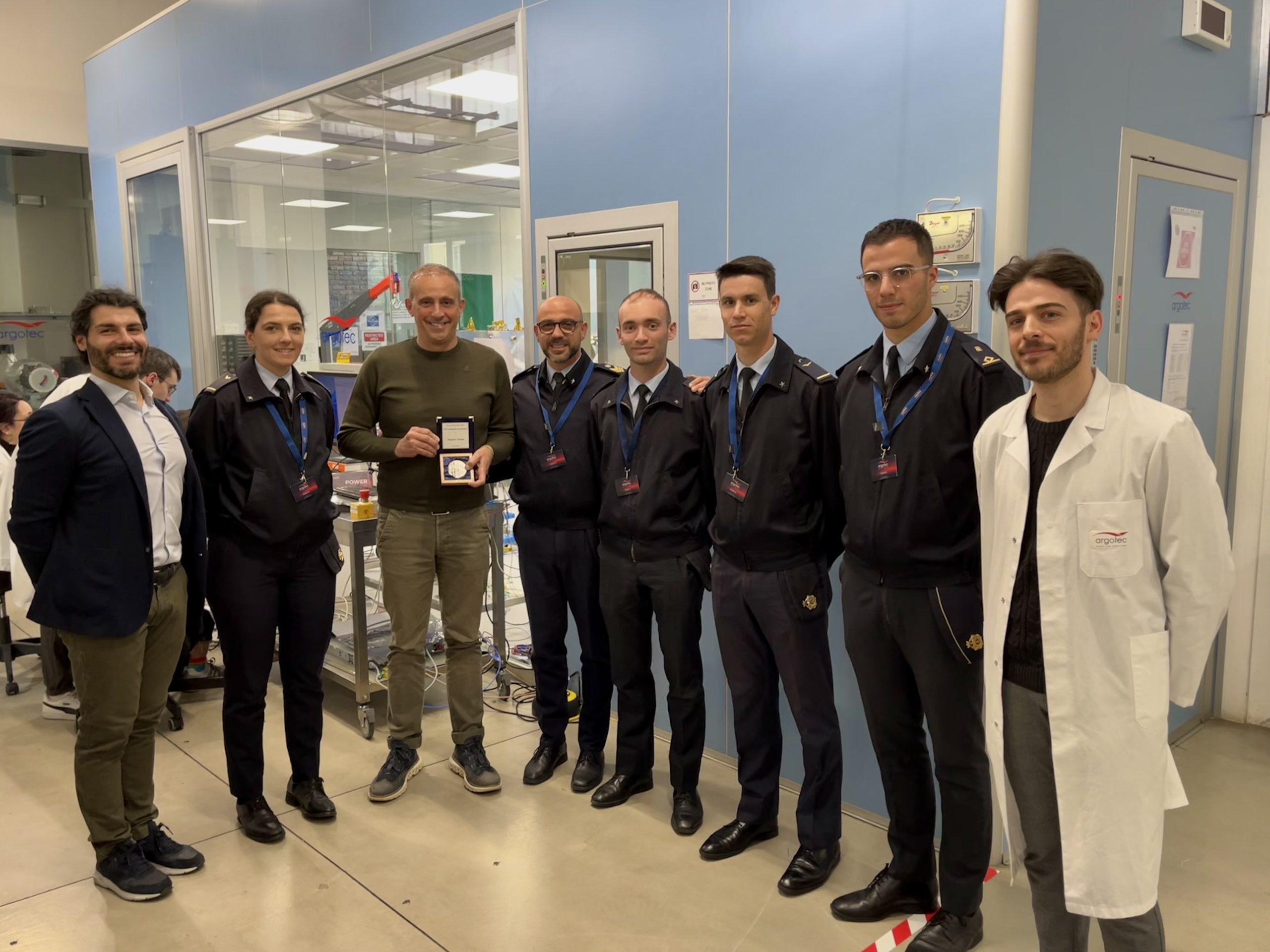
On April 23 and 24, a delegation of participants in the 3rd and 4th Normal Courses of the Aeronautical Academy had the opportunity to visit the Turin locations of Argotec e Thales Alenia Space, Key companies in the space sector and testimonies to Italian excellence worldwide. These visits, particularly engaging and stimulating for young attendees, are part of the extracurricular activities organized by the Training Unit. ASTRA (Academy Space Team for Research and Aerospace Studies) of the Aeronautical Academy to deepen knowledge and skills related to the aerospace domain.
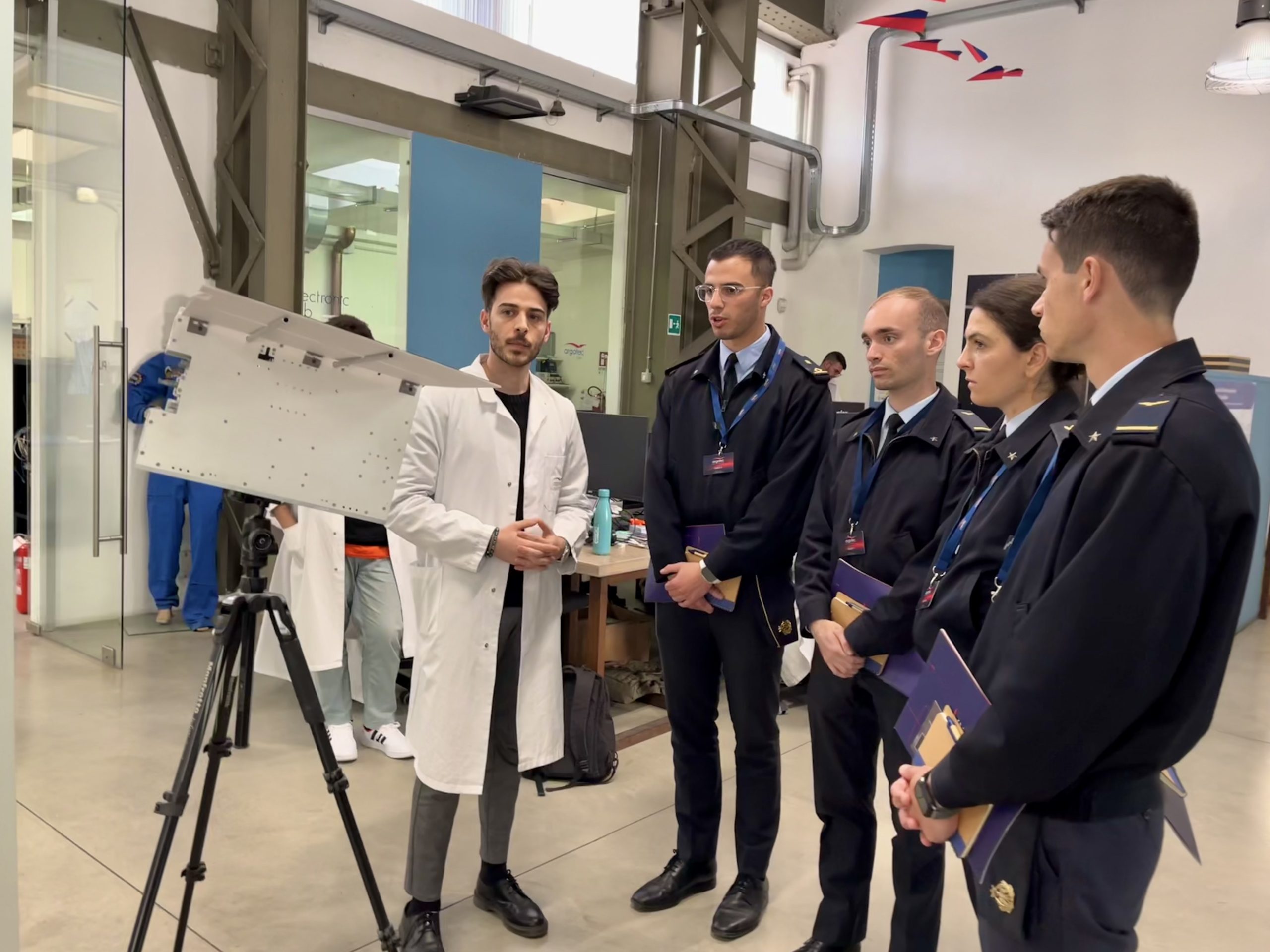
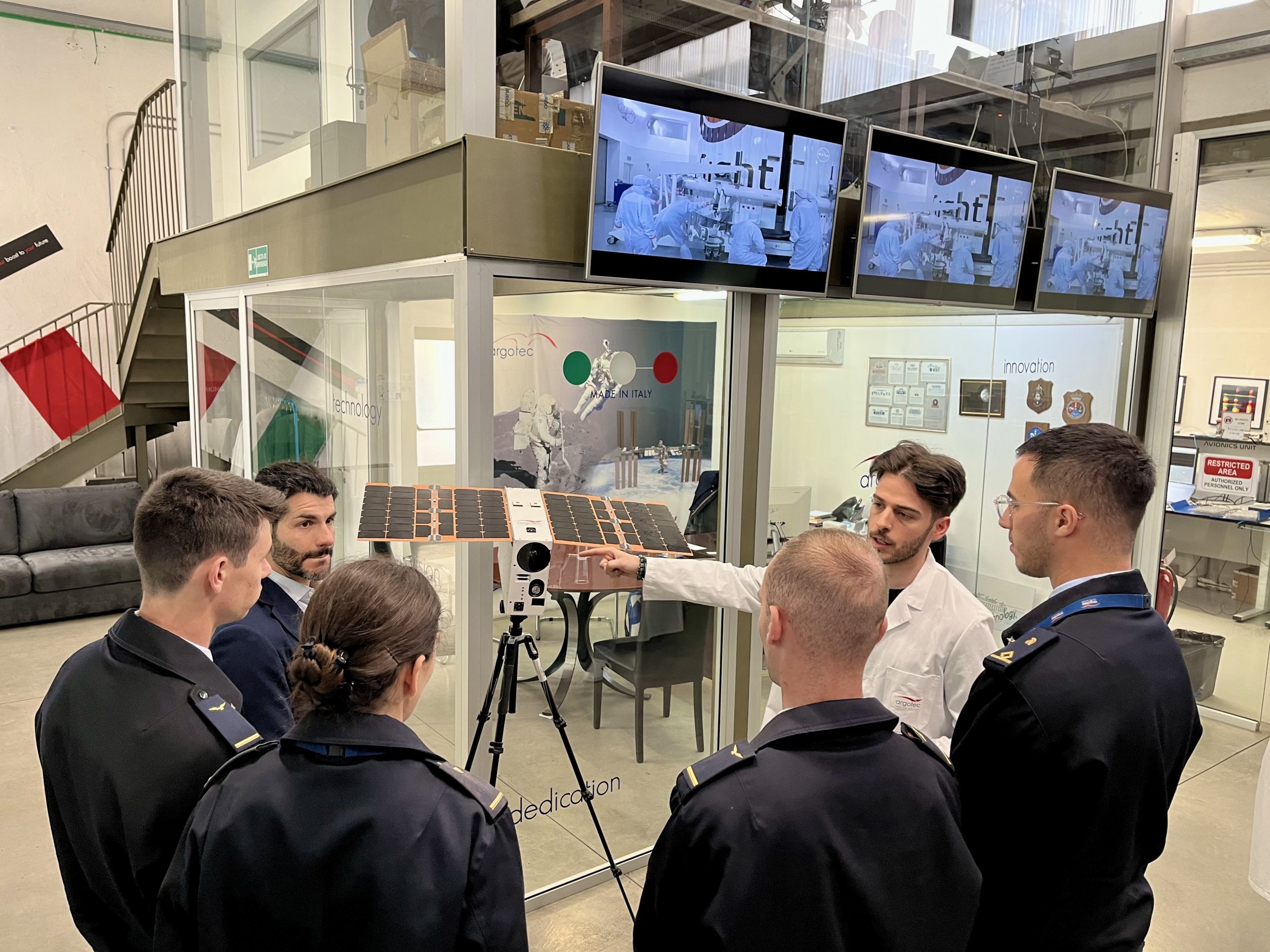
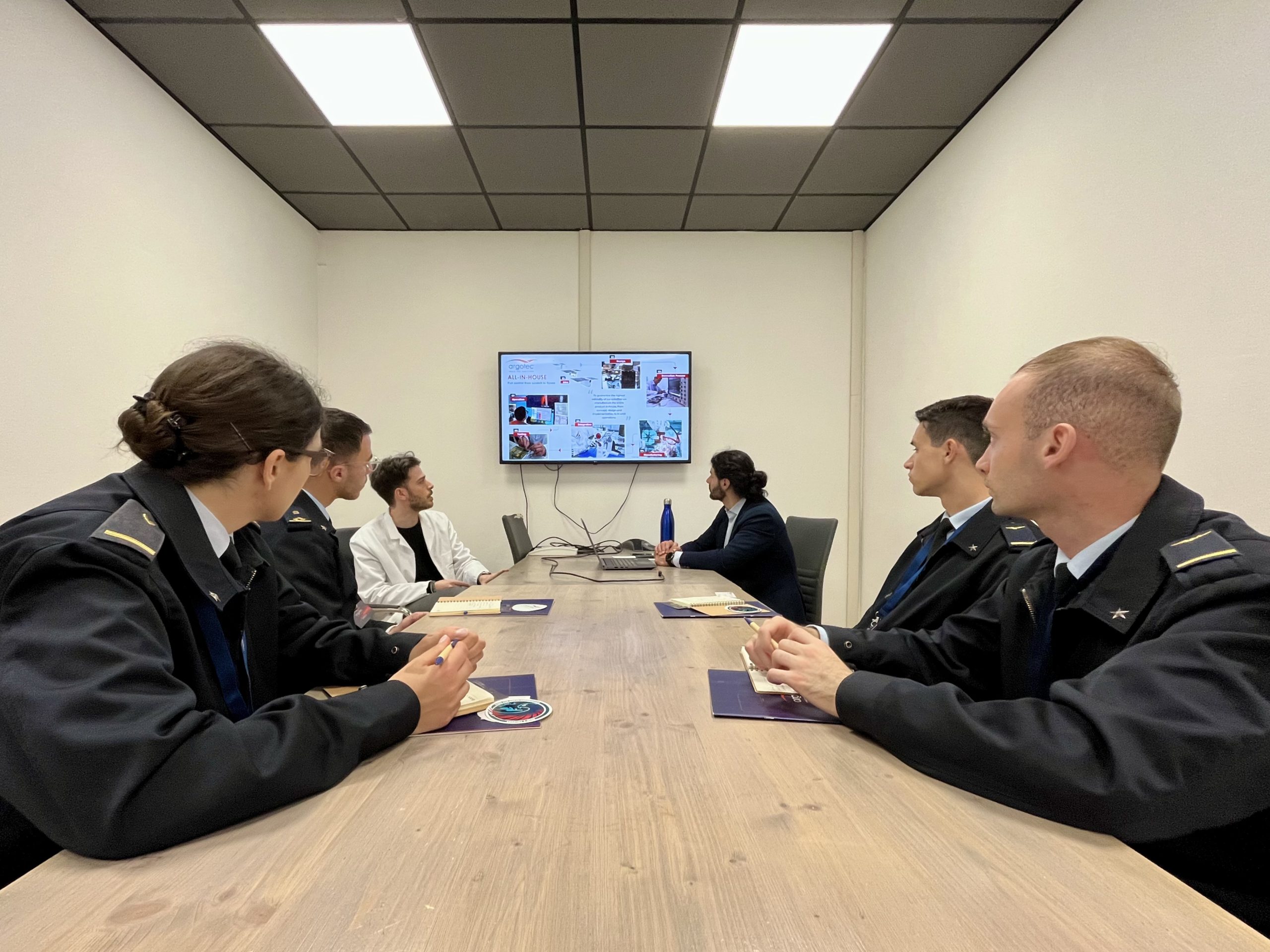
On the first day of the visit, the delegation visited the Argotec company, a company founded in Turin in 2008, known for the production of small satellites - usually less than 100 kg - that has taken part in numerous missions of international importance and is led by prime contractors ASI, ESA e NASA. The visitors had the opportunity to meet technicians and engineers who presented them with the company’s special features, from production to sales. indoors of the members involved in the direct management of the missions, which have enabled them to become a reality of absolute importance in the international landscape. Among the most significant activities carried out in recent years by the company, of particular interest was Argotec’s participation in “LICIACube”, an integral part of the DART mission (Double Asteroid Re-direction Test) of NASA, recognized as the mission of the year 2023 by the AIAA (American Institute of Aeronautics and Astronautics), whose objective was the first real-scale test of the kinetic impact technique for planetary defense purposes.
The delegation then moved the next day to the company Thales Alenia Space Italia, a global excellence born in the 1950s. Here, the visitors discovered a manufacturing company at the forefront of space infrastructure, especially for its leading role in the design, construction, and integration of the International Space Station. Currently, among the various missions in which it is involved, the most important are the NASA ’Artemis“ program, which aims to build the space station in orbit around the Sun ”Gateway“, and the ”ExoMars“ mission, with the rover ESA’s rover is equipped with a special drill that will allow it to collect samples of Martian soil at a depth of 2 meters, thus avoiding contamination due to the radiation from the Red Planet.
These samples will then be studied at ALTEC. (a public-private company owned by Thales Alenia Space), where the visit of the visitors continued; this center is of particular interest because it reproduces the surface of Mars in order to obtain increasingly accurate experiments, tests and results.
The’Air Force Academy It depends on the Command of the Schools of the Military Air Force/3rd Air Region; it is a military institute of higher studies of a university nature that has the task of providing for the recruitment and training of young people aspiring to become Officers of the Military Air Force. By attending the Regular Courses of the Academy, one can become Sublieutenants in Regular Service with the Air Force, in the Normal Navigation Role (pilots) and in the Normal Role of Weapons, Aeronautical Engineering, the Corps of Commissariat Aeronautico and the Air Medical Corps. Furthermore, the Institute also offers Courses for Trainee Officers Pilots and Complementary and Fixed-Term Navigator Courses; and Sublieutenants by direct appointment (both in the Normal Role and in the Special Role); finally, in the Study Plan of the Academy, courses of a specialized aeronautical nature are provided for foreign personnel and for other Armed Forces.
ASTRA (“Academy Space Team for Research and Aerospace studies”) It is one of the four training units active at the Air Academy in order to deepen knowledge and skills related to the aerospace domain. This is done through extracurricular activities (visits, conferences, participation in challenges, etc.) that complement the traditional training courses, thanks to a network of stakeholders belonging to university, industry and research organizations.