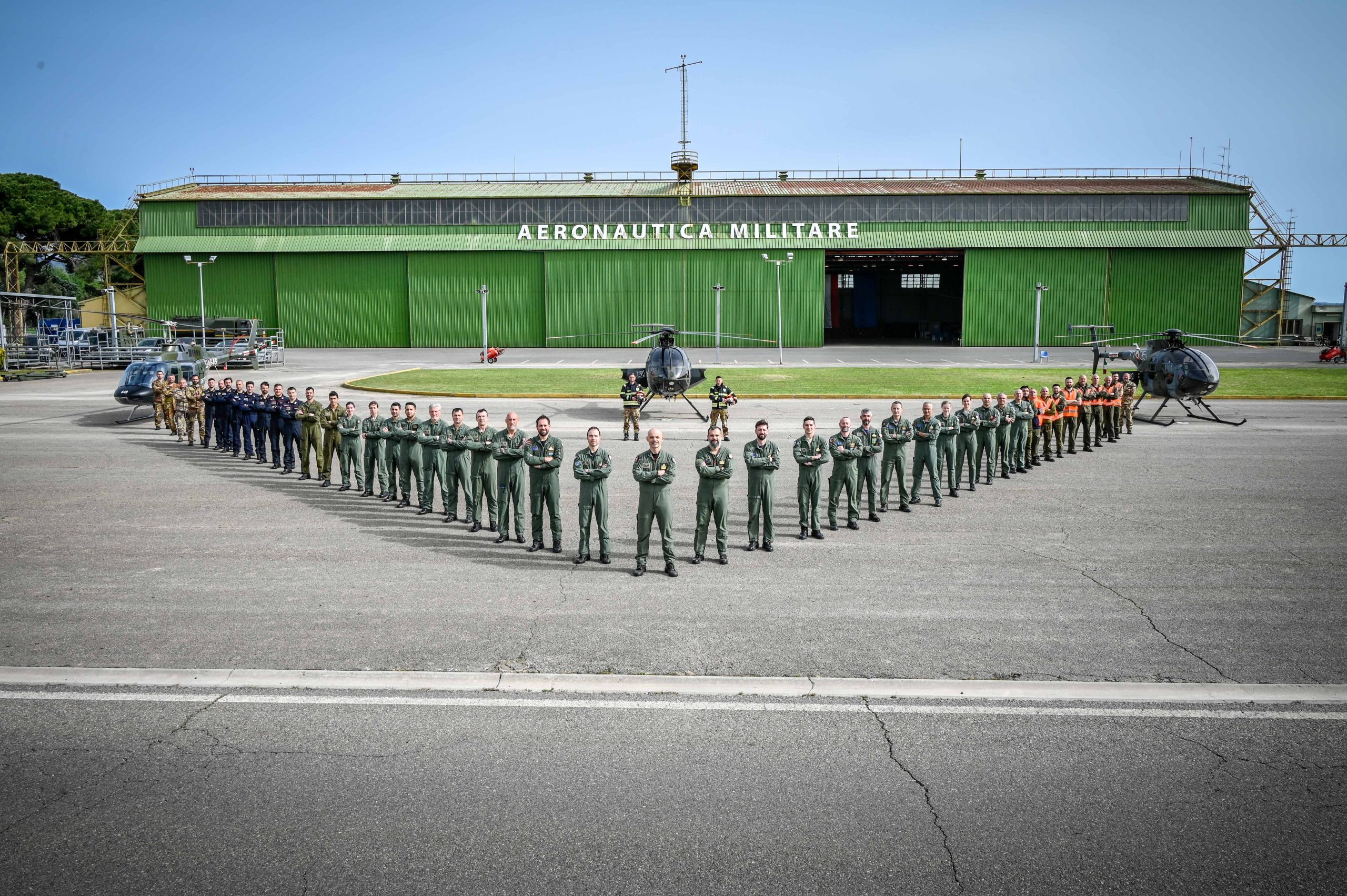
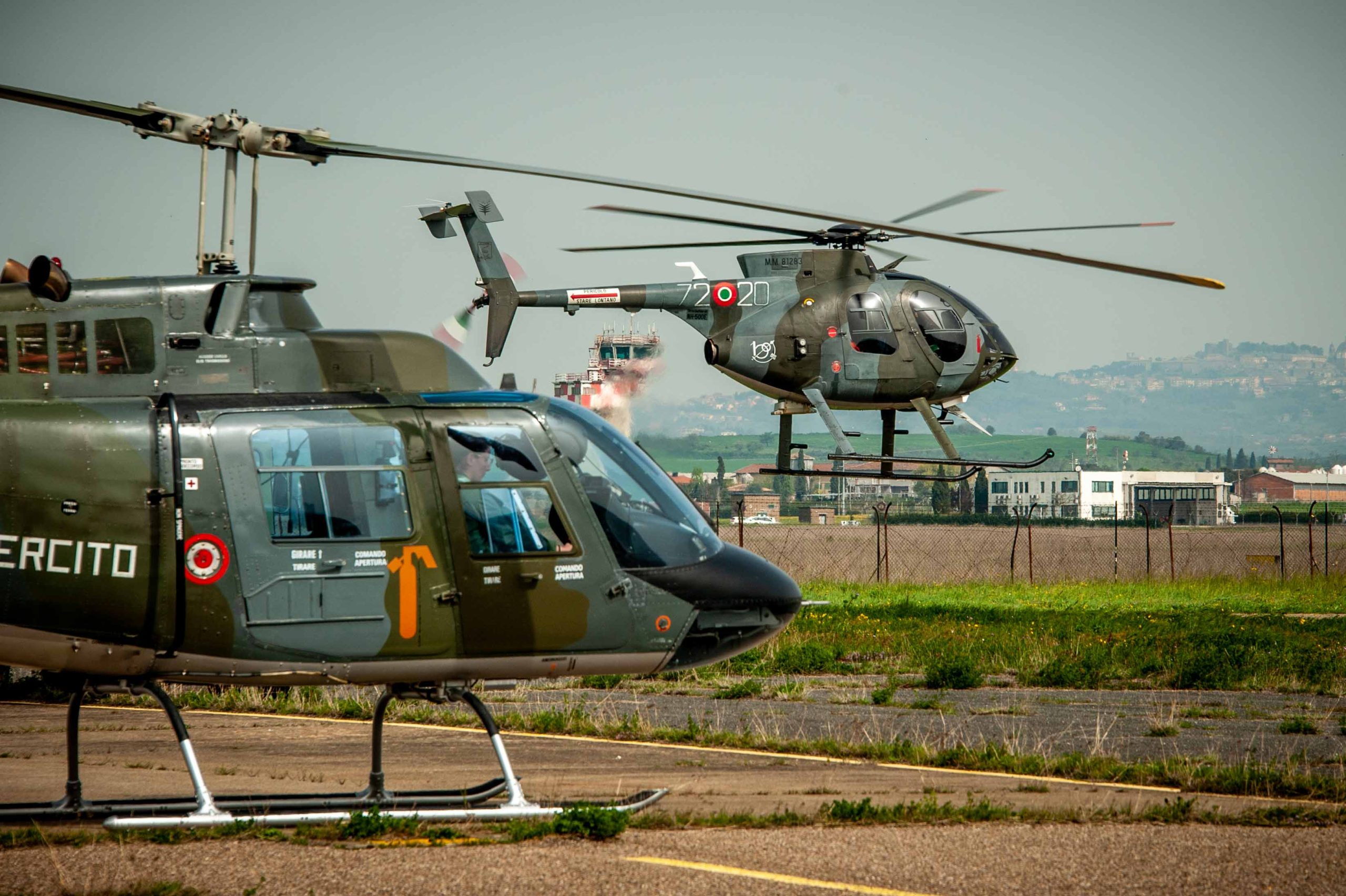
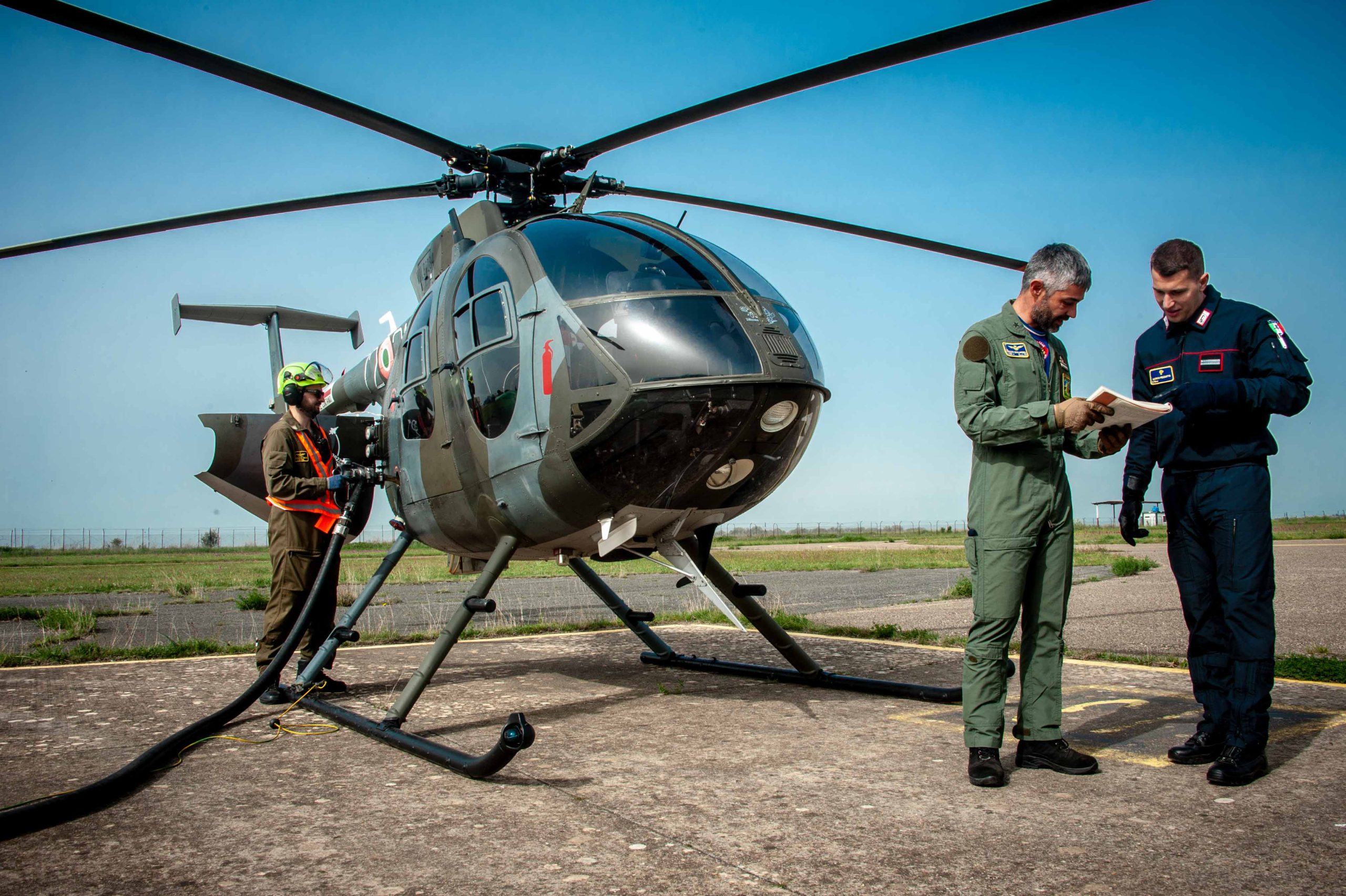
The “Cross Tuscia” exercise also made it possible to integrate all the logistical-operational support components of the 72nd Wing and the Viterbo military airport.
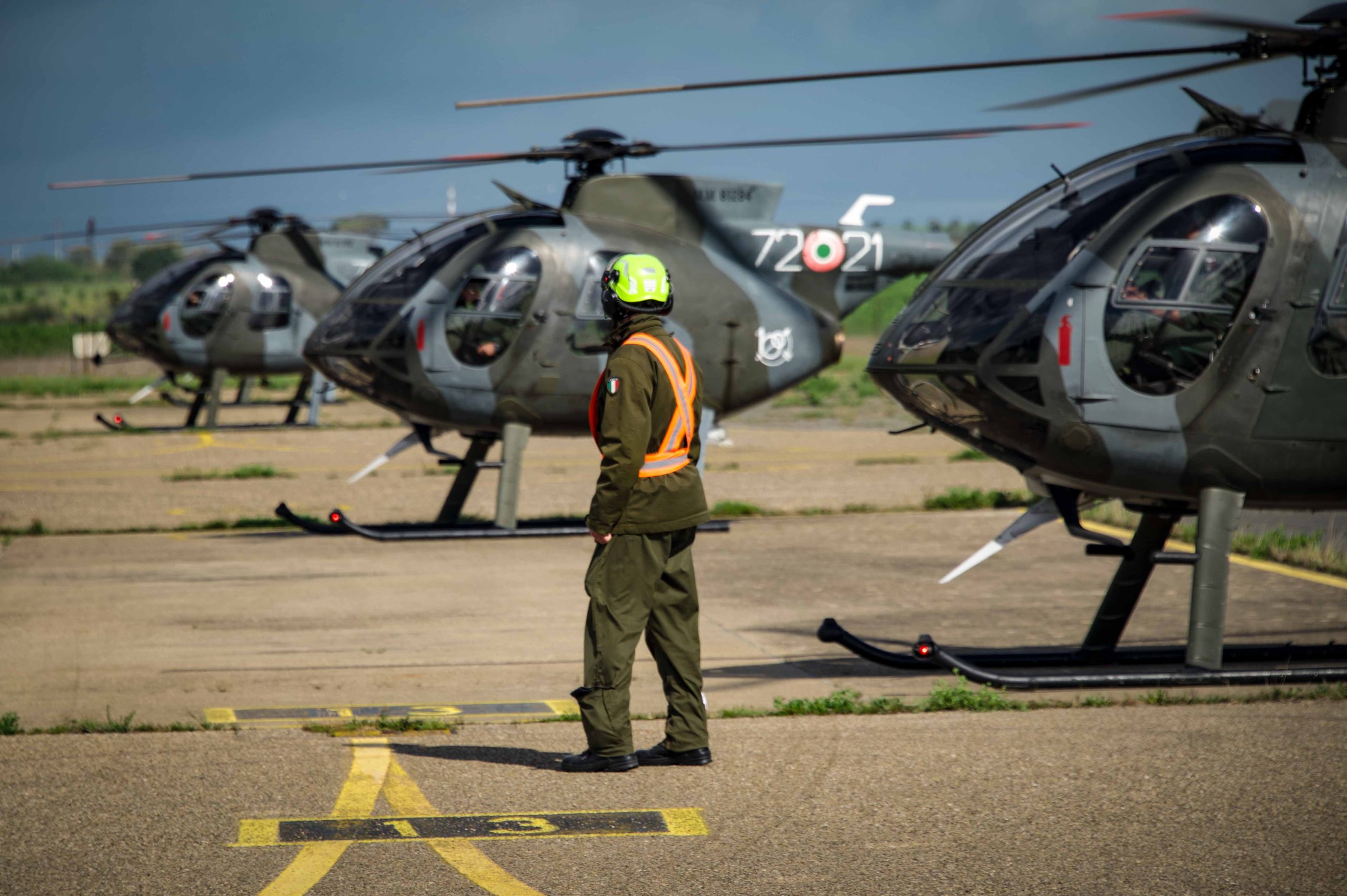
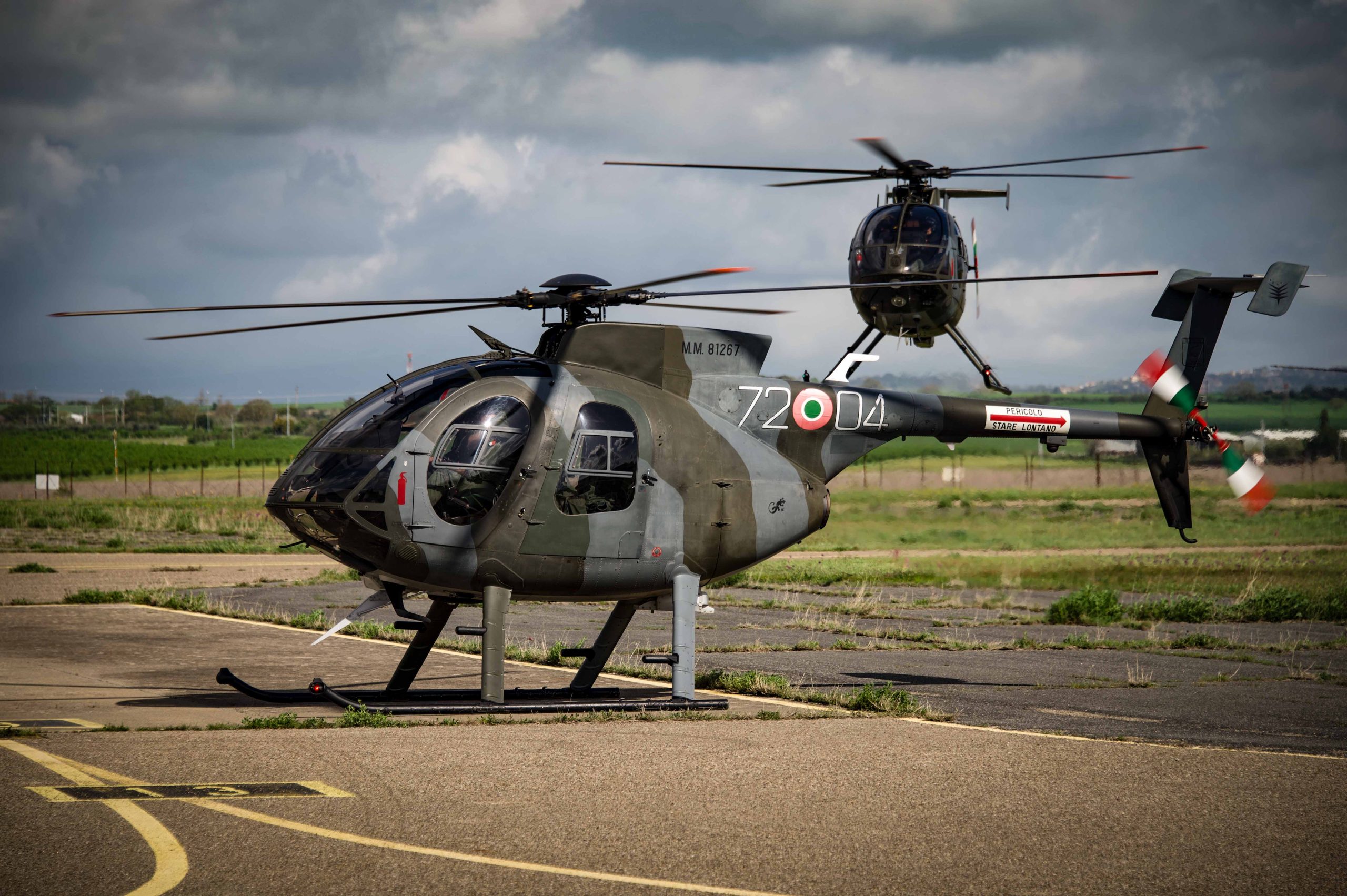
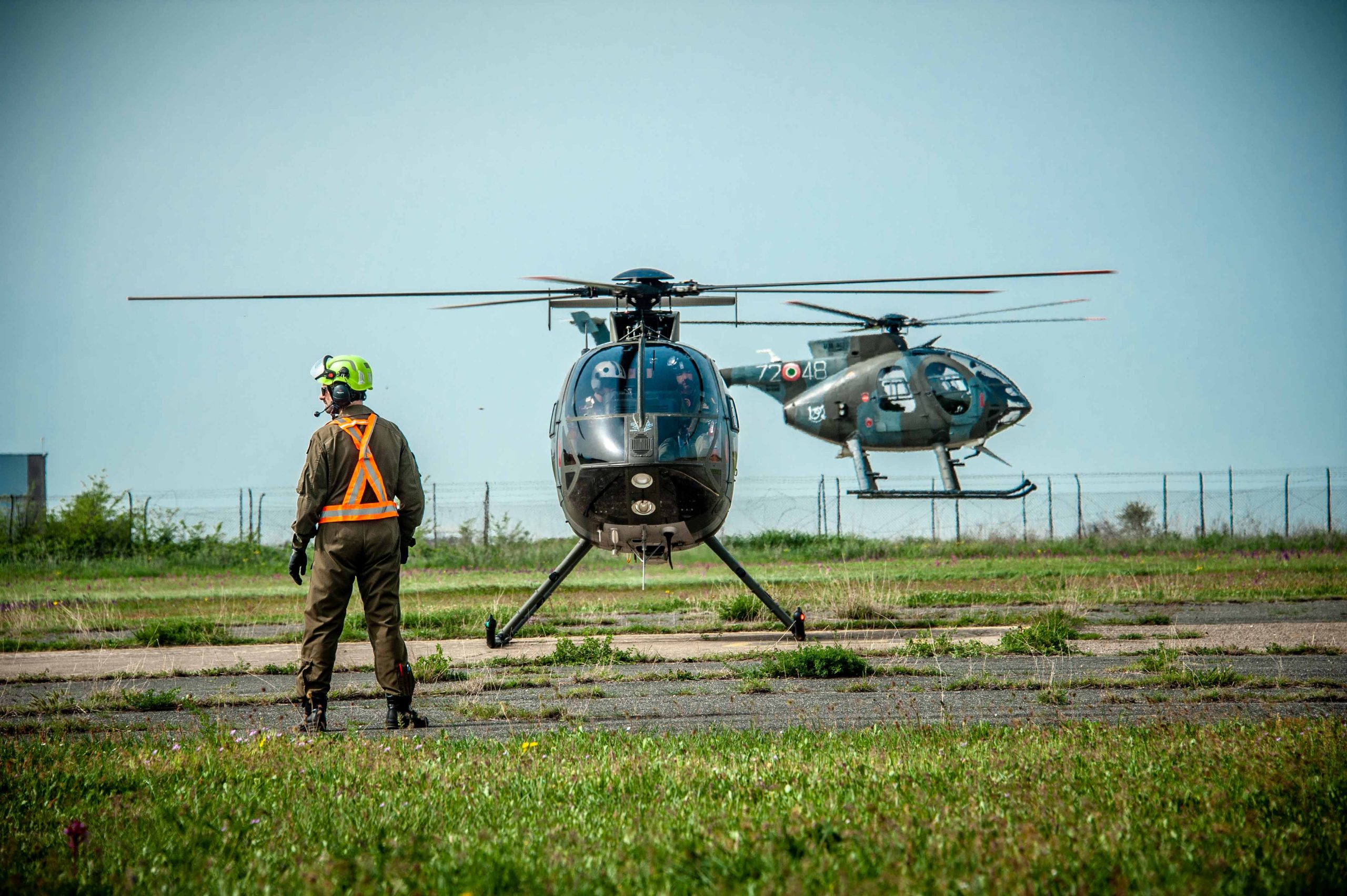
Six TH-500B helicopters from the 72nd Wing, followed by a team of instructors, personnel, and students from rotary-wing piloting courses, carried out a series of training missions last week at the “Tommaso Fabbri” military airport in Viterbo. This airport is home to the Air Force's Maresciallo School/Viterbo Airport Command and the Army Aviation Training Centre, which also took part in the exercise with two RH-206C helicopters and personnel from its department.
The objective of the activity, named “Cross Tuscia”, was to conduct training away from the permanent base, technically defined as an “unfamiliar environment”, with training mission profiles of both basic and advanced types, such as instrumental flights, formation flying, navigation, and low-level flight.
The 72nd Wing of Frosinone, the only rotary-wing school in Italy, is the department that trains helicopter pilots for the Air Force, other Armed Forces and State Armed Corps, as well as foreign attendees. The joint and inter-agency synergy, developed in the field of training at the Frosinone Helicopter School, is part of the ongoing improvement of training and the simultaneous optimisation of resources, also in view of the transfer of the 72nd Wing's flight school and the consequent establishment at Viterbo military airport of a new helicopter school led by the Air Force and with a joint Air Force-Army designation.
The Air Force Marshal School/Viterbo Airport Command reports to the Command of the Air Force Schools and the 3rd Air Region of Bari. The Department has a dual mission: on one hand, as a university-level institution, it is responsible for the military and moral training and specific professional instruction of Marshals, as well as the development and updating of such training; on the other hand, as a military airport open to civilian traffic, it provides technical-operational support, air traffic services, and force-protection activities at the Tommaso Fabbri Airport.