Following the meeting with the Italian Space Agency held in Rome, the Air Force meets the companies involved in the Voluntas mission.
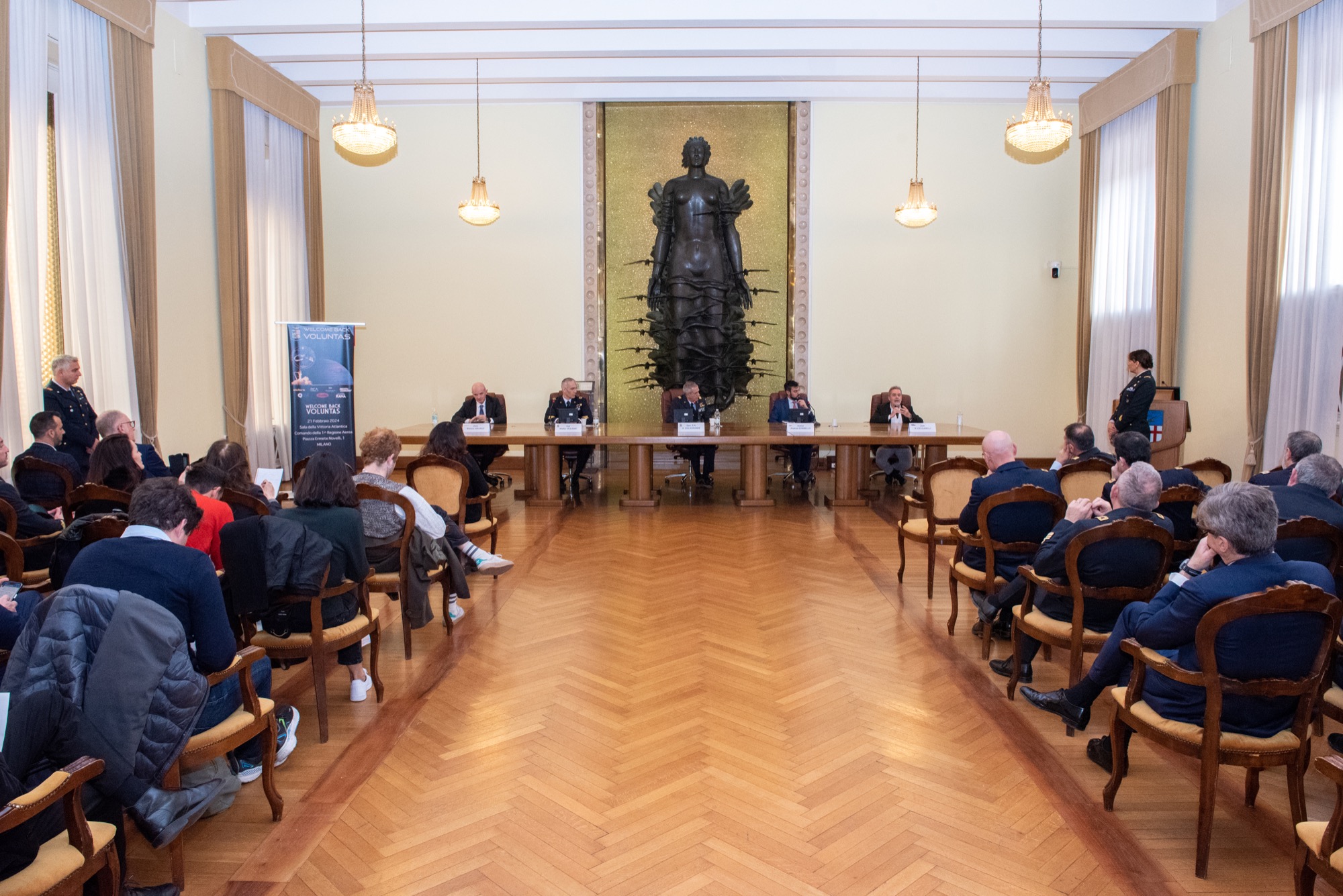
Wednesday 21 February, at the Atlantic Victory Hall of 1st Air Region Command, The Italian Air Force has organised a second event to bid farewell to Colonel Walter Villadei, recently returned to Earth, this time involving the commercial realities involved in the mission Ax-3 Voluntas, aboard the International Space Station.
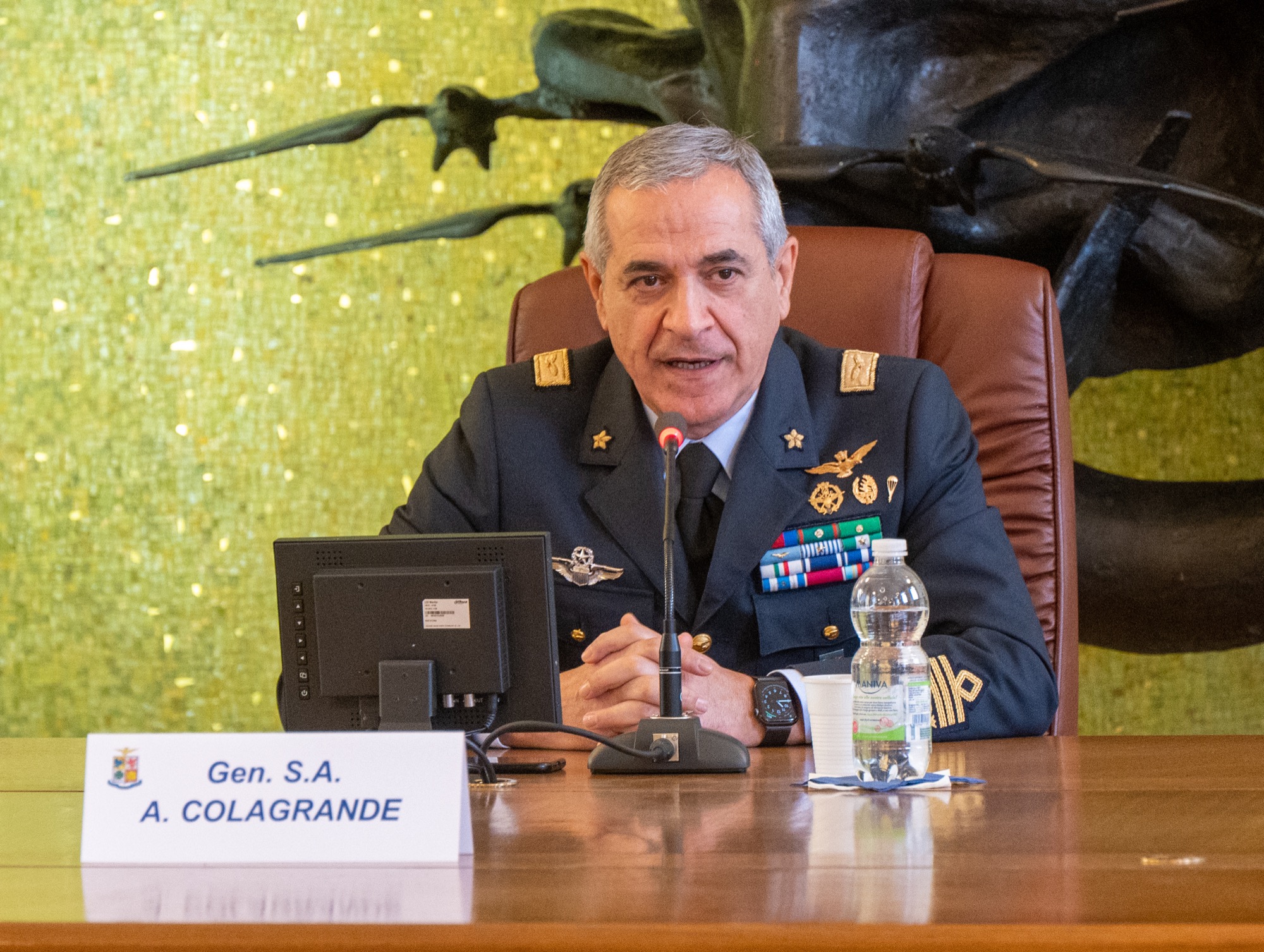
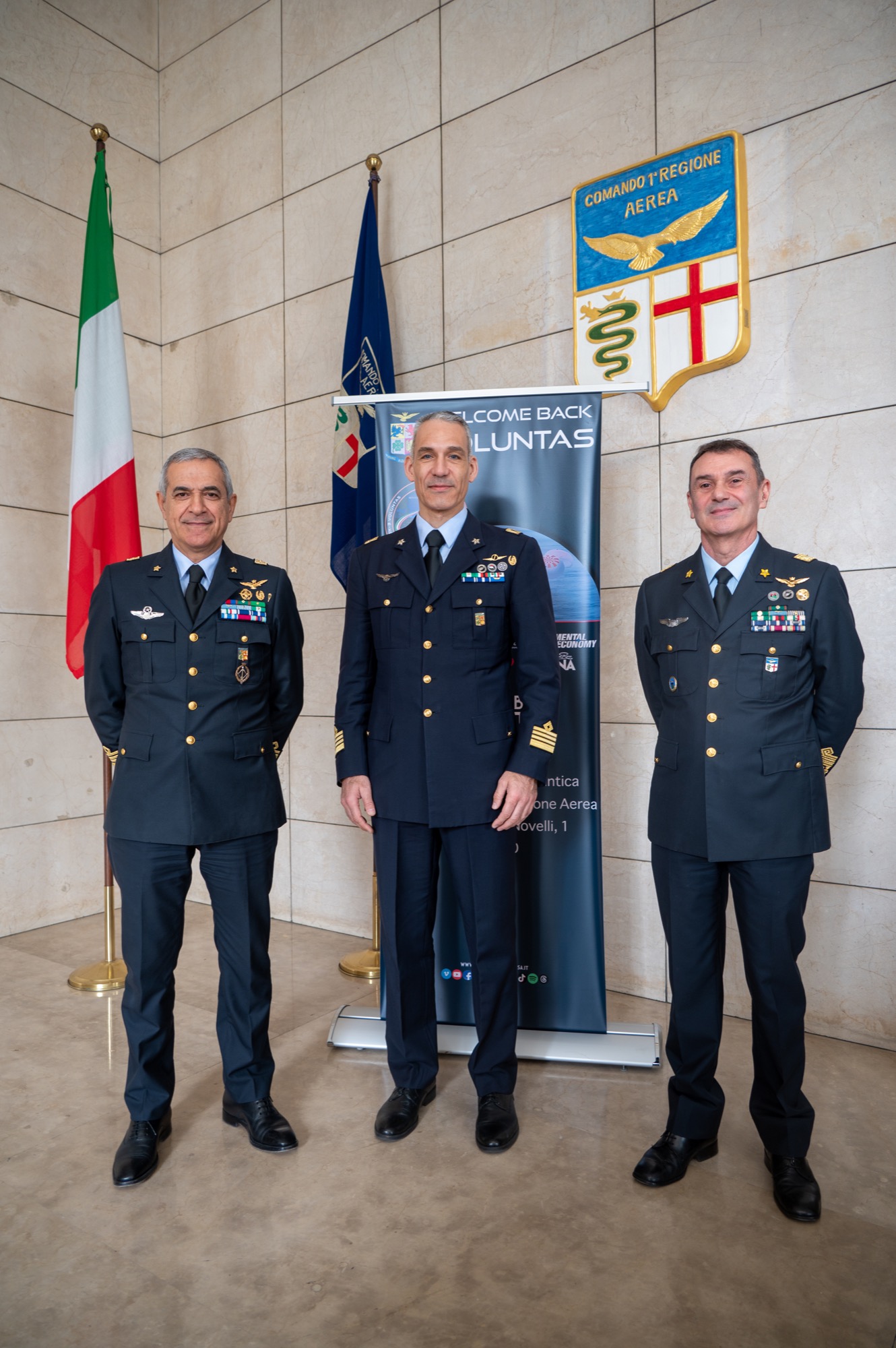
In addition to Colonel Walter Villadei, General Squadra Aerea Aurelio Colagrande took part in the meeting, Deputy Chief of Staff of the Air Force, Air Marshal Francesco Vestito, Commander of the 1st Air Region, and the representatives of the mission's partner companies, including Spaceware, Rea Spazio, Dallara, GVM Assistance, Mental Economy and Barilla.
In his opening speech, the General SA Francesco Vestito he recalled that “The 1st Air Region has administrative, logistical and functional responsibility over an area stretching from the Marche upwards, a territory where collaboration between the industrial and economic fabric and institutions is strong, making a difference in state security. Hosting this event here today is a source of pride because it consolidates the commitments of our command and its marvellous staff, made up of just a few hundred people, contributing to the country's space policy and that of the Air Force.”.
“Milan is a key stop on Colonel Villadei's post-flight tour.”highlighted in their speech the Gen. SA Aurelio Colagrande, “because here in Milan there are so many centres of excellence and businesses. The Air Force has played a fundamental role in the success of this mission. We have been coordinators and facilitators, bringing together important realities in the fields of research, institutions and the private sector. Our expertise dates back a long way, with the sixtieth anniversary of the launch of the San Marco-1 satellite being celebrated this year. We have accumulated a great deal of expertise and today our role is to ensure that this expertise can be used by those who are the new players entering this sector, namely businesses. We must ensure that Italy, as a Country System, can play a significant role in Space, not only in Europe but in the world.”.
It Colonel Walter Villadei, who spent about three weeks in orbit, recounted the journey that allowed him to reach the International Space Station, after a long period of training: “I want to thank the Air Force and all the entities present here, which bear witness to the many activities we have carried out together. From the early 2000s, the Air Force, with great foresight, began to look at Space with renewed interest, with the same spirit of innovation and insight that accompanied the Armed Force 60 years ago in the extraordinary undertaking of the San Marco program.”He then wanted to highlight that “Today, those intentions have led to the architecture of a completely new mission, through collaboration between government institutions, the Ministry of Defence, the Air Force, as well as the scientific and academic world, the Italian Space Agency and industry, which represent a cross-section of our excellences and our Made in Italy. This innovative framework will promote Italy's presence in Space, with a view to innovation and scientific and technological research.”Villadei also explained: ”In this context, the Air Force provides the figure of the astronaut, who requires extensive training that begins at the Academy, where, in my case, I embarked on a new path to become a Space Engineer. The training is a demanding process and can follow different routes; it doesn't just involve following procedures but, above all, teaches one to think in operational terms, which enables the successful completion of assigned tasks and experiments.”.
The Ax-3 mission It took off on January 18th from NASA's Kennedy Space Center in Cape Canaveral, Florida, and returned off the coast of Daytona, also in Florida, on February 9th. The mission represented a strategic opportunity for Italy to continue promoting its commitment to safe and effective access to space, while also offering the country a chance to enhance its scientific, technological, and operational expertise related to human space activities. This was achieved through microgravity experiments promoted by the Ministry of Defence, via the Air Force, and the Italian Space Agency (ASI), in coordination with research centres, universities, and industry.
Milan's connection to space is very close, especially concerning scientific, medical and healthcare experiments involving the Armed Forces and the city's academic and healthcare institutions. These studies focus on the effects on humans of microgravity and other space conditions, such as cosmic radiation, UV rays, and oxidative stress, with the aim of identifying and testing countermeasures for accelerated cellular ageing processes. The continuation of these space-based research efforts, some of which began on the previous sub-orbital mission VIRTUTE-1 or other studies such as the TORNADO project (Omics Techniques and Neural Networks for the development of predictive models for risk), could provide – in addition to discoveries for studying the increase in human performance in atmospheric and space flight – the opportunity to develop new healing therapies aimed at slowing down the conditions that give rise to oncological degenerative diseases that are particularly widespread in modern society.
The challenge that the Air Force is facing in this field, through its Health Institutes including the Aerospace Medicine Institute of Milan Linate, is the creation of a stable and secure research technology platform, where researchers and scientists from diverse backgrounds can work in synergy on the development of ambitious projects. This innovative research environment will be CeMATA. Aerospace Medical Centre Advanced Therapy which will soon see the light of day right here in this venue.