Senator Rauti meets with the students and attendees of the two Air Force training institutes.
Tuesday 9 January, the Undersecretary of State at the Ministry of Defence, Senator Isabella Rauti, visited the’Air Force Military Sciences Institute (ISMA) and to the employee Military Aeronautics School “G. Douhet”, two training centres of the Italian Air Force based in Florence.
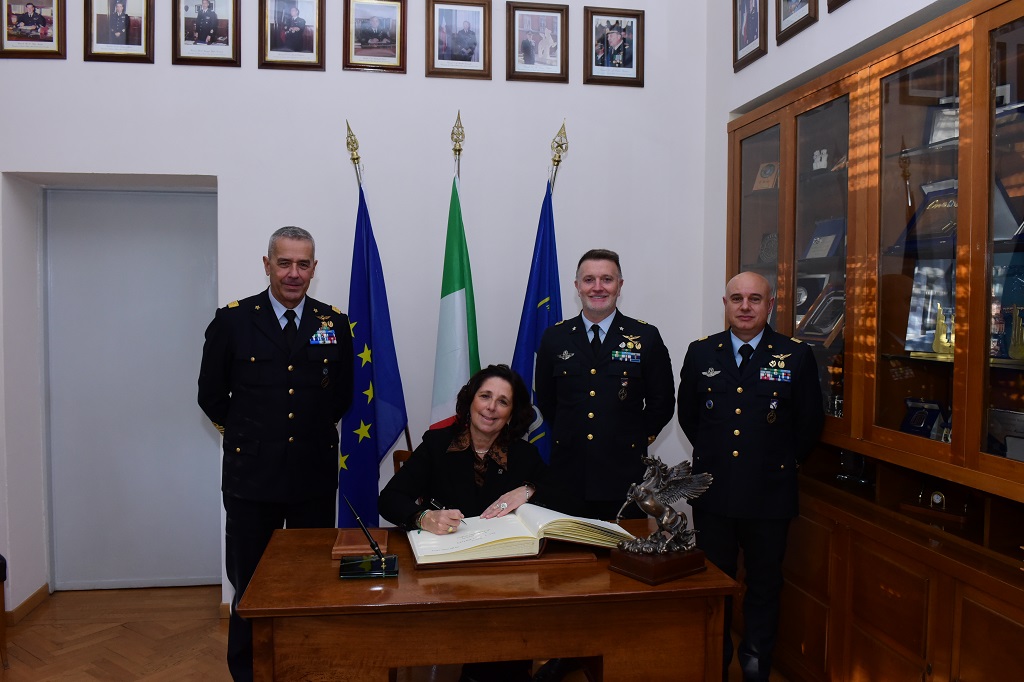
After receiving military honours, the Senator was welcomed by Air Force Lieutenant General Silvano Frigerio, Commander of the Air Force Schools Command / 3rd Air Region, by Air Brigadier General Giovanni Francesco Adamo, Commander of ISMA and from Colonel Massimiliano Macioce, Commander of the Douhet School.
Senator Rauti’s visit to the Florentine site began precisely at the Douhet, the Italian Air Force Military High School – inaugurated in 2006. It is a secondary school that runs the final three years of courses in classical and scientific streams, and access is gained via public competition. The school’s aim is to foster balanced growth in its pupils in terms of their human, cultural, moral, and physical development, so that they have the necessary skills to become good citizens and face the challenges of tomorrow, regardless of each pupil’s future life choices.
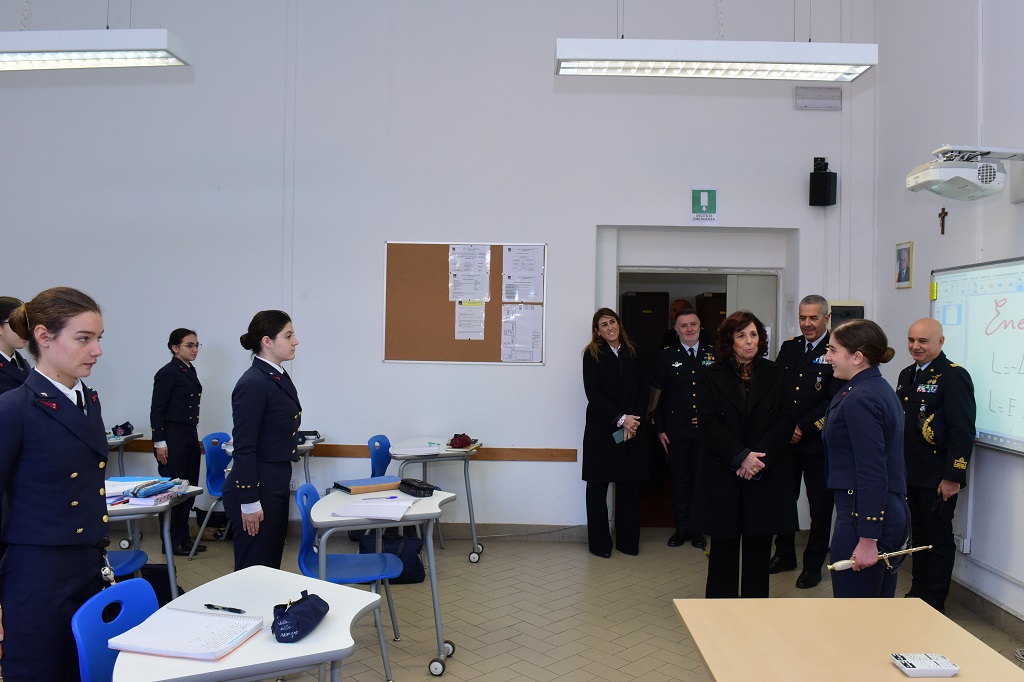
Colonel Macioce, who in addition to being the Commander of the School also serves as the Headteacher, after detailing the Douhet's Educational Offer Plan and presenting the various educational and training activities carried out by the cadets, showed Senator Rauti the classrooms, laboratories, and teaching environments designed to meet the cadets' training needs.
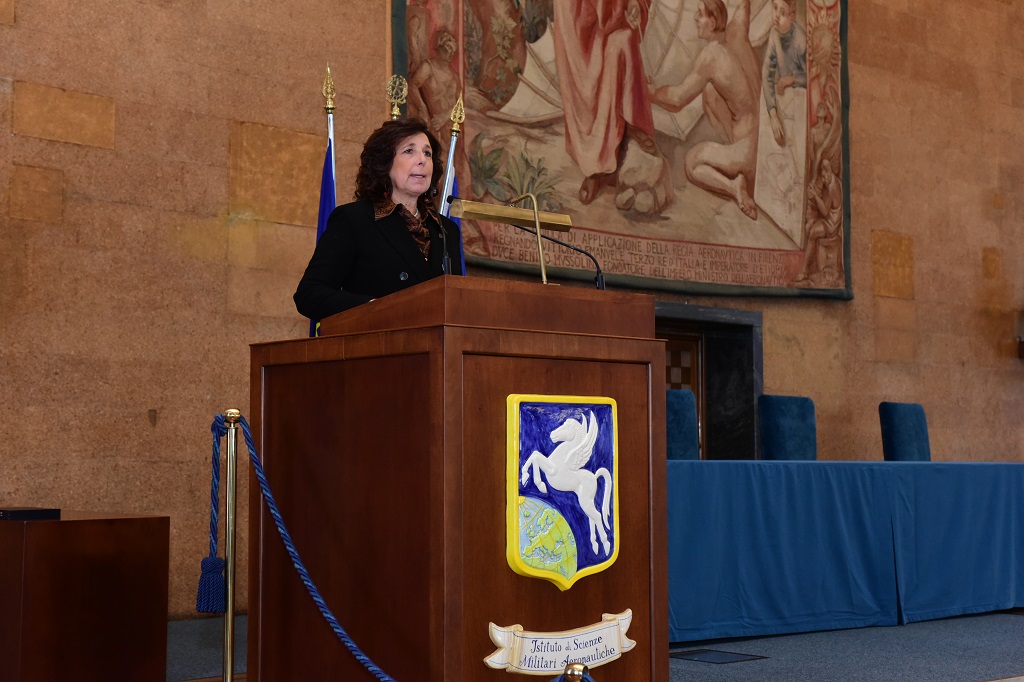
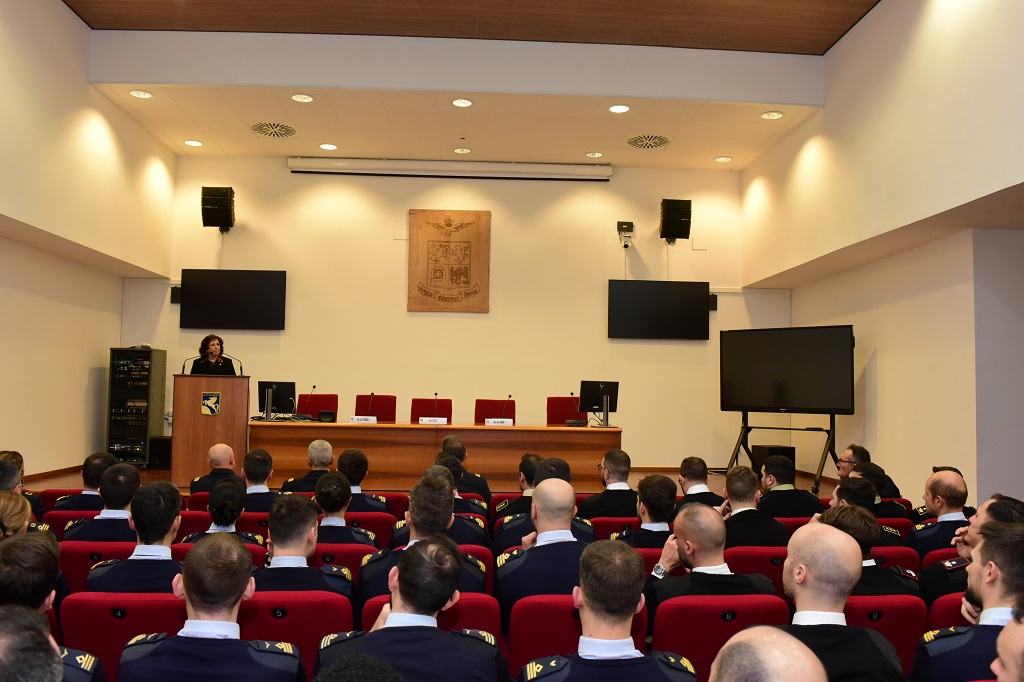
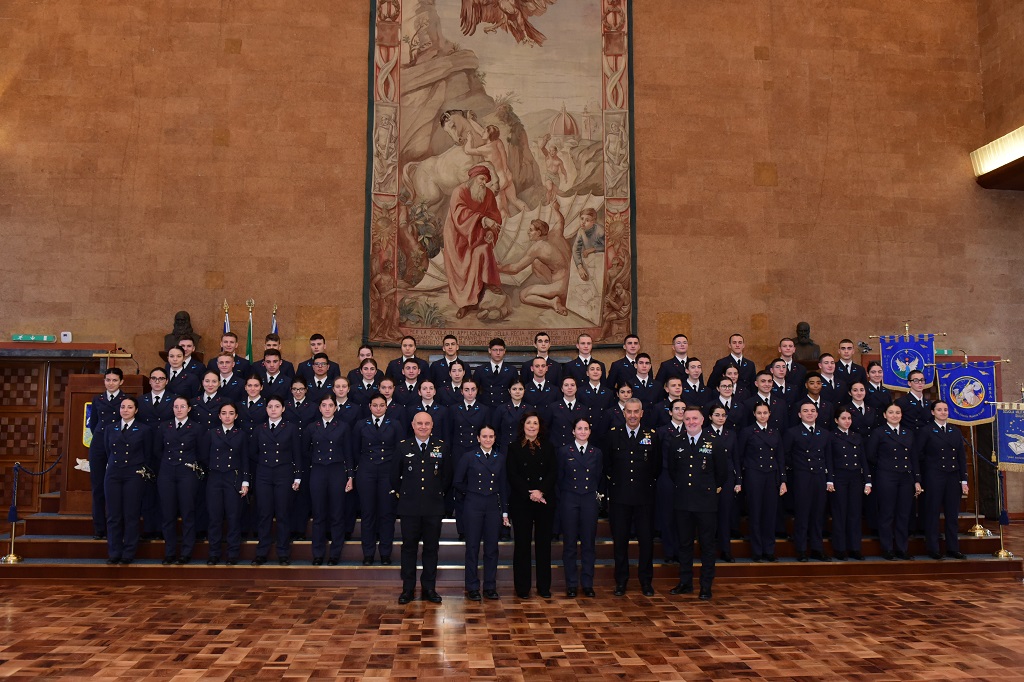
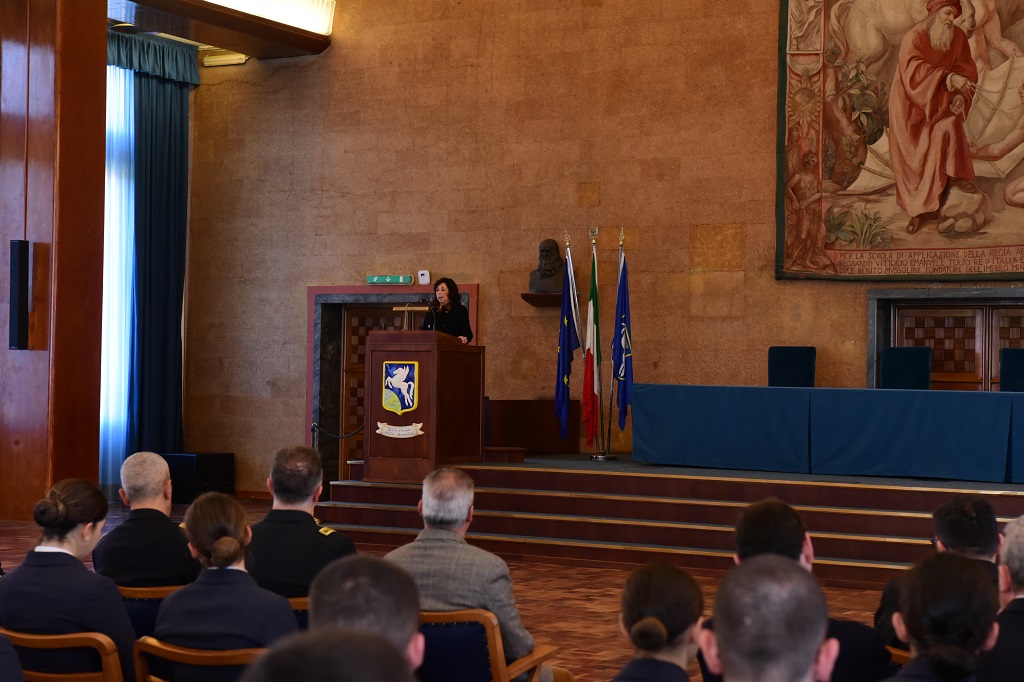
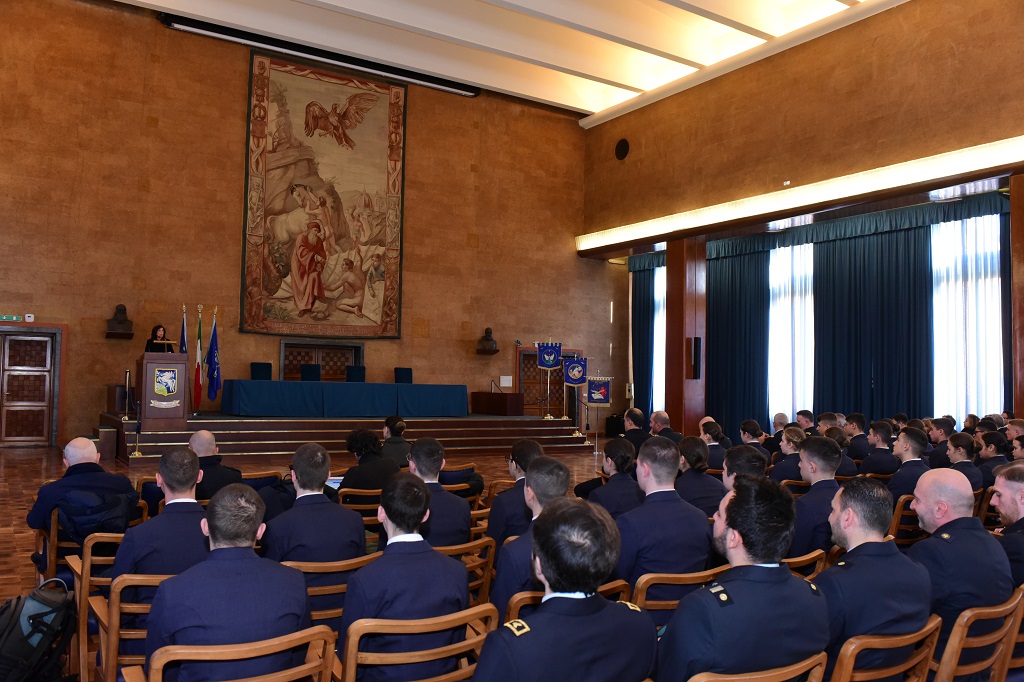
Subsequently, in the elegant Aula Magna, the Senator met with the Permanent Staff of the School, the teachers, and the young boys and girls who attend the Italian Air Force High School.“You've made a life choice – Rauti said, addressing the students – brave in certain ways and which I greatly appreciate; you have shown foresight by aiming to train yourselves in the best way possible and by investing in yourselves and your future. You are living – the senator continued, who is responsible for training – a cultural and existential training path that aims at the full development of your personality. You will have extracurricular experiences of particular value that will bring you closer to the world of flight, man's eternal dream”He then continued: “You already belong fully to the family of the Air Force, the youngest of our Armed Forces, which has just celebrated its first 100 years of life, a custodian of values and memories but distinctly oriented towards the future”.
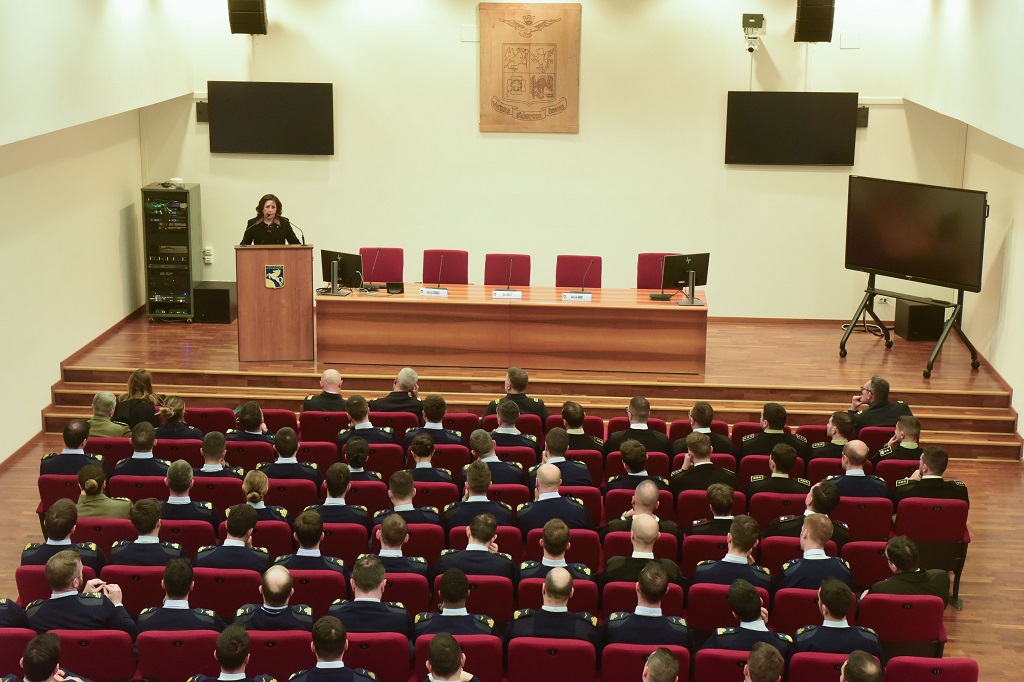
Subsequently, he met the patrons of the’89th Normal Course, engaged in attending the first joint forces module. This, activated from 9 to 17 January 2024 for the first time, is a module included within the Armed Forces Staff Courses and the Carabinieri Corps' Institutional Course, which will be implemented in the respective study plans every year to come. Each Armed Force Institute, namely the Maritime Military Studies Institute of Venice, the Army Application School of Turin, the Carabinieri Officers School of Rome, and the Air Force Military Sciences Institute of Florence, is hosting 12 attendees and one lecturer, respectively from all the other Institutes. During this period, common seminar-type activities will be carried out with the aim of updating and deepening the attendees' skills in communication, Staff service, Cognitive Warfare, and knowledge of the specific characteristics of each individual Armed Force, with the aim of promoting the exchange of experiences among the different attendees and laying the groundwork for the development of functional Defence networking.
This is “An innovative and ambitious training project that aims for inter-force integration and reflects the policy of the Minister of Defence, Hon. Guido Crosetto – contained in the “Guidelines” – aimed at developing common defence skills”as Senator Rauti pointed out.
In addition to and in integration of the activities of the thematic areas described above, other activities will also be planned, such as the conference on “Measurement and Evaluation of Organisational/Individual Performance”, the conference on the theme “Gender Perspective” and the final round table, for discussion and initial feedback on the work carried out. During this, shared hypotheses will be formulated regarding the knowledge and skills to be developed in a joint-service context within future Staff Courses/Institutional Courses, allowing the attending Officers to experience and develop the necessary joint-service integration, which is preparatory for future employment as Staff Officers.
Every Armed Force actually has its own Staff College course. This course for Officers of the various branches of service aims to standardise their technical-professional preparation and to equip them with the ability to operate within the Staffs of national and multinational Commands at the command level identified by the Armed Force, as well as to acquire the fundamental professional skills for carrying out the duties relating to their subsequent deployment specific to their branch/corps.
There is now a particularly pressing need to equip officers from all branches of the Armed Forces with a broader professional outlook, to be built upon the technical and operational skills they have already acquired, so that they may be deployed in “General Staff duties”. The evolution of the international political landscape and the resulting directives from political leaders imply, in fact, a different level of involvement – compared with the past – of the military apparatus in the pursuit of national and international interests. This is also reflected in the words of the Under-Secretary: “Training, which aims to enhance inter-force organisational culture through common and multidisciplinary pathways, is necessary in the face of multidimensional scenarios like the current ones. Defence requires multi-domain capabilities and, while respecting the specialities and skills of each component of the Armed Forces, multidisciplinary training.”
For these reasons, therefore, the training of Officers to be employed in Staff service must be not only broad in scope but also consistent with substantially innovative criteria in the three essential sectors of programmes, teaching methodology and assessment system. For this very reason, it is fundamental that a joint forces training pathway be established so that the vision is comprehensive for all Armed Forces for a shared journey.
Finally, the Senator concluded by saying: “It is precisely “cognitive competitions” that are the new challenge for understanding threats to national security and geopolitical stability based on the distortive use of information or disinformation. A frontier in which to engage to counter the weapons of opinion manipulation but also of human behaviour. The so-called hybrid warfare that characterises new conflicts requires inter-force integration and interoperability between systems, and these are the aspects that make the course a training opportunity of a strategic nature.”.
Following meetings with attendees, the Senator had the opportunity to appreciate the architectural beauty of the Institute, taking a tour of the historic and monumental areas that characterise the rationalist expression desired and conceived by Florentine architect Raffaello Fagnoni for the ’University of Flight“ at Cascine, Florence.
The Air Force Military Sciences Institute is a higher education institute for the training and dissemination of air force military doctrines. It is headed by a General Officer and is under the command of the Commander of the Air Force Schools and the 3rd Air Region. The ’Giulio Douhet“ Air Force Military School, established in 2006, is in turn subordinate to the ISMA. Therefore, the Institute's mission is broad and varied, also due to the specific nature of the bodies and departments under its command. As a higher education institute, ISMA is tasked with raising the general cultural, technical-scientific, and professional level of Air Force Officers, developing and perfecting their preparation for the directive and managerial roles they will be entrusted with in the future of their careers.