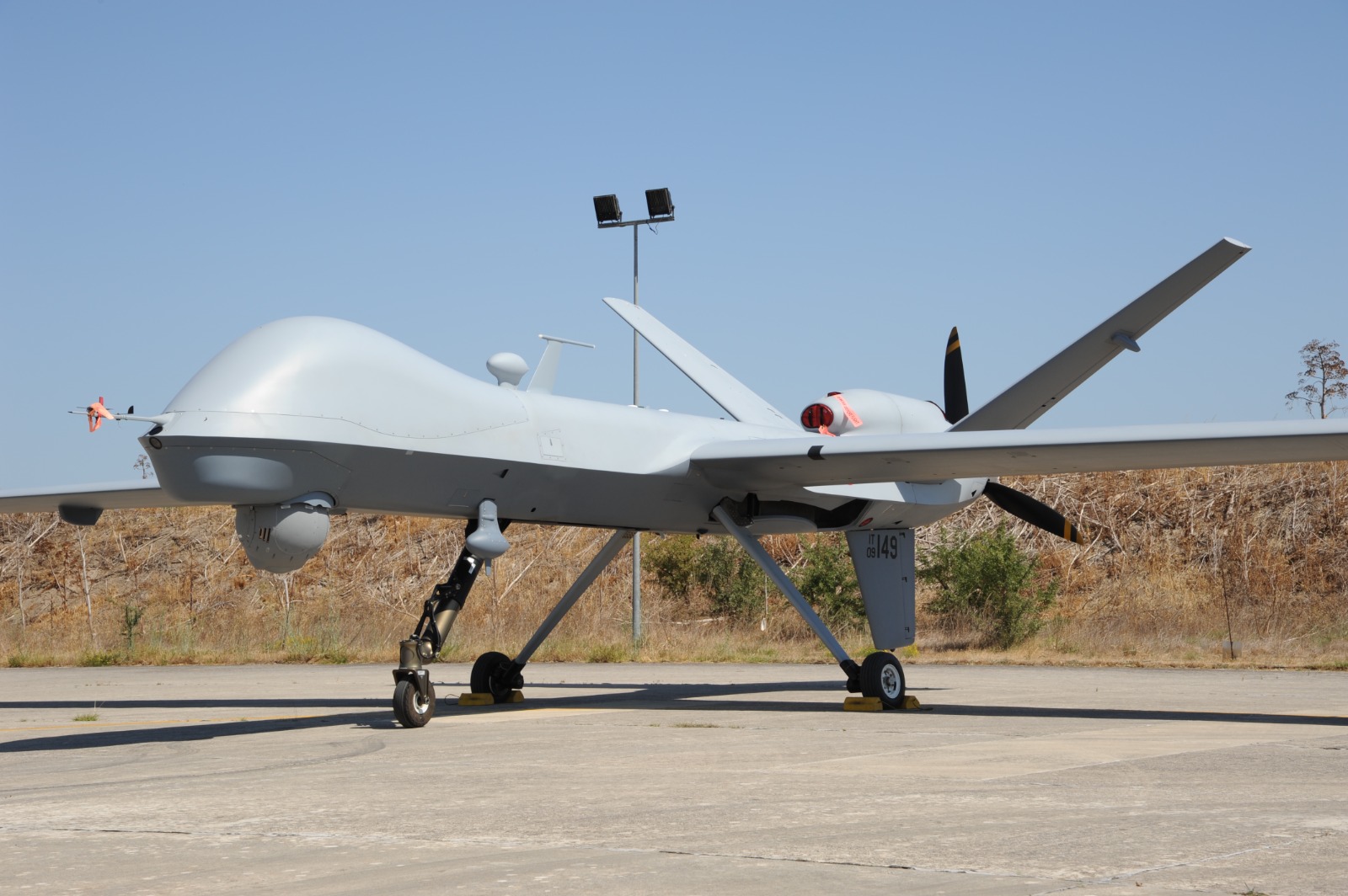
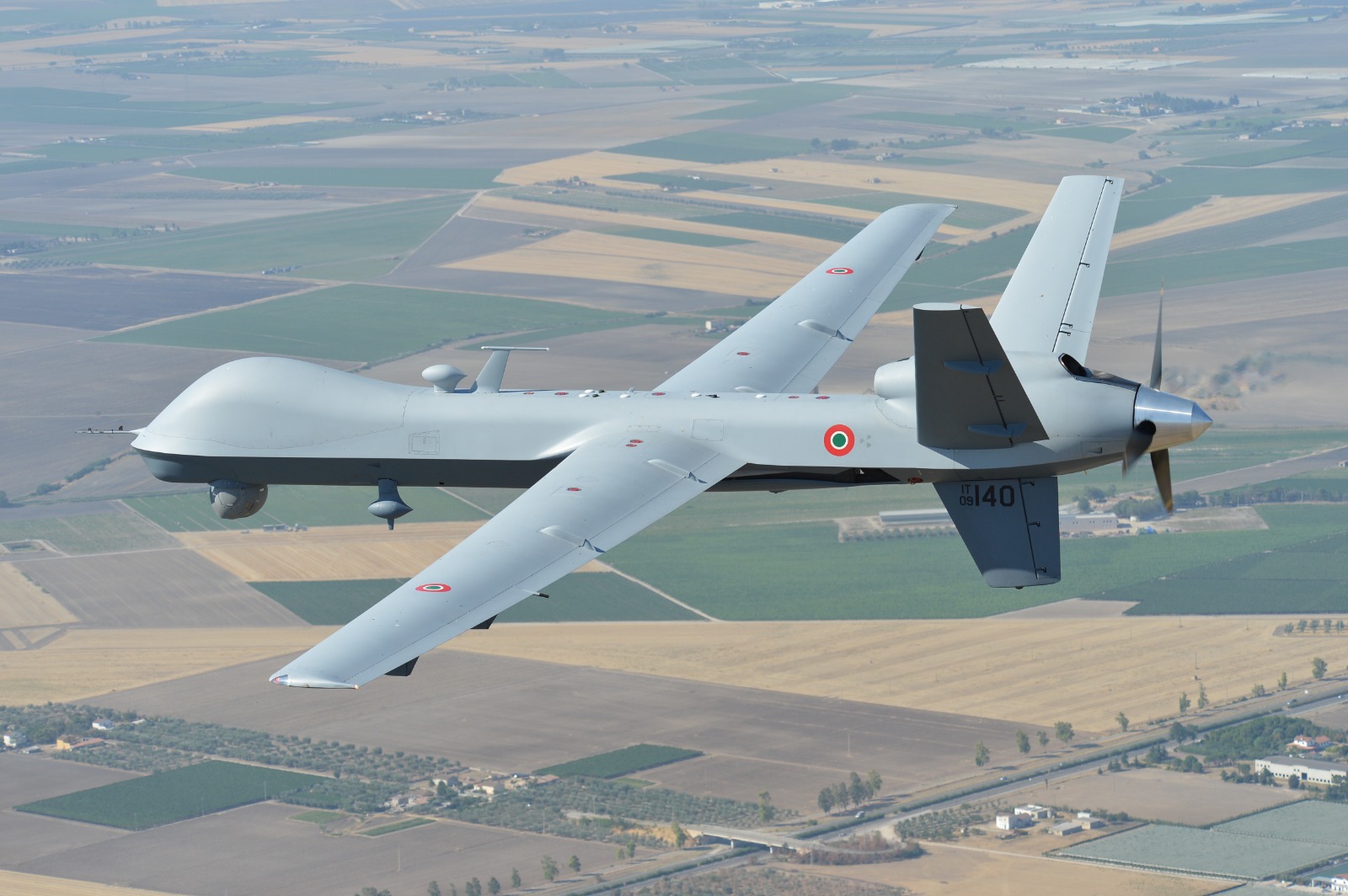
Yesterday afternoon, Wednesday, 20 December, an MQ-9 Predator B – a Remotely Piloted Aircraft (RPA) of the Italian Air Force – flew for the first time in national airspace using the same routes normally dedicated to manned air traffic.
The mission, the first of its kind nationally and among the first in Europe, is part of a planned and conducted trial by the Air Force in conjunction with the National Civil Aviation Authority (ENAC) for carrying out a series of flights using remotely piloted military aircraft in co-existence with commercial air traffic, rather than within exclusively reserved airspace, as current air traffic procedures and rules stipulate.
The aim of the trial is to revise national legislation governing the circulation of remotely piloted military aircraft, placing Italy among the first countries able to guide sector legislation. This trial activity will also support the development of future civil-military coordination protocols between the Italian Air Force and ENAV (the Italian Air Navigation Services provider), for ever smoother integration of RPAS in national airspace, as well as further researching the maximum usability of airspace where Security and Defence operations must be guaranteed on the one hand, and the reduction of flight times and therefore a decrease in environmental impact (CO2 emissions) in favour of the expansion of commercial air traffic on the other.
The activity falls within the framework of the long-standing collaboration between the Air Force and the National Civil Aviation Authority (ENAC), which formalised a Letter of Intent for this specific experiment last November, drawing on the experience gained by the Armed Force over the last twenty years of using remotely piloted aircraft in a military context. The contribution of the Air Force with RPAS assets for reconnaissance and surveillance activities is significant and continuously growing in this area, also in support of other Ministries, for example in public security, civil protection and environmental monitoring activities.
Indeed, since 2004, Italy has been the first European country to regulate the use of airspace to ensure the multiple activities conducted by military UAVs, becoming a reference in terms of certification, regulation, and operational management.
The trial involved in-depth and meticulous planning of flight activities, with the involvement of all stakeholders to ensure, first and foremost, the safety of aerial operations, in accordance with the principle of flexible use of airspace.
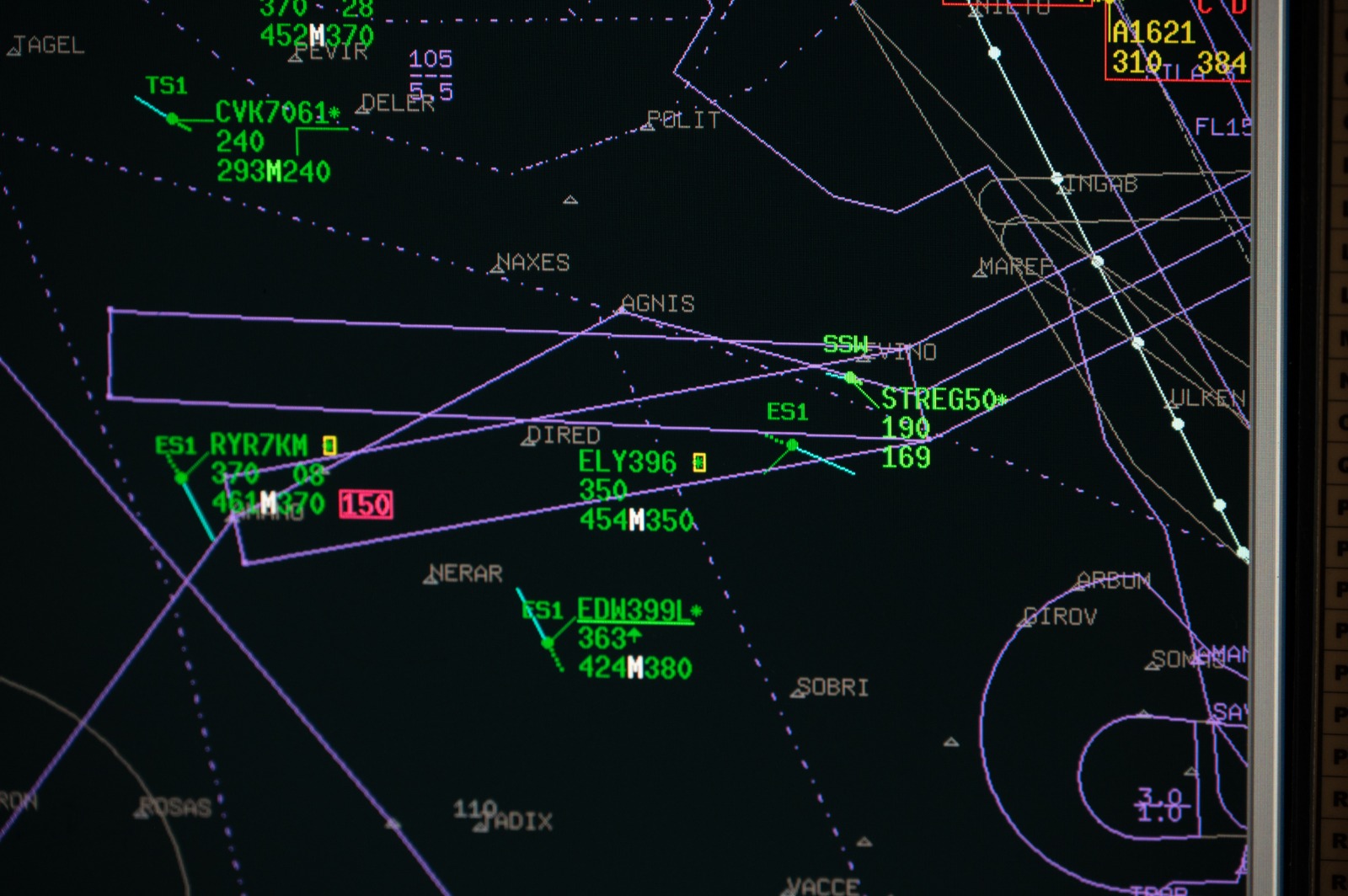
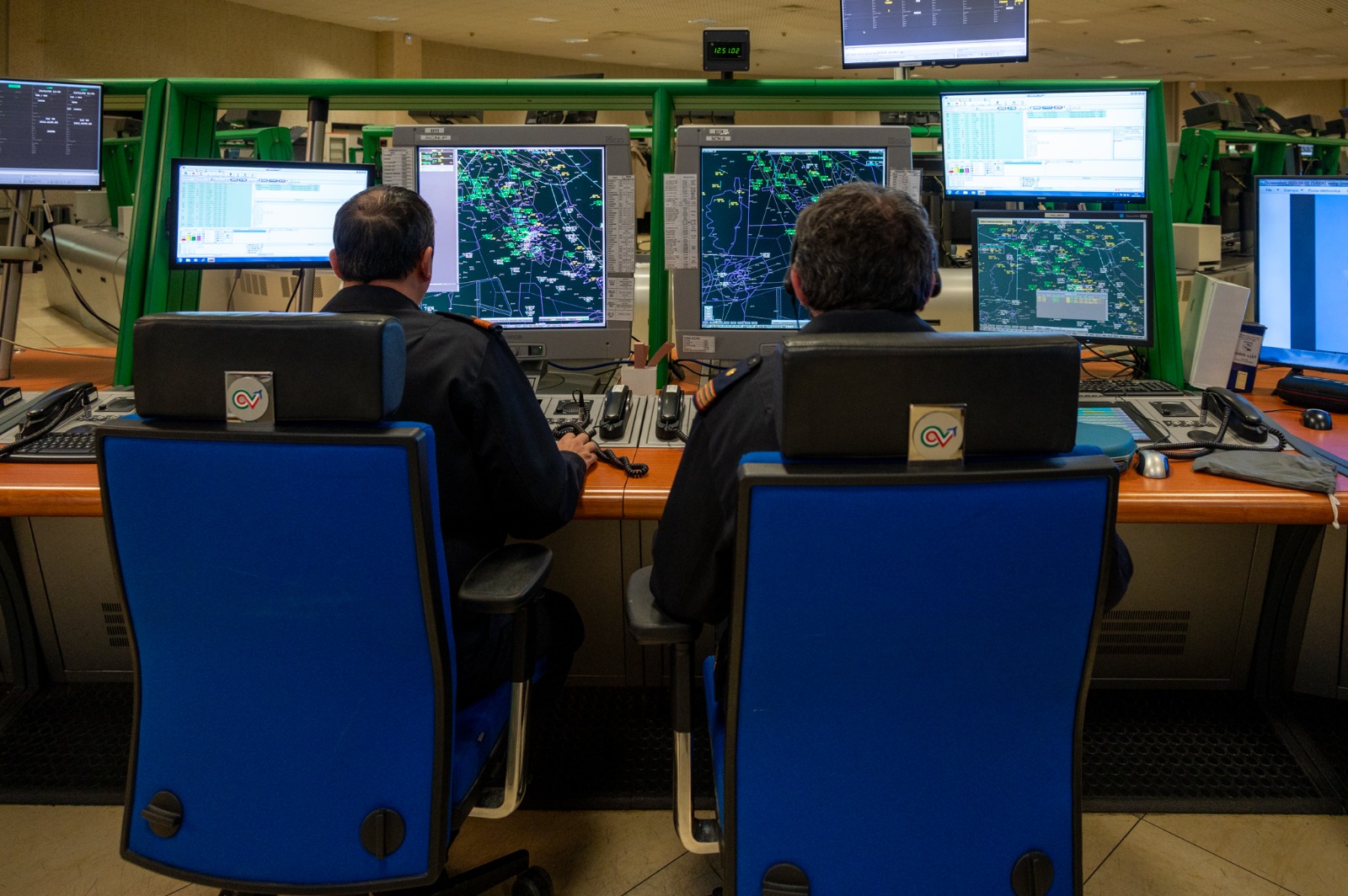
Operationally, for this trial, ENAV and the Air Squad Command of the Air Force, the Apex Body which, through its subordinate bodies, prepares the operational capability of the Armed Force also in the “Air Traffic Control” sector and the management of national aerospace resources, have finalised an operational protocol for coordinating the provision of Air Traffic Services, ensured by military Air Traffic Controllers (ATCOs) of the Coordination and Control Services of the Air Force (SCCAM) in Rome and Brindisi.
SCCAM units operate by regulation, within their respective ENAV Area Control Centres, in a unique international organisational model. This co-location allows for optimised civil-military coordination, maximises the use of national airspace, and also guarantees experimental activities such as today's. These activities will support the normative and regulatory evolution of a sector with extremely high potential, such as remotely piloted flight services for the community.
English version 
For the first time, a military aircraft has flown in Italy on routes previously dedicated exclusively to piloted air traffic.
This first experimental flight was carried out today by an MQ-9 Predator B belonging to the Air Force's 32nd Squadron, managed by Military Air Traffic Controllers, in synergy with the National Civil Aviation Authority (ENAC) and with the operational support of the Italian Civil Air Traffic Control Agency (ENAV).
Yesterday afternoon, Wednesday, 20 December, an MQ-9 Predator B – Remotely Piloted Aircraft (UAV Unmanned Aerial Vehicle) of the Italian Air Force – flew for the first time in national airspace using the same routes normally dedicated to air traffic with a pilot on board.
The mission, the first of its kind in Italy and among the first in Europe, is part of an experiment planned and conducted by the Air Force in synergy with the National Civil Aviation Authority (ENAC) for the performance of a series of flights with remotely piloted military aircraft in coexistence with commercial air traffic, rather than within exclusively reserved airspace, as provided by the current air traffic rules and procedures.
The objective of the experimentation is to revise national legislation governing the operation of remotely piloted military aircraft, positioning Italy among the first countries capable of leading sector regulations. This testing activity will also support the development of future civil-military coordination protocols between the Italian Air Force and ENAV (the Italian Civil Air Traffic Control Agency) for increasingly seamless integration of UAVs into national airspace. Furthermore, it aims to maximise the usability of airspace, ensuring Security and Defence operations on one hand, while on the other hand reducing flight times and consequently the environmental impact (CO2 emissions) in favour of the expansion of commercial air traffic.
The activity is part of the long-standing collaboration between the Air Force and the National Civil Aviation Authority (ENAC), which last November formally signed a Letter of Intent on this specific experiment, taking advantage of the experience gained by the Air Force over the last twenty years in the use of unmanned military aircraft. In this context, the contribution that the Italian Air Force provides with UAV assets for reconnaissance and surveillance activities is significant, and constantly growing, also in support of other Departments, such as for participation in public security, civil protection, and environmental monitoring activities.
In fact, since 2004 Italy has been the first European country to regulate the use of airspace to guarantee the multiple activities conducted by military UAVs, acting as a reference in terms of certification, regulation and operational management.
The trial included thorough and timely planning of flight activities, with the involvement of all stakeholders to ensure, first and foremost, the safety of air operations in compliance with the principle of flexible use of airspace.
At the operational level, for this experiment, ENAV and the Italian Air Force's Command of Operational Forces, a senior body that, through its subordinate organisations, prepares the operational capability of the Armed Force, including in the field of “Air Traffic Control” and the management of national aerospace resources, have concluded an operational protocol for the coordination of the provision of Air Traffic Services, provided by the military Air Traffic Controllers (ATCers) of the Coordination and Control Services Department (SCCAM) in Rome and Brindisi.
SCCAMs operate according to standard procedures within the respective ENAV Area Control Centres, using a unique international organisational model. Thanks to co-location, this model optimises civil-military coordination and maximises the use of national airspace, while also enabling experimental activities such as today's. These activities will support the regulatory evolution of a sector with very high potential, such as that of remotely piloted flights for community services.