National conference organized by the School of Aerospace Cooperation for the integration of operational components of the Armed Forces
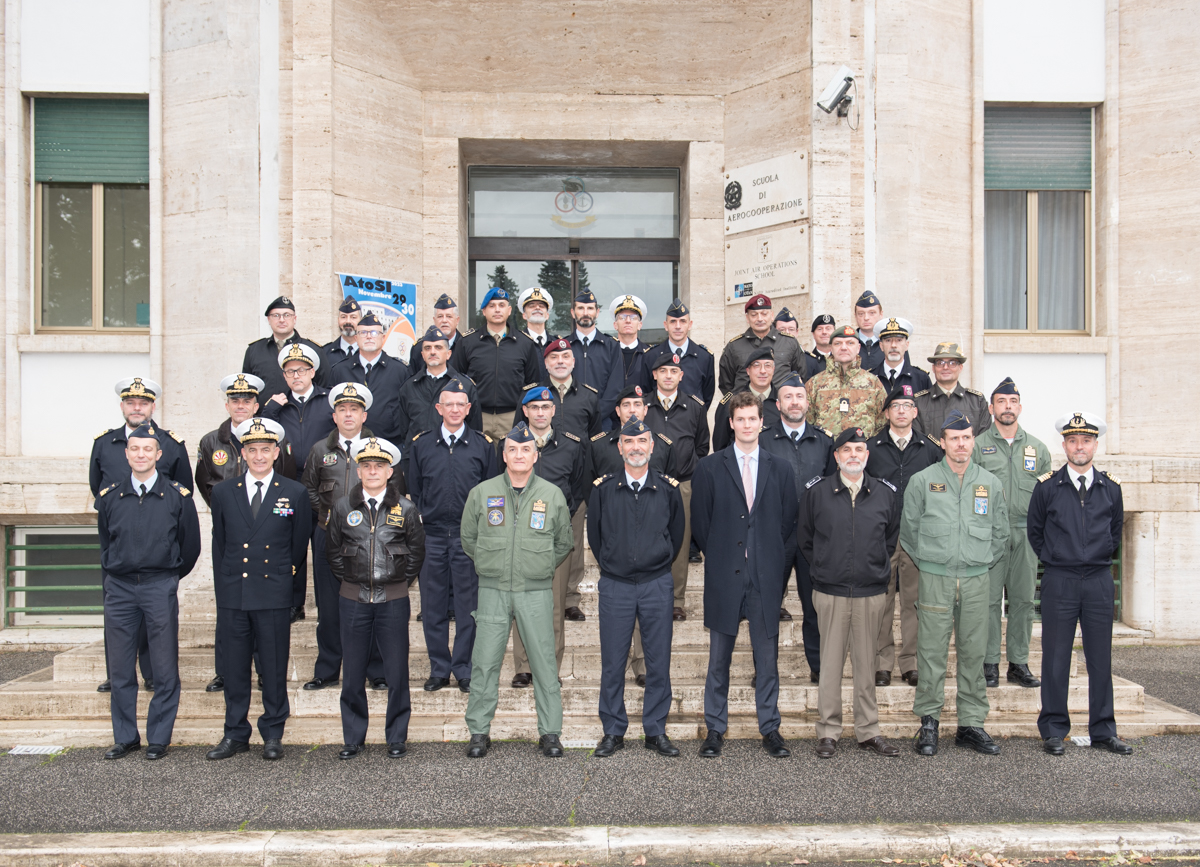
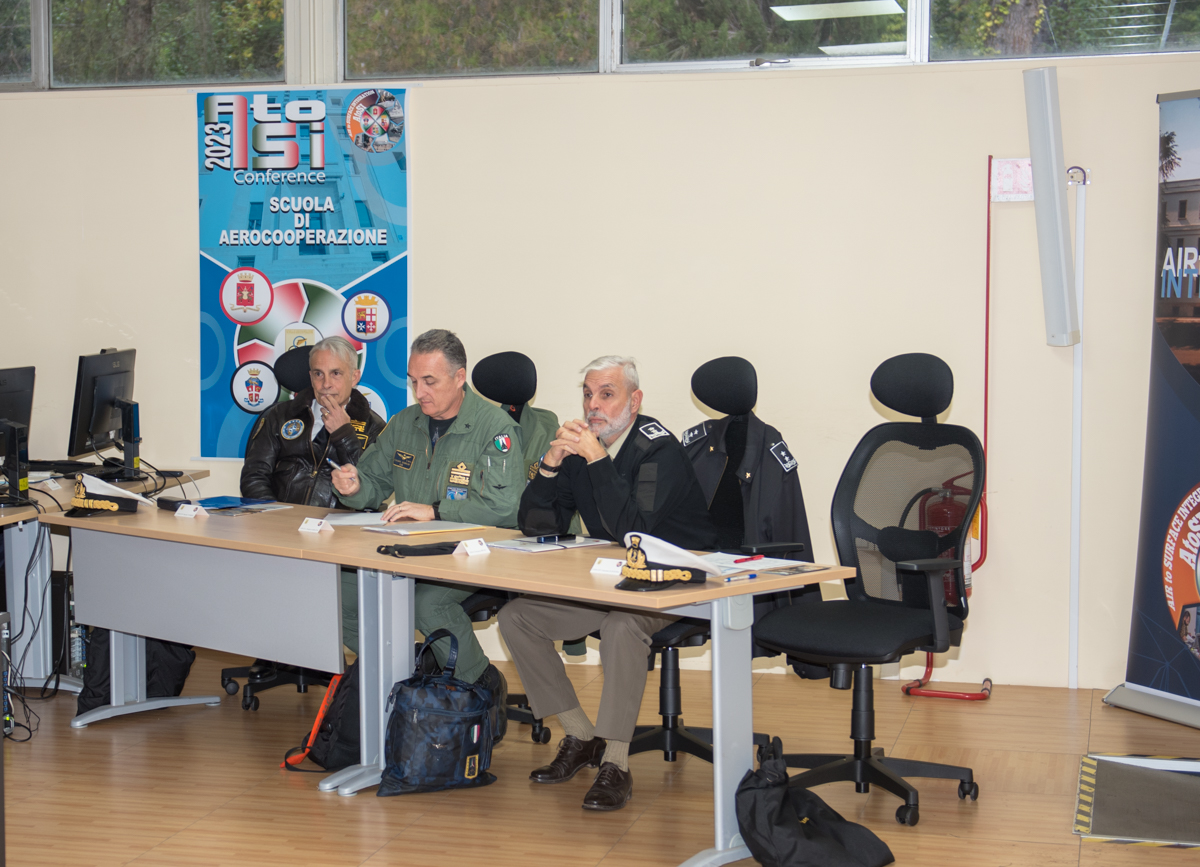
As part of the 2023 educational offer, the School of Aerial Cooperation he organized and hosted the second edition of Air to Surface Integration (ATOSI) Conference, addressed to representatives of the Major States and the Operational Commands of the Armed Forces, in the rank of Colonel and Brigadier General and equivalent.
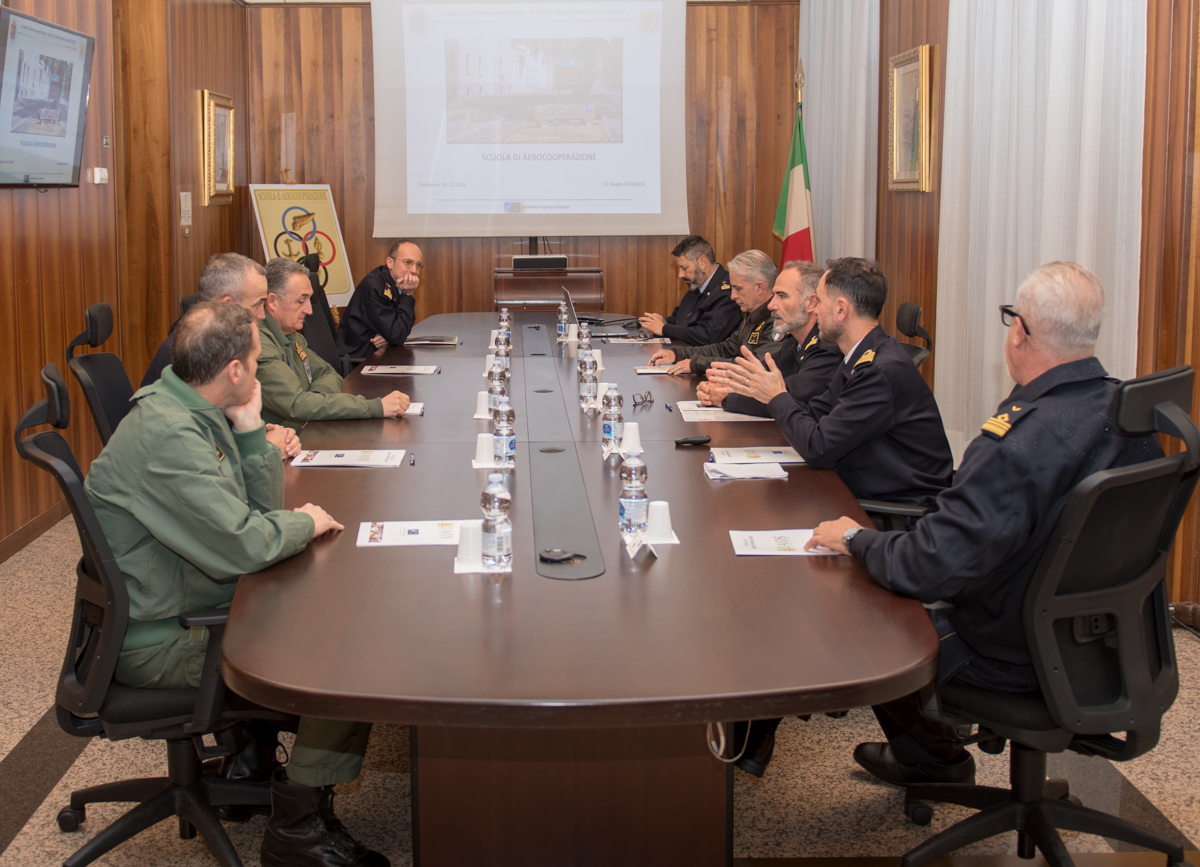
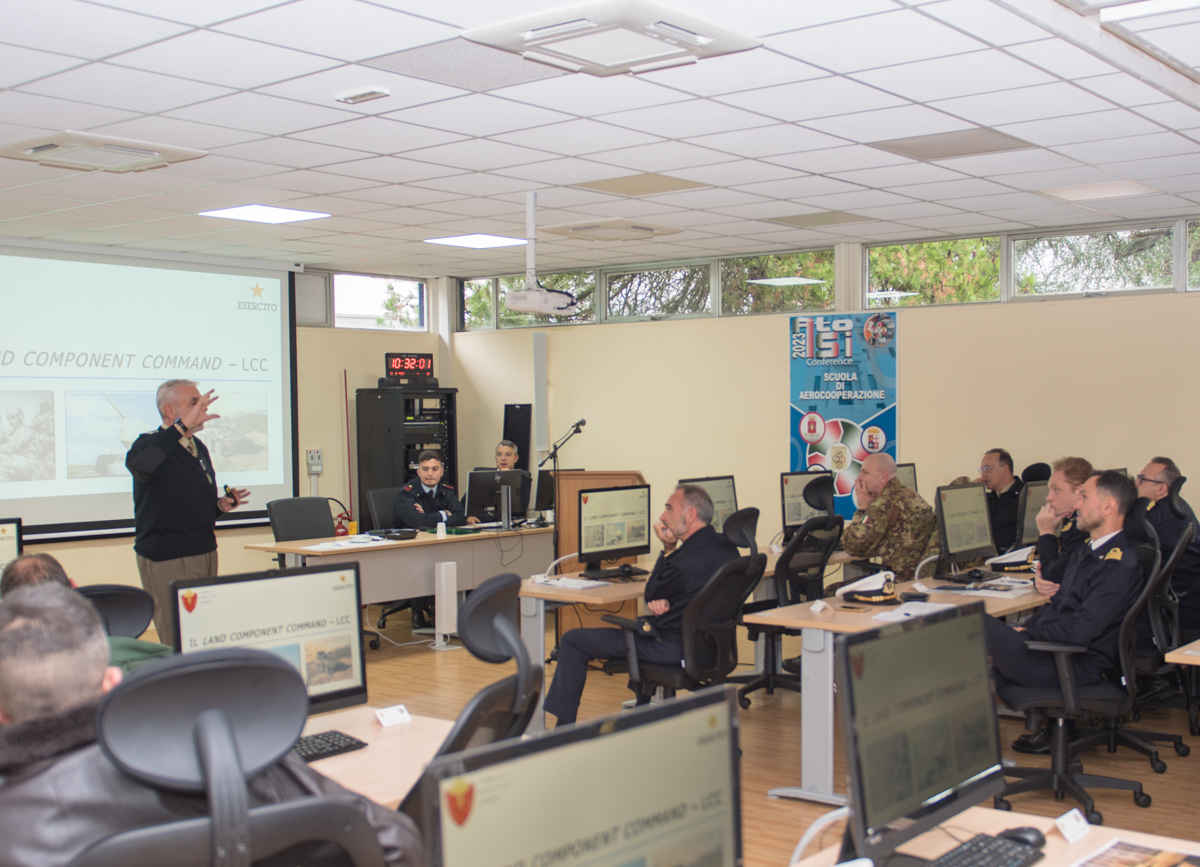
The conference was divided into two days of work, with presentations by speakers from various agencies and inter-service commands, from the component commands of the Armed Forces and from NATO commands.
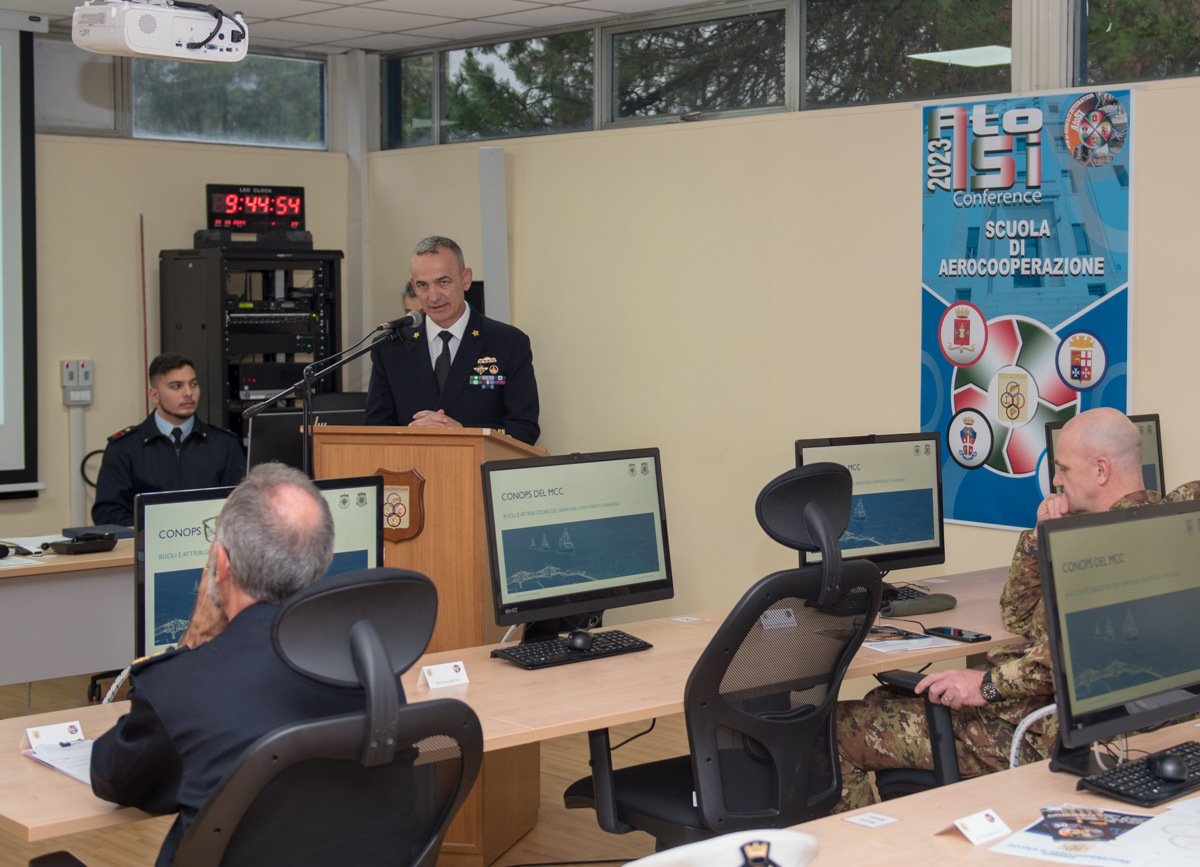
As highlighted in the opening of the proceedings by Brigadier General Francesco Donato Rizzo, Commander of the Air Cooperation School, The theme of the conference aimed to highlight the peculiarities of the’integration between the aircraft and the land and naval components, favoring the realization of a think-hub and of a Network of expertise for the sharing and valorization of experiences, Lessons learned e best practices, open and participatory. In fact, to improve and strengthen the’integration and interoperability require the sharing of expertise and specializations among the various components (Air, Land, Maritime, including the new domains of Cyber and Space), in order to enhance the process of utilizing assets and resources to achieve the objectives entrusted to the Armed Forces in operations joint/combined and Multi Domain.
All this takes on even more significant meaning if we take into account the current historical phase, which is unprecedented in terms of uncertainty, volatility, and a lack of reference points. We are facing a situation where: an unpredictable geopolitical scenario, interconnected, characterized by enormous speed of change and widespread multipolar global disorder with nationalist visions and impulses: in a single word, complex.
The topics discussed at ATOSI were fully in line with the guidelines set out by Minister of Defense in the Pluriannual Programmatic Document for Defense 2023-2025, Towards the future Military Instrument, which must be integrated and multi-domain, capable of generating effects across all domains and all dimensions, including those emerging. Hence the utmost attention to the’Inter-force integration and towards all technological and operational developments.
The future challenges that emerged during the two days of the conference are all closely linked to this scenario, and the School’s intention was precisely to identify the common characteristics among them in order to offer them to the diverse audience of today’s and tomorrow’s Commanders.
The School of Aerial Cooperation, strengthened by its decades-long commitment to’Interoperability, It already has the technical-specialized educational activities related to these challenges in place, because “training to operate” is the goal. Focus of their own daily lives.
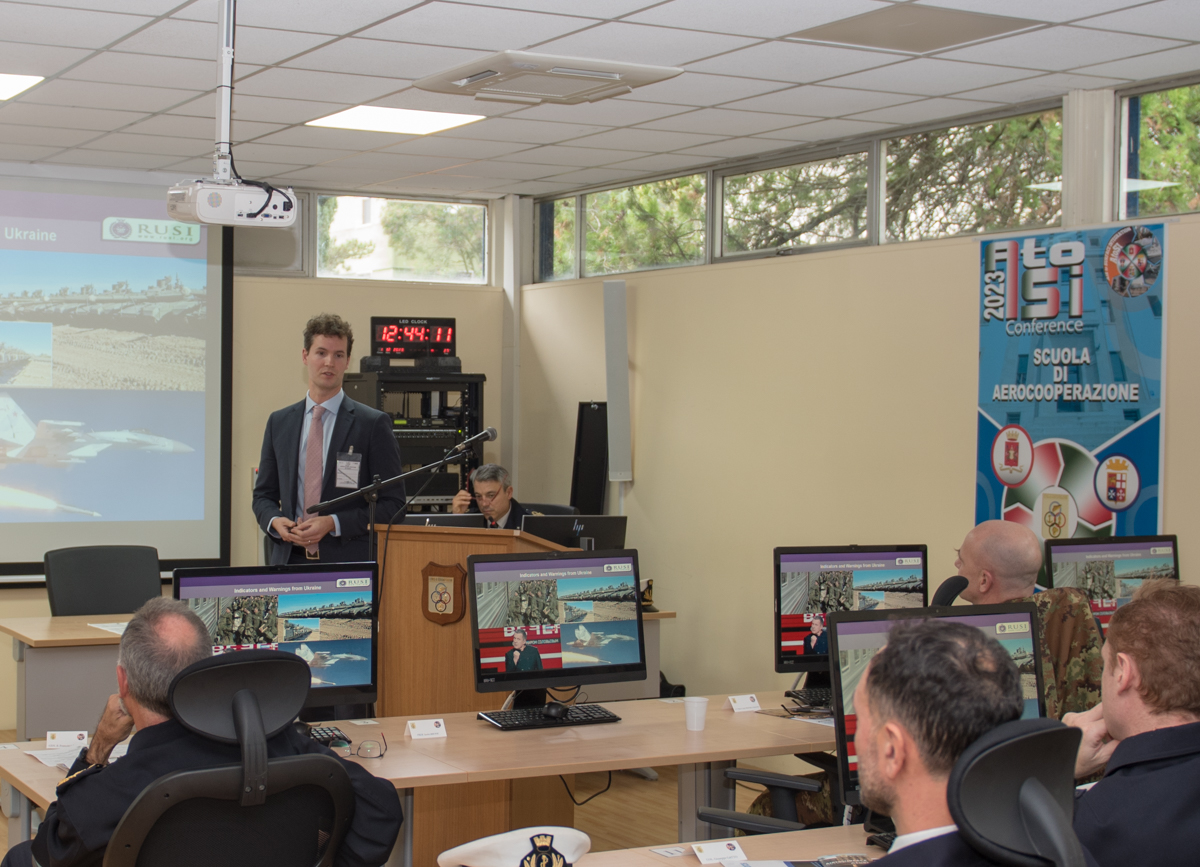
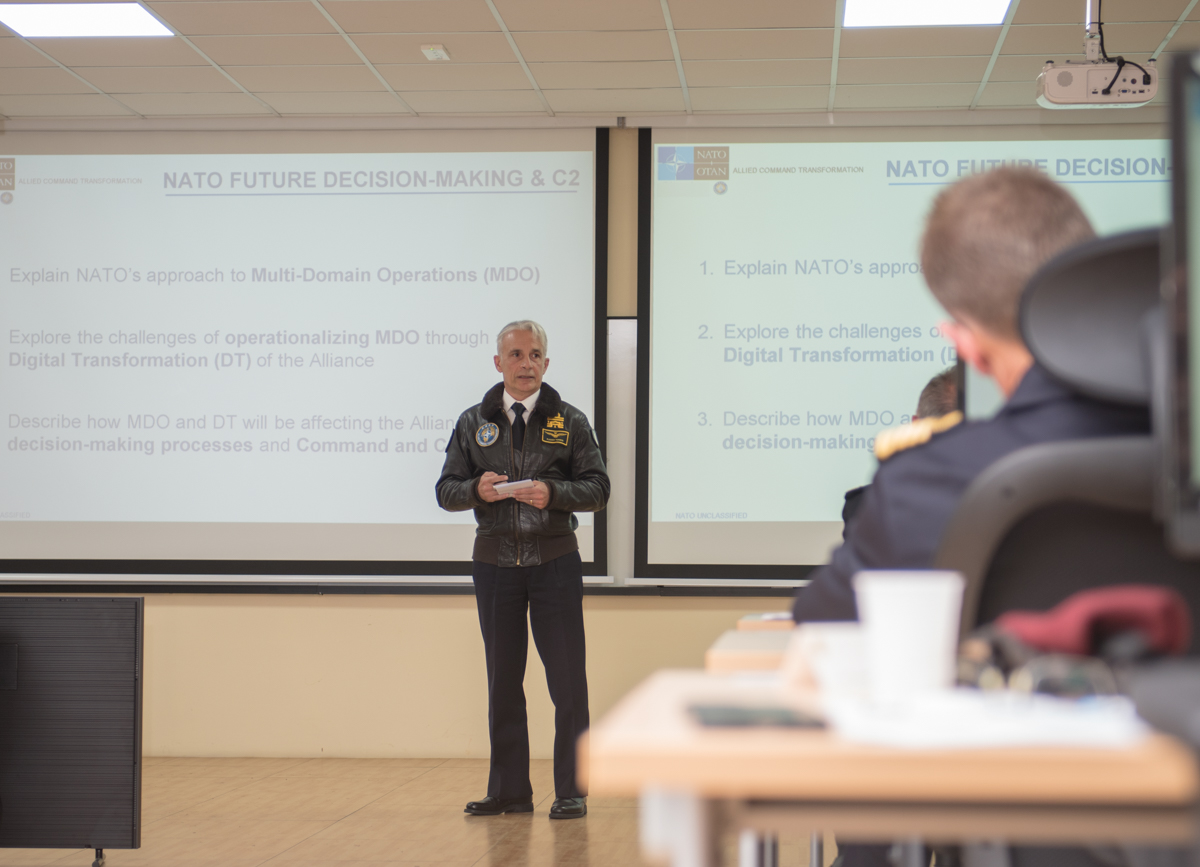
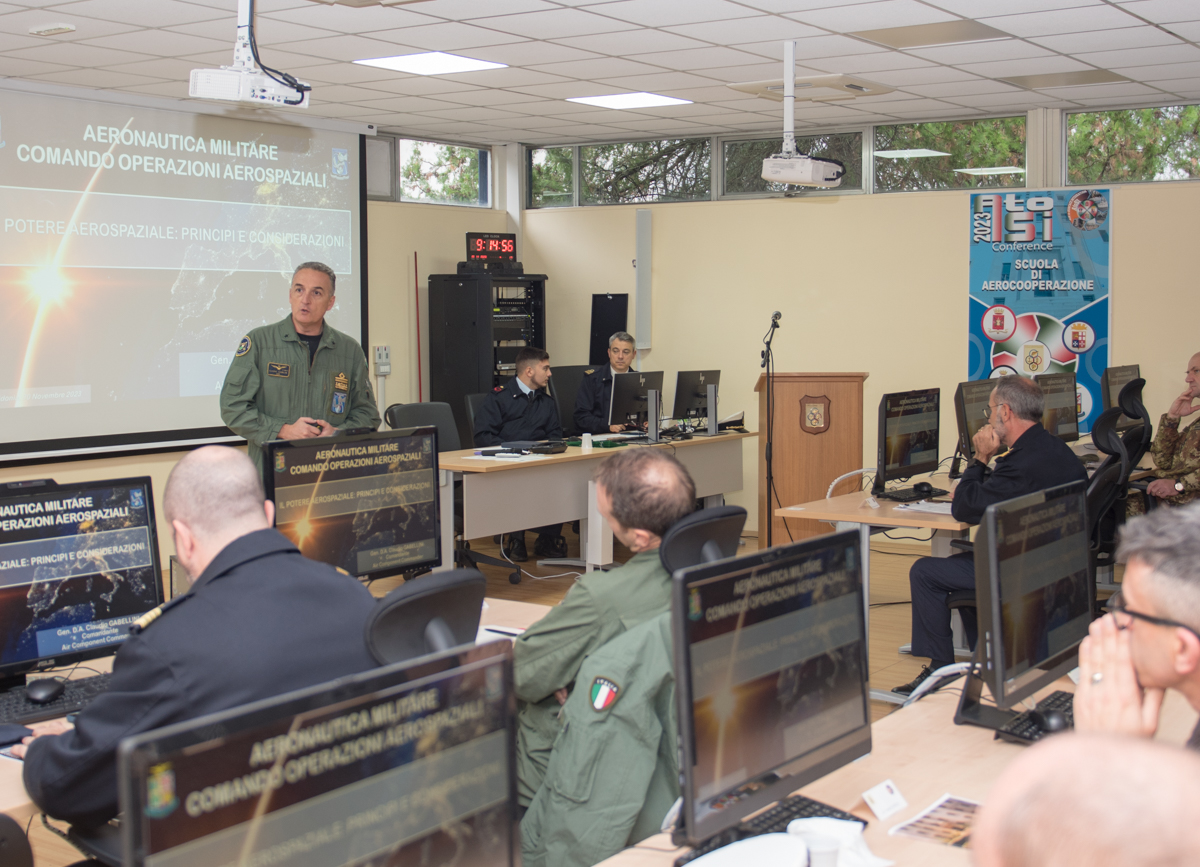
Of particular value are the interventions of Air Division General Claudio Gabellini, Commander of the Air and Space Operations Command of Poggio Renatico, by General of Division Francesco Bruno, Commander of the “Acqui” Division”, by Admiral of Division Giacinto Sciandra, Commander of the 2nd Naval Division, by COMITMARFOR and the Italian Carrier Strike Group and of Brigadier General of the Air Force David Morpurgo, Deputy Commander of the Deployable Air Command Control Center of Poggio Renatico. The CA Domenico Guglielmi also intervened, Deputy Chief of the 1st Department of the General Staff of the Defense, which provided extremely interesting indications regarding the priorities recently outlined by the Minister of Defense and Admiral of Division Placido Torresi, Deputy Chief of Staff Force Development of NATO Allied Commander Transformation from Norfolk (USA), who highlighted the important developments underway at NATO in Digital Transformation and the ways in which Multi-Domain Operations influence the decision-making processes and therefore the Alliance’s Command and Control processes. This was of particular interest in light of the initiatives already underway at SAC to integrate Digital Transformation and Multi-Domain Operations into its training offering. The conference concluded with a presentation focusing on recent geopolitical events titled “Air Land Integration Requirements in Current and Future Scenarios”conducted by Professor Justin Bronk,”, Senior Research Fellow for Airpower and Technology del Royal United Services Institute for Defence and Security Studies (RUSI) London (UK), the oldest and most important think-tank British expert in the field of international defense and security. In his speech, the professor emphasized the potential criticalities that, in light of the current geopolitical scenarios, should guide the strategic choices and investments of the NATO European countries.
The event confirmed SAC’s role as a point of reference and gathering place, both in the specific field of training and in that of thought. The school embodies more than 70 years of inter-service tradition, operates with state-of-the-art technologies, and always looks to the future to meet the challenges and seize the new opportunities.
The School of Aerospace Cooperation, as a cross-service training center and the only Training Institution of the Defense accredited by NATO, provides an excellent educational program that is constantly evolving and keeps pace with technological innovations, to ensure it consistently meets the training needs of the national Armed Forces and the allied and friendly countries.
In the field of operational air-surface cooperation and “remote sensing”, the School has in recent years expanded its educational offer with courses, some of which are certified by the Atlantic Alliance at the highest level of “NATO Approved”, in the fields of “Joint Terminal Attack Controller (JTAC)”, “Joint Personnel Recovery”, “Joint Targeting” and “Joint Effects&Fires”; in the field of “Remote Sensing”, among others, mention should be made of the training courses for the operational management, interpretation and analysis of remote-sensing images, derived from electro-optical and radar sensors, airborne and satellite “Initial Remote Sensing” and “Advanced Remote Sensing”, also certified by NATO.
For the training and qualification of the JTACs, the commander of the School is also the “National Certification Authority”, as provided for by the NATO Reference Standards.
The courses of the School of Air Co-operation are open not only to military personnel of the Armed Forces, but also to personnel external to the Defense Administration. Furthermore, thanks to the NATO certification obtained, the School also hosts military personnel from Allied countries and participants in the international Partnership for Peace (PfP) program, subject to authorization from the General Staff of the Defense.
The Mission The School’s mission is to provide an education of excellence, unique in the Defense sector, specializing national and international personnel in the fields of remote sensing and aerospace cooperation, through a highly motivated and professional staff and the use of cutting-edge technologies, having as its main objective the development of the national defense capabilities. Vision, The commitment to maintain an educational offer of absolute quality, in a continuous and constant process of improvement and adaptation to the operational needs of the Defense, fully integrated into the international context. Professionalism and passion at the service of the country.